Navratri Special Beverages 2026: Traditional Indian Drinks and Fresh Fruit Juices
Navratri Beverage Tourism: Fruit Juices, Milk Drinks and Refreshing Mocktails
Introduction
Navratri is one of India's most vibrant festivals, celebrated with devotion, traditional music, colourful decorations, cultural activities, and special food experiences. Along with fasting meals and festive sweets, refreshing beverages play an important role in Navratri celebrations. From fresh fruit juices and creamy milk drinks to coconut water and colourful non-alcoholic mocktails, festival beverages offer visitors a delicious way to explore India's culinary traditions.
Navratri beverage tourism focuses on discovering regional drinks, visiting local juice shops, exploring festive food markets, and experiencing special beverage menus at restaurants, hotels, and cultural festivals. It combines food tourism with seasonal celebrations, giving travelers opportunities to enjoy traditional flavours while learning about local customs and hospitality.
What Is Navratri Beverage Tourism?
Navratri beverage tourism involves exploring drinks associated with Navratri celebrations and regional food traditions. Travelers can discover traditional homemade beverages, freshly prepared fruit juices, milk-based refreshments, and innovative mocktails inspired by Indian ingredients.
Many restaurants and hospitality businesses introduce special menus during Navratri to serve visitors who prefer vegetarian food or follow fasting traditions. Depending on local customs, these menus may include drinks made with milk, yogurt, fruits, nuts, and other permitted ingredients.
The experience goes beyond drinking refreshments. It also includes discovering regional ingredients, observing traditional preparation methods, supporting local businesses, and enjoying festive dining experiences.
Popular Beverages to Explore During Navratri
1. Fresh Fruit Juices
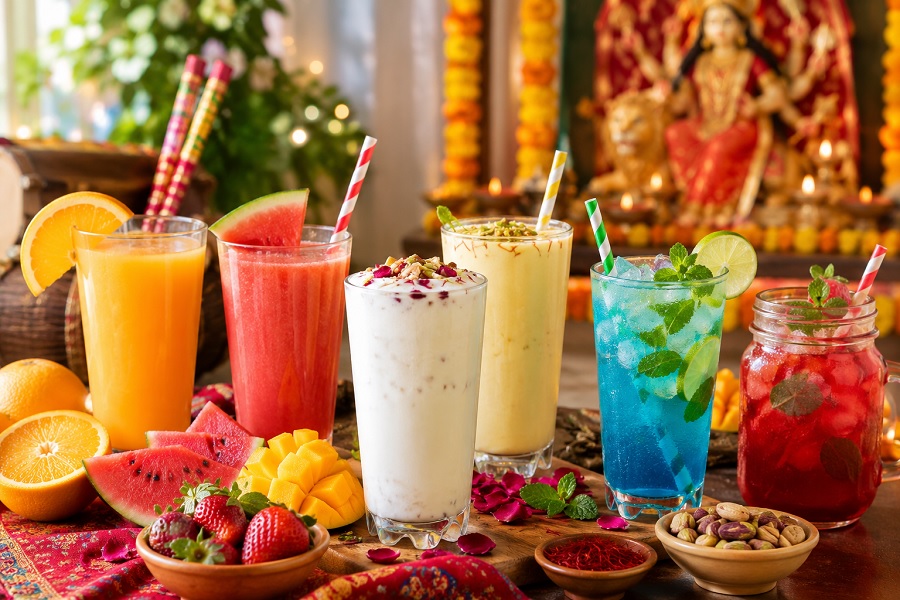
Fresh fruit juices are popular choices during Navratri because they provide hydration and a refreshing taste. Depending on the season and destination, visitors may find watermelon, orange, sweet lime, pomegranate, pineapple, and mixed-fruit juices.
Local juice stalls and restaurants often offer freshly prepared drinks using seasonal produce. Travelers can explore different flavour combinations while discovering the fruit varieties popular in each region.
2. Traditional Milk Drinks
Milk-based beverages are another important part of India's festive drink culture. Popular options include chilled milk, kesar milk, badam milk, and cardamom-flavoured milk.
Some establishments also offer milkshakes prepared with banana, mango, or other fruits. These drinks can be enjoyed as part of a festive menu, provided their ingredients follow the traveler's fasting preferences.
3. Lassi and Yogurt-Based Drinks
Lassi is a well-known Indian beverage prepared using yogurt. Sweet lassi, cardamom lassi, and fruit-flavoured varieties can add a refreshing element to a Navratri food experience.
Availability and fasting suitability vary according to personal practice and regional traditions. Travelers should check the ingredients before ordering.
4. Coconut Water
Coconut water is a refreshing option commonly available in many Indian destinations. It offers a naturally light taste and contributes to fluid intake, making it a popular choice during warm-weather celebrations.
Travelers can enjoy fresh coconut water at local markets, street stalls, beachside outlets, and festive food areas.
5. Refreshing Non-Alcoholic Mocktails
Mocktails bring creativity and colourful presentation to Navratri beverage menus. Popular combinations include mint and lime, watermelon and basil, orange and pomegranate, and cucumber with lemon.
Restaurants may also prepare fruit-based drinks with sparkling water, fresh herbs, and crushed ice. These beverages are suitable for festive gatherings when prepared with ingredients that match the guest's dietary requirements.
6. Lemon and Mint Drinks
Lemon and mint drinks are appreciated for their citrus flavour and refreshing aroma. They can be prepared with lemon juice, mint leaves, chilled water, and a preferred sweetener.
Travelers can discover different regional variations at cafes, restaurants, and festive food stalls.
Best Indian Destinations for Navratri Beverage Experiences
Ahmedabad, Gujarat
Ahmedabad is known for its lively Navratri celebrations and Garba events. Visitors can explore traditional Gujarati refreshments, fresh fruit juices, lassi, and special vegetarian restaurant menus alongside the city's festive atmosphere.
Vadodara, Gujarat
Vadodara offers an exciting combination of Garba celebrations, regional cuisine, and festive hospitality. Travelers can look for seasonal beverage menus at local eateries and restaurants serving visitors during Navratri.
Mumbai, Maharashtra
Mumbai's diverse food culture makes it an interesting destination for beverage tourism. Visitors can explore fresh juice centres, traditional milk drinks, fruit-based mocktails, and restaurants offering special Navratri menus.
Delhi, India
Delhi provides a wide range of beverage experiences, from traditional lassi shops to modern cafes serving creative non-alcoholic drinks. During Navratri, some restaurants also introduce special fasting-friendly menus.
Jaipur, Rajasthan
Jaipur combines traditional Rajasthani hospitality with colourful festival celebrations. Travelers can discover refreshing drinks, regional dairy-based beverages, and fruit refreshments at local eateries and hotels.
The Role of Beverage Tourism in Navratri Celebrations
Beverage tourism contributes to the wider festival tourism experience by connecting visitors with regional ingredients, culinary traditions, and local businesses. Special beverage counters, restaurant menus, and festival food markets can create additional opportunities for travelers to experience local culture.
For restaurants and hotels, Navratri beverage menus can attract visitors looking for seasonal dining options. Local juice vendors and small food businesses may also benefit from increased demand during festival periods.
These experiences can help preserve traditional recipes while encouraging innovation in presentation, ingredients, and service.
Health and Hygiene Considerations
Choosing refreshing drinks during festival travel requires attention to both ingredient quality and food hygiene.
Prefer freshly prepared beverages made with clean drinking water.
Choose pasteurized milk or milk from reliable sources.
Check that ice is made from safe drinking water.
Wash fresh fruit thoroughly before preparation.
Ask about added sugar, syrups, and artificial flavourings.
Keep dairy-based drinks properly chilled.
Check ingredients for fasting restrictions, allergies, and dietary preferences.
Fruit juices and mocktails can contribute to hydration, but they do not automatically provide balanced nutrition. Whole fruits, regular meals when permitted, and adequate fluids remain important parts of a healthy eating routine.
Tips for Planning a Navratri Beverage Tourism Trip
Research local specialties: Explore the traditional drinks and seasonal ingredients associated with your destination.
Visit trusted establishments: Choose hygienic juice shops, cafes, restaurants, and hotels.
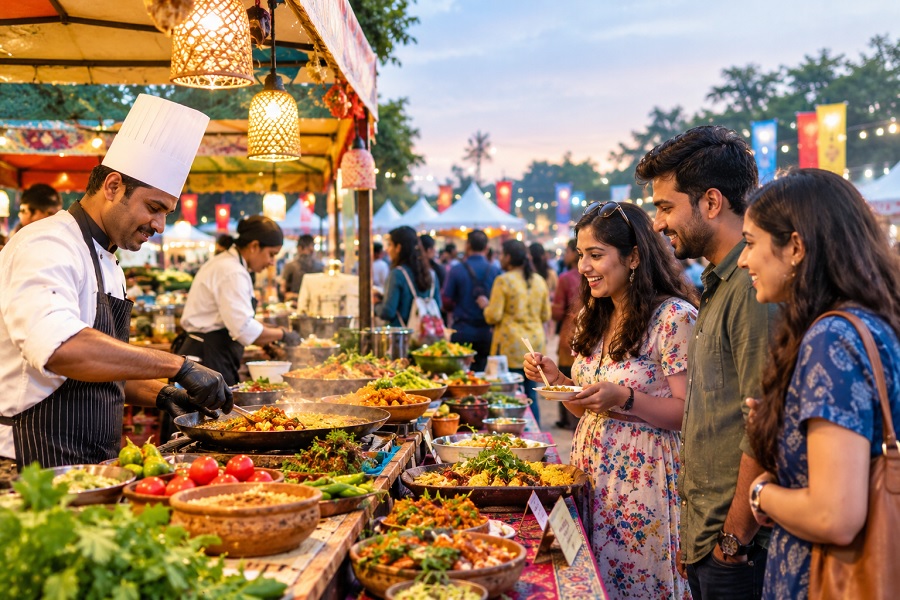
Explore festival food markets: Look for regional beverage stalls and special festive menus.
Check fasting requirements: Confirm whether ingredients such as yogurt, particular sweeteners, spices, or packaged flavourings suit your personal practices.
Try regional variations: Compare traditional drinks with modern fruit-based mocktails.
Support local businesses: Consider visiting independent beverage shops and local food producers.
Plan around celebrations: Check local festival schedules and venue timings before visiting popular Garba events or food markets.
Choose seasonal ingredients: Enjoy fruit varieties that are fresh and readily available in the region.
Emerging Trends in Navratri Beverage Tourism
Navratri beverage tourism is creating opportunities for restaurants and hospitality businesses to introduce creative, seasonal, and visually appealing drinks. Fruit-based mocktails, traditional Indian milk beverages, regional ingredients, and customised non-alcoholic menus can appeal to a wide range of visitors.
Other areas of interest include reduced-sugar beverages, locally sourced ingredients, reusable serving materials, and improved food-waste management. Digital menus and online food discovery platforms can also help travelers identify festive dining options.
The long-term appeal of this tourism segment will depend on maintaining authentic flavours, providing safe and hygienic service, and respecting regional traditions and individual fasting practices.
Conclusion
Navratri beverage tourism offers a refreshing way to experience India's festive culture through fruit juices, traditional milk drinks, lassi, coconut water, and creative non-alcoholic mocktails. From the energetic Garba celebrations of Gujarat to the diverse culinary scenes of Mumbai, Delhi, and Jaipur, travelers can discover beverages that reflect local flavours and hospitality.
By exploring regional drinks, supporting local businesses, and choosing hygienically prepared refreshments, visitors can make their Navratri journeys more enjoyable. Combining traditional recipes with thoughtful innovation also creates opportunities for restaurants, cafes, and tourism businesses to celebrate India's rich beverage heritage.