. Best Places for Food Photography and Culinary Adventures Across India
Best Food Photography Destinations for Culinary Travellers
Introduction
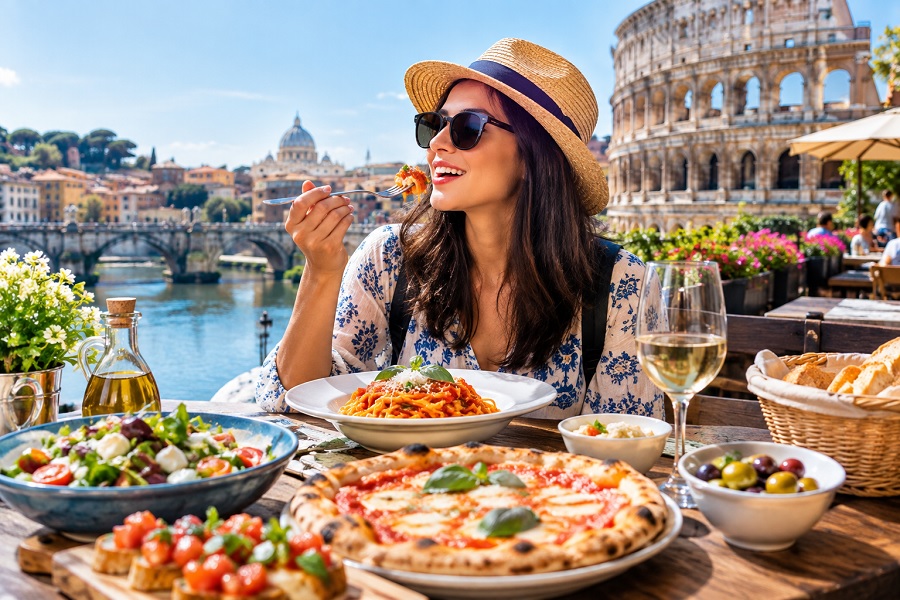
Food photography has become an exciting part of modern travel, allowing culinary travellers to capture the colours, textures, presentation, and cultural stories behind regional dishes. From colourful street food stalls and traditional Indian thalis to beautifully presented desserts and fresh local produce, every destination offers unique opportunities for memorable food photographs.
India is an especially rewarding destination for culinary photography because its food culture varies widely across regions. Delhi offers vibrant street food scenes, Mumbai showcases the energy of local snack stalls, Kolkata is known for its sweets, and Kerala offers scenic settings for traditional meals and coastal cuisine. These destinations combine delicious food with distinctive surroundings, making them attractive to food bloggers, travel photographers, content creators, and food enthusiasts.
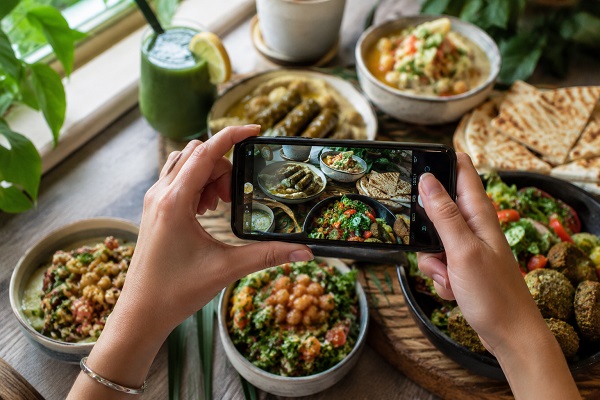
Whether you use a professional camera or a smartphone, a culinary photography trip can help you discover local traditions, meet food makers, explore regional markets, and tell visual stories about the places you visit.
Why Food Photography Is Important in Culinary Tourism
Food photography helps travellers preserve memories of local dishes while sharing the culinary identity of a destination with a wider audience. A photograph can highlight not only the appearance of a meal but also its ingredients, preparation methods, cultural significance, and connection to local communities.
The main benefits of food photography tourism include:
Cultural discovery: Capture traditional dishes and regional cooking techniques.
Travel storytelling: Document food markets, restaurants, cafés, and local kitchens.
Content creation: Produce photographs for travel blogs, websites, and social media.
Support for local businesses: Help showcase independent cafés, restaurants, and food producers.
Culinary education: Learn about local ingredients, recipes, and food traditions.
Creative development: Experiment with natural light, composition, colours, and food styling.
Best Food Photography Destinations in India
1. Delhi – Colourful Street Food Photography
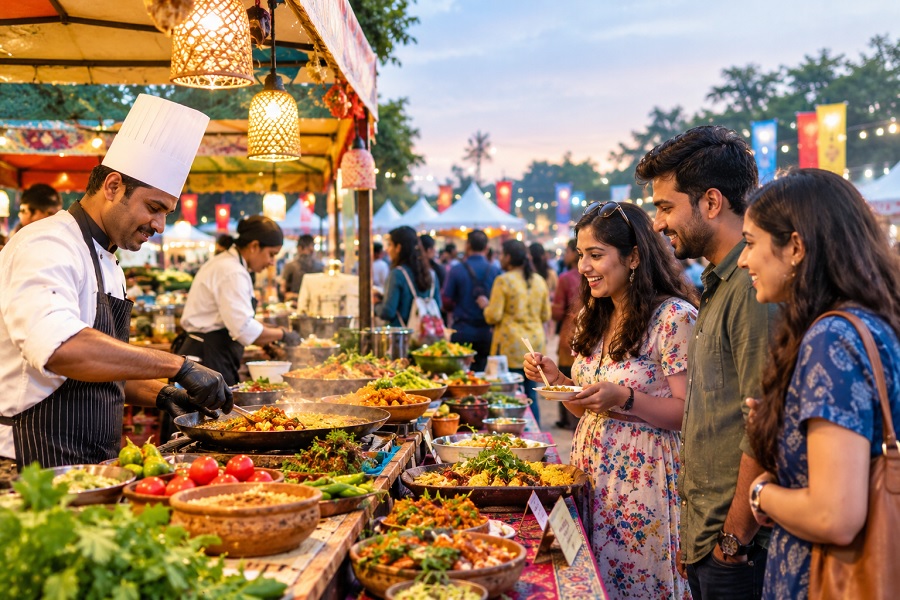
Delhi is an excellent destination for photographing India's diverse street food culture. The historic lanes of Old Delhi, bustling markets, traditional sweet shops, and busy food stalls provide opportunities to capture food preparation and everyday culinary life.
Popular subjects include chaat, stuffed parathas, jalebi, kebabs, and traditional sweets. The contrast between colourful ingredients, cooking utensils, busy streets, and freshly prepared dishes creates dynamic photographs.
Photography tip: Visit food markets during daylight or early evening when natural light and market activity can create interesting compositions. Always ask permission before photographing vendors or customers closely.
2. Mumbai – Street Food and Café Photography
Mumbai offers a distinctive culinary atmosphere, from local snack stalls to heritage cafés and contemporary restaurants. Its fast-paced street life creates opportunities for action shots showing food being prepared, served, and enjoyed.
Vada pav, pav bhaji, bhel puri, sandwiches, and regional Maharashtrian snacks are popular photographic subjects. Cafés and traditional eateries also provide opportunities to capture table settings, interiors, and plated dishes.
Photography tip: Use close-up shots to highlight the textures of crispy snacks, chutneys, bread, and fresh garnishes. Keep your camera protected in crowded areas.
3. Kolkata – Traditional Sweets and Bengali Cuisine
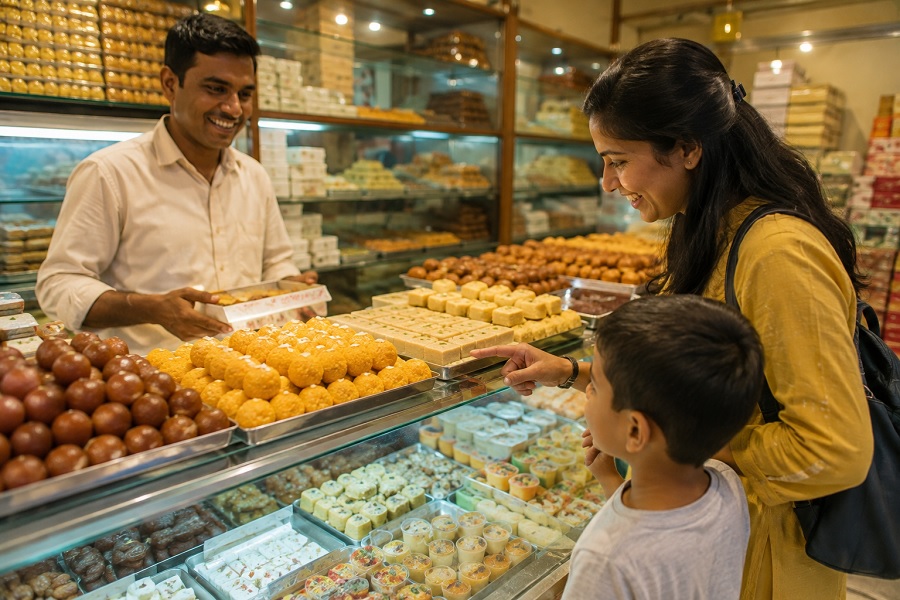
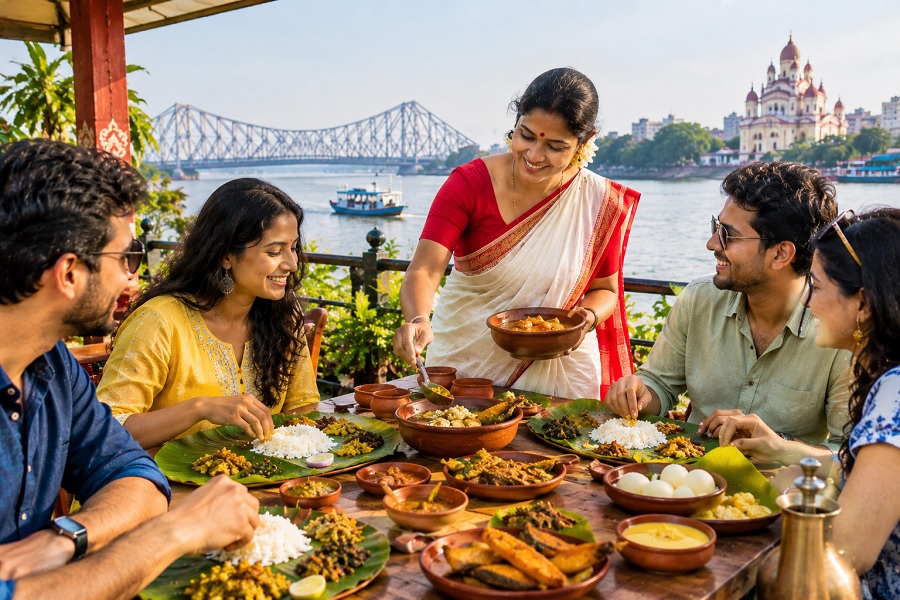
Kolkata is particularly appealing to photographers interested in sweets, traditional food shops, and regional culinary heritage. Rasgulla, sandesh, mishti doi, kathi rolls, and Bengali thalis provide a variety of colours and textures.
Traditional sweet shops can offer interesting photographs of handcrafted desserts, display counters, and food preparation. The city's markets and older neighbourhoods also provide a cultural backdrop for culinary storytelling.
Photography tip: Photograph sweets against simple backgrounds so their shapes, textures, and colours remain the focus.
4. Jaipur – Royal Cuisine and Traditional Dining
Jaipur combines Rajasthan's culinary traditions with colourful markets, heritage architecture, and traditional hospitality. The city is an appealing destination for photographing dal baati churma, ghewar, kachori, traditional thalis, and festive sweets.
Heritage restaurants and traditional dining spaces can add cultural context to food photographs. Local markets also provide opportunities to document ingredients, spices, and regional cooking traditions.
Photography tip: Use warm natural light to highlight the golden colours of baked breads, sweets, and traditional dishes.
5. Hyderabad – Biryani and Culinary Heritage
Hyderabad is widely associated with its biryani and rich Deccan culinary traditions. Food photographers can explore traditional restaurants, local bakeries, markets, and sweet shops to capture the preparation and presentation of regional specialities.
Photographs can focus on the layers of rice, aromatic spices, garnishes, and serving traditions. Other subjects include haleem when available, kebabs, and regional desserts.
Photography tip: Take one overhead photograph to show the arrangement of the dish and another close-up to highlight its texture and ingredients.
6. Amritsar – Punjabi Food and Traditional Kitchens
Amritsar offers vibrant food photography opportunities through its traditional Punjabi cuisine and community dining culture. Popular subjects include kulcha, chole, lassi, parathas, and traditional sweets.
Food markets, tandoor preparation, and community kitchens can provide powerful visual stories about hospitality and local traditions. Visitors should follow the rules of religious sites and seek permission where photography restrictions apply.
Photography tip: Capture the steam, freshly baked bread, and food preparation process from a safe distance without interrupting the cooks.
7. Chennai – South Indian Breakfast Photography
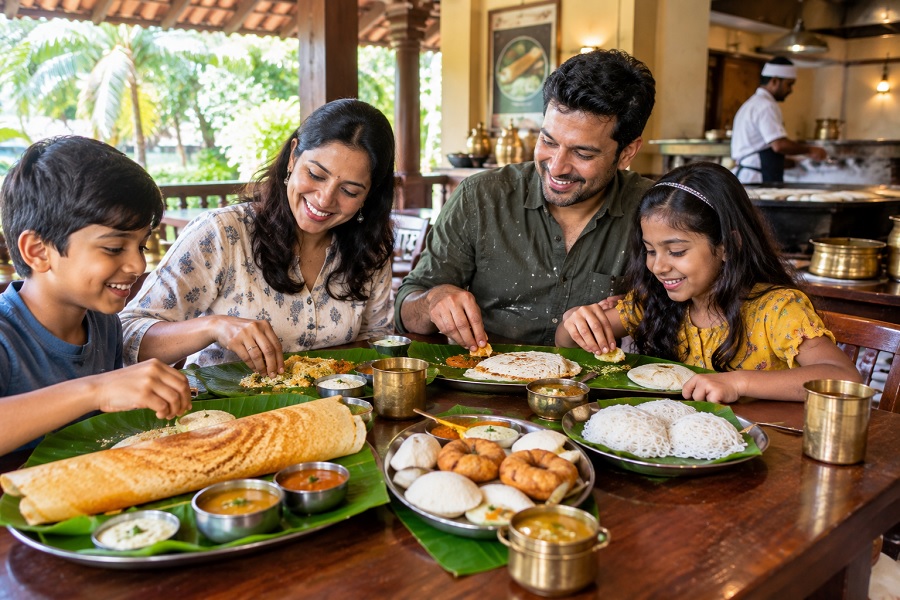
Chennai is an excellent destination for photographing traditional South Indian breakfast dishes and regional meals. Idli, dosa, uttapam, pongal, sambar, chutneys, and filter coffee offer appealing shapes, textures, and contrasting colours.
Traditional eateries provide opportunities to document food preparation, serving techniques, and everyday dining culture.
Photography tip: Use a slightly elevated angle to show the full arrangement of a breakfast plate, including chutneys and accompaniments.
8. Kerala – Coastal Cuisine and Scenic Food Photography
Kerala offers a combination of traditional cuisine and beautiful natural settings. Backwaters, green landscapes, coconut groves, and local markets can provide attractive backgrounds for food photographs.
Photographic subjects include appam, puttu, kadala curry, Kerala sadya, banana chips, and traditional seafood dishes. Vegetarian travellers can also find a wide range of plant-based regional meals.
Photography tip: Use natural window light and uncluttered backgrounds to photograph traditional meals. Avoid placing equipment where it could disturb other diners.
9. Lucknow – Awadhi Cuisine and Elegant Food Presentation
Lucknow is known for its Awadhi culinary heritage and traditional dining culture. Its food scene offers opportunities to photograph biryani, kebabs, breads, kormas, and traditional sweets.
Food photographers can focus on careful plating, slow-cooking traditions, spice arrangements, and the visual details of traditional serving dishes.
Photography tip: Use close framing and soft lighting to highlight the textures and presentation of each dish.
10. Goa – Coastal Food and Café Photography
Goa combines coastal scenery, colourful neighbourhoods, local markets, and a diverse food culture. Traditional Goan fish curry, vegetarian preparations, bebinca, local bakery products, and fresh tropical fruits offer plenty of photographic subjects.
The region's cafés and heritage neighbourhoods can also provide visually interesting settings for food and lifestyle photography.
Photography tip: Photograph outdoor meals in open shade to avoid harsh sunlight and strong shadows. Ask restaurant staff before moving dishes or rearranging tables for a photograph.
Best Food Markets for Culinary Photography
Food markets are excellent places to observe regional ingredients, traditional preparation methods, and everyday culinary life.
Some worthwhile experiences include:
Old Delhi markets: Photograph colourful spices, snacks, sweets, and traditional food preparation.
Mumbai's local food neighbourhoods: Capture the energy of snack stalls and freshly prepared dishes.
Kolkata's traditional sweet shops: Focus on handmade sweets and display arrangements.
Jaipur's bazaars: Explore regional snacks, spices, and traditional ingredients.
Kochi's local markets: Document seafood, fresh produce, and coastal culinary traditions.
Chennai's food markets: Photograph vegetables, spices, flowers, and traditional ingredients.
Market conditions vary throughout the day, so check opening hours and visit when vendors are actively preparing or displaying food.
Essential Food Photography Tips for Travellers
1. Use Natural Light
Natural light often makes food look more appealing. Position the dish near a window or choose a shaded outdoor table. Direct midday sunlight can create harsh shadows, so softer light is often easier to work with.
2. Choose the Right Camera Angle
Different foods benefit from different perspectives:
Overhead view: Best for thalis, flat dishes, and multiple plates.
45-degree angle: Useful for most plated meals and table settings.
Eye-level view: Ideal for layered desserts, drinks, burgers, and tall food presentations.
Close-up view: Helps show texture, garnish, and small culinary details.
3. Focus on Colours and Textures
Indian cuisine offers a wide range of colours through spices, vegetables, chutneys, breads, sweets, and garnishes. Keep the composition simple enough that the main dish remains the centre of attention.
4. Capture Food Preparation
Photographs of dough being rolled, bread being baked, spices being ground, or sweets being shaped can tell a stronger story than a finished dish alone. Ask permission before photographing people at work.
5. Keep the Background Simple
Busy restaurant tables can distract from the food. Look for clean surfaces, neutral backgrounds, or attractive traditional tableware that complements the dish.
6. Photograph Food Freshly Served
Some dishes look their best immediately after preparation. Take a quick establishing photograph first, then capture close-ups before the food cools or its presentation changes.
7. Respect Local Culture
Ask before photographing vendors, cooks, customers, or private kitchens. Follow any restrictions in religious places, food production facilities, and organised food tours.
8. Edit Photographs Naturally
Adjust brightness, contrast, and white balance carefully. Avoid excessive saturation or filters that make the food look different from its real appearance.
Best Time to Plan a Food Photography Trip
The best time depends on the destination, weather, market schedules, and seasonal ingredients. In many parts of India, October to March can offer comfortable conditions for outdoor food walks, although local climates vary.
Food festivals and harvest seasons can provide special photography opportunities, while monsoon months may bring seasonal produce and distinctive regional dishes. Before travelling, check local event dates, restaurant timings, weather conditions, and any photography restrictions.
How Food Photography Supports Local Tourism
Food photography can help travellers appreciate the connection between local cuisine, geography, agriculture, and cultural identity. A photograph of a traditional dish can introduce audiences to regional ingredients, cooking techniques, and the people who preserve culinary traditions.
Responsible food photography also creates opportunities to support small restaurants, family-run eateries, local markets, and independent food producers. Travellers can contribute positively by purchasing from local businesses, crediting creators when appropriate, and sharing accurate information about the dishes they photograph.
Conclusion
India offers outstanding opportunities for culinary travellers who want to combine food discovery with photography. From the street food stalls of Delhi and Mumbai to Kolkata's sweet shops, Jaipur's traditional cuisine, and Kerala's scenic dining experiences, each destination offers a different visual story.
By choosing suitable locations, understanding local food traditions, using natural light, and respecting the people behind the dishes, travellers can create photographs that capture more than appearance. They can preserve the atmosphere, craftsmanship, and cultural significance of the food itself.
A well-planned food photography trip can become a memorable journey of discovery, creativity, and appreciation for India's diverse culinary heritage.