Taste the World: Top International Food Tourism Experiences for 2026
International Food Tourism Experiences
International food tourism is becoming an exciting way to explore the world through local cuisine, markets, traditional cooking methods and regional food culture. Instead of visiting a destination only for famous landmarks, travelers can build an entire journey around the foods, ingredients and culinary traditions that make each place unique.
In 2026, food-focused travel continues to connect tourism with authentic local experiences, cultural discovery and community-based businesses. Travelers can explore everything from street-food neighborhoods and traditional markets to cooking classes, farm visits and regional food festivals.
What Is International Food Tourism?
International food tourism involves traveling to another country or region specifically to experience its food and culinary culture.
It can include:
Local food tours
Street-food experiences
Traditional cooking classes
Food markets
Farm visits
Culinary festivals
Regional restaurants
Food museums
Coffee and tea experiences
Wine and beverage tourism
Traditional bakeries
Farm-to-table dining
Food becomes more than something to eat. It becomes a way to understand a destination's history, geography, traditions and everyday lifestyle.
Why Food Tourism Is Popular
Food provides travelers with a direct connection to local culture. A traditional dish can reveal information about local ingredients, climate, farming practices and historical influences.
For solo travelers, couples, families and groups, culinary experiences can also provide opportunities to interact with local residents and learn about regional traditions.
Food-focused travel can range from an informal visit to a neighborhood market to a carefully planned multi-day culinary itinerary.
Best International Food Tourism Experiences
1. Explore Traditional Food Markets
Local markets are excellent starting points for discovering a destination's culinary identity. Travelers can explore fresh produce, spices, baked goods, regional specialties and locally prepared foods.
Markets also provide an opportunity to observe everyday life and interact with small vendors.
2. Join a Local Cooking Class
A cooking class can transform a meal into a hands-on cultural experience. Travelers can learn how traditional dishes are prepared and understand the ingredients and techniques used by local cooks.
Choose classes that work with local instructors and small businesses whenever possible.
3. Discover Street Food
Street food is an important part of food culture in many destinations. Busy food streets and local markets can offer regional snacks and affordable meals.
Travelers should consider hygiene, food-handling practices and local recommendations when choosing street-food vendors.
4. Visit Farms and Food Producers
Farm visits allow travelers to understand where local ingredients come from. Depending on the destination, experiences may include fruit farms, vegetable gardens, tea plantations, coffee estates or traditional food-production facilities.
These experiences can be particularly interesting for travelers interested in sustainable agriculture and local food systems.
5. Experience Food Festivals
Food festivals bring together local dishes, producers, chefs and cultural performances. Planning an international trip around a food festival can provide a concentrated introduction to regional cuisine.
Before traveling, check official festival dates because schedules can change from year to year.
Popular International Food Tourism Destinations
Different destinations offer different culinary experiences.
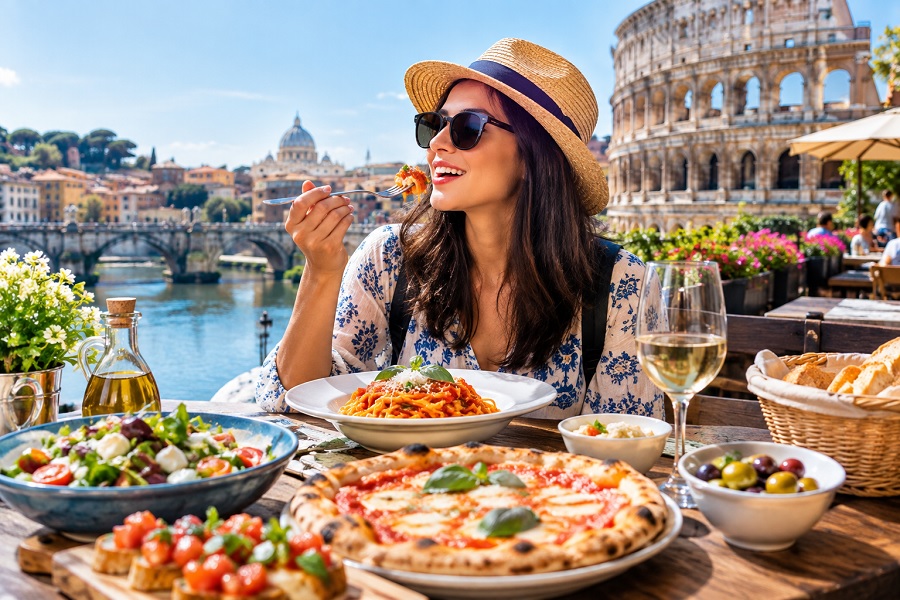
Italy: Known for regional pasta, pizza, cheeses, breads and traditional cooking.
Japan: Offers experiences ranging from sushi and ramen to regional markets, tea culture and traditional cuisine.
Thailand: Famous for vibrant street food, curries, noodles and fresh tropical ingredients.
France: Popular for regional cuisine, bakeries, cheeses, pastries and culinary traditions.
Spain: Offers tapas, regional dishes, food markets and culinary festivals.
Mexico: Provides a diverse food culture featuring regional dishes, traditional markets, tortillas and distinctive spices.
Turkey: Known for its breakfast culture, breads, kebabs, desserts and regional specialties.
Singapore: Combines multiple Asian culinary traditions through hawker centers and diverse food neighborhoods.
South Korea: Offers traditional markets, Korean barbecue, fermented foods, noodles and contemporary food experiences.
Vietnam: Popular for dishes such as pho, banh mi and fresh regional cuisine.
Vegetarian Food Tourism
International food tourism can also be planned around vegetarian cuisine. Travelers can explore destinations where plant-based dishes form an important part of traditional food culture.
Before traveling, learn the local words for vegetarian, eggs, dairy and common ingredients that you may need to avoid.
When eating at restaurants, clearly communicate dietary requirements and ask about preparation methods.
Sustainable Food Tourism
Food tourism can support local communities when travelers choose locally owned restaurants, markets, farms and food producers.
Sustainable food tourism can include:
Eating seasonal ingredients
Supporting local farmers
Choosing locally owned restaurants
Reducing food waste
Carrying reusable food containers where practical
Avoiding unnecessary packaging
Learning about traditional food production
Purchasing directly from local producers
Travelers can also look for food experiences that demonstrate clear connections with local communities rather than experiences that simply market themselves as "authentic."
Food Markets and Cultural Discovery
A food market can provide much more than shopping. It can introduce travelers to regional ingredients, traditional cooking techniques and local eating habits.
Spend time observing how vendors prepare food, ask respectful questions and try unfamiliar ingredients when appropriate.
For photographers, markets can also provide interesting opportunities to capture colors, textures and everyday scenes, but permission should be requested before photographing people.
Planning an International Food Trip
A successful culinary vacation starts with research.
Before the Trip
Research regional dishes.
Check restaurant and market opening hours.
Research local food customs.
Identify dietary requirements.
Learn basic food-related phrases.
Check seasonal specialties.
Reserve popular cooking classes in advance.
Research transportation between food destinations.
During the Trip
Avoid planning every meal around tourist-famous restaurants. Include neighborhood markets, family-run restaurants and locally recommended food experiences.
Keep your schedule flexible because discovering an unexpected local food spot can become one of the highlights of the journey.
Food Safety Tips for International Travelers
Food safety is important when traveling internationally.
Travelers should:
Drink safe water.
Wash hands before eating.
Be cautious with unfamiliar raw foods.
Choose busy food stalls with good turnover.
Check that cooked foods are properly heated.
Store perishable foods appropriately.
Consider individual dietary and allergy requirements.
People with serious food allergies should carry appropriate medical information and communicate their allergies clearly to restaurants and food providers.
Supporting Local Communities Through Food Tourism
Choosing local businesses can help keep tourism spending within the destination. Eating at locally owned restaurants, purchasing from food producers and joining community-led experiences can connect travelers directly with local economies.
The UN Tourism framework also recognizes gastronomy tourism as an important part of destination development and cultural experiences.
How to Make Food Tourism More Meaningful
Instead of simply checking famous dishes off a list, learn the story behind the food.
Ask:
Where did this dish originate?
Which ingredients are traditionally used?
Is the recipe seasonal?
How is it prepared?
What occasions is it associated with?
Who traditionally prepares it?
How has the dish changed over time?
These questions can turn an ordinary meal into a deeper cultural experience.
Conclusion
International Food Tourism Experiences offer travelers an enjoyable way to discover destinations through their flavors, ingredients and culinary traditions. From street-food tours and traditional markets to cooking classes, farm visits and food festivals, there are countless ways to make food an important part of an international journey.
In 2026, travelers can combine culinary exploration with responsible tourism by supporting local businesses, respecting food traditions, reducing waste and choosing experiences that create meaningful connections with local communities.