Global Festival Tourism: Exploring Seasonal Cultural Celebrations Around the World
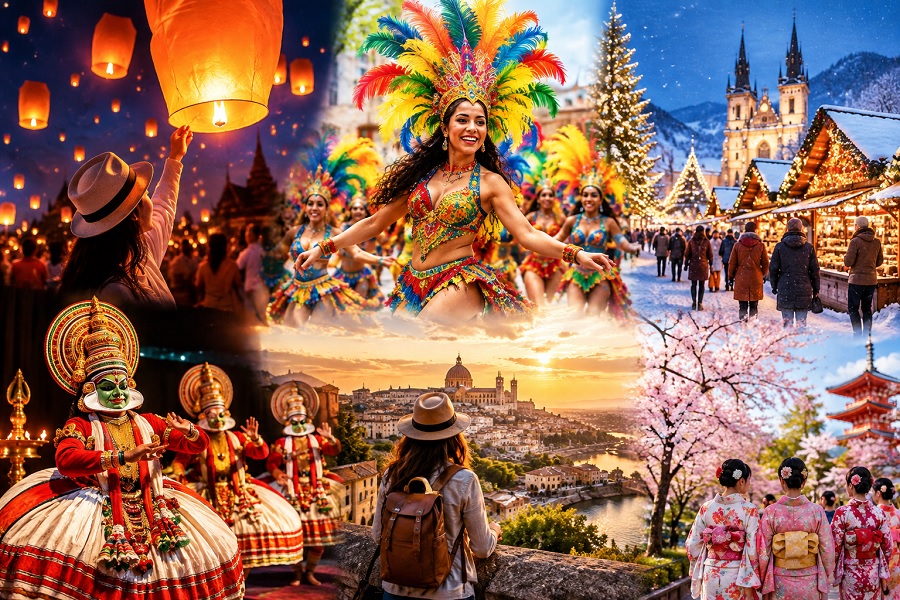
International Festival Tourism and Seasonal Cultural Events
Introduction
International festival tourism is a growing form of cultural travel that allows visitors to experience destinations through their traditional celebrations, seasonal events, music, dance, food, crafts, rituals and community gatherings. Instead of visiting a destination only for sightseeing, travelers can plan their trips around festivals that reveal the history and everyday cultural identity of a place.
UNESCO describes festive events as practices closely connected with community identity, history, seasonal cycles and shared traditions. These celebrations can range from intimate local gatherings to large public festivals.
Festival tourism can also contribute to local tourism economies by attracting visitors who spend on accommodation, transportation, restaurants, shopping, entertainment and local experiences. Research on festival tourism identifies festivals as an important part of cultural tourism and international tourism development.
What Is International Festival Tourism?
International festival tourism refers to traveling to another country or region specifically to experience a cultural, artistic, religious, seasonal, culinary or traditional festival. The festival itself becomes an important part of the travel experience.
Popular categories include:
Traditional and cultural festivals
Seasonal celebrations
Music and performing arts festivals
Food and culinary festivals
Harvest celebrations
Flower festivals
Religious and spiritual events
Traditional dance and folklore festivals
Film and arts festivals
Craft and handicraft fairs
New Year and spring celebrations
Winter and snow festivals
Seasonal Cultural Events Around the World
Seasonality gives festival tourism an additional attraction because visitors can experience a destination at a particular time of year when its cultural calendar comes alive.
Spring: Spring festivals often feature flowers, traditional ceremonies, outdoor performances and community celebrations.
Summer: Summer is associated with open-air concerts, cultural fairs, traditional dances, food events and local celebrations.
Autumn: Harvest festivals and food-related celebrations provide opportunities to explore regional agriculture, cuisine and traditional customs.
Winter: Winter festivals can include illuminated streets, Christmas markets, snow activities, traditional performances and New Year celebrations.
UNESCO notes that festive practices can be connected with seasonal changes, agricultural calendars and important stages in community life.
Why Travelers Choose Festival Tourism
Festival travel can provide a more immersive experience than conventional sightseeing. Visitors can observe traditional clothing, listen to regional music, taste local dishes, watch performances and interact with artisans and residents.
A festival may also encourage travelers to explore places beyond major tourist attractions. Small towns and regional destinations can become interesting travel choices when they host distinctive cultural events.
UNESCO identifies cultural tourism as an important tourism market and notes that cultural assets can help destinations develop distinctive visitor experiences.
Food and Culinary Experiences
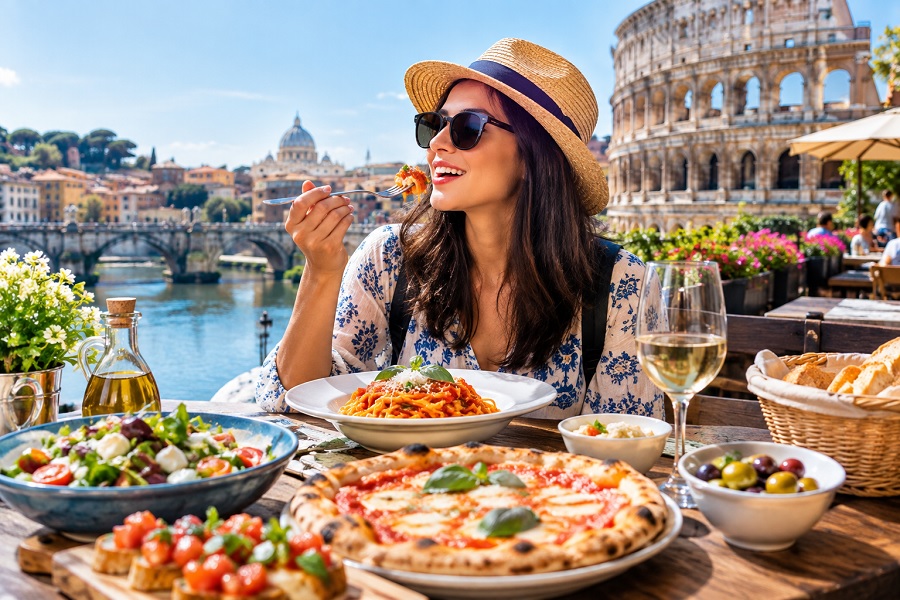
Food is often one of the strongest connections between festivals and tourism. Seasonal events may feature traditional sweets, regional dishes, street food, cooking demonstrations and local ingredients.
For travelers, these experiences provide an opportunity to understand how geography, agriculture, history and cultural traditions influence local cuisine.
Food festivals can also support small restaurants, food producers, farmers, bakers, artisans and local vendors.
Music, Dance and Traditional Performances
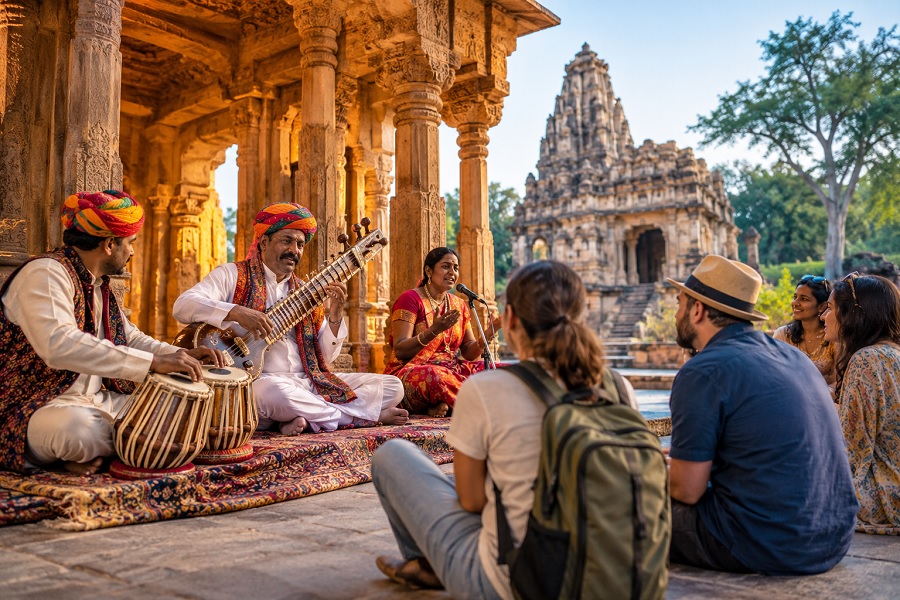
Live performances add another dimension to festival tourism. Traditional music, folk dances, theatrical performances, parades and storytelling can introduce visitors to cultural expressions that may not be visible during an ordinary sightseeing trip.
International festivals can also encourage cultural exchange by bringing together performers, artists and visitors from different regions and countries.
Supporting Local Communities
Festival tourism can generate demand for hotels, guesthouses, restaurants, transport services, local guides, shops and cultural experiences. It can also create opportunities for artists and craftspeople.
A 2025 UNESCO report on arts and culture festivals in Southern Africa highlighted links between festivals, tourism, local economic activity, employment and opportunities for young people.
However, the benefits depend on how festivals are planned and managed. Local communities should remain important participants in decisions about their cultural events.
Responsible Festival Tourism
Large festivals can bring challenges such as crowding, waste, pressure on infrastructure and environmental impacts. UNESCO recommends considering the economic, social, cultural and environmental impacts when evaluating festivals.
Travelers can practice responsible festival tourism by:
Respecting local customs and dress codes.
Following photography restrictions.
Supporting local businesses and artisans.
Avoiding unnecessary plastic waste.
Using public transportation when practical.
Respecting religious and sacred spaces.
Following festival safety instructions.
Booking accommodation early for major events.
Learning basic information about local traditions before visiting.
Avoiding behavior that disrupts community celebrations.
Examples of Cultural Festival Tourism
Festival tourism can be found across many regions. India's cultural calendar includes events ranging from religious celebrations and traditional festivals to tourism and arts festivals. The official Incredible India tourism portal, for example, lists cultural events including the Yercaud Flower Festival and tourism-focused arts celebrations.
Internationally, UNESCO's intangible cultural heritage listings include festivals that combine music, dance, traditional clothing, food, processions and community participation. The Ch'utillos Festival in Potosí, Bolivia, is one example where cultural traditions and international participation intersect.
Planning an International Festival Trip
Travelers should research the official festival dates before booking flights and hotels because event schedules can change. It is also useful to check:
Festival location
Official dates and timings
Entry requirements
Local transportation
Accommodation availability
Weather conditions
Local customs
Photography rules
Crowd conditions
Local emergency information
For major festivals, travelers should consider arriving a day or two early so they have enough time to settle in and explore the surrounding destination.
Festival Tourism and Cultural Preservation
Tourism can create additional visibility and economic opportunities for traditional cultural practices, but festivals should not be treated only as tourist attractions. Many celebrations have deep cultural, spiritual or community meanings.
UNESCO emphasizes that living cultural traditions depend on the communities that practice and transmit them. Increased tourism can bring benefits but can also create pressures when visitor numbers become difficult to manage.
The most meaningful festival experiences therefore combine visitor participation with respect for the communities, traditions and places hosting the event.
Future of International Festival Tourism
Festival tourism is likely to remain an important part of cultural travel as travelers seek experiences connected to local traditions, seasonal events, food, music and community life.
Destinations can strengthen this form of tourism by improving transportation, accommodation, visitor information, accessibility, waste management and community participation. At the same time, festival organizers can use digital platforms to provide schedules, travel information and visitor guidance.
For travelers, international festival tourism offers a way to experience a destination through its living culture rather than simply viewing its landmarks. With responsible planning, seasonal cultural events can become memorable parts of international travel while supporting local cultural and tourism ecosystems.
Conclusion
International Festival Tourism and Seasonal Cultural Events bring together travel, culture, food, music, traditions and community experiences. From spring flower celebrations and summer cultural gatherings to autumn harvest festivals and winter celebrations, every season offers different opportunities to discover the character of a destination.
For travelers looking for meaningful international experiences, festival tourism can provide opportunities to participate respectfully in local celebrations, discover regional cuisine, meet artists and artisans, and understand cultural traditions in their original setting.