International Cultural Tourism and Heritage Experiences: Discover the World Through History and Tradition
International Cultural Tourism and Heritage Experiences
International cultural tourism has become an important part of modern travel as visitors increasingly look for meaningful experiences beyond traditional sightseeing. Travelers want to understand the history, traditions, architecture, food, art, music and everyday life of the destinations they visit.
Cultural and heritage tourism allows travelers to connect with the identity of a place while supporting local communities and heritage conservation. From historic cities and ancient monuments to traditional festivals, museums, crafts and local cuisine, cultural experiences can make international journeys more memorable and educational.
What Is International Cultural Tourism?
International cultural tourism involves traveling to another country to experience its history, traditions, arts, architecture, lifestyle and cultural heritage.
It can include visits to historical monuments, museums, archaeological sites, heritage neighborhoods, religious landmarks, cultural festivals, traditional markets and local communities.
Unlike sightseeing that focuses mainly on attractions, cultural tourism encourages visitors to understand the stories and traditions behind those attractions.
Growing Interest in Authentic Experiences
Modern travelers are increasingly interested in authentic and locally connected experiences. Instead of simply visiting famous landmarks, they may want to participate in cooking classes, traditional craft workshops, heritage walks, local festivals and community activities.
These experiences provide opportunities to learn directly from local people and develop a deeper understanding of the destination.
Historic Cities as Cultural Tourism Destinations
Historic cities are among the most important destinations for international cultural tourism. Cities with preserved architecture, monuments, old neighborhoods and traditional markets can provide travelers with immersive cultural experiences.
Walking through historic districts can allow visitors to discover architectural styles, public spaces, religious buildings and local traditions within a single journey.
UNESCO World Heritage and Cultural Travel
World Heritage sites are important attractions for cultural travelers. They can include ancient cities, monuments, archaeological sites, cultural landscapes and historic structures.
Visitors should follow site rules and responsible tourism practices to help protect these places for future generations.
Museums and Modern Cultural Experiences
Museums continue to play an important role in international cultural tourism. Traditional museums are increasingly complemented by interactive exhibitions, digital displays, multimedia storytelling and immersive experiences.
Technology can make historical information more accessible while helping younger travelers engage with cultural subjects.
Heritage Architecture and Tourism
Architecture can tell the story of a destination's past. Castles, temples, mosques, churches, palaces, historic homes, bridges and traditional villages can reveal information about local history and craftsmanship.
Architectural tourism allows travelers to explore how communities developed and how cultural influences shaped the built environment.
Traditional Festivals and International Travel
Festivals are powerful cultural tourism experiences because they bring together music, dance, food, costumes, rituals and community traditions.
International travelers can experience destinations during major cultural celebrations, but responsible participation is important. Visitors should respect local customs, photography restrictions and religious practices.
Culinary Heritage Tourism
Food is an important part of cultural identity. Travelers often explore destinations through regional dishes, traditional cooking methods, local ingredients and food markets.
Cooking classes, food walks, traditional restaurants and local markets can provide opportunities to understand the relationship between food, history and culture.
Traditional Arts and Crafts
Handicrafts can provide insight into a region's history and artistic traditions. Pottery, weaving, textiles, woodwork, metalwork, painting and other crafts are often connected to local communities.
Travelers can support cultural preservation by purchasing authentic products from local artisans and cooperatives rather than mass-produced imitations.
Music and Dance Tourism
Music and dance provide another way to experience cultural heritage. Traditional performances can introduce visitors to stories, beliefs and historical traditions.
Travelers can attend cultural performances, music festivals and local events while respecting the cultural context in which these traditions are practiced.
Indigenous and Community-Based Cultural Tourism
Community-based tourism can allow visitors to experience local cultures while creating economic opportunities for residents.
Indigenous communities may offer guided experiences, traditional food, craft demonstrations, storytelling and nature-based cultural activities. These experiences should be developed with community participation and respect for cultural ownership.
Religious and Spiritual Heritage
Religious landmarks and spiritual traditions attract cultural travelers around the world. Temples, churches, mosques, monasteries, shrines and pilgrimage routes can provide important insights into history and cultural practices.
Visitors should learn basic etiquette before entering religious or sacred spaces and follow local rules regarding clothing, photography and behavior.
Heritage Walks and Storytelling
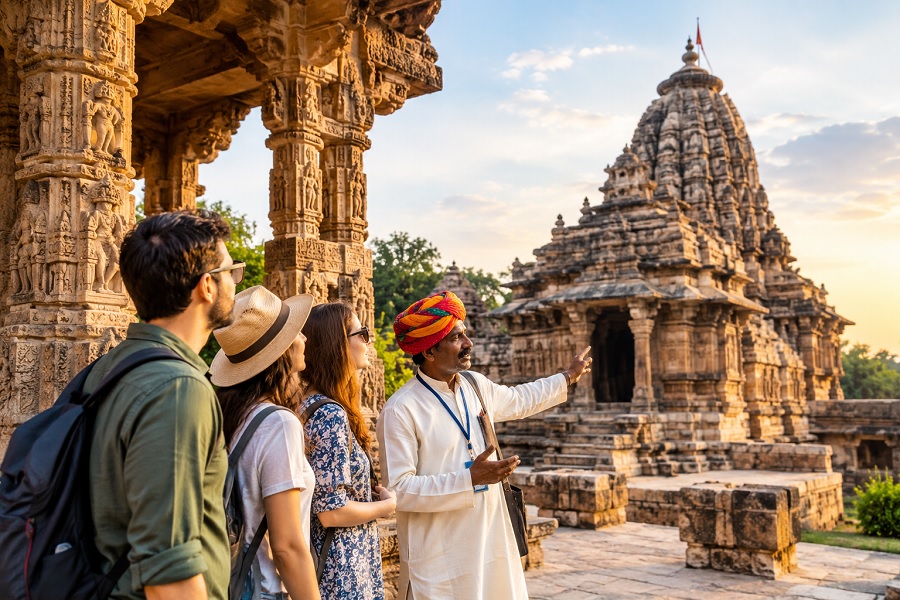
Heritage walks are an effective way to explore cultural destinations. Local guides can explain the history of buildings, streets, communities and traditions.
Storytelling can make historical information more engaging because travelers learn about people and events rather than seeing monuments only as physical structures.
Rural Cultural Tourism
Cultural tourism is not limited to major cities. Villages and rural regions can offer authentic experiences involving agriculture, traditional homes, local food, crafts and community festivals.
Rural tourism can also distribute tourism income beyond major tourist centers and create additional opportunities for local businesses.
Sustainable Cultural Tourism
Protecting cultural heritage is essential for the long-term future of tourism. Large visitor numbers can place pressure on historic sites, local resources and communities.
Sustainable cultural tourism can focus on responsible visitor management, heritage conservation, waste reduction, local employment and respect for community traditions.
Technology and Digital Cultural Tourism
Technology is changing the way travelers discover cultural heritage. Digital maps, virtual tours, audio guides, augmented reality and mobile applications can provide additional information about historic sites.
These tools can make cultural tourism more interactive while helping visitors navigate large heritage destinations.
AI-Powered Cultural Travel Planning
Artificial intelligence can help travelers create personalized cultural itineraries based on interests such as history, architecture, food, art or festivals.
AI-powered travel tools may also help travelers discover lesser-known cultural attractions. However, travelers should verify important information through reliable destination and heritage sources.
Cultural Tourism for Families
Cultural travel can be an educational experience for families. Museums, historic sites, interactive exhibitions, cultural workshops and food experiences can help children learn about different societies.
Family-friendly cultural tourism can combine education with enjoyable activities, making international travel more meaningful.
Cultural Tourism for Couples and Solo Travelers
Couples may enjoy heritage cities, cultural festivals, culinary experiences and traditional performances, while solo travelers can explore museums, local neighborhoods and guided cultural tours at their own pace.
Personal interests can determine the ideal cultural itinerary.
The Role of Local Communities
Local communities are at the heart of cultural tourism. Residents preserve traditions, crafts, food, stories, languages and cultural practices that attract visitors.
Tourism becomes more sustainable when local people participate in decision-making and receive fair economic benefits from tourism activities.
Responsible Cultural Tourism
Travelers can contribute to cultural preservation by:
Respecting local customs and traditions.
Following rules at heritage sites.
Avoiding damage to monuments and artifacts.
Supporting local artisans and businesses.
Asking permission before photographing people.
Dressing appropriately at religious sites.
Avoiding disrespectful behavior during cultural events.
Choosing locally operated experiences where possible.
Challenges in International Cultural Tourism
Cultural tourism can face challenges such as overcrowding, commercialization, damage to heritage sites, loss of traditional practices and unequal distribution of tourism income.
Destinations need effective visitor management and conservation strategies to balance tourism development with cultural preservation.
Future of International Cultural Tourism
The future of international cultural tourism is likely to focus on authenticity, personalization, sustainability and technology.
Travelers may increasingly move beyond famous landmarks and seek lesser-known cultural destinations, local experiences and community-based activities. Digital tools can make planning easier, while sustainable tourism practices can help protect cultural heritage.
The strongest cultural tourism experiences will likely be those that allow visitors to learn, participate and connect while respecting the people and places they encounter.
Conclusion
International cultural tourism offers travelers an opportunity to explore the world through history, traditions, art, architecture, food and local communities. It can transform an ordinary international trip into a deeper cultural experience.
As travelers become more interested in meaningful and authentic journeys, cultural and heritage tourism can continue to grow. Responsible travel, community participation, technology and heritage conservation will be essential to ensuring that tourism supports cultural diversity rather than weakening it.
The future of international cultural tourism lies in creating experiences that connect travelers with local heritage while protecting the cultural identity of destinations for future generations.