Global Culinary Adventures: Discovering Authentic Local Dishes, Food Traditions and Cultures
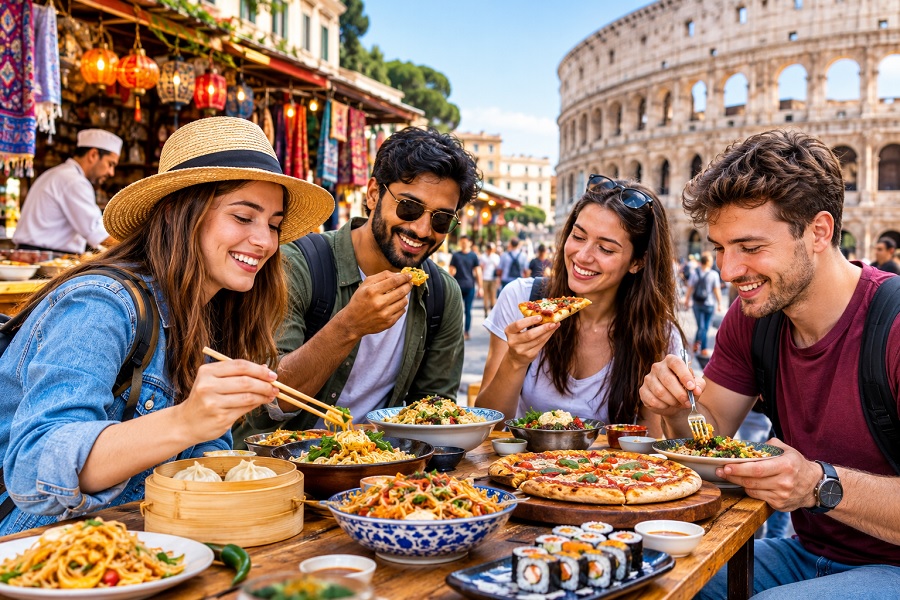
International Culinary Tourism: Discovering Authentic Food Cultures Around the World
Introduction
International culinary tourism is becoming an important part of the global travel experience. Instead of visiting destinations only for sightseeing, travellers are increasingly exploring countries through their traditional food, local ingredients, cooking methods and regional dining experiences. Food provides a meaningful connection to a destination's history, culture, traditions and lifestyle.
From Italian pasta and Japanese sushi to Indian regional cuisine, Thai street food and Mexican traditional dishes, every country offers unique culinary experiences. Travellers can discover local food markets, participate in cooking classes, visit traditional restaurants and experience food festivals to understand the authentic flavours of different cultures.
International culinary tourism also supports local farmers, chefs, restaurants, food producers and traditional communities. It creates opportunities for cultural exchange while helping preserve regional food traditions.
What Is International Culinary Tourism?
International culinary tourism refers to travelling to different countries to explore their traditional cuisines, local food cultures, cooking techniques and dining traditions. It includes tasting regional dishes, attending food festivals, visiting farms, exploring food markets and learning traditional recipes from local chefs.
This form of tourism allows visitors to understand how geography, climate, agriculture, history and cultural influences shape the food habits of different countries.
Popular International Culinary Tourism Destinations
1. Italy: Discovering Traditional Italian Cuisine
Italy is one of the world's most recognised culinary destinations. Its regional food traditions include pasta, pizza, risotto, fresh bread, cheese and traditional desserts.
Travellers can explore local food markets, enjoy regional cooking classes and discover traditional recipes in cities such as Rome, Naples, Florence and Bologna.
2. Japan: Exploring Authentic Japanese Food Culture
Japan offers a rich culinary heritage influenced by seasonal ingredients, presentation and traditional preparation methods.
Visitors can explore sushi, ramen, tempura, soba and regional specialities. Food markets, traditional restaurants and cooking workshops provide opportunities to understand Japanese culinary culture.
3. Thailand: Experiencing Traditional Thai Flavours
Thailand is famous for its combination of sweet, sour, salty and spicy flavours. Popular dishes include Pad Thai, Tom Yum soup, green curry and mango sticky rice.
Travellers can visit local food markets, explore traditional restaurants and participate in Thai cooking classes.
4. India: Exploring Regional Food Diversity
India offers an extraordinary range of culinary traditions influenced by regional ingredients, geography, history and cultural practices.
Travellers can discover Rajasthani thalis, Gujarati cuisine, Maharashtrian specialities, South Indian meals, Bengali sweets and traditional Punjabi dishes. Food trails and local cooking workshops provide opportunities to explore India's culinary diversity.
5. Mexico: Discovering Traditional Mexican Cuisine
Mexican cuisine is known for its rich flavours, traditional ingredients and regional cooking techniques. Popular dishes include tacos, tamales, enchiladas and mole.
Visitors can explore traditional markets, regional food festivals and cooking experiences to learn about Mexican food heritage.
6. France: Exploring French Gastronomy
France is internationally recognised for its culinary traditions, bakery culture, cheeses, regional dishes and fine dining experiences.
Travellers can discover French pastries, traditional breads, regional cheeses and local specialities while visiting Paris, Lyon, Bordeaux and Provence.
7. Turkey: Experiencing a Blend of Culinary Traditions
Turkish cuisine combines influences from different regions and historical cultures. Popular dishes include meze, pide, lentil soup, baklava and traditional grilled preparations.
Visitors can explore local bazaars, traditional restaurants and regional food experiences.
Popular Experiences in International Culinary Tourism
1. Traditional Cooking Classes
Cooking classes allow travellers to learn regional recipes directly from local chefs and home cooks. These experiences introduce visitors to traditional ingredients, preparation methods and food customs.
2. Local Food Market Tours
Food markets offer opportunities to discover fresh produce, spices, regional ingredients and traditional snacks. They also provide insight into the everyday food culture of local communities.
3. Street Food Experiences
Street food is an important part of many international food cultures. Travellers can discover affordable and authentic regional dishes while exploring local neighbourhoods.
4. Food Festivals
International food festivals celebrate regional cuisines, seasonal ingredients and traditional recipes. These events bring together local chefs, food producers and visitors.
5. Farm-to-Table Experiences
Farm-to-table tourism connects travellers with local agriculture and food production. Visitors can learn about farming practices, seasonal ingredients and traditional food preparation.
6. Traditional Restaurant Visits
Dining at locally owned restaurants helps visitors discover authentic regional dishes and traditional hospitality.
Benefits of International Culinary Tourism
Cultural Understanding: Food helps travellers understand the traditions, history and lifestyles of different communities.
Support for Local Businesses: Culinary tourism creates business opportunities for restaurants, food markets, farmers, chefs and local food producers.
Preservation of Food Heritage: Tourism can encourage communities to maintain traditional recipes, cooking methods and regional food knowledge.
Educational Experiences: Travellers can learn about local ingredients, food preparation, agriculture and culinary history.
Economic Development: Food-focused travel can support employment and encourage tourism growth in regional destinations.
Cultural Exchange: Sharing meals and cooking experiences creates opportunities for interaction between visitors and local communities.
Vegetarian and Sustainable Culinary Tourism
Vegetarian and sustainable food experiences are an important part of international culinary travel. Many destinations offer traditional plant-based dishes prepared using locally available vegetables, grains, pulses, herbs and spices.
Travellers interested in vegetarian food can explore:
Indian vegetarian thalis and regional vegetable dishes.
Italian vegetable-based pasta, risotto and traditional pizzas.
Japanese vegetable sushi, tofu dishes and seasonal preparations.
Thai vegetable curries and rice-based specialities.
Mediterranean salads, lentil dishes and vegetable-based meals.
Sustainable culinary tourism also encourages visitors to support local food producers, reduce food waste, choose seasonal ingredients and respect regional food traditions.
How to Plan an International Culinary Tourism Trip
Travellers can follow these suggestions when planning a food-focused international holiday:
Research the traditional cuisine of the destination.
Identify regional dishes and local food specialities.
Explore authentic restaurants and community food markets.
Book cooking classes conducted by experienced local chefs.
Check food ingredients and dietary requirements before dining.
Look for local food festivals and culinary events.
Support small restaurants, farmers and traditional food businesses.
Respect local dining customs and cultural practices.
Role of Technology in International Culinary Tourism
Technology is making it easier for travellers to discover international food experiences. Travel websites, food blogs, restaurant applications and digital maps help visitors identify popular food destinations and local restaurants.
Online cooking classes and food documentaries also allow people to explore international cuisines before travelling. Social media platforms help local chefs and food businesses reach global audiences.
Artificial intelligence is also creating opportunities for personalised food itineraries based on dietary preferences, regional interests and travel budgets.
Future of International Culinary Tourism
The future of international culinary tourism is expected to focus on authentic food experiences, sustainable dining, regional food heritage and personalised culinary journeys.
Travellers are showing interest in experiences that connect them directly with local communities. Traditional cooking workshops, regional food trails, farm visits and food heritage tours can become important attractions.
Technology, sustainable agriculture and community-based tourism may further support the growth of international culinary travel. Destinations that preserve authentic food traditions while offering responsible visitor experiences can attract travellers interested in discovering cultures through cuisine.
Conclusion
International culinary tourism offers travellers an exciting opportunity to discover the world through food. From traditional Italian cuisine and Japanese food culture to Indian regional specialities, Thai street food and Mexican dishes, every destination has unique flavours and culinary traditions to explore.
By visiting local markets, attending cooking workshops, enjoying traditional meals and supporting regional food businesses, tourists can experience a deeper connection with different cultures. International culinary tourism is more than tasting new dishes. It is a journey into the history, traditions and identities of communities around the world.