Stargazing Holidays Around the World: Discover Dark Skies, Astronomy and Night-Sky Experiences
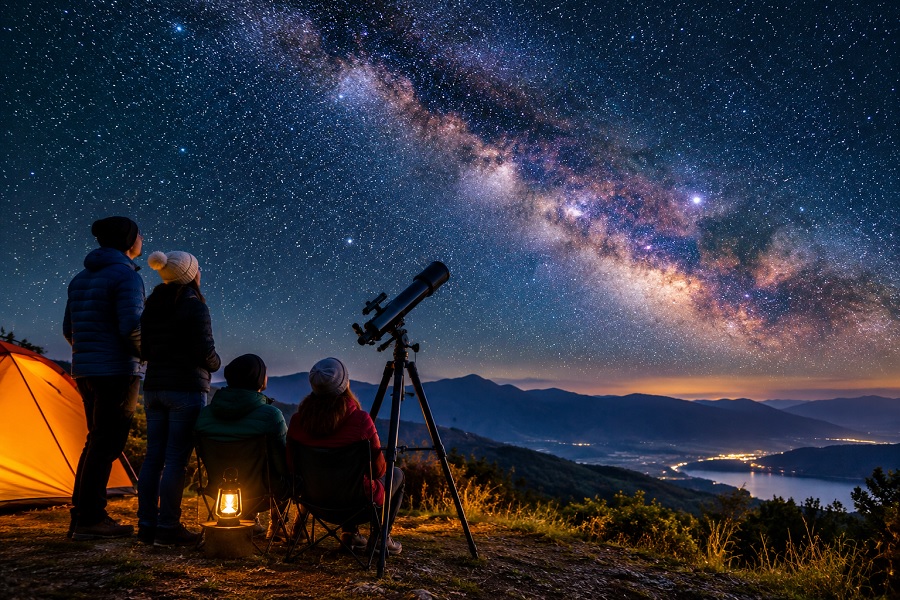
International Dark-Sky Tourism and Stargazing Holidays
International Dark-Sky Tourism is becoming an increasingly appealing form of nature-based travel for people looking to escape bright city lights and experience clear night skies. Stargazing holidays combine peaceful landscapes, astronomy, outdoor activities and unique accommodation to create a slower and more immersive travel experience.
From remote deserts and mountain regions to protected natural areas and island destinations, dark-sky locations offer travellers the opportunity to observe stars, planets, constellations and other night-sky phenomena in settings far away from urban light pollution.
What Is Dark-Sky Tourism?
Dark-Sky Tourism refers to travel focused on experiencing naturally dark night skies. These destinations are generally located away from major cities and areas with heavy artificial lighting.
Visitors may participate in stargazing sessions, astronomy tours, telescope observations, astrophotography and guided night walks. Some destinations also organise educational programmes that introduce visitors to astronomy and the cultural history of the night sky.
Why Stargazing Holidays Are Becoming Popular
Many travellers spend much of their lives surrounded by artificial light. A dark-sky holiday offers a chance to experience a quieter environment and spend time outdoors after sunset.
Stargazing can also be combined with hiking, camping, photography, wellness activities and nature exploration, making it suitable for different types of travellers.
Best Types of Destinations for Stargazing
Excellent stargazing destinations are usually located in areas with low light pollution, clear weather conditions and open views of the sky.
Deserts, high-altitude mountains, remote islands, countryside regions, forests and protected natural areas can all offer suitable conditions. Accommodation may range from campsites and lodges to eco-resorts, cabins and dedicated astronomy retreats.
Popular International Dark-Sky Experiences
Different destinations offer different ways to enjoy the night sky. Some provide professional telescopes and astronomy guides, while others focus on simple outdoor experiences under the stars.
Travellers can look for:
Guided stargazing sessions
Telescope observation nights
Astrophotography tours
Astronomy workshops
Night-sky photography classes
Outdoor camping under the stars
Guided night walks
Observatory visits
Moon and planet observation
Meteor-shower viewing experiences
Dark-Sky Tourism for Couples
Stargazing can be an attractive experience for couples searching for peaceful and memorable holidays. A night spent under a clear sky can be combined with scenic accommodation, outdoor dining, nature walks and other destination experiences.
Some properties also offer private viewing areas, observatory access or specially designed accommodation with panoramic sky views.
Family-Friendly Stargazing Holidays
Dark-sky travel can also be educational for families. Children can learn about planets, stars, constellations and space while enjoying outdoor activities.
Family trips can include astronomy workshops, science centres, observatories and guided night-sky programmes. Parents should consider weather, terrain, transport and suitable sleeping arrangements when planning such holidays.
Solo Travel and Dark-Sky Tourism
For solo travellers, dark-sky destinations can offer a peaceful escape from busy urban environments. Stargazing can be combined with hiking, photography, reading, camping and wellness activities.
Solo travellers should choose organised astronomy tours or reputable accommodation when visiting remote locations and should plan transportation carefully because many dark-sky areas are far from major towns.
Astrophotography and Night-Sky Travel
Astrophotography has become an important part of modern stargazing tourism. Travellers often visit dark-sky locations specifically to photograph the Milky Way, constellations, planets and night landscapes.
A camera, tripod and suitable low-light equipment can improve photography results. Beginners can also join photography workshops that explain night exposure, focus, framing and basic editing techniques.
Sustainable Dark-Sky Tourism
Protecting the night sky is an important part of responsible tourism. Excessive artificial lighting can affect natural ecosystems as well as the visibility of stars.
Dark-sky destinations can support sustainability by using responsible outdoor lighting, reducing unnecessary illumination and protecting natural landscapes. Travellers can contribute by respecting local rules and avoiding disruptive lighting during stargazing activities.
Planning an International Stargazing Holiday
Travellers should consider several practical factors before booking a dark-sky trip.
Check the destination's typical weather conditions and cloud cover, as clear skies are essential for stargazing. The lunar phase can also influence visibility, especially when travellers want to see faint stars and the Milky Way.
Accommodation should be selected based on accessibility, safety, nearby facilities and viewing conditions. Travellers visiting remote areas should also arrange reliable transportation and carry appropriate outdoor clothing.
When to Plan a Stargazing Trip
The best time for a stargazing holiday depends on the destination, season, weather and the type of celestial event travellers want to observe.
Dark or moonless nights can provide better conditions for viewing faint stars, while specific periods may offer opportunities to observe meteor showers or other astronomical events.
Travellers should check local astronomy calendars and weather forecasts before finalising their travel plans.
What to Pack for a Dark-Sky Holiday
Packing for night-sky travel requires some attention to comfort and weather.
Essential items may include warm layers, comfortable footwear, a flashlight with a red-light mode, drinking water, insect protection and a camera or binoculars.
A telescope is not always necessary because many destinations provide equipment through observatories or guided tours.
Dark-Sky Tourism and Local Communities
Dark-sky tourism can create opportunities for rural and remote communities by encouraging visitors to stay overnight and spend on accommodation, food, guides and local activities.
Well-managed tourism can help diversify local economies while encouraging protection of natural landscapes and night-sky conditions.
The Future of International Dark-Sky Tourism
The future of dark-sky travel is closely connected to growing interest in nature tourism, outdoor recreation, wellness and meaningful travel experiences.
As travellers look for alternatives to crowded urban attractions, remote locations with beautiful night skies can offer a distinctive holiday experience. The combination of astronomy, landscapes, photography and local culture can make dark-sky tourism an attractive part of international travel.
Conclusion
International Dark-Sky Tourism and Stargazing Holidays provide travellers with an opportunity to discover destinations from a completely different perspective. Instead of focusing only on daytime sightseeing, visitors can explore the beauty of the night sky through astronomy, photography, nature activities and peaceful outdoor experiences.
With thoughtful planning and responsible travel practices, a stargazing holiday can become a memorable way to connect with nature, learn about the universe and explore some of the world's quieter destinations.