Music Heritage Tourism: Explore Global Musical Traditions and Cultural Experiences
Music Heritage Tourism: Exploring the World Through Sound and Tradition
Music Heritage Tourism is a form of cultural tourism where travellers explore destinations through their musical traditions, historic performances, instruments, festivals, artists, and music-related cultural spaces. It allows visitors to understand a community's history and identity through the sounds and traditions that have been passed from one generation to another.
UNESCO recognizes music as an important part of intangible cultural heritage and notes that it can be connected with rituals, festivals, oral traditions, work, entertainment, and community history.
What Is Music Heritage Tourism?
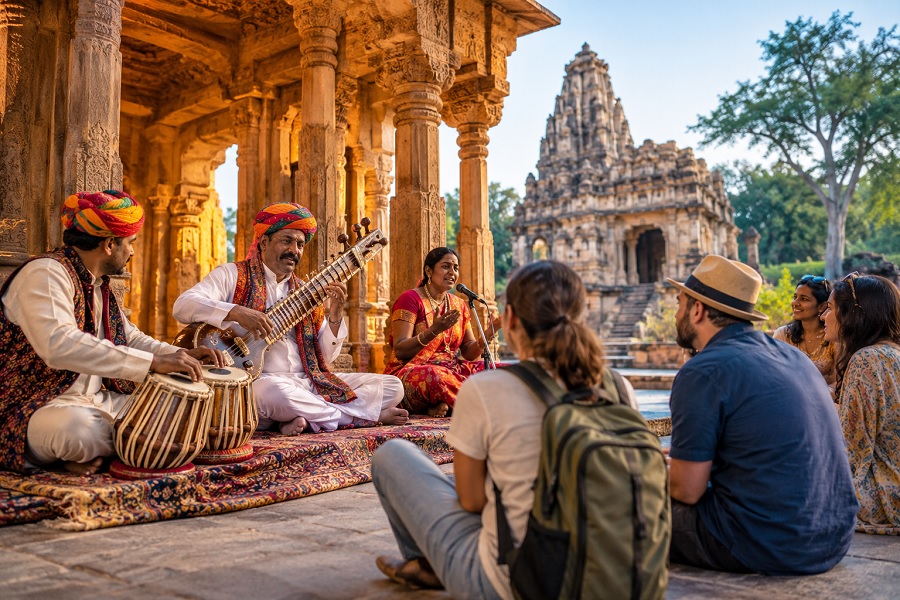
Music Heritage Tourism involves travelling to places where music plays an important role in local culture. The experience can include attending traditional performances, visiting music museums, exploring historic music venues, learning about traditional instruments, joining cultural festivals, and meeting local musicians.
Unlike ordinary entertainment-focused travel, music heritage tourism places greater emphasis on the cultural background and traditions behind the music.
Why Is Music Important to Tourism?
Music can provide travellers with a direct connection to local culture. A traditional song may tell stories about a community, while an instrument can represent centuries of craftsmanship and cultural knowledge.
UNESCO's heritage resources include numerous musical traditions from different regions, including Fado in Portugal, Shashmaqom in Central Asia, Mariachi in Mexico, Georgian polyphonic singing, and traditional music traditions from Asia, Africa, Europe, and the Americas.
This diversity makes music a powerful theme for international cultural travel.
Popular Music Heritage Tourism Experiences
1. Traditional Music Festivals
Music festivals can give visitors an opportunity to experience local performances, instruments, dance, food, and community celebrations in one place.
Travellers can plan trips around traditional and folk festivals while learning about the history and cultural meaning of the performances.
2. Historic Music Cities
Some cities have developed strong identities around particular musical traditions. Visitors can explore historic neighbourhoods, performance venues, museums, recording locations, and cultural centres associated with those traditions.
3. Music Museums
Music museums can showcase traditional instruments, costumes, manuscripts, recordings, photographs, and stories about musicians.
They are particularly useful for travellers who want to understand the historical development of a musical tradition.
4. Traditional Instrument Workshops
Instrument-making is itself an important cultural experience. Visitors may learn how traditional instruments are designed, constructed, decorated, and played.
UNESCO's heritage listings include traditions associated with instruments such as the Fujara flute, kamancha, dot?r, and other traditional musical instruments.
5. Live Cultural Performances
Attending a locally organized performance can provide an opportunity to experience music in its cultural setting rather than only through recordings or commercial shows.
International Examples of Music Heritage
Music heritage can be found across continents.
Portugal: Fado is recognized by UNESCO as an urban popular song tradition of Portugal.
Mexico: Mariachi, featuring strings, song, and trumpet, is part of UNESCO's Representative List of the Intangible Cultural Heritage of Humanity.
Uzbekistan and Tajikistan: Shashmaqom is a classical musical tradition that has evolved over more than ten centuries in Central Asia.
Georgia: Georgian polyphonic singing is another recognized musical heritage tradition.
Cuba: Rumba and Cuban Son represent important musical traditions included in UNESCO's heritage framework.
Argentina: Cuarteto, combining music, dance, and lyrics in Córdoba, was added to UNESCO's Representative List in 2025.
Music Heritage Tourism in India
India has a rich variety of classical, folk, devotional, and regional musical traditions. Travellers can explore music through classical concerts, folk festivals, cultural villages, traditional instrument workshops, heritage sites, and local celebrations.
UNESCO's intangible heritage listings include India's tradition of Vedic chanting and Garba of Gujarat, among other cultural practices involving music and performance.
Cities and regions associated with Hindustani and Carnatic music, folk traditions, devotional music, and traditional instruments can therefore become important destinations for music-focused cultural travel.
Music Festivals and Local Communities
Music tourism can also support local communities when visitors attend performances, purchase locally made instruments or crafts, stay at local accommodations, and participate in community-led experiences.
UNESCO currently has projects connecting cultural tourism with traditional music and local communities. One project in India's Rajasthan region aims to develop cultural tourism around music and craft traditions while creating opportunities for traditional artists and artisans.
A separate UNESCO project in Stone Town, Zanzibar, is supporting local artists and communities through cultural tourism experiences involving traditional Taarab music, heritage tours, cultural nights, and festivals.
Responsible Music Heritage Tourism
Music traditions belong to communities, so tourism should respect the people who maintain them.
Responsible travellers can:
Attend performances organized by local communities.
Support local musicians and artists.
Learn the cultural background of a musical tradition.
Follow photography and recording rules.
Purchase authentic local crafts when possible.
Avoid treating sacred or ceremonial music simply as entertainment.
Respect traditional performance spaces.
Choose community-led cultural experiences.
Avoid disrupting performances or rituals.
UNESCO also points out that tourism can have both positive and negative effects on traditional performing arts. Tourism can help generate income and revive traditions, but performances can also become simplified or altered to meet tourist expectations.
Benefits of Music Heritage Tourism
Music heritage tourism can provide several potential benefits:
Cultural exchange between visitors and communities
Greater visibility for traditional artists
Additional opportunities for local income
Preservation and transmission of musical knowledge
Support for festivals and cultural institutions
Greater interest in traditional instruments
Opportunities for younger generations to learn heritage traditions
More diverse cultural experiences for international travellers
How to Plan a Music Heritage Trip
Start by identifying the musical tradition or artist heritage you want to explore. Then research festivals, concerts, museums, cultural centres, historic venues, and community-led experiences.
Check event dates before booking flights and accommodation because many cultural festivals take place only once a year.
A good itinerary can combine music experiences with local food, architecture, museums, traditional crafts, and historical attractions.
The Future of Music Heritage Tourism
Music Heritage Tourism is likely to remain an important part of cultural travel because it connects visitors with living traditions rather than only physical monuments.
Digital archives and recordings can also help travellers discover musical traditions before visiting a destination. UNESCO's Collection of Traditional Music of the World, for example, contains more than a hundred pioneering recordings of traditional music collected and published between 1961 and 2003.
The future of music tourism can therefore combine live performances, heritage festivals, local storytelling, digital archives, traditional instrument workshops, and community-based experiences.
Conclusion
Music Heritage Tourism offers travellers a different way to discover the world. Instead of experiencing a destination only through landmarks, visitors can explore its identity through songs, instruments, festivals, performances, and stories.
From Fado in Portugal and Mariachi in Mexico to Shashmaqom in Central Asia and India's diverse musical traditions, music provides a fascinating pathway into cultural heritage. Responsible tourism can help create meaningful visitor experiences while supporting the communities and artists who keep these traditions alive.