Singapore: The Future of Smart and Digital Tourism
Singapore Smart Tourism Experiences
Singapore has become one of the world’s most technology-driven urban tourism destinations, combining advanced digital services, efficient public transport, smart infrastructure, immersive attractions and sustainable city planning. For international visitors, the destination offers a travel experience where technology is integrated into many parts of the journey, from planning and arrival to sightseeing, dining and moving around the city.
Singapore’s official tourism platform currently highlights a mix of smart-city attractions, technology, nature, culture, heritage and unique experiences, making it possible for travelers to explore a highly connected destination while still experiencing its traditional neighborhoods and cultural identity.
What Is Smart Tourism in Singapore?
Smart tourism refers to the use of digital technology, data, connected infrastructure and innovative services to make travel more convenient, personalized, efficient and engaging.
Singapore has been developing this approach through initiatives involving digital identity, contactless services, real-time monitoring, predictive demand management, augmented and virtual reality, and connected technologies.
For travelers, this can mean easier transportation, digital travel information, contactless experiences, technology-supported attractions and greater access to information while exploring the city.
Smart Travel from Arrival to Departure
The smart tourism experience can begin before a visitor even reaches the city. Travelers can check entry requirements online and submit the Singapore Arrival Card electronically before arrival.
Once in Singapore, visitors benefit from an extensive public transportation network connecting major areas of the island. The official tourism platform provides information about trains, buses and tourist travel options, helping visitors plan their journeys efficiently.
This combination of digital planning and efficient infrastructure makes Singapore particularly convenient for first-time international visitors.
Technology at Changi Airport
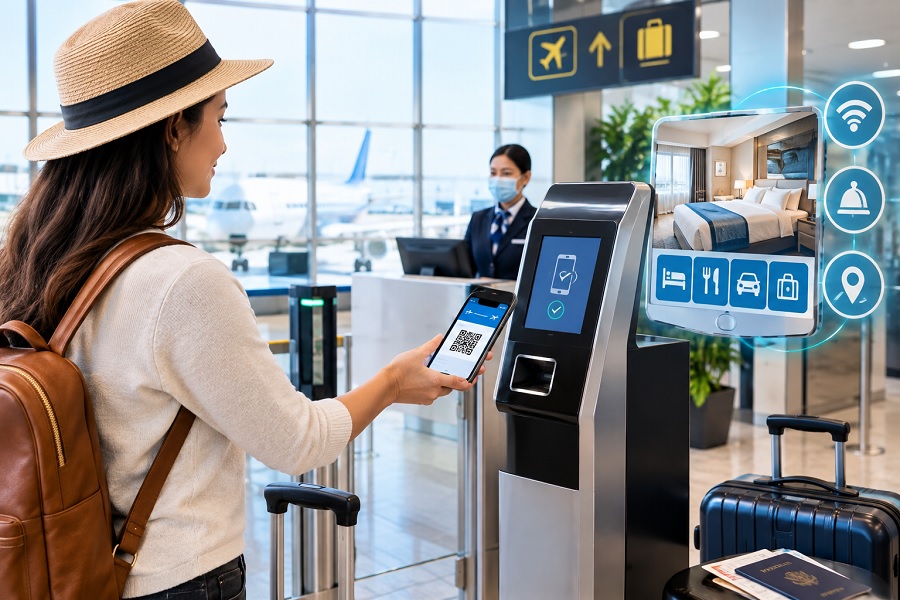
Singapore's airport experience is another important part of its smart tourism ecosystem. Singapore Tourism Board information highlights automated, touch-free check-in systems and biometric technology used for contactless identity verification at immigration.
For tourists, these technologies can help make the arrival and departure process smoother while reducing the need for traditional physical interactions.
Smart City Experiences
Visitors can also experience Singapore's smart-city development directly.
Tourism offerings include experiences focused on Singapore's digital government and Smart Nation development. One official tourism-listed tour takes visitors behind the country's smart-city systems and introduces them to places connected with urban innovation and sustainable development.
This turns the city's technology infrastructure into a tourism experience rather than something visitors simply use in the background.
Digital and Immersive Attractions
Technology also plays an important role inside Singapore's attractions.
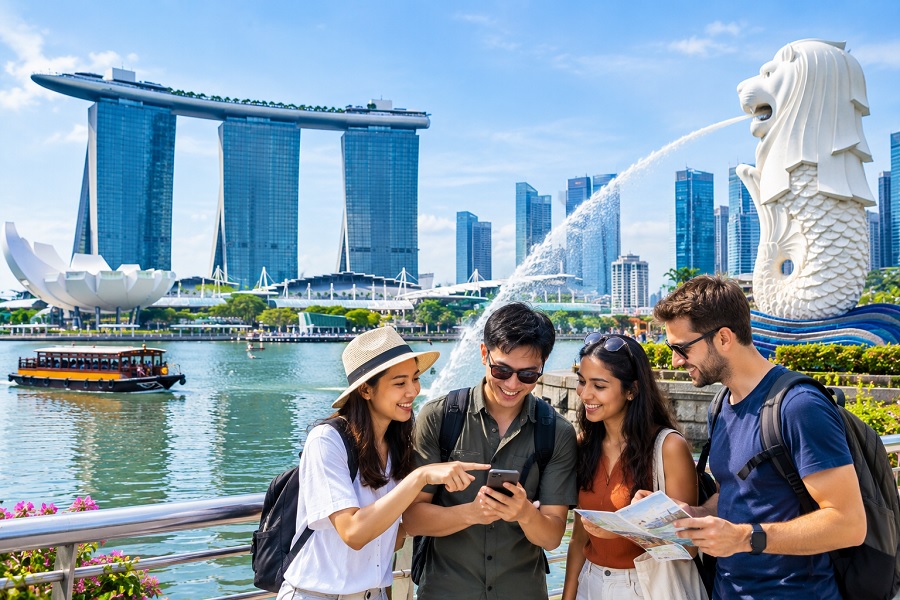
The ArtScience Museum at Marina Bay, for example, combines art, science and technology through immersive exhibitions. The Marina Bay area itself provides a combination of futuristic architecture, attractions, entertainment and digital experiences.
Augmented reality has also been used in Singapore tourism projects. Singapore Tourism Board material describes AR applications designed to create more immersive visitor experiences.
Smart Hotels and Contactless Hospitality
Technology is increasingly visible in Singapore's hospitality sector. Tourism industry information from the Singapore Tourism Board describes features such as self-check-in kiosks, chatbots, contactless payments and digital in-room dining.
Some hotels have also experimented with robotics and facial-recognition technology to improve the check-in experience.
For international travelers, these services can reduce waiting times and make hotel stays more convenient.
Smart Transportation for Tourists
Singapore's transportation system is one of the strongest foundations of its smart tourism experience.
The island's extensive network of trains and buses connects major tourist areas and residential neighborhoods. Visitors can combine public transportation with digital trip planning to move between attractions efficiently.
Popular areas such as Marina Bay, Orchard Road, Sentosa, Chinatown, Little India and Kampong Gelam are connected through the city's transportation network, allowing tourists to explore different sides of Singapore within a relatively compact area.
Smart Tourism Meets Nature
Smart tourism in Singapore is not limited to skyscrapers and technology.
The destination promotes a "City in Nature" concept, combining urban development with green spaces, gardens and nature-based attractions. Official tourism information highlights attractions such as Gardens by the Bay and other green areas as part of this urban-nature experience.
This combination is particularly attractive to travelers who want modern city experiences without giving up access to nature.
Digital Experiences for Cultural Tourism
Technology can also help international visitors discover Singapore's multicultural heritage.
Tourists can explore Chinatown, Little India, Kampong Gelam and Katong-Joo Chiat, where architecture, food, traditions and street culture reflect different communities. Singapore's official tourism platform currently promotes these neighborhoods as important cultural experiences.
Digital maps, online guides and mobile travel information can make independent exploration easier while allowing visitors to create personalized itineraries.
Smart Tourism for Families
Singapore's technology-driven attractions are also suitable for family travelers.
Interactive museums, immersive exhibitions, wildlife experiences, gardens and entertainment attractions provide opportunities for children and adults to learn and explore together. The country's combination of efficient transportation and compact tourist districts can also make family travel easier to organize.
Smart Tourism for Business Travelers
Singapore's smart infrastructure is particularly relevant to business and MICE tourism.
The city has invested in hybrid event technology, digital services and technology-supported venues. Marina Bay Sands, for example, has developed facilities supporting immersive and hybrid event experiences.
This makes Singapore attractive not only as a holiday destination but also as a destination for international conferences, exhibitions and business events.
Sustainable Smart Tourism
Technology can also support more sustainable tourism.
Digital services can help reduce paper-based processes, improve visitor management and support more efficient use of transportation and facilities. Singapore Tourism Board's earlier tourism technology framework specifically identified crowd management, real-time monitoring, predictive demand models and IoT-based solutions among the tools that can improve visitor experiences.
Smart tourism therefore has the potential to combine convenience with responsible destination management.
Why Singapore Stands Out
Singapore's biggest advantage is that technology is not presented as a separate attraction. Instead, it is integrated into the overall tourism experience.
A visitor can use digital services to prepare for arrival, travel through the city using an efficient transport network, explore technology-focused attractions, discover cultural neighborhoods, stay in a technology-enabled hotel and enjoy nature-based attractions, all within one compact destination.
The result is a travel experience that combines technology, convenience, culture, sustainability and urban innovation.
Best Experiences to Include in a Singapore Smart Tourism Trip
Travelers interested in smart tourism can consider including:
Smart-city and digital government tours
Changi Airport's technology-enabled travel experience
ArtScience Museum
Marina Bay technology and architecture experiences
Gardens by the Bay
Digital and immersive exhibitions
Smart hotel experiences
Contactless transportation
Chinatown cultural exploration
Little India heritage experiences
Kampong Gelam cultural tourism
Sentosa technology and entertainment attractions
Singapore River experiences
Sustainable urban attractions
MICE and hybrid-event experiences
Future of Smart Tourism in Singapore
The future of Singapore tourism is likely to become increasingly connected. Artificial intelligence, immersive technologies, digital services, data-driven visitor management and smart infrastructure can create increasingly personalized travel experiences.
Singapore's broader technology ecosystem also supports this direction. The Singapore Tourism Board describes the country as a major innovation and technology hub, with AI, digital transformation, IoT and other technologies being developed across different sectors.
For international tourism, this creates an important model of how a modern city can use technology while maintaining cultural heritage, green spaces and visitor-friendly experiences.
Conclusion
Singapore Smart Tourism Experiences demonstrate how technology can transform the modern travel journey without replacing the human and cultural elements that make a destination memorable. From smart airport services and efficient public transportation to immersive attractions, digital hospitality and smart-city tours, Singapore offers visitors a highly connected way to experience an international destination.