Sweet Shop Tourism: Explore Traditional Desserts and Famous Confectionery Destinations
Sweet Shop Tourism: A Complete Guide to Exploring Traditional Desserts, Local Confectioneries, and Culinary Heritage
Sweet shop tourism has become one of the most delightful segments of food and beverage tourism. Instead of visiting a destination only for sightseeing, travelers now seek out famous dessert streets, traditional confectioneries, family-owned sweet shops, artisan bakeries, chocolate boutiques, and regional candy makers. Every sweet tells a story about local traditions, celebrations, ingredients, and generations of craftsmanship.
Whether it is handcrafted chocolates in Europe, traditional sweets in India, pastries in France, mochi in Japan, baklava in Türkiye, or churros in Spain, sweet shop tourism offers visitors a delicious way to experience culture through authentic desserts.
What Is Sweet Shop Tourism?
Sweet shop tourism is a form of culinary travel focused on exploring destinations known for their traditional sweets, desserts, bakeries, confectioneries, chocolate makers, candy stores, and regional delicacies. Travelers visit these places to taste authentic recipes, watch desserts being prepared, learn about local ingredients, and discover the cultural significance of sweet-making traditions.
Why Sweet Shop Tourism Is Growing
Modern travelers increasingly value authentic food experiences. Social media, food documentaries, and culinary travel shows have inspired visitors to search for iconic dessert destinations around the world.
Key reasons for its popularity include:
Interest in regional dessert specialties.
Growth of food-focused vacations.
Family-friendly travel experiences.
Cultural storytelling through traditional recipes.
Hands-on dessert workshops.
Support for local confectioners and artisan businesses.
Increasing demand for authentic culinary experiences.
Popular Sweet Shop Experiences
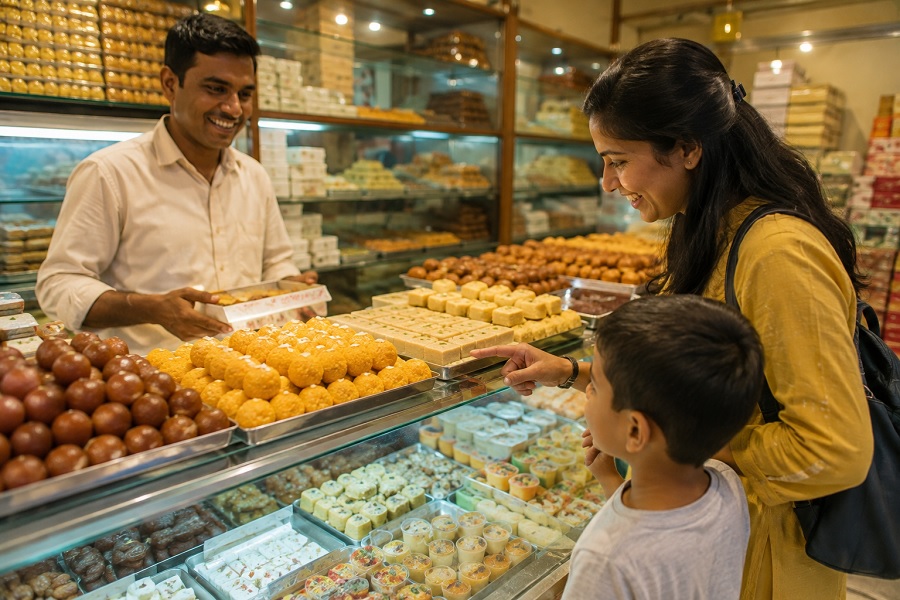
Traditional Sweet Shops
Historic family-run sweet shops preserve recipes that have been passed down for generations. Many continue using traditional cooking methods and locally sourced ingredients.
Dessert Streets
Several cities feature streets filled with famous bakeries, pastry shops, candy stores, and ice cream parlors, allowing visitors to enjoy a variety of local desserts in one location.
Chocolate Experiences
Chocolate boutiques often provide guided tastings, bean-to-bar demonstrations, and workshops where visitors learn about chocolate production from cocoa beans to finished products.
Bakery Tours
Travelers can visit artisan bakeries producing fresh breads, croissants, pastries, cookies, cakes, and regional baked specialties using traditional techniques.
Sweet-Making Workshops
Interactive classes allow visitors to prepare local desserts with professional chefs. These experiences are popular among families and travelers seeking memorable cultural activities.
Dessert Festivals
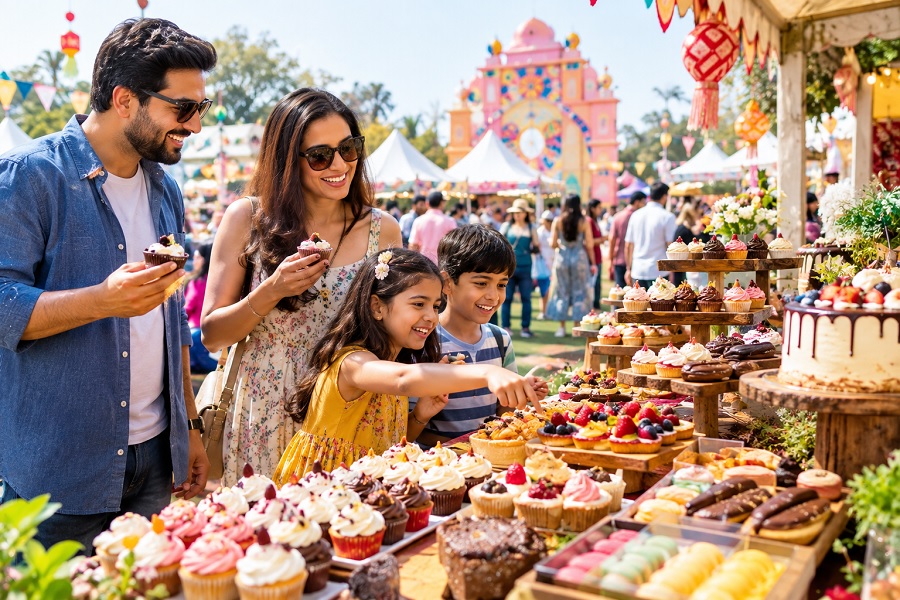
Many destinations organize annual dessert festivals celebrating regional sweets, confectionery traditions, local ingredients, and innovative pastry creations. These events include tasting sessions, competitions, cultural performances, and live cooking demonstrations.
Famous Desserts Around the World
Different regions are known for unique dessert traditions, such as:
Indian milk-based sweets and festive delicacies.
French pastries and artisan desserts.
Italian gelato, cannoli, and tiramisu.
Japanese mochi and wagashi.
Turkish baklava and lokum.
Spanish churros and crema catalana.
Belgian handcrafted chocolates.
Austrian cakes and strudels.
Middle Eastern date-based sweets.
Latin American caramel and cinnamon desserts.
Benefits of Sweet Shop Tourism
Sweet tourism offers cultural, educational, and economic benefits.
Supports local confectioners and family-owned businesses.
Preserves centuries-old dessert recipes.
Promotes regional food identity.
Creates employment within local communities.
Encourages cultural exchange through food.
Attracts international visitors throughout the year.
Provides memorable family-friendly experiences.
Strengthens culinary tourism economies.
Sustainable Sweet Tourism
Responsible travelers can support sustainability by:
Buying from locally owned sweet shops.
Choosing handmade products over mass-produced items.
Using reusable shopping bags.
Selecting shops that use local ingredients.
Reducing food waste by purchasing appropriate quantities.
Supporting businesses with eco-friendly packaging.
Respecting local customs and traditions.
Planning a Sweet Shop Tour
To enjoy the best experience:
Research famous local desserts before traveling.
Visit highly rated traditional confectioneries.
Join guided food walks.
Taste regional specialties in moderation.
Carry insulated packaging for delicate sweets if needed.
Check shop timings during festivals and holidays.
Learn the history behind each signature dessert.
Health and Safety Tips
Enjoy desserts responsibly by following a few practical tips:
Check ingredient labels if you have allergies.
Store perishable sweets correctly.
Drink plenty of water while exploring.
Balance sweet tasting with nutritious meals.
Share dessert portions to sample a wider variety.
Choose hygienic and reputable establishments.
Future Trends in Sweet Shop Tourism
The dessert tourism industry continues to evolve with new experiences such as:
Dessert-themed travel packages.
Interactive confectionery museums.
AI-powered dessert recommendations.
Artisan chocolate trails.
Organic dessert cafés.
Sugar-conscious dessert options.
Vegan and gluten-free confectioneries.
Smart food tours with digital guides.
Heritage dessert festivals.
Farm-to-dessert culinary experiences.
Conclusion
Sweet shop tourism is much more than tasting desserts. It is a journey through history, culture, craftsmanship, and local traditions. From historic confectioneries and artisan bakeries to colorful dessert festivals and hands-on workshops, every destination offers unique flavors that reflect its heritage. By supporting local sweet makers and choosing authentic culinary experiences, travelers contribute to preserving traditional recipes while creating unforgettable memories filled with delicious discoveries.