Diwali Food Tourism: Discovering India's Regional Desserts and Traditional Sweet-Making Heritage
Diwali Mithai Market Tourism: Exploring India's Famous Sweet Shops and Traditional Desserts
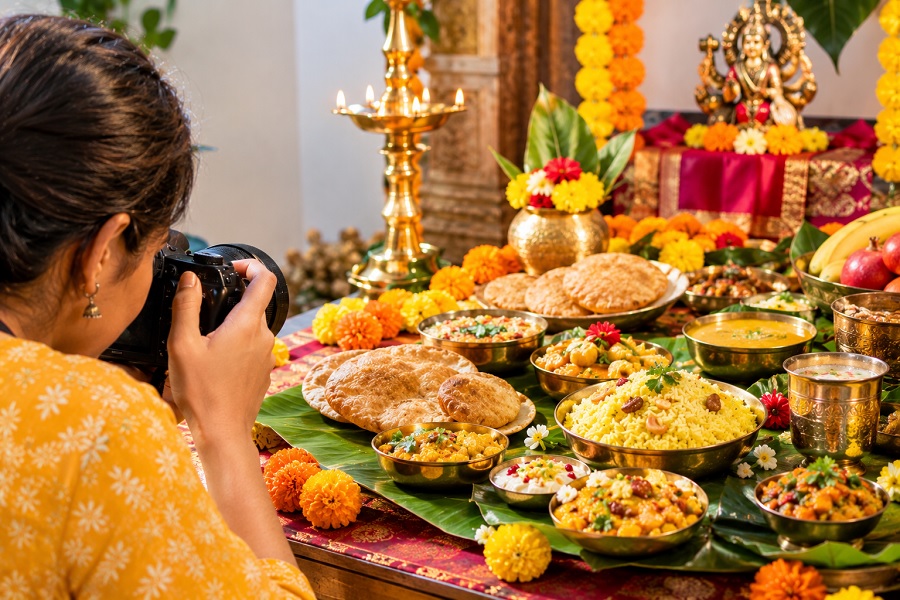
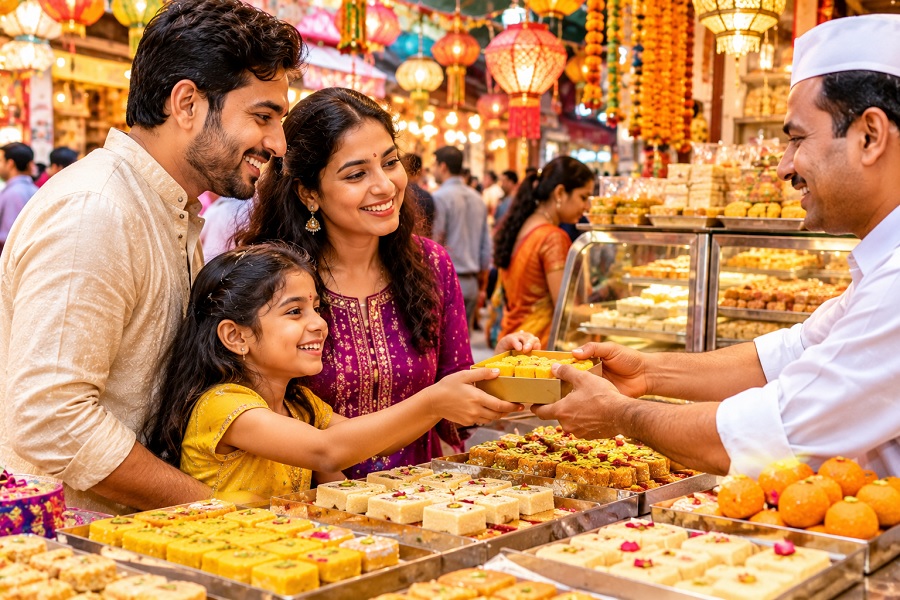
Diwali, the Festival of Lights, is one of India's most celebrated festivals, bringing families and communities together through traditional customs, festive shopping, and delicious food. Among the most important parts of Diwali celebrations are traditional Indian sweets, commonly known as mithai. Diwali Mithai Market Tourism offers travellers an opportunity to explore India's famous sweet shops, traditional dessert markets, regional specialities, and rich culinary heritage.
During the festive season, sweet shops and local markets become vibrant destinations filled with colourful displays of traditional sweets, decorative gift boxes, and freshly prepared desserts. From classic laddoos and kaju katli to regional delicacies such as Mysore Pak, Petha, and Sandesh, every region of India offers distinctive flavours and culinary traditions.
The growing interest in food tourism has encouraged travellers to explore destinations through their local cuisine. Diwali mithai market tourism combines festive shopping, cultural discovery, culinary experiences, and traditional hospitality.
Importance of Mithai Market Tourism During Diwali
Traditional sweets hold a special place in Indian culture and Diwali celebrations. Families exchange mithai with relatives, friends, neighbours, and business associates as a symbol of happiness, prosperity, and togetherness.
During Diwali, popular sweet markets attract large numbers of visitors interested in discovering authentic regional desserts and traditional recipes.
Mithai market tourism helps travellers understand India's diverse food culture while supporting local sweet makers, traditional businesses, and regional culinary communities.
Exploring India's Famous Traditional Sweet Markets
India has several famous sweet markets and shopping destinations known for their traditional desserts and festive specialities.
1. Chandni Chowk, Delhi
Chandni Chowk is one of India's most popular food and shopping destinations. Its traditional sweet shops offer a wide variety of Indian mithai, including jalebi, gulab jamun, laddoos, rabri, and traditional milk-based desserts.
2. Varanasi, Uttar Pradesh
Varanasi is known for its traditional sweets, including malaiyyo, peda, rabri, and other regional specialities. Visitors can explore local sweet shops while experiencing the city's cultural and culinary heritage.
3. Jaipur, Rajasthan
Jaipur offers traditional Rajasthani sweets such as ghewar, mawa kachori, ladoo, and sohan halwa. Its famous markets attract visitors looking for authentic festive desserts and traditional gift collections.
4. Kolkata, West Bengal
Kolkata is famous for Bengali sweets such as rasgulla, sandesh, mishti doi, and chomchom. The city's traditional sweet shops provide opportunities to discover the region's distinctive dessert culture.
5. Pune, Maharashtra
Pune offers a variety of traditional Maharashtrian sweets, including karanji, anarsa, besan ladoo, and modak. Local sweet shops and festive markets attract shoppers preparing for Diwali celebrations.
6. Mysuru, Karnataka
Mysuru is widely recognised for its famous Mysore Pak, a traditional sweet prepared using gram flour, ghee, and sugar. Visitors can explore local sweet shops and discover Karnataka's traditional dessert culture.
7. Hyderabad, Telangana
Hyderabad offers traditional sweets such as double ka meetha, qubani ka meetha, badam ki jali, and various milk-based desserts. The city's culinary heritage makes it an attractive destination for food enthusiasts.
Popular Indian Mithai and Traditional Diwali Desserts
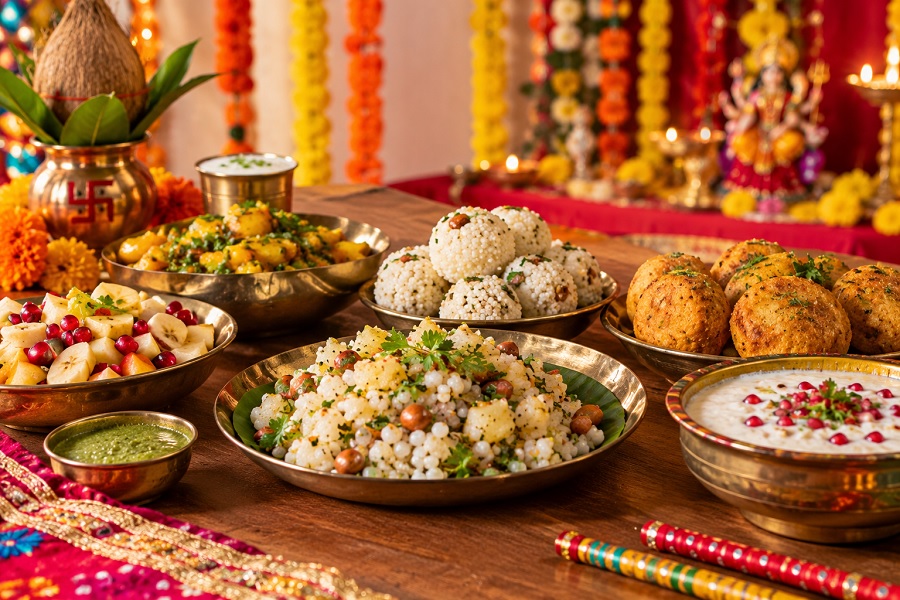
Indian sweets are prepared using different ingredients, cooking techniques, and regional recipes. During Diwali, several traditional desserts become especially popular.
Some famous Indian mithai varieties include:
Kaju Katli: A popular cashew-based sweet often prepared for festive gifting.
Motichoor Ladoo: A traditional sweet made using tiny gram flour pearls.
Besan Ladoo: A classic dessert prepared using roasted gram flour, ghee, and sugar.
Gulab Jamun: Soft milk-solid-based sweets soaked in sugar syrup.
Rasgulla: A popular Bengali dessert made from soft chenna balls.
Mysore Pak: A traditional Karnataka sweet prepared with gram flour, ghee, and sugar.
Ghewar: A traditional Rajasthani dessert with a distinctive honeycomb texture.
Anarsa: A traditional Maharashtrian sweet made using rice flour and jaggery.
Peda: A milk-based sweet available in several regional varieties.
Chirote: A traditional layered Maharashtrian sweet enjoyed during festive occasions.
These desserts represent India's culinary diversity and traditional festive food culture.
Traditional Sweet-Making Experiences and Artisan Workshops
One of the interesting aspects of mithai market tourism is the opportunity to understand how traditional sweets are prepared.
Visitors can explore sweet-making workshops, observe traditional cooking methods, and learn about the ingredients used in regional desserts.
Local sweet makers and family-run businesses preserve traditional recipes and preparation techniques passed down through generations.
Demonstrations of ladoo preparation, jalebi making, milk-based desserts, and traditional festive sweets can create engaging culinary tourism experiences.
Diwali Sweet Shopping and Festive Gift Hampers
Diwali is one of the busiest shopping seasons for India's sweet shops. Customers purchase traditional mithai boxes, premium dessert collections, and customised gift hampers for family members, friends, and business associates.
Many sweet shops introduce attractive festive packaging, assorted sweet collections, and special gift arrangements.
Popular gifting options include:
Traditional assorted mithai boxes.
Premium kaju katli collections.
Dry fruit and sweet combinations.
Regional dessert gift hampers.
Sugar-free sweet selections.
Traditional festive sweet baskets.
These products create additional opportunities for sweet shops and local businesses during the festive season.
Regional Culinary Heritage and Cultural Traditions
Every Indian region has its own traditional sweets, ingredients, and preparation methods. Exploring mithai markets allows travellers to discover these regional culinary identities.
In Maharashtra, visitors can explore karanji, anarsa, and besan ladoo. Rajasthan offers ghewar and mawa kachori, while West Bengal is famous for rasgulla and sandesh.
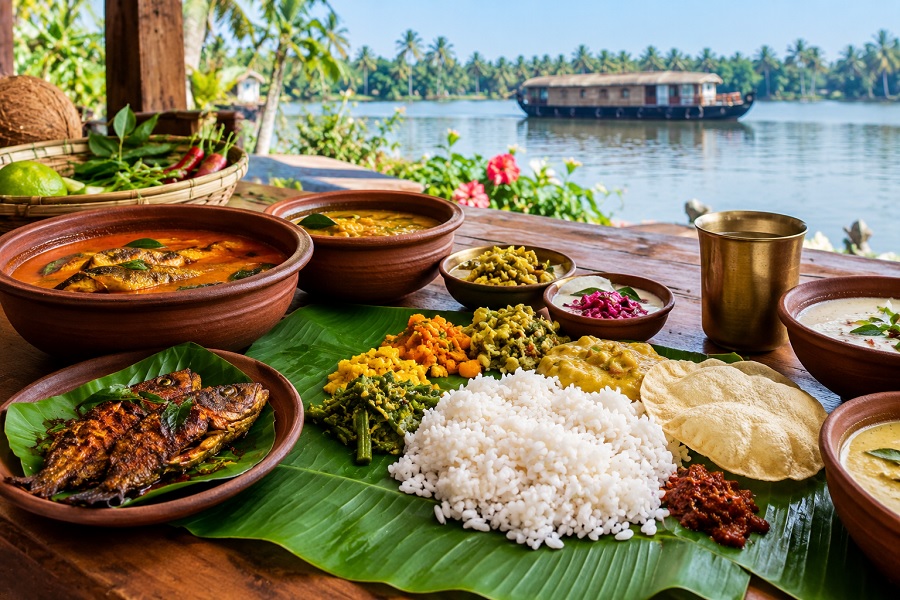
South Indian destinations introduce visitors to Mysore Pak, adhirasam, and other traditional sweets.
These regional differences make mithai market tourism an important part of India's culinary and cultural tourism landscape.
Hygiene, Quality and Food Safety in Mithai Tourism
Food safety is an important consideration when exploring traditional sweet markets, especially during the busy Diwali season.
Travellers should choose reputable sweet shops that maintain cleanliness, follow appropriate food-handling practices, and provide information about ingredients.
Checking packaging, manufacturing dates, storage conditions, and applicable food safety information can help consumers make informed purchases.
Businesses can improve customer confidence through hygienic preparation areas, proper storage facilities, quality ingredients, and transparent product labelling.
Sustainable and Responsible Mithai Market Tourism
Sustainable practices can help traditional sweet shops and food tourism businesses reduce their environmental impact.
Local businesses can introduce recyclable packaging, reusable gift containers, responsibly sourced ingredients, and improved food-waste management.
Travellers can support traditional family-run sweet shops, local producers, and regional food businesses by purchasing authentic products.
These practices help preserve culinary traditions while supporting responsible tourism development.
Economic Opportunities for the Food and Tourism Industry
Diwali mithai market tourism creates opportunities for sweet shops, local food manufacturers, packaging companies, travel agencies, hotels, restaurants, and regional tourism operators.
Festive food walks, traditional dessert tours, sweet-making demonstrations, culinary workshops, and specialised shopping experiences can attract domestic and international visitors.
The increased demand for festive sweets also supports local employment and small businesses involved in traditional dessert production.
Tourism operators can develop specialised food tours that combine sweet market visits with heritage walks, cultural attractions, and regional dining experiences.
Future Scope of Diwali Mithai Market Tourism
The future of Diwali mithai market tourism looks promising as travellers increasingly seek authentic regional food experiences and traditional culinary discoveries.
Digital food guides, online sweet collections, specialised food walks, artisan workshops, and customised festive shopping tours can help promote India's dessert heritage.
Greater awareness of regional sweets and traditional preparation methods can also encourage visitors to explore destinations beyond conventional tourist attractions.
By combining culinary experiences, festive shopping, cultural heritage, and responsible food practices, mithai market tourism can become an attractive segment of India's food and beverage tourism industry.
Conclusion
Diwali Mithai Market Tourism offers travellers an opportunity to discover India's famous sweet shops, traditional desserts, regional flavours, and festive culinary traditions. From the Bengali sweets of Kolkata and the famous Mysore Pak of Karnataka to the traditional ghewar of Rajasthan and anarsa of Maharashtra, every region offers unique dessert experiences.
By promoting traditional sweet makers, supporting local businesses, encouraging food safety, and preserving regional recipes, Diwali mithai market tourism can contribute to India's culinary heritage and tourism development.