Food Festival Tourism: Exploring Traditional Flavours, Regional Cuisine and Cultural Celebrations
Food Festival Tourism: Celebrating Local Food and Culinary Festivals
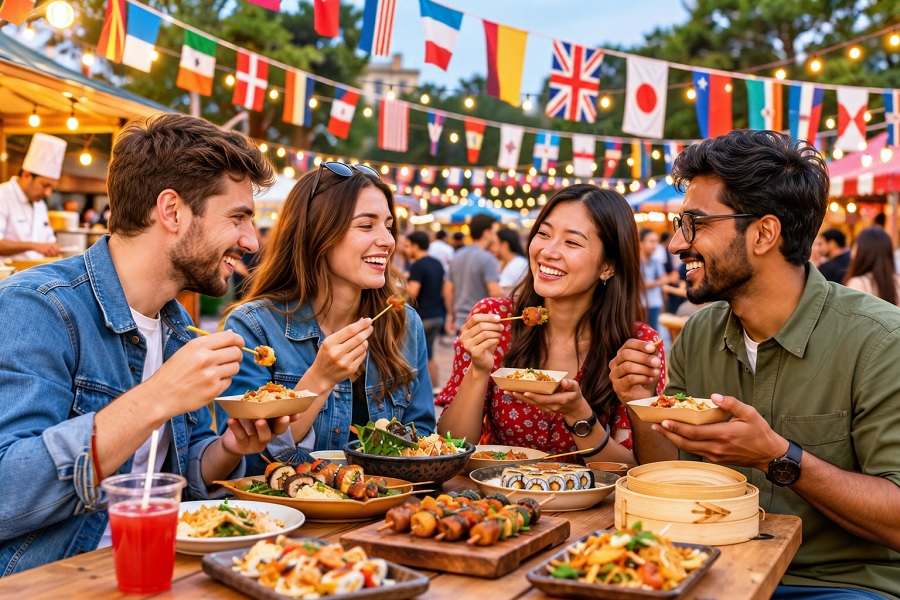
Food festival tourism is an important segment of the travel and hospitality industry that connects food, culture, traditions, and tourism. It involves travelling to different destinations to experience local food festivals, traditional culinary celebrations, regional specialities, and international food events.
Food festivals provide tourists with opportunities to discover authentic flavours, explore traditional cooking techniques, interact with local communities, and understand the cultural importance of regional cuisine.
From Indian street food festivals to international culinary exhibitions, these events attract visitors interested in discovering new dishes and experiencing different food cultures.
1. Importance of Food Festival Tourism
Food festival tourism plays an important role in promoting local destinations and preserving traditional culinary practices. It allows travellers to experience the identity of a region through its food.
Major benefits include:
- Promoting regional cuisines and traditional recipes.
- Supporting local restaurants and food businesses.
- Encouraging domestic and international tourism.
- Creating employment opportunities.
- Preserving traditional cooking methods.
- Supporting farmers and local food producers.
- Promoting cultural exchange through food.
2. Popular Types of Food Festivals
Food festivals are organized around different ingredients, culinary traditions, and regional specialities.
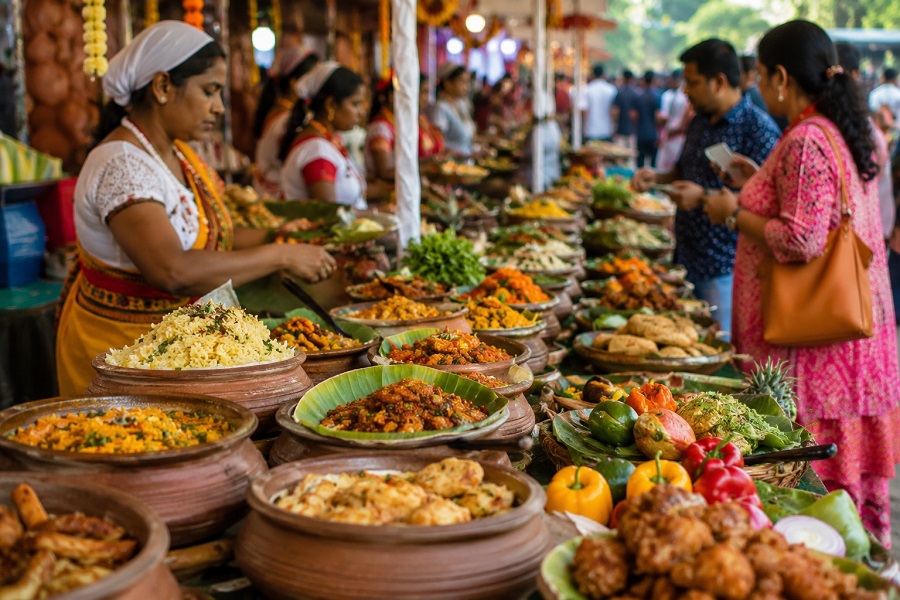
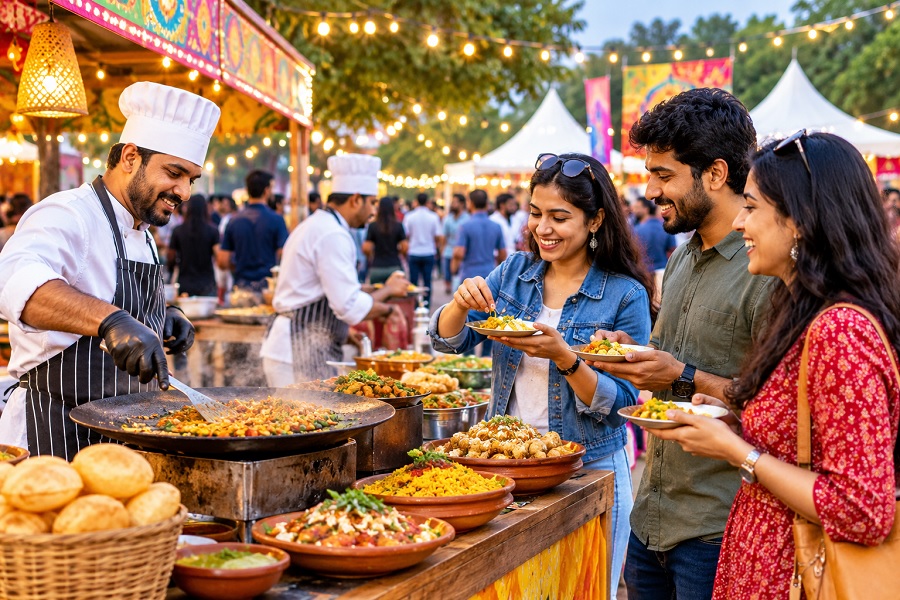
Street Food Festivals: Celebrate popular street food, snacks, and local delicacies.
Traditional Food Festivals: Showcase authentic regional recipes and traditional cooking methods.
Seafood Festivals: Highlight coastal cuisine and seafood specialities.
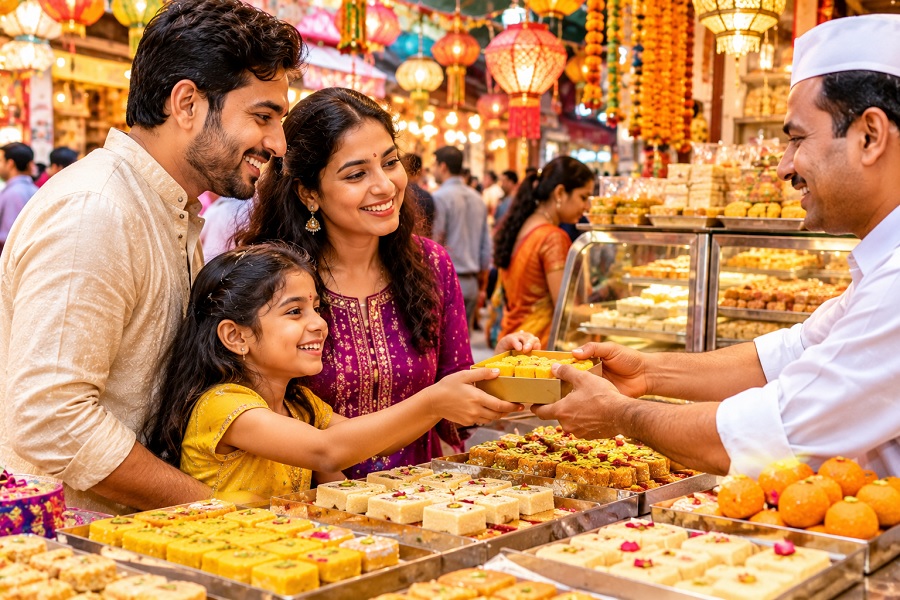
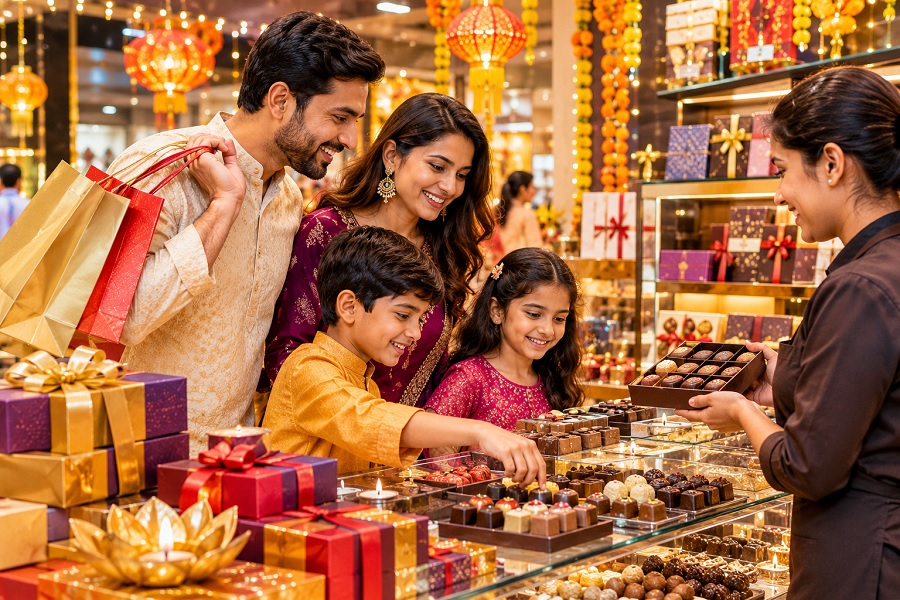
Dessert Festivals: Feature traditional sweets, chocolates, cakes, and other desserts.
Vegetarian Food Festivals: Promote plant-based dishes and vegetarian culinary traditions.
Organic Food Festivals: Highlight organic produce, sustainable farming, and natural ingredients.
International Food Festivals: Introduce visitors to cuisines from different countries.
Harvest Food Festivals: Celebrate seasonal agricultural products and traditional harvest dishes.
3. Famous Food Festivals in India
India offers diverse culinary festivals that showcase the country's regional food traditions.
- National Street Food Festival, Delhi.
- Goa Food and Cultural Festivals, Goa.
- Rajasthan culinary and food festivals.
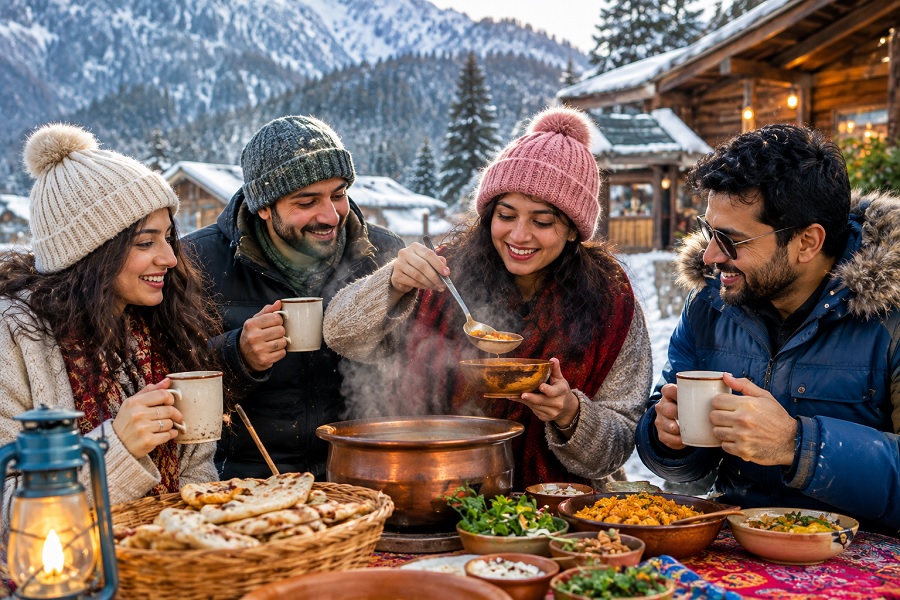
- Kashmir food festivals.
- Kerala food and culinary festivals.
- Bengaluru food festivals.
- Mumbai food festivals.
- Northeast India food festivals.
These celebrations provide opportunities to explore regional ingredients, traditional dishes, local markets, and cultural food experiences.
4. Famous International Food Festivals
International culinary festivals attract visitors interested in exploring global food cultures.
- Taste of Chicago, USA: Celebrates Chicago's diverse food culture.
- Salon du Chocolat, France: Showcases chocolate, confectionery, and chocolate-making.
- Pizzafest, Italy: Celebrates traditional Neapolitan pizza.
- Melbourne Food and Wine Festival, Australia: Highlights culinary experiences and regional food culture.
- Oktoberfest, Germany: Famous for Bavarian food and traditional cultural celebrations.
5. Traditional Cuisine and Cultural Heritage
Traditional cuisine is one of the major attractions of food festival tourism. Every destination has unique ingredients, recipes, cooking techniques, and food traditions.
Visitors can discover regional dishes, traditional spices, local preparation methods, and cultural dining customs. These experiences help preserve culinary heritage and introduce traditional food cultures to new generations.
6. Live Cooking Demonstrations and Workshops
Many culinary festivals organize live cooking demonstrations and interactive workshops.
Visitors can learn about:
- Traditional regional cooking methods.
- Spice selection and food preparation.
- Traditional baking techniques.
- Local ingredients and seasonal recipes.
- Healthy and sustainable cooking.
- Regional dessert preparation.
These activities make culinary festivals educational and entertaining.
7. Food Festival Tourism and Local Economic Growth
Food festivals create economic opportunities for different sectors of the tourism industry.
Local restaurants, hotels, food vendors, farmers, transport providers, and event organizers benefit from increased visitor activity.
Small food businesses also receive opportunities to introduce their products, attract customers, and develop new business connections.
8. Sustainable Food Festival Tourism
Sustainable practices are becoming increasingly important in food festival management.
Important initiatives include:
- Reducing food waste.
- Promoting locally sourced ingredients.
- Using reusable food containers.
- Encouraging seasonal food consumption.
- Supporting local farmers.
- Managing plastic waste.
- Promoting environmentally responsible event operations.
These practices help reduce the environmental impact of large culinary events.
9. Role of Technology in Food Festival Tourism
Technology is transforming how visitors discover and participate in food festivals.
Online ticket booking, digital event schedules, social media marketing, mobile applications, and AI-powered travel recommendations help tourists plan their visits.
Food bloggers, travel influencers, and digital content creators also promote culinary destinations through photographs, videos, and food reviews.
10. Future Trends in Food Festival Tourism 2026
The food festival tourism industry is expected to develop through new culinary experiences and changing consumer preferences.
Important emerging trends include:
- AI-powered culinary travel planning.
- Plant-based food festivals.
- Sustainable culinary celebrations.
- Farm-to-table food events.
- Regional food heritage festivals.
- Interactive cooking experiences.
- Organic and natural food festivals.
- Digital food discovery platforms.
- Rural and village food celebrations.
- Experiential dining events.
Conclusion
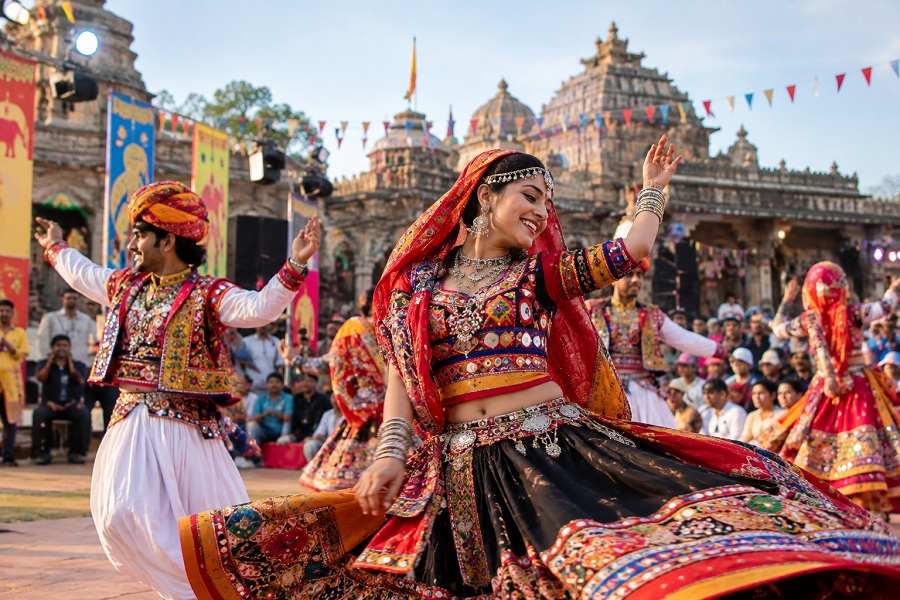
Food festival tourism brings together culinary traditions, cultural celebrations, local businesses, and travel experiences. It provides visitors with opportunities to explore regional cuisines, discover traditional recipes, and understand the cultural importance of food.
By supporting local communities, promoting traditional culinary heritage, and encouraging sustainable food practices, food festivals contribute to tourism development and economic growth.
As interest in authentic culinary experiences continues to increase, food festival tourism is expected to remain an important part of the global food and beverage tourism industry.