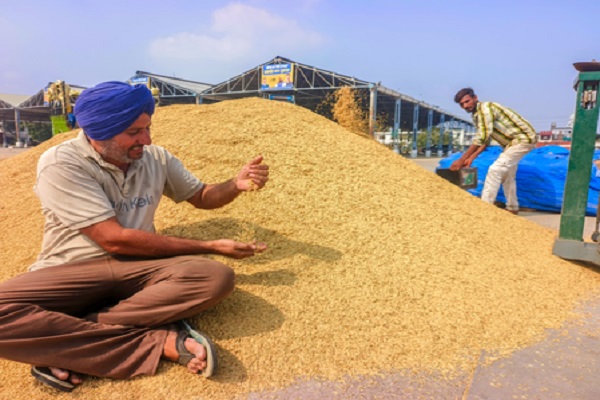
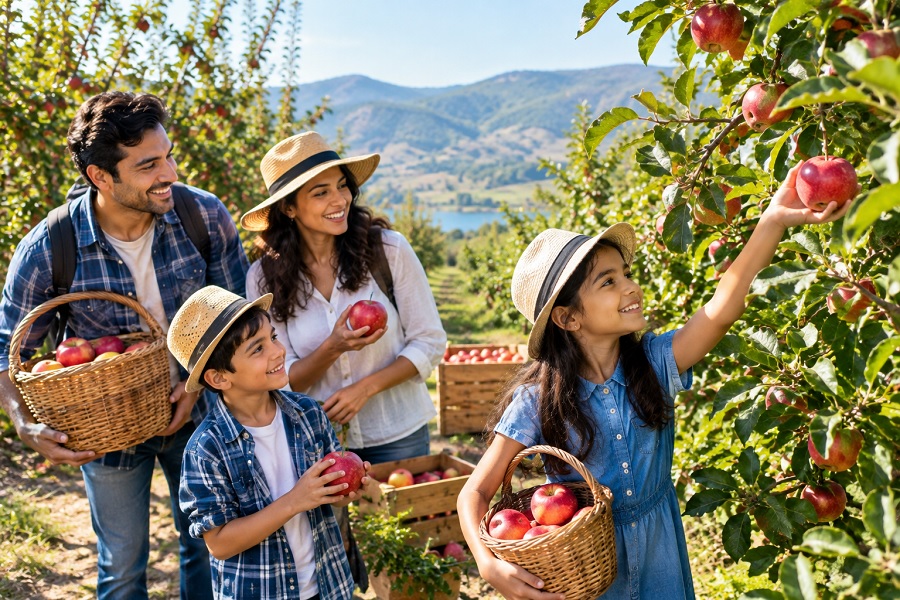
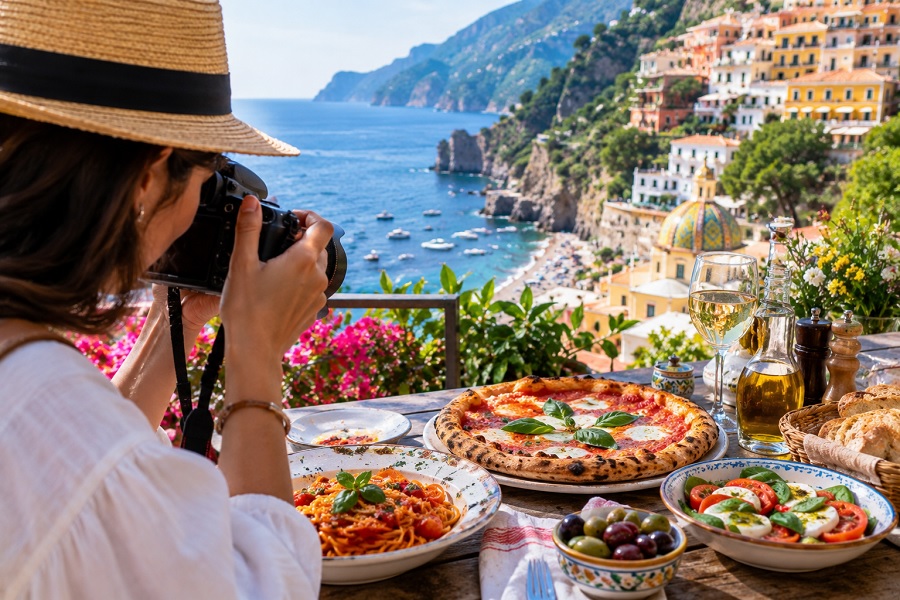
Seasonal Fruit Tourism in India: Discovering Fresh Fruits, Farms, and Rural Experiences
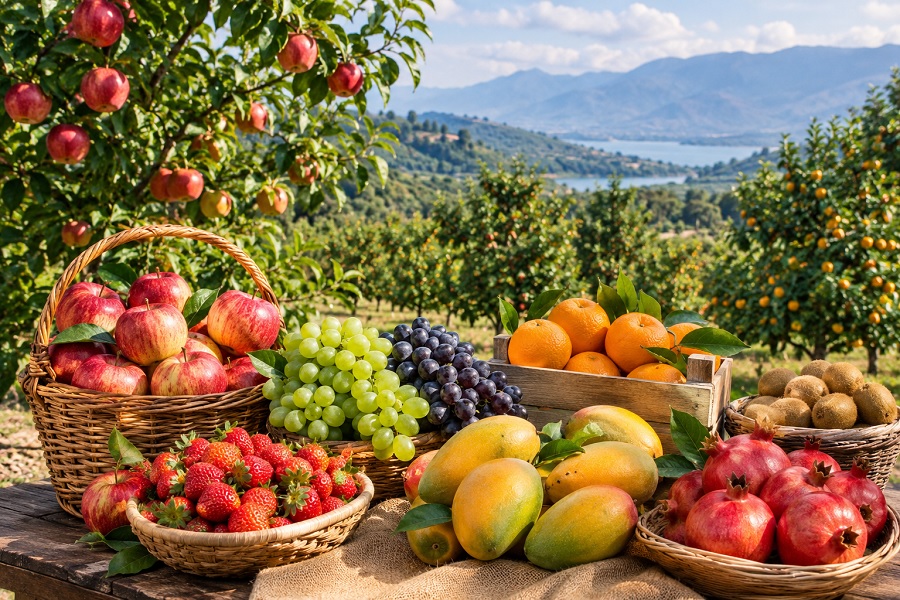
Fruit Tourism in India: Discovering Seasonal Fruits and Orchards
Introduction
Fruit tourism in India is an exciting travel experience that combines nature, agriculture, local food culture, and rural exploration. From mango orchards in summer to apple gardens in the hills, India offers a wide variety of fruit-growing destinations where visitors can discover seasonal produce, learn about farming traditions, and enjoy fresh fruits directly from growers.
Fruit tourism allows travellers to explore beautiful orchards, understand how fruits are cultivated, participate in guided farm visits, and taste products prepared from locally grown harvests. It also creates opportunities for farmers and rural communities to earn additional income through tourism.
As travellers increasingly seek authentic and nature-based experiences, fruit tourism offers an appealing way to explore India's agricultural heritage while enjoying the natural beauty of its countryside.
What Is Fruit Tourism?
Fruit tourism is a form of agricultural and culinary tourism centred on fruit orchards, plantations, seasonal harvests, fruit festivals, and farm-based experiences. It connects visitors with the places where fruits are grown and introduces them to the people, traditions, and techniques behind fruit production.
Depending on the destination and season, visitors may enjoy orchard walks, fruit tasting, guided farm tours, harvesting activities where permitted, local food experiences, and demonstrations of traditional fruit processing.
Popular Fruit Tourism Destinations in India
1. Mango Orchards in Maharashtra
Maharashtra is famous for its Alphonso mangoes, particularly those associated with the Konkan region. Visitors can explore mango-growing areas, learn about seasonal harvesting, and discover traditional mango products such as aamras, pickles, jams, and dried mango preparations.
The mango season is an excellent opportunity to experience the region's agricultural landscape and local culinary traditions.
2. Apple Orchards in Himachal Pradesh
Himachal Pradesh is one of India's well-known apple-growing regions. Areas around Shimla, Kullu, Kotgarh, and Kinnaur offer scenic mountain landscapes, fruit-growing communities, and opportunities to learn about orchard cultivation.
Depending on the season, visitors can admire apple blossoms, enjoy countryside walks, and discover how apples are harvested and processed. Orchard stays and homestays can also help travellers experience local rural life.
3. Mango and Jackfruit Experiences in Karnataka
Karnataka offers a diverse fruit-growing landscape, including mango and jackfruit cultivation. Seasonal fruit events, farmers' markets, and orchard visits provide opportunities to discover regional varieties and locally prepared products.
The Mango and Jackfruit Mela held at Lalbagh Botanical Garden in Bengaluru in June 2026 showcased regional produce, farmer participation, and traditional fruit-based foods.
4. Strawberry Farms in Maharashtra
Mahabaleshwar and the surrounding areas are popular for strawberry cultivation. Visitors can explore the countryside, purchase fresh strawberries, enjoy strawberry-based desserts, and learn about the importance of seasonal farming.
During the harvest period, participating farms may offer fruit-picking experiences, subject to availability and farm rules.
5. Litchi Orchards in Bihar
Bihar, particularly the Muzaffarpur region, is widely recognised for its litchi production. The seasonal harvest attracts interest from fruit lovers who want to learn about the cultivation, handling, and distribution of this delicate fruit.
A visit during the appropriate season can introduce travellers to local farming communities and regional fruit markets.
6. Citrus Orchards in Nagpur
Nagpur is closely associated with oranges and offers opportunities to explore citrus-growing landscapes and local fruit markets. Visitors can discover different citrus varieties and learn about juice production, fruit grading, and the role of orchards in the regional economy.
7. Guava and Pomegranate Farms
Several regions across India cultivate guavas and pomegranates. Orchard visits can introduce travellers to fruit cultivation, irrigation practices, seasonal harvesting, and the preparation of juices, preserves, and other fruit products.
The best destination depends on the fruit variety, local harvest calendar, and availability of visitor-friendly farms.
Best Time to Experience Fruit Tourism in India
Fruit tourism depends on regional climates, fruit varieties, and annual harvest conditions. The following periods are general guides rather than guaranteed harvest dates.
Summer: A popular season for mangoes, jackfruit, and several other tropical fruits.
Monsoon and late summer: Certain regional fruits become available, depending on rainfall and growing conditions.
Autumn: Some apple-growing regions offer harvest experiences, while other areas feature different seasonal fruits.
Winter: Citrus fruits, guavas, and selected regional harvests make winter suitable for fruit-focused travel.
Spring: Apple blossoms and flowering orchards in hill regions provide scenic nature experiences.
Travellers should confirm local harvest dates before planning their visits because weather conditions can change fruit availability.
Activities to Enjoy During Fruit Tourism
Orchard Walks and Guided Farm Tours
Walking through orchards helps visitors understand how fruit trees grow, how farms are maintained, and how seasonal conditions influence fruit production. Local farmers can explain cultivation methods and regional varieties.
Fruit Picking and Tasting
Some farms allow visitors to pick fruits under supervision. Freshly harvested fruit tasting offers a direct connection to local produce. Participation depends on the season, farm permissions, and crop availability.
Fruit Festivals and Exhibitions
Fruit festivals bring growers and consumers together through exhibitions, tasting sessions, competitions, and local food stalls. Events such as the Mango Mela at Pinjore and fruit displays associated with Ooty's summer festival demonstrate how fruit and horticulture can become part of a tourism experience.
Traditional Fruit-Based Food Experiences
Visitors can explore regional preparations such as aamras, fruit preserves, juices, jams, chutneys, and seasonal desserts. These experiences help travellers understand how local communities use and preserve their harvests.
Photography and Nature Experiences
Flowering trees, colourful fruits, green landscapes, and traditional farm settings make orchards attractive destinations for nature photography. Visitors should respect private property and avoid damaging crops while taking photographs.
Benefits of Fruit Tourism
Fruit tourism can provide economic, cultural, and environmental benefits when it is planned responsibly.
Additional income for farmers: Farm visits, fruit sales, and local experiences can diversify agricultural earnings.
Support for rural communities: Visitors may spend money on accommodation, transport, local food, and handicrafts.
Promotion of regional fruits: Lesser-known varieties and traditional farming practices can receive greater visibility.
Agricultural education: Visitors gain a better understanding of fruit cultivation, seasonality, and food production.
Local employment opportunities: Tourism can create work in guiding, hospitality, transport, food preparation, and farm services.
Greater appreciation of nature: Orchard experiences can encourage interest in landscapes, biodiversity, and responsible farming.
Sustainable Practices for Fruit Tourism
Responsible fruit tourism should protect both agricultural resources and the interests of local communities. Visitors should follow farm instructions, avoid wasting produce, and respect workers and private property.
Tour operators and farm owners can support sustainability by reducing plastic waste, conserving water, managing visitor numbers, promoting local products, and using environmentally responsible farming and tourism practices wherever possible.
Buying directly from farmers, where practical, can help visitors support local producers while discovering authentic regional produce.
Tips for Planning a Fruit Tourism Trip
Before travelling, research the fruit varieties grown in the destination and check their expected harvest periods. Contact orchards in advance to confirm visitor access, fruit-picking opportunities, entry fees, and available facilities.
Wear comfortable footwear, carry drinking water, follow food hygiene guidance, and check the weather forecast. Travellers should also confirm transport arrangements and accommodation, especially when visiting remote farming areas.
Families can choose farms with suitable visitor facilities, while photography enthusiasts may prefer destinations during flowering or harvest seasons.
The Future of Fruit Tourism in India
Fruit tourism has the potential to strengthen India's agricultural tourism sector by connecting farmers, travellers, local food businesses, and rural communities. Farm stays, guided orchard experiences, seasonal festivals, digital farm bookings, and direct-to-consumer fruit sales can make agricultural destinations more accessible to visitors.
Regional fruit varieties can also become important attractions for travellers interested in local cuisine and traditional farming. With thoughtful planning, fruit tourism can support rural livelihoods while helping preserve agricultural knowledge and food heritage.
Conclusion
Fruit Tourism in India: Discovering Seasonal Fruits and Orchards offers travellers a refreshing way to experience the country's agricultural diversity. From mango orchards in Maharashtra and apple gardens in Himachal Pradesh to strawberry farms in Mahabaleshwar and citrus-growing areas around Nagpur, fruit-focused journeys combine natural beauty, fresh produce, local culture, and rural hospitality.
By travelling during the appropriate harvest season, supporting local farmers, and respecting sustainable practices, visitors can enjoy memorable experiences while contributing to the communities that grow India's fruits.