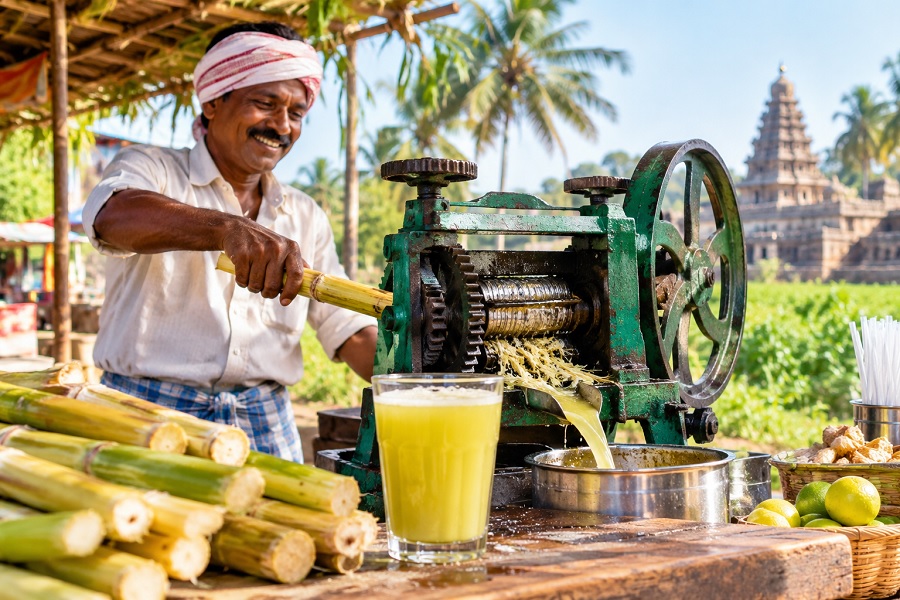
Mocktail Tourism: Exploring Refreshing Non-Alcoholic Drinks, Tropical Flavours and Creative Beverage Experiences
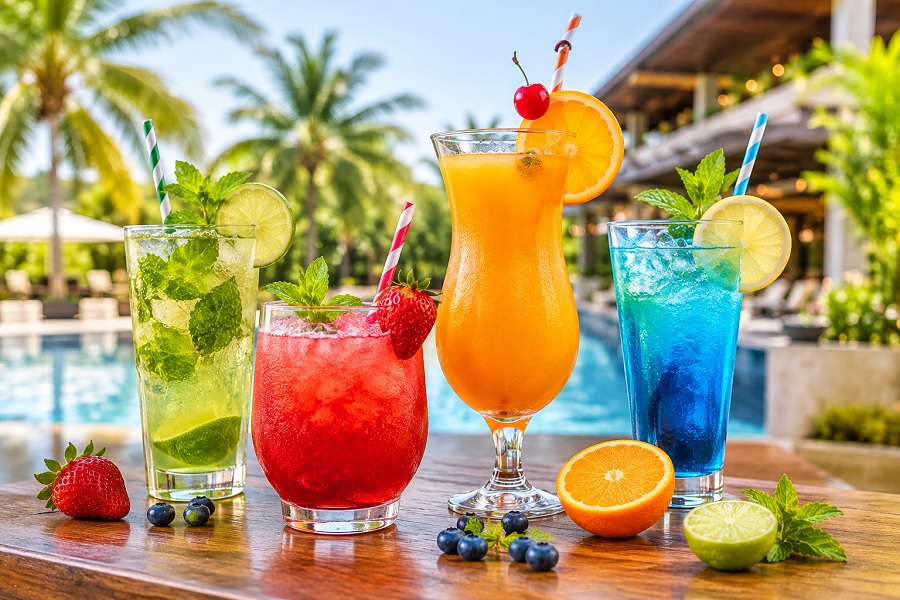
Mocktail Tourism: Discovering Creative Non-Alcoholic Beverages and Refreshment Experiences
1. Introduction
Mocktail tourism is an emerging trend in food and beverage tourism that focuses on discovering creative non-alcoholic drinks, refreshing beverages and unique drink-making experiences. It allows travellers to explore local flavours, traditional ingredients, innovative recipes and regional beverage cultures without consuming alcohol.
From tropical fruit mocktails and herbal refreshments to traditional Indian drinks with a modern twist, mocktail tourism offers enjoyable experiences for families, couples, wellness travellers and food enthusiasts.
As interest in wellness, responsible travel and alcohol-free dining grows, hotels, restaurants, cafés and tourism destinations are introducing creative mocktail menus to attract visitors.
2. What Is Mocktail Tourism?
Mocktail tourism refers to travelling to different destinations to experience unique non-alcoholic beverages and creative drink cultures. It includes visiting cafés, restaurants, resorts, juice bars, beverage festivals and hospitality venues that specialise in refreshing drinks.
Travellers can explore:
- Traditional regional beverages.
- Fresh fruit-based mocktails.
- Herbal and botanical drinks.
- Signature hotel and restaurant mocktails.
- Alcohol-free beverage workshops.
- Local beverage festivals and tasting events.
3. Importance of Mocktail Tourism
Mocktail tourism is becoming an important part of modern culinary travel because it combines local food culture, creativity and wellness-focused hospitality.
Key reasons for its growing popularity:
- Health-conscious choices: Visitors can enjoy refreshing beverages without alcohol.
- Cultural discovery: Travellers can explore traditional drinks and regional ingredients.
- Family-friendly experiences: Non-alcoholic beverages are suitable for a wider range of visitors.
- Creative hospitality: Restaurants and hotels can introduce innovative beverage menus.
- Local business opportunities: Small cafés, juice bars and beverage producers can attract more customers.
- Responsible tourism: It supports inclusive food and beverage experiences.
4. Popular Types of Mocktail Tourism
4.1 Tropical Fruit Mocktails
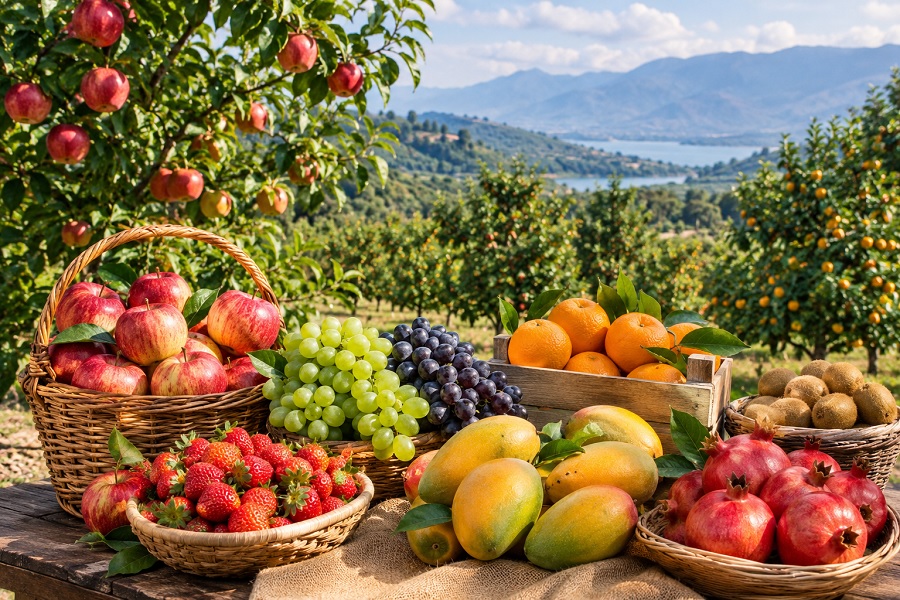
Tropical fruit mocktails are prepared using fresh fruits such as mango, pineapple, watermelon, orange and passion fruit. They are popular in coastal destinations and tropical resorts.
4.2 Traditional Indian Beverage Experiences
India offers a wide variety of traditional non-alcoholic refreshments, including aam panna, jaljeera, kokum sherbet, masala chaas, nimbu pani and thandai. Travellers can discover regional ingredients and traditional preparation methods.
4.3 Herbal and Botanical Mocktails
These beverages use ingredients such as mint, basil, ginger, rosemary, cucumber and lemongrass. They provide distinctive flavours and are popular in wellness-focused cafés and luxury hotels.
4.4 Café and Restaurant Mocktail Experiences
Many cafés and restaurants create signature mocktails using fresh fruit, natural syrups, herbs, spices and sparkling water. Visitors can explore local beverage menus and seasonal creations.
4.5 Wellness Mocktail Experiences
Wellness-focused mocktails often feature fresh ingredients, naturally flavoured water, fruit combinations and herbal infusions. They are commonly offered at wellness resorts, spas and health-focused hospitality venues.
4.6 Luxury Resort Mocktail Experiences
Luxury hotels and resorts create customised mocktails for guests using premium ingredients, attractive presentation and destination-inspired flavours.
5. Popular Mocktail Tourism Destinations in India
India has several destinations where visitors can explore creative beverages and regional refreshments.
5.1 Mumbai, Maharashtra
Mumbai offers a diverse café and restaurant culture, including fresh fruit drinks, innovative mocktails and traditional refreshments.
5.2 Goa
Goa is known for its tropical atmosphere, coastal cafés and fruit-based beverages. Visitors can enjoy coconut, pineapple, mango and other refreshing drink combinations.
5.3 Jaipur, Rajasthan
Jaipur offers opportunities to explore traditional Indian refreshments alongside modern mocktail experiences at cafés, restaurants and heritage hotels.
5.4 Bengaluru, Karnataka
Bengaluru has a vibrant café culture, with restaurants offering creative non-alcoholic drinks, herbal beverages and innovative fruit combinations.
5.5 Kerala
Kerala provides refreshing beverage experiences inspired by coconut, tender coconut water, spices, local fruits and traditional drinks.
6. Popular Ingredients Used in Mocktails
Ingredient Common use
Mango Tropical fruit mocktails
Pineapple Sweet and tangy beverages
Watermelon Light summer refreshments
Mint Fresh and cooling drinks
Lemon Citrus-based mocktails
Ginger Spicy and refreshing combinations
Cucumber Light botanical beverages
Basil Herbal mocktail recipes
Coconut water Tropical refreshments
Kokum Traditional regional drinks
7. Activities Included in Mocktail Tourism
Mocktail tourism offers visitors opportunities to participate in different beverage-related activities.
- Mocktail-making workshops: Learn how to prepare creative non-alcoholic beverages.
- Local beverage tasting: Discover traditional drinks and regional flavours.
- Fruit market visits: Explore fresh fruits, herbs and locally sourced ingredients.
- Café exploration: Visit popular cafés and restaurants offering signature mocktails.
- Beverage festivals: Experience events celebrating creative drinks and refreshments.
- Resort beverage experiences: Enjoy specially prepared drinks at hotels and wellness resorts.
- Culinary tours: Combine mocktail tasting with local food experiences.
8. Role of Hotels and Restaurants in Mocktail Tourism
Hotels and restaurants play an important role in developing mocktail tourism. They can create attractive beverage menus that reflect local culture and modern customer preferences.
Important hospitality services include:
- Specialised non-alcoholic beverage menus.
- Fresh and seasonal drink options.
- Customised mocktail preparation.
- Professional beverage presentation.
- Mocktail-making demonstrations.
- Locally sourced ingredients.
- Family-friendly dining experiences.
These services help hospitality businesses improve customer satisfaction and create memorable dining experiences.
9. Benefits of Mocktail Tourism
Mocktail tourism provides benefits for travellers, hospitality businesses and local communities.
For travellers:
- More non-alcoholic beverage choices.
- Opportunities to discover regional flavours.
- Family-friendly food experiences.
- Creative and interactive activities.
- Wellness-focused refreshment options.
For local businesses:
- Increased demand for creative beverages.
- New opportunities for cafés and restaurants.
- Promotion of local fruits and ingredients.
- Better visibility for regional beverage traditions.
- Opportunities to attract international and domestic tourists.
For destinations:
- Development of culinary tourism.
- Promotion of local food culture.
- Support for small beverage producers.
- Diversification of tourism experiences.
10. Sustainability in Mocktail Tourism
Sustainability is becoming an important consideration in modern beverage tourism. Hotels, cafés and restaurants can introduce responsible practices to reduce environmental impact.
Recommended practices include:
- Using locally grown fruits and seasonal ingredients.
- Reducing single-use plastic cups and straws.
- Offering reusable or recyclable packaging.
- Minimising food and beverage waste.
- Supporting local farmers and suppliers.
- Using water responsibly during beverage preparation.
- Choosing sustainable sourcing and storage methods.
These practices can support local economies while promoting environmentally responsible hospitality.
11. Challenges in Mocktail Tourism
Despite its growing popularity, mocktail tourism faces several challenges.
- Limited awareness of mocktail tourism as a travel experience.
- Seasonal availability of fresh fruits and ingredients.
- Inconsistent beverage quality across hospitality businesses.
- Higher costs for premium ingredients.
- Limited professional beverage training in some establishments.
- Difficulty maintaining unique and creative menus.
- Competition from established food and beverage experiences.
Hotels and restaurants can address these challenges through staff training, quality ingredients, seasonal menus and better promotion.
12. Future Trends in Mocktail Tourism
Mocktail tourism is expected to develop alongside changing consumer preferences and hospitality innovations.
Emerging trends include:
1. Alcohol-free beverage menus: More hotels and restaurants are expanding their non-alcoholic selections.
2. Regional flavour experiences: Traditional ingredients are being used in modern beverage recipes.
3. Personalised mocktails: Customers can choose flavours and ingredients based on their preferences.
4. Sustainable beverages: Locally sourced and seasonal ingredients are gaining attention.
5. Interactive workshops: Travellers are showing interest in hands-on beverage preparation.
6. Wellness-focused drinks: Herbal infusions and fresh fruit combinations are becoming popular.
7. Technology-driven menus: Digital menus and customised recommendations can improve beverage selection.
8. Mocktail festivals: Special events can help promote creative non-alcoholic beverages.
13. Tips for Travellers Exploring Mocktail Tourism
- Research cafés and restaurants known for non-alcoholic drinks.
- Try traditional beverages made with local ingredients.
- Ask about seasonal mocktail specials.
- Participate in beverage preparation workshops.
- Explore local fruit markets and food festivals.
- Choose establishments that follow sustainable practices.
- Check ingredient details if you have food allergies or dietary restrictions.
14. Conclusion
Mocktail tourism is creating new opportunities in food and beverage tourism by bringing together creative refreshments, regional traditions and modern hospitality. It allows travellers to explore different cultures through non-alcoholic beverages while enjoying unique culinary experiences.
From tropical fruit mocktails in Goa to traditional Indian refreshments in Rajasthan and Maharashtra, every destination can offer distinctive beverage experiences. With growing interest in wellness, sustainability and inclusive dining, mocktail tourism has the potential to become an important part of the global travel and hospitality industry.