Sugarcane Juice Tourism in India: Discovering Traditional Drinks and Local Food Culture
Sugarcane Juice Tourism: Exploring Traditional Refreshment Culture in India
Introduction
Sugarcane juice tourism offers travelers an opportunity to explore India's traditional beverage culture through local markets, sugarcane farms, roadside juice stalls, and regional food experiences. Known for its naturally sweet taste and refreshing character, sugarcane juice is a popular drink enjoyed across many parts of India, especially during hot weather.
From busy city streets to rural agricultural communities, sugarcane juice reflects the connection between farming, local food traditions, and everyday Indian life. Travelers interested in culinary tourism can discover how sugarcane is cultivated, harvested, transported, and transformed into a refreshing beverage.
Sugarcane juice tourism combines food exploration with agricultural learning and cultural discovery, making it an interesting experience for domestic and international visitors.
The Cultural Significance of Sugarcane Juice in India
Sugarcane has played an important role in Indian agriculture and food production for centuries. India is one of the world's major sugarcane-producing countries, and the crop supports farmers, sugar mills, jaggery makers, and many related industries.
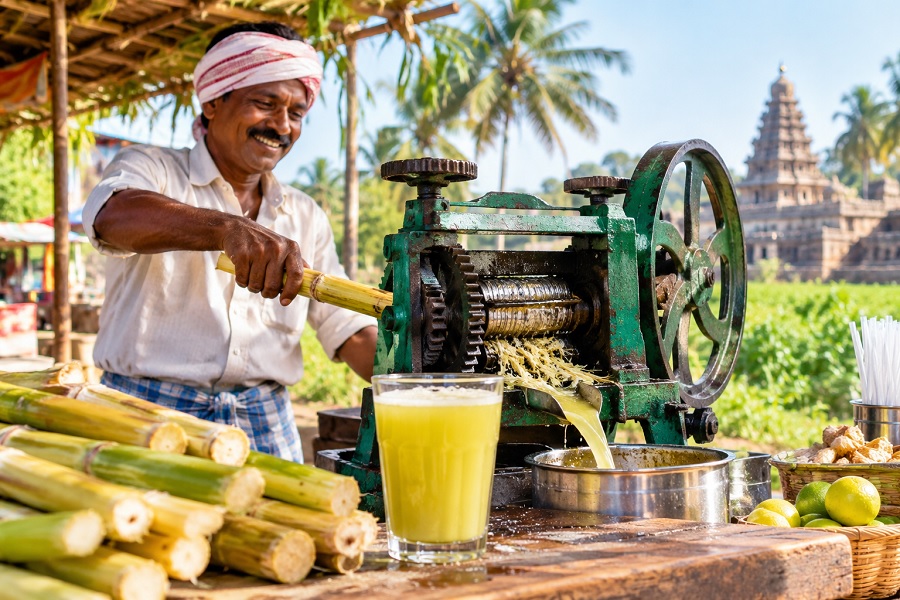
Fresh sugarcane juice is commonly sold at roadside stalls, local markets, fairs, and seasonal food festivals. Vendors often prepare it using mechanical crushers that extract the juice from freshly cut sugarcane.
Depending on local preferences, the juice may be served plain or with ingredients such as lemon, ginger, or mint. These variations create different flavors while maintaining the drink's traditional character.
For tourists, visiting a sugarcane juice stall provides a simple way to experience everyday food culture and observe how local vendors serve customers.
Exploring Sugarcane Farms and Agricultural Tourism
One of the most interesting aspects of sugarcane juice tourism is the opportunity to explore the agricultural process behind the beverage.
Sugarcane farms can help visitors understand how the crop grows, how farmers manage irrigation, and how harvesting is carried out. Depending on the region and season, guided farm visits may include demonstrations of harvesting methods and discussions about agricultural livelihoods.
Farm-based tourism can also introduce travelers to the journey from sugarcane cultivation to juice extraction, jaggery production, and sugar processing.
Such experiences highlight the work of farmers and agricultural workers while helping visitors understand the importance of responsible water use, soil management, and sustainable farming practices.
Popular Sugarcane Juice Destinations in India
Several Indian states are known for sugarcane cultivation and traditional sugarcane juice consumption.
1. Maharashtra
Maharashtra has a strong sugarcane-growing tradition, particularly in parts of western Maharashtra. Districts such as Pune, Kolhapur, Sangli, and Satara are associated with sugarcane cultivation and sugar production.
Visitors can explore local markets, agricultural landscapes, and regional food stalls to learn about the crop's importance to the state's rural economy.
2. Uttar Pradesh
Uttar Pradesh is a major sugarcane-producing state. Rural areas and market towns provide opportunities to understand the connection between sugarcane farming, sugar mills, and traditional food businesses.
3. Karnataka
Parts of northern Karnataka have established sugarcane-growing and sugar-processing industries. Travelers can explore local agricultural traditions and regional beverage culture where farm visits and visitor access are available.
4. Tamil Nadu
Sugarcane is grown in several parts of Tamil Nadu, and the crop is associated with traditional harvest celebrations. During Pongal, sugarcane is commonly displayed and enjoyed as part of the festive atmosphere.
5. Punjab and Haryana
Sugarcane cultivation and sugar-processing activities also contribute to agricultural life in parts of northern India. Visitors can explore regional markets and rural food traditions where suitable tourism experiences are available.
Travelers should contact farms or local tourism providers in advance to confirm whether guided visits are offered.
Traditional Sugarcane Juice Preparation
The preparation of fresh sugarcane juice is an important part of the visitor experience.
The process generally includes selecting suitable sugarcane stalks, cleaning them, removing unwanted outer material when necessary, and feeding the stalks into a juice extractor. The extracted juice is collected and served fresh.
Some vendors add lemon juice, ginger, or mint for extra flavor. Others serve it with ice, depending on customer preferences and local practices.
Visitors can observe the preparation process and learn about the tools and techniques used by vendors. For a safer food experience, travelers should choose stalls that use clean equipment, potable water, clean serving containers, and hygienic handling practices.
Sugarcane Juice and Indian Street Food Tourism
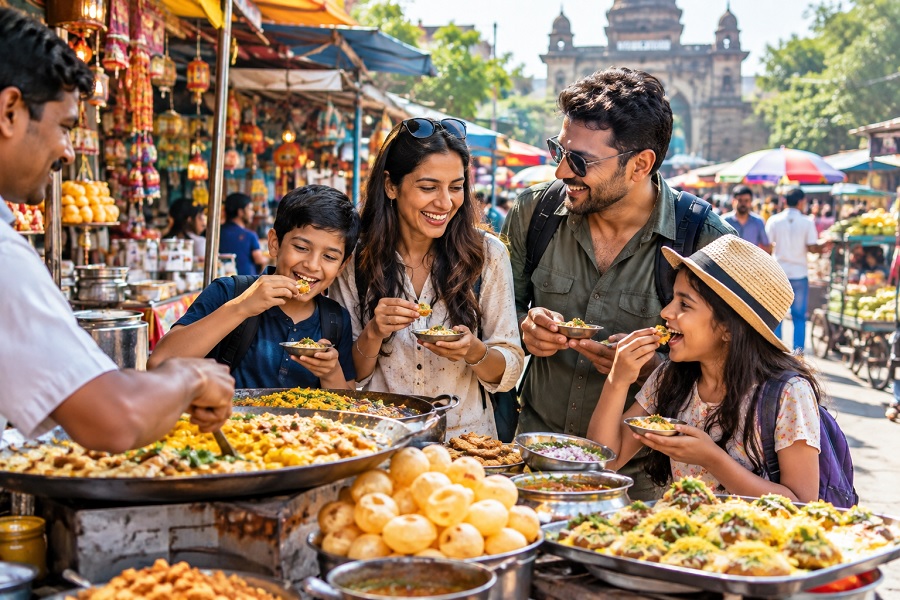
Street food tourism allows visitors to experience a destination through its local flavors, food traditions, and everyday dining culture. Sugarcane juice fits naturally into this experience because it is commonly available alongside regional snacks and market foods.
Travelers can combine a visit to a juice stall with a walking tour of a traditional market, a local food trail, or a visit to a nearby agricultural area.
In different regions, sugarcane juice may be enjoyed with savory snacks or during breaks from shopping and sightseeing. These everyday experiences help tourists understand how traditional beverages fit into local routines.
Responsible food tourism also encourages visitors to support small vendors, respect local customs, and avoid generating unnecessary packaging waste.
Seasonal Importance of Sugarcane Juice
Sugarcane juice is particularly popular during warm weather because it is served as a refreshing beverage. Availability varies according to local sugarcane supplies, business practices, and seasonal conditions.
In many Indian destinations, summer provides an opportunity to explore traditional juice stalls and local beverage markets. However, travelers should not assume every vendor operates year-round.
Agricultural tourism follows a different schedule from street food tourism. Farm visits depend on regional growing conditions, harvesting periods, and arrangements made with farmers.
Planning a trip around both local food culture and agricultural activities can offer a more complete understanding of sugarcane production.
Sugarcane Juice Tourism and Local Economic Benefits
Sugarcane juice tourism can create opportunities for several groups within the local economy.
Small juice vendors may benefit from increased visitor interest, while farmers can gain additional visibility for their agricultural products. Local guides, transport providers, food businesses, and rural tourism operators may also benefit when visitors explore agricultural regions.
Visitors can contribute by purchasing beverages from reputable local vendors, joining authorized farm tours, and learning about the challenges faced by agricultural communities.
Tourism should complement farming rather than interfere with agricultural work. Farm visits should be arranged with permission, and visitors should follow safety instructions around machinery and working fields.
Responsible and Sustainable Sugarcane Juice Tourism
Sustainable tourism encourages visitors and businesses to reduce environmental impacts while supporting local livelihoods.
Sugarcane juice experiences can incorporate several responsible practices:
Choose vendors who follow appropriate food hygiene practices.
Carry a reusable cup where practical and accepted by the vendor.
Dispose of sugarcane residue and other waste in designated places.
Avoid wasting drinking water during visits.
Support farms that explain their agricultural and resource-management practices.
Respect private farmland and obtain permission before entering.
Learn about irrigation requirements and water conservation in sugarcane cultivation.
Sugarcane production can require substantial water resources, depending on the climate, soil, and irrigation methods. Responsible agricultural tourism can help visitors understand these challenges and the importance of efficient water management.
Food Safety Tips for Travelers
Fresh sugarcane juice can be enjoyable, but safe preparation is essential.
Travelers should choose stalls where sugarcane is stored appropriately and crushing equipment is visibly clean. Utensils and glasses should be clean, and water or ice added to the beverage should come from a safe source.
People with concerns about foodborne illness should avoid juice prepared under unhygienic conditions. Travelers should also be aware that sugarcane juice contains naturally occurring sugars, so those monitoring their sugar intake may wish to limit their consumption.
Good food safety practices help make culinary tourism more enjoyable and reduce avoidable health risks.
Best Time to Experience Sugarcane Juice Tourism
The ideal time to explore sugarcane juice tourism depends on the destination and the type of experience desired.
Summer: A suitable period to explore traditional juice stalls in many warm Indian destinations.
Harvest periods: Useful for visitors interested in sugarcane farming, harvesting, and agricultural demonstrations, subject to regional schedules.
Local festivals: An opportunity to discover sugarcane's cultural role in celebrations such as Pongal and other harvest-related events.
Before traveling, visitors should check local weather conditions, crop schedules, festival dates, and the availability of guided agricultural experiences.
The Future of Sugarcane Juice Tourism
Sugarcane juice tourism has potential to become part of wider culinary and agricultural tourism programs. Food trails, farm visits, local beverage festivals, and educational agricultural tours can introduce visitors to the journey from crop cultivation to the final drink.
Digital maps and online travel guides can help tourists discover local vendors and farms that welcome visitors. Tourism businesses can also develop experiences combining sugarcane juice preparation with traditional food demonstrations and rural heritage tours.
For long-term success, these initiatives should prioritize food safety, responsible water use, fair benefits for local communities, and respect for agricultural working environments.
Conclusion
Sugarcane Juice Tourism: Exploring Traditional Refreshment Culture in India offers a distinctive way to discover the country's agricultural heritage, street food traditions, and regional beverage culture.
From sugarcane farms in Maharashtra and Uttar Pradesh to traditional juice stalls in busy markets, the experience connects visitors with farmers, local vendors, and everyday culinary traditions. It also provides opportunities to learn about sustainable agriculture, food hygiene, and responsible tourism.
By supporting local businesses, respecting farming communities, and choosing hygienic food establishments, travelers can enjoy an authentic Indian beverage experience while contributing to local livelihoods and cultural preservation.