Traditional Food Festival Tourism
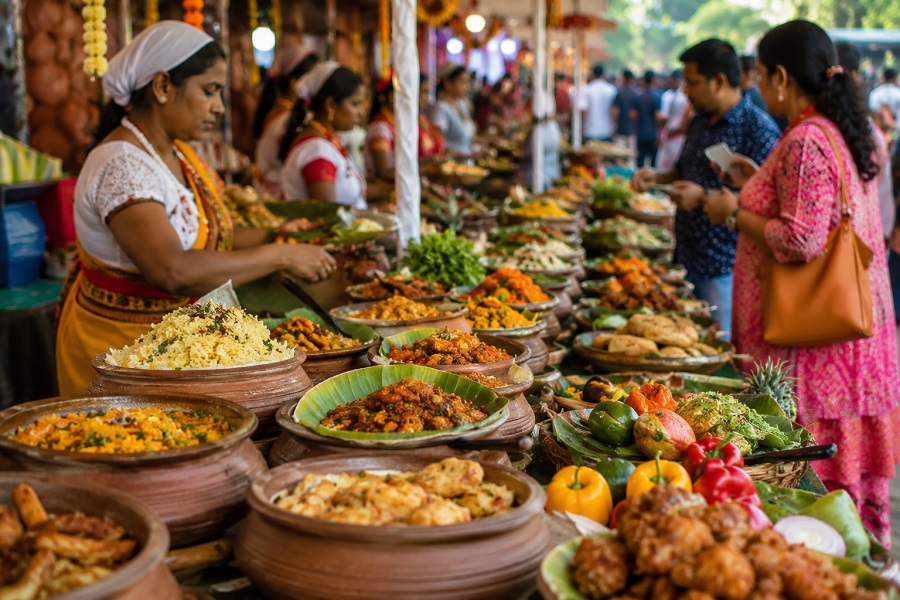
Traditional Food Festival Tourism: Exploring Culture Through Culinary Celebrations
Introduction
Traditional Food Festival Tourism is one of the fastest-growing segments of cultural tourism, attracting travelers who wish to experience authentic local cuisine, traditions, and community celebrations. Food festivals offer much more than delicious meals; they provide a unique opportunity to explore a destination's history, culture, customs, and way of life through its culinary heritage.
From vibrant street food festivals in Asia to wine and cheese festivals in Europe, these events bring together locals and visitors to celebrate regional flavors, cooking techniques, and agricultural traditions. As travelers increasingly seek authentic experiences, food festival tourism continues to gain popularity worldwide.
What is Traditional Food Festival Tourism?
Traditional Food Festival Tourism involves traveling to destinations specifically to attend culinary festivals that showcase local dishes, traditional cooking methods, and regional ingredients. These festivals often feature food tastings, cooking demonstrations, cultural performances, artisan markets, and community celebrations.
Food festivals help preserve culinary traditions while creating memorable experiences for visitors. They also provide economic opportunities for local farmers, chefs, food producers, and small businesses.
Why Food Festivals Attract Travelers
Authentic Cultural Experiences
Food is a powerful expression of culture. Traditional food festivals allow visitors to experience local customs, family recipes, and centuries-old cooking traditions that have been passed down through generations.
Unique Culinary Discoveries
Travelers can sample rare regional specialties and traditional dishes that may not be available elsewhere. These authentic flavors create unforgettable travel memories.
Community Engagement
Food festivals encourage interaction between visitors and local communities. Guests can learn directly from chefs, artisans, and residents about the stories behind traditional recipes and ingredients.
Entertainment and Celebration
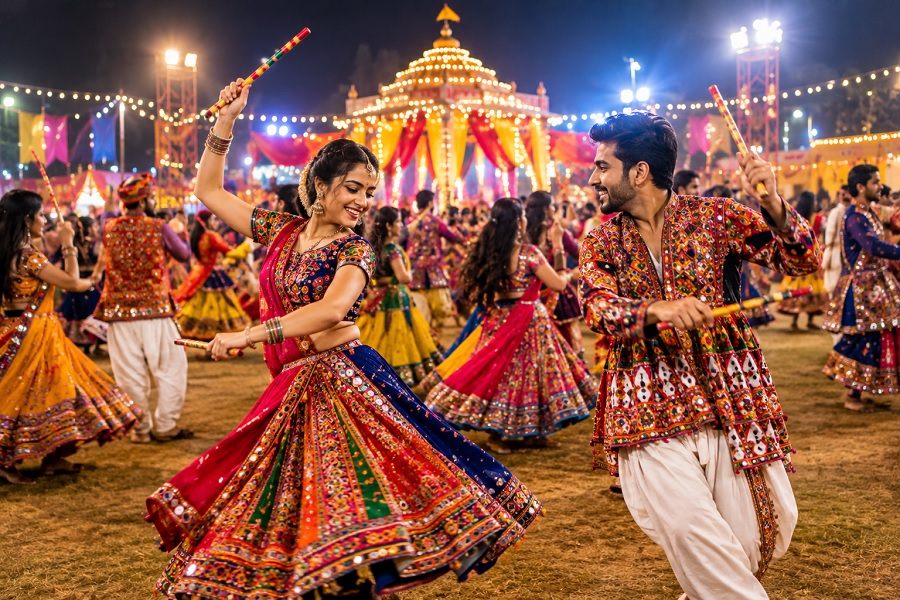
Many food festivals combine culinary experiences with music, dance, folk performances, and cultural activities, creating a lively and festive atmosphere.
Popular Traditional Food Festivals Around the World
Italy
Italy hosts numerous food festivals celebrating pasta, truffles, olive oil, wine, and regional specialties. Visitors can explore authentic Italian cuisine while enjoying local traditions.
India
India's food festivals showcase diverse regional cuisines, including street food, traditional sweets, spices, and local delicacies. Festivals often feature cultural performances and artisan markets.
Thailand
Thai food festivals highlight famous dishes such as Pad Thai, Som Tam, and traditional curries. Visitors can enjoy cooking demonstrations and authentic market experiences.
Japan
Japanese food festivals celebrate sushi, ramen, seafood, sake, and seasonal specialties. These events reflect Japan's deep culinary heritage and attention to detail.
Spain
Spain's food festivals feature tapas, seafood, paella, and wine, attracting visitors seeking vibrant culinary experiences and cultural celebrations.
Benefits of Traditional Food Festival Tourism
Supports Local Economies
Food festivals generate income for local businesses, restaurants, hotels, farmers, and artisans. Increased visitor spending helps strengthen regional economies.
Preserves Culinary Heritage
Festivals encourage communities to maintain traditional cooking techniques and protect unique regional recipes from being lost over time.
Promotes Sustainable Tourism
Many food festivals emphasize local ingredients, seasonal produce, and sustainable agricultural practices, supporting environmentally responsible tourism.
Enhances Destination Branding
Successful food festivals help destinations build strong tourism identities and attract repeat visitors interested in cultural and culinary experiences.
Emerging Trends in Food Festival Tourism
Farm-to-Table Experiences
Visitors increasingly seek direct connections with local farmers and food producers through interactive culinary experiences.
Sustainable Food Festivals
Many events are reducing food waste, eliminating single-use plastics, and promoting eco-friendly practices.
Culinary Workshops
Hands-on cooking classes and traditional recipe demonstrations are becoming popular attractions at food festivals.
Fusion of Culture and Cuisine
Modern festivals combine food experiences with cultural storytelling, heritage tours, music, and art exhibitions.
Tips for Travelers
Research festival dates and book accommodations early.
Try local specialties and seasonal dishes.
Participate in cooking workshops and demonstrations.
Support local vendors and artisans.
Learn about the cultural significance of traditional foods.
Respect local customs and traditions during celebrations.
Conclusion
Traditional Food Festival Tourism offers travelers a unique way to connect with cultures through authentic culinary experiences. These festivals celebrate local traditions, preserve culinary heritage, support communities, and create unforgettable memories for visitors. As cultural and experiential tourism continue to grow, traditional food festivals remain among the most engaging and rewarding travel experiences available today. Whether tasting regional delicacies, learning ancient cooking methods, or participating in vibrant community celebrations, food festival tourism provides a delicious journey into the heart of a destination's culture.