Social Media for Food Tourism: How Digital Platforms Are Shaping Culinary Travel
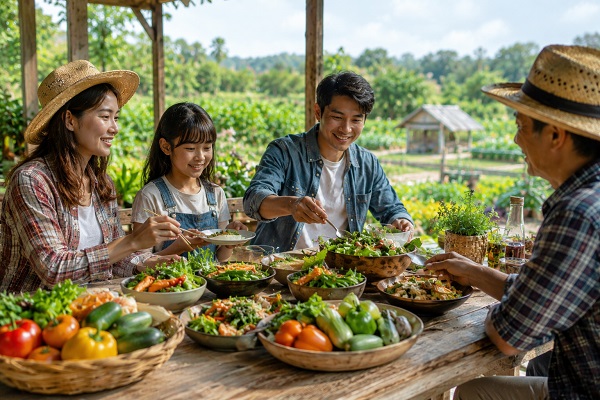
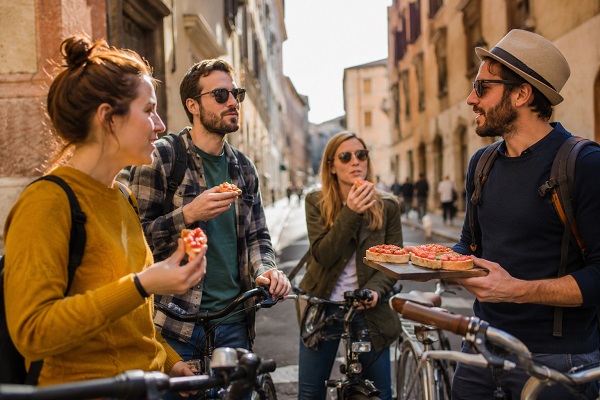
Food tourism has evolved far beyond traditional travel experiences. Today, social media plays a powerful role in influencing where people travel, what they eat, and how they experience local cultures through food. Platforms like Instagram, YouTube, TikTok, and Facebook have transformed food into a visual, shareable journey that inspires millions of travelers worldwide.
The Rise of Visual Food Discovery
Social media has turned food into a form of storytelling. Travelers now discover destinations not only through travel guides but through viral food videos, restaurant reels, and influencer recommendations. A single trending dish can make a small local eatery internationally famous overnight.
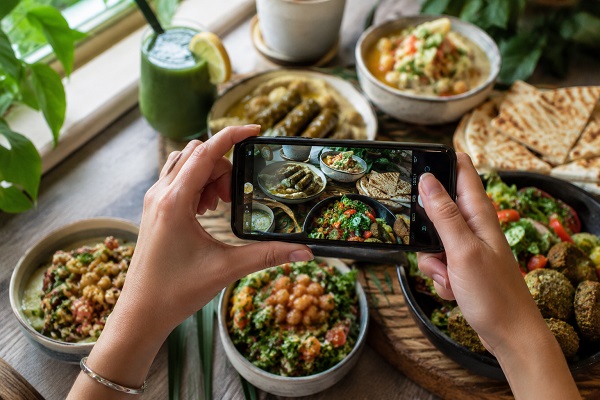
Instagram feeds filled with colorful dishes, street food clips on TikTok, and detailed food vlogs on YouTube allow users to “taste” destinations before they even arrive. This visual exposure directly impacts travel decisions, especially among millennials and Gen Z travelers.
Influencers Driving Food Tourism Trends
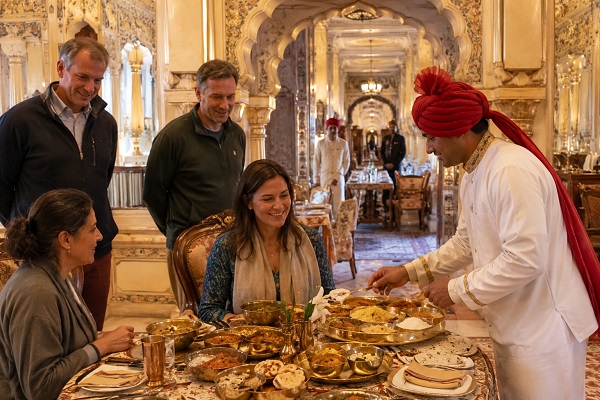
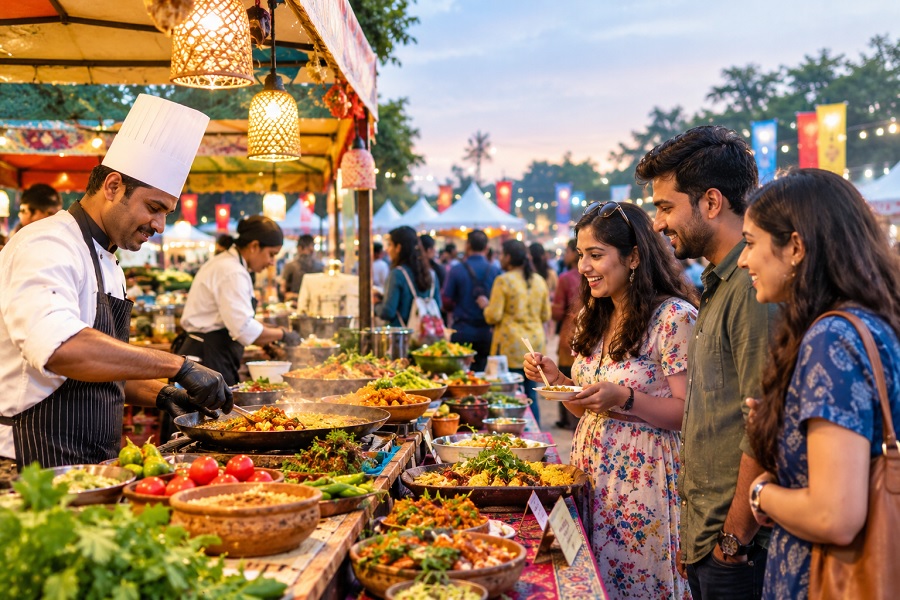
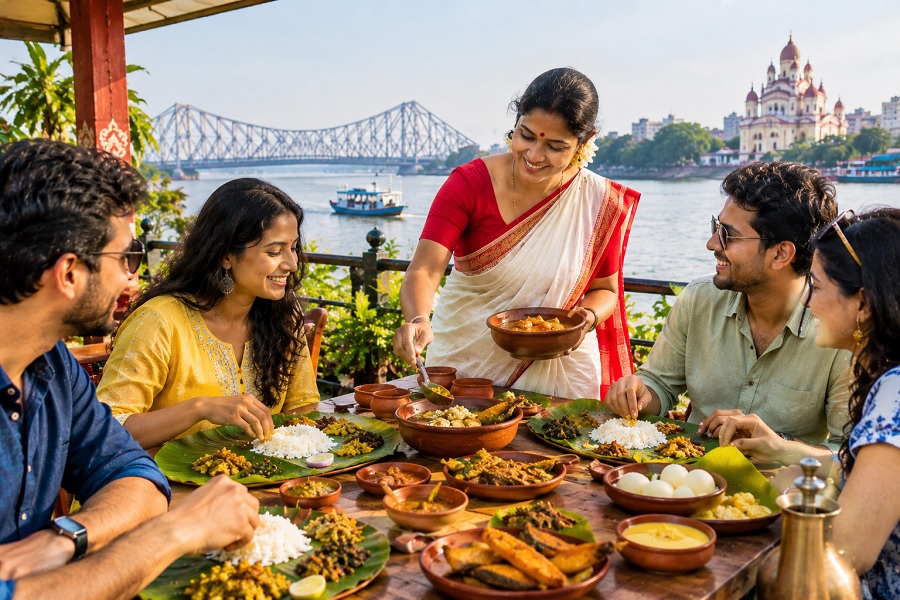
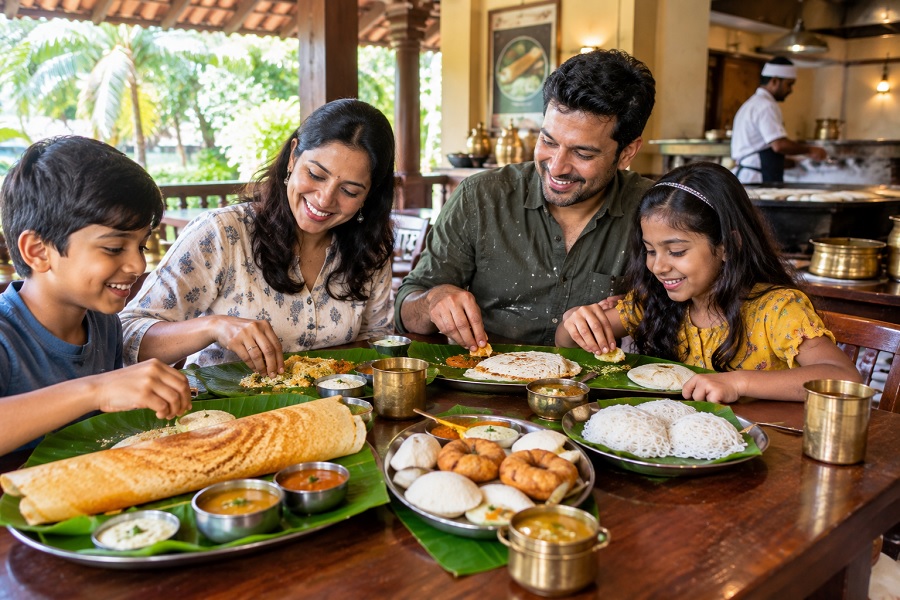
Food influencers and travel bloggers are now key players in tourism marketing. Their reviews, storytelling style, and authentic experiences help build trust among audiences. Whether it’s trying authentic sushi in Japan, street food in Bangkok, or traditional thalis in India, influencers shape curiosity and demand.
Micro-influencers, in particular, are becoming more powerful because their recommendations feel more personal and relatable compared to large commercial advertisements.
Hashtag Culture and Viral Food Spots
Hashtags like #FoodTourism, #StreetFoodLovers, and #FoodieTravel help categorize and amplify content. Viral trends such as “hidden cafes,” “offbeat food trails,” and “local delicacy challenges” often turn unknown destinations into global hotspots.
Restaurants and tourism boards now actively use hashtags to promote regional cuisine and attract global visitors.
Impact on Local Economies
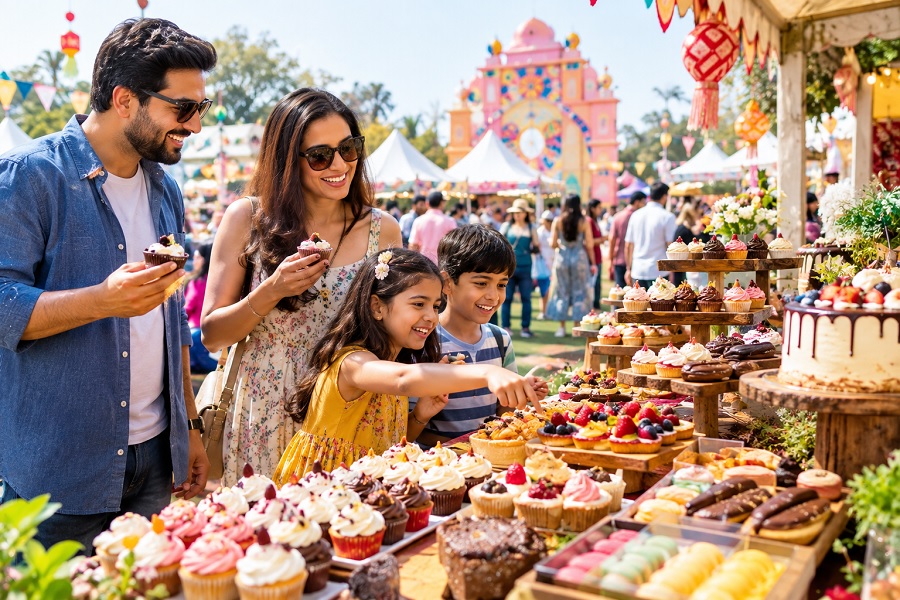
Social media-driven food tourism benefits local businesses significantly. Small restaurants, street vendors, and regional food festivals gain visibility without heavy marketing budgets. This digital exposure increases footfall, boosts revenue, and supports local livelihoods.
However, it also brings challenges like overcrowding, rising prices, and pressure on maintaining authenticity.
The Future of Food Tourism
The future of food tourism is deeply digital. Augmented reality menus, virtual food tours, and AI-driven travel recommendations are already emerging trends. Social media will continue to bridge the gap between food culture and global travelers, making culinary exploration more accessible than ever.