Navratri Food Photography Guide 2026: Capturing Traditional Fasting Dishes and Festive Flavours
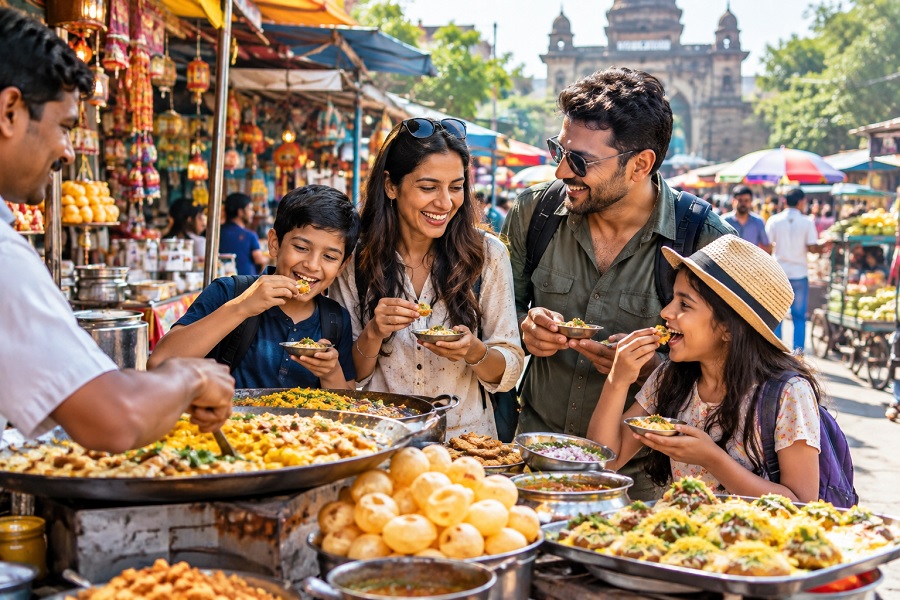
Navratri Food Photography Tours: Capturing Colourful Festive Dishes
Introduction
Navratri is one of India's most vibrant festivals, celebrated with devotion, traditional customs, colourful decorations, and a wide variety of festive foods. For food lovers, travel enthusiasts, and photography enthusiasts, Navratri offers an excellent opportunity to explore regional culinary traditions while capturing beautiful images of traditional dishes and beverages.
Navratri food photography tours combine food tourism, cultural exploration, and visual storytelling. These tours allow visitors to discover traditional fasting meals, colourful fruit platters, festive sweets, refreshing beverages, and regional specialties prepared during the nine-day festival.
From delicious sabudana khichdi and farali thalis to fresh fruit juices and traditional milk-based drinks, Navratri provides countless subjects for food photography. Travellers can explore local markets, restaurants, food festivals, and traditional kitchens to understand the cultural significance of festive cuisine.
1. What Are Navratri Food Photography Tours?
Navratri food photography tours are travel experiences designed for people interested in photographing traditional festival dishes and exploring regional food culture. These tours may include visits to popular restaurants, local food markets, traditional sweet shops, and culinary workshops.
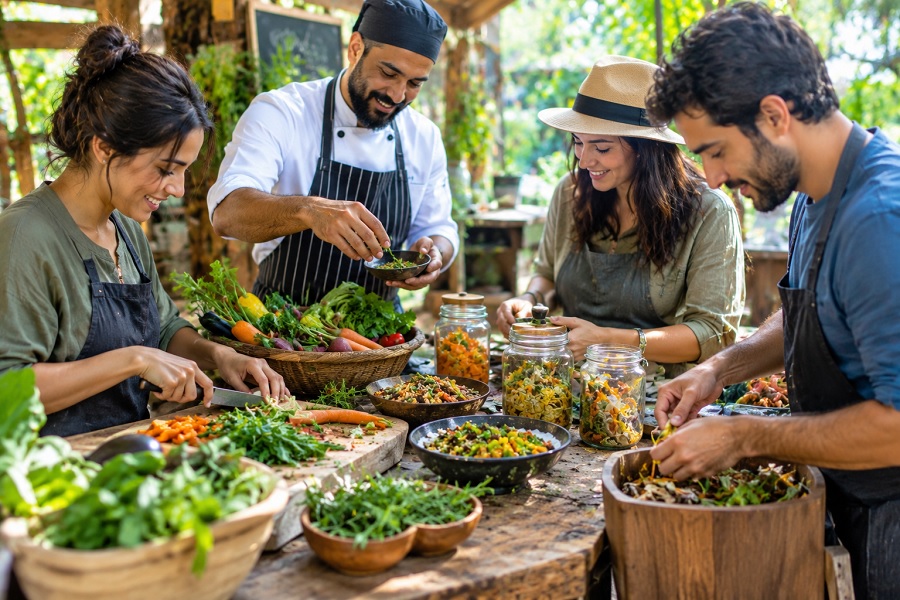
Participants can photograph the preparation and presentation of festive dishes while learning about ingredients, cooking methods, and regional customs. The experience combines culinary discovery with photography techniques, making it suitable for beginners and experienced photographers.
Food bloggers, travel writers, social media creators, professional photographers, and cultural tourists can all benefit from these experiences.
2. Popular Navratri Foods to Photograph
Navratri fasting traditions vary by region, family, and individual practice. Many people prepare special dishes using ingredients permitted under their chosen fasting customs.
Sabudana Khichdi
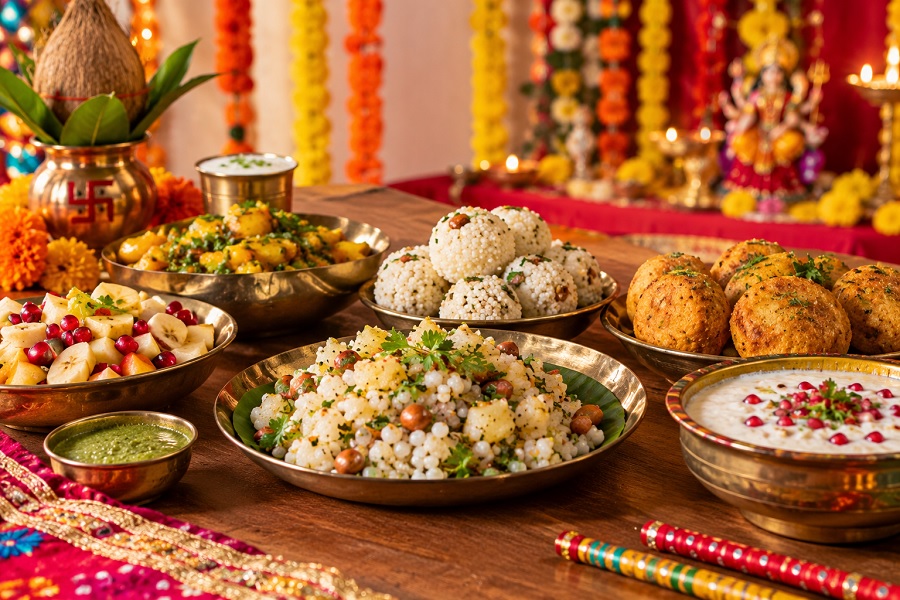
Sabudana khichdi is a popular fasting dish made with tapioca pearls, peanuts, potatoes, and selected spices. Its light colour, contrasting ingredients, and fresh coriander garnish make it an attractive subject for food photography.
Photographers can capture the texture of the tapioca pearls, the preparation process, and the final presentation served on a traditional plate.
Farali Thali
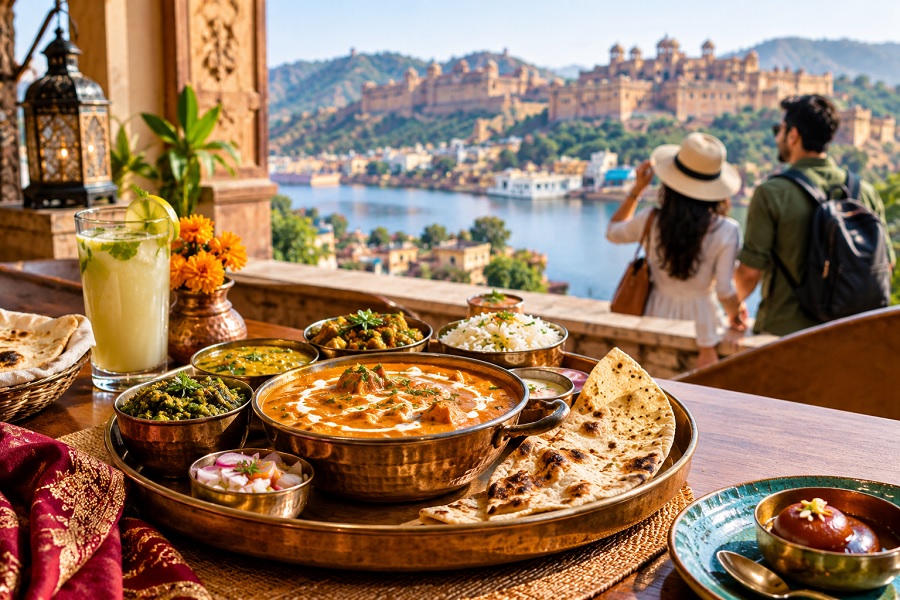
A farali thali brings together different fasting-friendly dishes in one meal. Depending on regional traditions, it may include sabudana preparations, potato dishes, vrat-friendly flatbreads, yoghurt, and selected sweets.
Photographing the entire thali from above helps showcase its variety, colours, and arrangement. Close-up photographs can highlight the textures and ingredients of individual dishes.
Kuttu and Singhara Flour Dishes
Buckwheat flour, commonly called kuttu flour, and water chestnut flour, often called singhara flour, are used in various fasting recipes.
These ingredients may be prepared into puris, rotis, or other regional dishes, depending on local customs. Photographers can capture the flour, dough preparation, cooking process, and finished dishes to tell a complete culinary story.
Makhana Snacks
Makhana, also known as fox nuts, is frequently used in fasting recipes. Roasted makhana, makhana curry, and sweet preparations offer different colours and textures for photography.
Photographing the ingredients alongside the finished dish can help explain how a simple ingredient becomes part of a festive meal.
Traditional Navratri Sweets
Festive sweets made with ingredients such as milk, nuts, fruits, and permitted sweeteners can add variety to a food photography collection.
The creamy textures of kheer, the rich appearance of dry fruit preparations, and the natural colours of fruit-based desserts provide opportunities for detailed close-up images.
3. Capturing Colourful Navratri Beverages
Beverages are an important part of festive food photography. Fresh fruit juices, coconut water, lassi, buttermilk, milkshakes, and fruit-based mocktails can provide colourful subjects for photographers.
Fresh Fruit Juices
Juices made from oranges, pomegranates, watermelons, and other seasonal fruits offer natural colours and textures. Photographers can place the beverage alongside the fresh fruit used to prepare it.
Natural daylight can help reveal the drink's colour and freshness. Clean glassware and simple backgrounds also make the composition more attractive.
Milk-Based Drinks
Traditional milk-based beverages and fruit smoothies can be photographed using ingredients such as milk, bananas, dates, and nuts, depending on the recipe.
Photographers can experiment with overhead shots, close-up compositions, and images showing the pouring process.
Coconut Water and Refreshing Drinks
Coconut water and other refreshing non-alcoholic beverages can complement photographs of traditional fasting meals. Using natural props such as fresh coconuts, fruit, and leaves can create a fresh, seasonal appearance.
When documenting festival cuisine, photographers should accurately identify the ingredients and avoid making unsupported claims about health benefits.
4. Best Destinations for Navratri Food Photography Tours
India offers a wide range of destinations for exploring Navratri food traditions. The best destination depends on the cuisine, local events, and photography opportunities available during the visit.
Ahmedabad, Gujarat
Ahmedabad is known for its Gujarati food culture and lively Navratri celebrations. Visitors can explore restaurants serving fasting menus, traditional sweet shops, and local markets selling festive ingredients.
Photography opportunities include farali dishes, traditional Gujarati food presentations, festive snacks, and the atmosphere of local dining venues.
Vadodara, Gujarat
Vadodara is another destination associated with Navratri celebrations. Travellers may discover local eateries offering festival specials and food experiences connected with Gujarati traditions.
Photographers can focus on plated dishes, cooking methods, traditional ingredients, and the presentation of festive meals.
Mumbai, Maharashtra
Mumbai offers a diverse food scene, including restaurants and eateries serving Navratri fasting menus. Food photography tours can include traditional snacks, festive thalis, fruit juices, and sweets.
Local markets and neighbourhood food establishments can also provide opportunities to document the ingredients and culinary traditions behind festival dishes.
Pune, Maharashtra
Pune offers opportunities to explore fasting-friendly restaurant menus, traditional Maharashtrian dishes, sweet shops, and local food markets.
Visitors can document the preparation and presentation of sabudana dishes, potato-based recipes, fasting snacks, and festive beverages.
Indore, Madhya Pradesh
Indore is known for its diverse food culture and popular street-food destinations. During Navratri, visitors may find selected eateries offering fasting-friendly options.
Photographers should check menus and ingredient information in advance because not every street-food item follows fasting requirements.
5. Food Photography Techniques for Navratri Dishes
Capturing attractive food photographs requires attention to lighting, composition, colour, and detail.
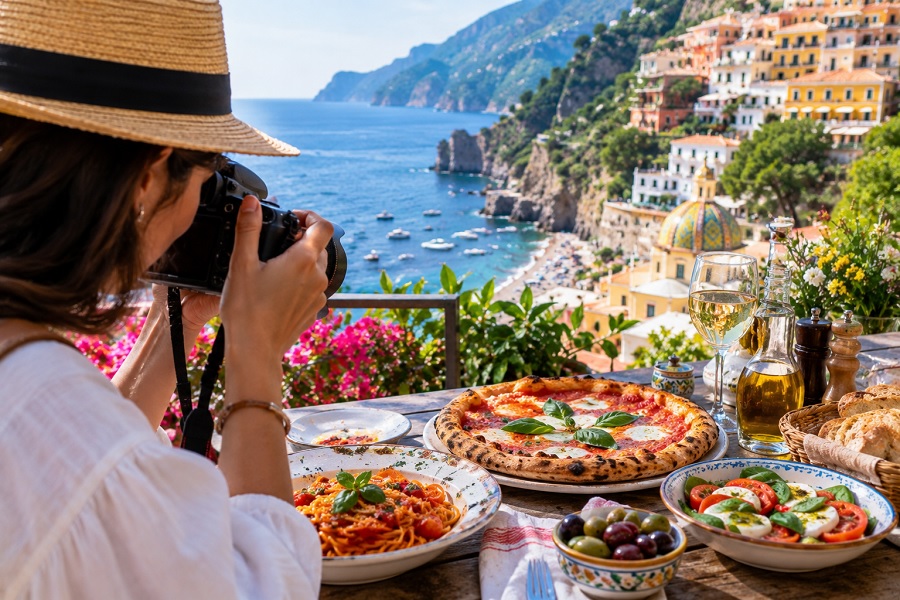
Use natural light: Photograph dishes near a window or in a shaded outdoor setting when possible. Soft natural light helps reveal textures without creating harsh shadows.
Choose suitable angles: Overhead photography works well for thalis and food spreads, while a 45-degree angle can highlight the depth of bowls, drinks, and plated dishes.
Focus on details: Capture the texture of sabudana pearls, the garnish on a fasting dish, the surface of a dessert, or the condensation on a chilled beverage.
Keep backgrounds simple: Traditional plates, wooden tables, neutral fabrics, and a few relevant props can complement the food without distracting from it.
Experiment with colours: Bright fruits, green herbs, creamy desserts, and colourful serving dishes can create visual contrast.
Capture the cooking process: Photographs of ingredients being prepared, food being cooked, and dishes being served help tell a more complete story.
6. Essential Equipment for Food Photography Tours
Travellers do not always need expensive equipment to capture excellent food photographs. A modern smartphone can be sufficient for many food photography projects.
Useful equipment includes:
A smartphone or digital camera with good image quality.
A versatile lens or close-up photography option.
A portable power bank and extra batteries.
Sufficient storage space for photographs and videos.
A small cleaning cloth for camera lenses.
A lightweight reflector, where practical.
A compact camera bag for travel.
A notebook or digital record for recording dish names and ingredients.
Tripods and additional lighting equipment should be used only where the restaurant or venue permits them.
7. Cultural Etiquette and Responsible Food Photography
Responsible photography is important when visiting restaurants, markets, temples, and community celebrations.
Always ask permission before photographing chefs, restaurant staff, customers, or people preparing food in private settings. Some establishments may restrict photography or commercial filming.
Avoid blocking service areas, disturbing food preparation, or delaying other customers. Do not photograph restricted religious spaces without permission.
Food photographers should also respect local customs related to fasting and food preparation. If a dish is described as suitable for fasting, verify its ingredients and preparation methods rather than making assumptions.
When publishing photographs commercially, check the relevant permissions and respect copyright requirements.
8. Benefits of Navratri Food Photography Tourism
Navratri food photography tourism supports culinary discovery by encouraging travellers to explore regional ingredients, recipes, and traditional food businesses.
It can help promote local restaurants, sweet shops, markets, food producers, and culinary workshops. Photographs and articles can also introduce wider audiences to regional dishes that may not be familiar outside their local communities.
For travel bloggers and content creators, these tours offer opportunities to produce informative articles, visual guides, restaurant features, and cultural travel stories.
Responsible food tourism can also encourage visitors to support local businesses and appreciate the traditions behind regional cuisine.
9. Tips for Planning a Navratri Food Photography Tour
A well-planned itinerary makes food photography more convenient and enjoyable.
Choose a destination based on its cuisine and available festival experiences.
Research restaurants, markets, and food establishments before travelling.
Confirm opening hours, festival menus, and photography permissions.
Plan visits around meal times and local event schedules.
Ask about ingredients if documenting fasting-friendly dishes.
Carry suitable equipment without overpacking.
Allow enough time to photograph each dish respectfully.
Record the names of dishes and their regional origins.
Check accommodation and transport options during busy festival dates.
Obtain the necessary permissions for commercial photography.
Travellers should also maintain flexibility because restaurant menus and festival arrangements may change.
10. The Future of Navratri Food Photography Tourism
Food photography tourism continues to offer opportunities for travel businesses, restaurants, bloggers, and cultural tourism operators. Online food guides, short-form videos, digital photography workshops, and location-based travel content can help visitors discover regional cuisines.
During Navratri, these formats can showcase traditional fasting dishes, festive beverages, culinary craftsmanship, and the cultural stories associated with food.
With thoughtful storytelling and accurate information, food photography can help preserve culinary traditions while introducing them to new audiences.
Conclusion
Navratri food photography tours provide an engaging way to experience India's culinary heritage through travel and photography. From sabudana khichdi and farali thalis to traditional sweets and refreshing fruit beverages, the festival offers a wide range of colourful subjects to explore.
Destinations such as Ahmedabad, Vadodara, Mumbai, Pune, and Indore provide opportunities to discover regional food traditions and local culinary experiences. By using suitable photography techniques, respecting local customs, and supporting local food businesses, travellers can create meaningful visual stories of Navratri celebrations.
For food enthusiasts, photographers, and cultural travellers, Navratri food photography tourism combines creativity, regional discovery, and festive traditions in one memorable experience.








Top News
India?s economic catch-up over past decade worth celebrating: Top Economist