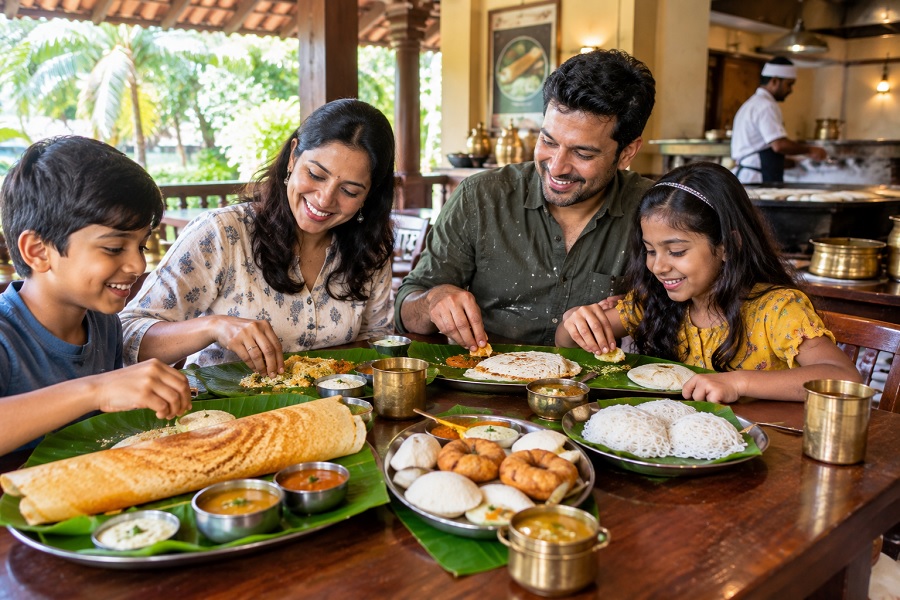
Street Food Safety Tips for Tourists: Enjoy Local Flavors Without the Risks
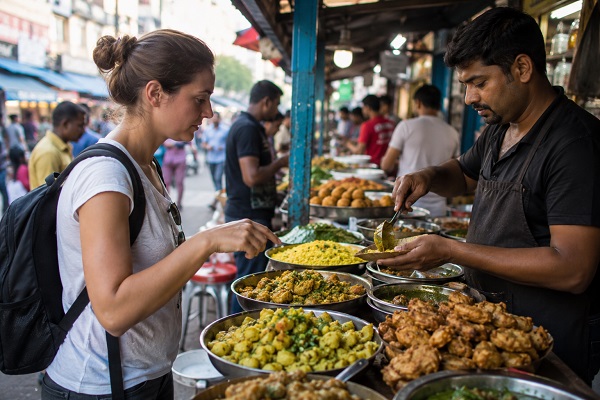
One of the greatest joys of traveling is experiencing local street food. From spicy chaats in India and tacos in Mexico to satay in Southeast Asia and crepes in Europe, street food offers an authentic taste of local culture at affordable prices. However, enjoying these culinary delights safely is essential to avoid foodborne illnesses that can disrupt your trip.
Why Street Food Is Worth Exploring
Street food reflects a destination’s traditions, ingredients, and culinary creativity. It allows travelers to connect with local communities and discover flavors that may not be available in restaurants. With a few precautions, tourists can enjoy these experiences while minimizing health risks.
Essential Street Food Safety Tips
Choose Busy Food Stalls
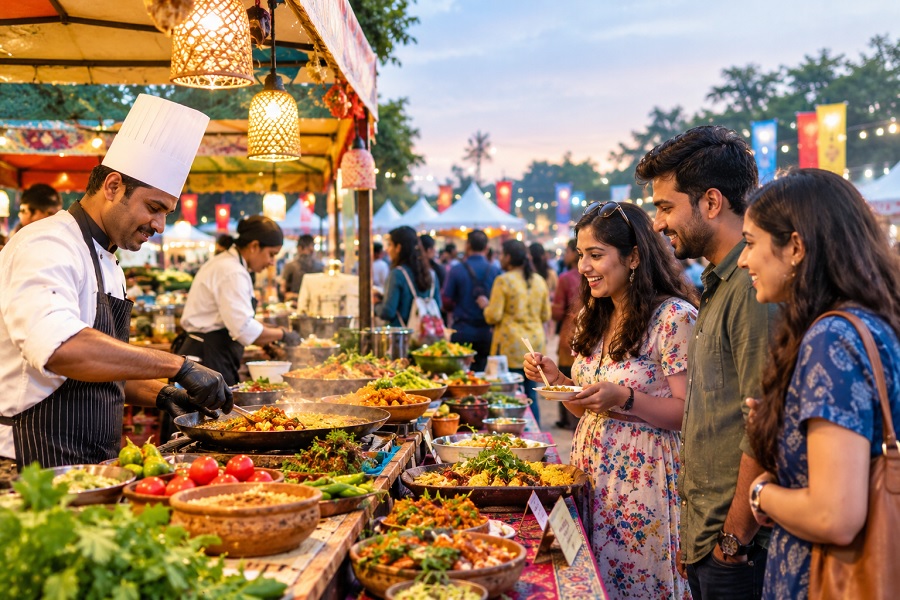
A crowded food stall often indicates fresh ingredients and high customer turnover. Popular vendors are more likely to serve freshly prepared food rather than items sitting out for long periods.
Watch the Food Being Prepared
Opt for stalls where food is cooked fresh in front of you. High cooking temperatures help eliminate harmful bacteria and make the food safer to consume.
Check Hygiene Standards
Observe the cleanliness of the stall, cooking utensils, and food handlers. Vendors should maintain a clean workspace and handle food responsibly.
Avoid Raw or Undercooked Foods
Raw vegetables, salads, seafood, and undercooked meat may carry bacteria or parasites. Stick to foods that are thoroughly cooked and served hot.
Be Careful with Water and Ice
Contaminated water is a common cause of traveler’s illness. Avoid drinks with questionable ice and choose bottled, sealed, or purified beverages whenever possible.
Carry Hand Sanitizer
Use hand sanitizer before eating, especially when handwashing facilities are unavailable. Clean hands significantly reduce the risk of food-related infections.
Inspect Ingredients
Fresh ingredients should look vibrant and properly stored. Avoid foods that appear stale, discolored, or exposed to insects and dust.
Trust Your Instincts
If a stall looks unhygienic or the food smells unusual, it is best to choose another vendor. Your intuition can be an effective safety tool.
Start Slowly
If you're trying unfamiliar cuisines, begin with small portions. This allows your digestive system to adapt to new spices and ingredients.
Keep Emergency Medications Handy
Carry basic medications for digestive discomfort, dehydration, or mild food poisoning, especially when traveling in remote areas.
Best Street Food Practices for International Travelers
Research popular local food markets before visiting.
Follow recommendations from trusted travel guides and locals.
Stay hydrated with safe drinking water.
Avoid eating food that has been sitting uncovered for long periods.
Eat during peak meal times when food turnover is highest.
Final Thoughts
Street food is an unforgettable part of the travel experience, offering unique flavors and cultural insights. By choosing clean vendors, eating freshly cooked meals, practicing good hygiene, and staying mindful of food safety, tourists can confidently enjoy local delicacies while protecting their health. A little caution goes a long way in ensuring that your culinary adventures become cherished travel memories rather than travel mishaps.