Top Food Tourism Destinations for 2026
Top Food Tourism Destinations for 2026: A Journey Through the World's Best Flavors
Food has become one of the most exciting reasons to travel. In 2026, travelers are increasingly choosing destinations not only for famous landmarks and beautiful scenery, but also for local cuisine, street food, culinary traditions, food markets, regional ingredients and memorable dining experiences.
The latest 2026 food travel guides highlight a diverse mix of established culinary capitals and emerging destinations. From the rich food culture of Mexico and Italy to the street-food energy of Asia and the growing culinary scenes of lesser-known destinations, food tourism is becoming a major part of the travel experience.
Mexico: A Must-Visit Destination for Food Lovers
Mexico continues to attract food travelers with its extraordinary combination of Indigenous traditions, regional ingredients and centuries of culinary history. Travelers can explore everything from tacos and tamales to mole, seafood and traditional regional dishes.
Food tourism in Mexico can include street-food tours, local markets, cooking classes and visits to traditional restaurants. For travelers who want to understand the culture behind the cuisine, exploring regional food traditions is an excellent way to experience the country.
Italy: Regional Cuisine and Culinary Heritage
Italy remains one of the world's most popular destinations for culinary travel. Its appeal comes from the remarkable diversity of regional cuisine.
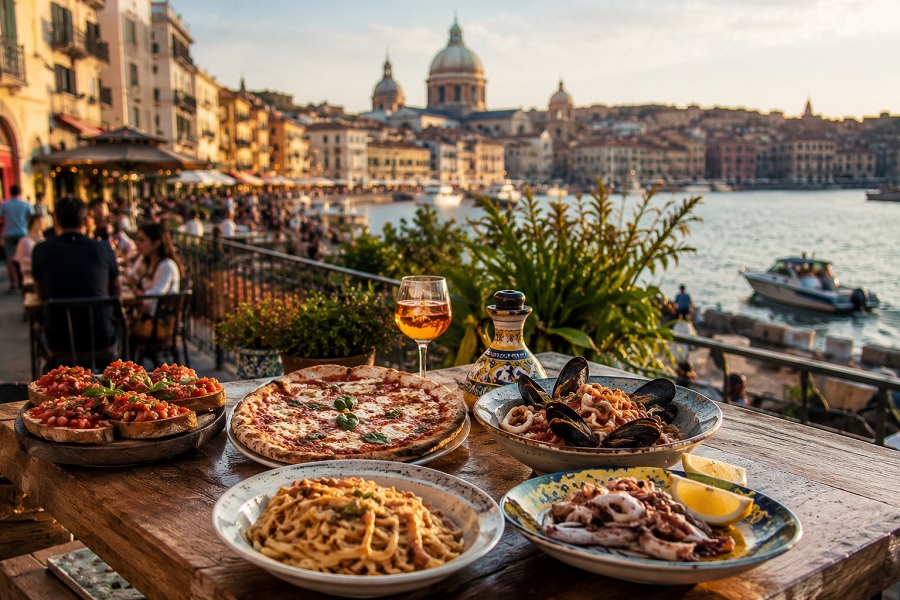
Travelers can explore pasta traditions, fresh seafood, artisan cheeses, regional breads and local desserts. Cities and regions across the country offer distinct food identities, making Italy ideal for culinary road trips.
From traditional trattorias to food markets and farm-based experiences, Italy offers a combination of heritage and modern gastronomy that continues to attract food lovers.
Spain: Mediterranean Flavors and Food Culture
Spain is another major destination for food tourism in 2026. Its culinary identity combines fresh ingredients, regional traditions and innovative dining.
Travelers can experience tapas culture, seafood, cured meats, local cheeses and traditional desserts. Food markets and neighborhood restaurants provide opportunities to discover authentic flavors beyond the most famous tourist attractions.
Spain's food festivals and regional culinary traditions also make it a destination where food can become the central theme of a vacation.
Japan: Tradition Meets Modern Culinary Innovation
Japan offers one of the world's most fascinating culinary travel experiences. From sushi and ramen to tempura, yakitori and regional specialties, Japanese cuisine provides travelers with an extraordinary variety of flavors.
Food tourism in Japan can include visits to traditional markets, neighborhood restaurants, specialty food districts and cooking workshops.
Travelers can also explore regional cuisines outside major cities, discovering local ingredients and traditional preparation methods.
France: Classic Gastronomy and Culinary Experiences
France remains an important destination for travelers interested in gastronomy. Paris is well known for its cafés, bakeries, restaurants and food markets, while destinations outside the capital offer their own distinctive culinary traditions.
Visitors can explore French pastries, cheeses, breads, regional dishes and sophisticated dining experiences.
Food-focused trips can also include visits to local markets, cooking classes and countryside destinations where food traditions are closely connected to agriculture and local products.
Thailand: Street Food and Vibrant Flavors
Thailand is an excellent choice for travelers who enjoy bold flavors and lively food experiences. Bangkok and other destinations offer everything from street food stalls to modern restaurants.
Travelers can explore dishes featuring spicy, sweet, sour and savory flavors while discovering local markets and traditional cooking techniques.
A Thai food tour can also introduce visitors to regional cuisines, tropical fruits, seafood and traditional desserts.
India: A Culinary Journey Across Regional Cuisines
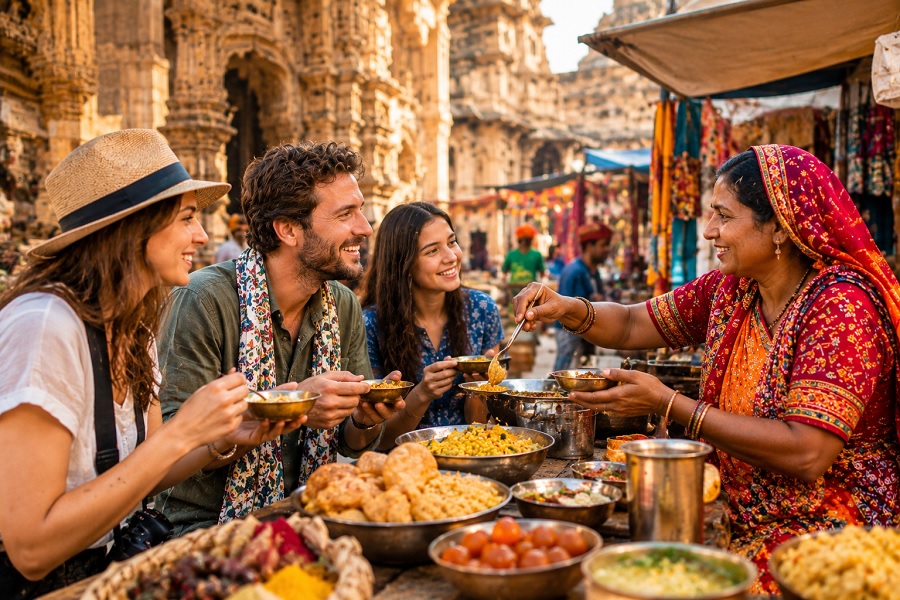
India is one of the world's most diverse food tourism destinations. Each region offers distinctive ingredients, cooking techniques and culinary traditions.
Travelers can explore Mughlai cuisine in Delhi and Lucknow, Punjabi food in Amritsar, Gujarati cuisine in Ahmedabad, Maharashtrian specialties in Maharashtra, seafood in Goa and Kerala, and South Indian dishes across Tamil Nadu and Karnataka.
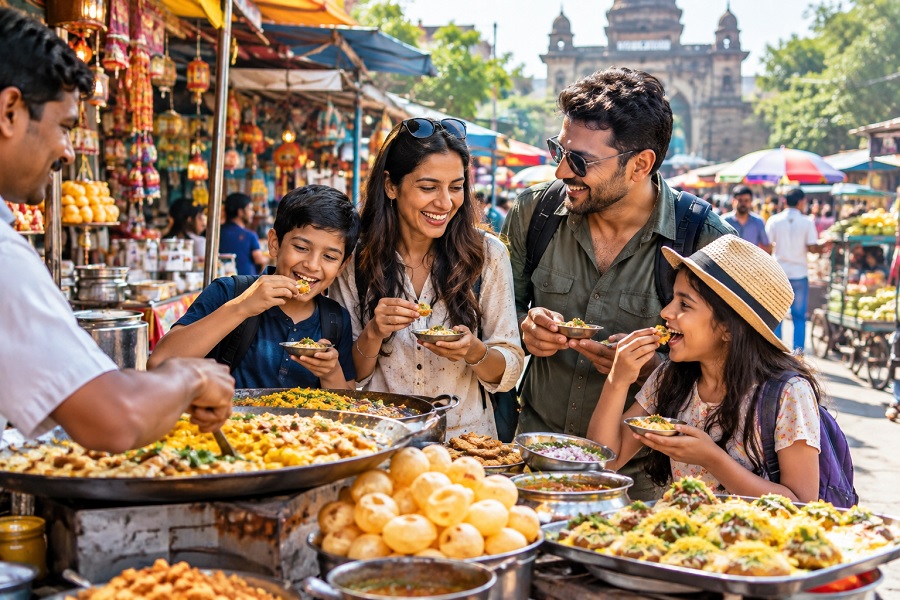
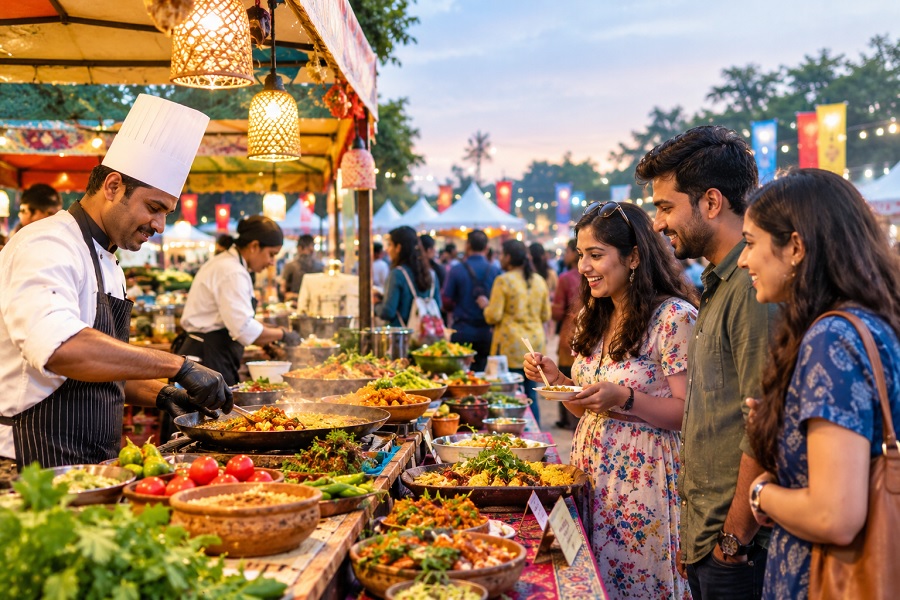
Street food is another major attraction. Food travelers can discover local snacks, sweets, breads and regional specialties in markets and neighborhoods.
India's food tourism appeal lies in its enormous variety, making it possible to plan multiple culinary journeys across the country.
Greece and Crete: Mediterranean Food Experiences
Greece offers travelers a combination of fresh ingredients, traditional recipes and beautiful landscapes. Crete has received particular attention from food-focused travel publications in 2026, with its traditional cuisine and connection to the Mediterranean diet making it an appealing destination for culinary travelers.
Visitors can explore olive oil, fresh vegetables, seafood, cheeses and traditional dishes while enjoying the island's villages and coastal scenery.
Vietnam: Fresh Flavors and Street Food
Vietnam is a favorite destination for travelers who want authentic street food experiences. Dishes such as pho, banh mi and fresh spring rolls represent only part of the country's diverse culinary traditions.
Food tours can take travelers through busy markets, local eateries and street-food neighborhoods. Cooking classes are also popular for visitors who want to learn how traditional Vietnamese dishes are prepared.
Peru: High-Altitude and Coastal Gastronomy
Peru has become an increasingly exciting destination for international food travelers. Its cuisine reflects Indigenous traditions, diverse geography and cultural influences.
Travelers can experience seafood from the Pacific coast, Andean ingredients and unique regional dishes. Lima is particularly recognized for its dynamic culinary scene, while journeys outside the capital can reveal traditional food cultures.
Portugal: Seafood, Pastries and Local Traditions
Portugal offers a relaxed and flavorful food tourism experience. Fresh seafood, traditional pastries, regional wines and local dishes attract travelers from around the world.
Lisbon and Porto provide excellent opportunities for food tours, while smaller towns and coastal destinations offer authentic local experiences.
Pastéis de nata, grilled seafood and traditional Portuguese dishes can be part of a memorable culinary journey.
South Africa: Food, Wine and Local Ingredients
South Africa combines food tourism with wine tourism and spectacular landscapes. The country's diverse culinary culture includes local ingredients, traditional cooking methods and modern gastronomic experiences.
Travelers can explore food and wine regions, visit farms and vineyards, and experience restaurants that showcase local produce.
This combination makes South Africa an attractive destination for travelers who want a complete culinary holiday.
Vancouver: Pacific Cuisine and Cultural Diversity
Vancouver has emerged as an exciting food destination for 2026. Its location on the Pacific coast provides access to seafood, while its multicultural population contributes to a diverse culinary scene.
The city is also gaining attention as a 2026 FIFA World Cup host city, adding another reason for travelers to visit. Its food culture combines Pacific ingredients, Asian influences and growing interest in Indigenous cuisine.
New Orleans: A Celebration of Food and Culture
New Orleans remains an excellent destination for travelers who want food deeply connected to music, history and culture.
Visitors can explore Creole and Cajun traditions, seafood, local comfort food and famous desserts. Food tours can be combined with cultural experiences to understand the history behind the city's distinctive cuisine.
The Rise of Emerging Food Destinations
One of the biggest trends in 2026 is the growing interest in destinations beyond traditional culinary capitals. Travelers are increasingly exploring smaller cities, regional food communities and emerging culinary scenes.
This trend creates opportunities for destinations to promote local ingredients, traditional recipes and food heritage. It also allows travelers to discover authentic experiences away from crowded tourism centers.
Food Festivals as a Reason to Travel
Food festivals are becoming an important part of culinary tourism. Travelers can plan trips around events celebrating local ingredients, traditional dishes and regional food culture.
European food festivals in 2026 are showcasing everything from lemons and onions to pastries, seafood, street food and local specialties. These events demonstrate how food can bring communities and travelers together.
Sustainable Food Tourism
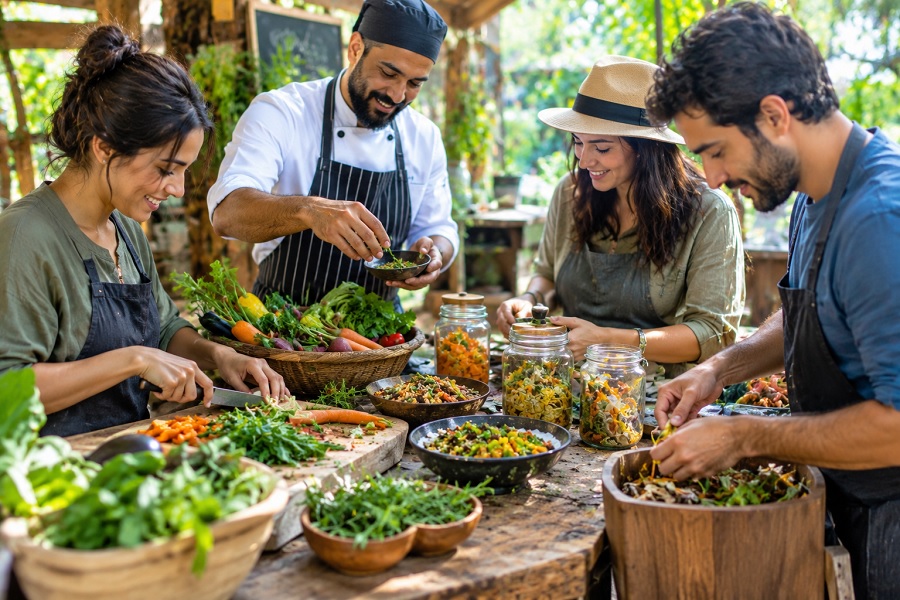
Sustainability is also becoming increasingly important in food tourism. Travelers are showing greater interest in local ingredients, farm-to-table restaurants, traditional food production and businesses that reduce food waste.
Supporting local farmers, small producers, independent restaurants and community-based food experiences can help tourism contribute more directly to local economies.
Sustainable food tourism also encourages travelers to appreciate seasonal ingredients and traditional culinary knowledge.
How to Plan a Food Tourism Trip in 2026
A successful culinary vacation begins with research. Travelers should identify the local dishes they want to try and explore a combination of restaurants, markets, street-food stalls and traditional food experiences.
Booking popular restaurants in advance can be useful, but travelers should also leave room for spontaneous discoveries. Local recommendations from residents, guides and food professionals can often lead to memorable experiences.
Food travelers should also consider visiting during a local festival or harvest season when possible.
Conclusion
The top food tourism destinations for 2026 offer much more than excellent meals. They provide travelers with opportunities to discover history, culture, traditions, local communities and regional identities through food.
Mexico, Italy, Spain, Japan, India, Thailand, Greece, Vietnam, Peru, Portugal, South Africa and emerging culinary destinations all demonstrate the growing importance of food in modern travel.
As culinary tourism continues to evolve, the best food journeys will increasingly focus on authenticity, local experiences, sustainability and meaningful connections with the people and traditions behind every dish.