Future of Indian Tourism: Exploring Travel Industry Growth, Innovation and Emerging Opportunities
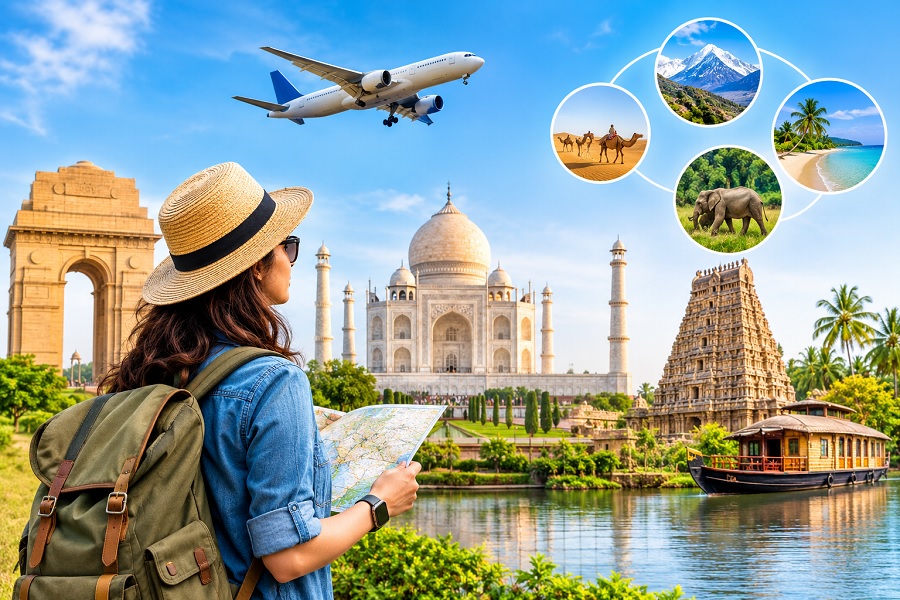
Future of Indian Tourism: Exploring Emerging Travel Trends and New Opportunities
Introduction
Indian tourism is entering an exciting phase of transformation. With its rich cultural heritage, historical monuments, diverse landscapes, spiritual destinations, wildlife, traditional cuisine and modern hospitality facilities, India offers a wide range of travel experiences.
The future of Indian tourism will be shaped by changing traveller preferences, digital technology, improved connectivity, sustainable travel practices and the development of lesser-known destinations. Travellers are increasingly interested in meaningful experiences, local culture, wellness holidays, adventure activities and personalised travel services.
1. Growth of Domestic Tourism
Domestic tourism is expected to remain one of the major drivers of India's travel industry. More Indian travellers are exploring destinations within their own states and across the country.
Popular destinations such as Goa, Kerala, Rajasthan, Himachal Pradesh, Uttarakhand, Maharashtra, Gujarat and Tamil Nadu continue to attract visitors. At the same time, smaller cities, rural locations and lesser-known attractions are gaining attention.
Improved road networks, railway services, regional airports and accommodation options can encourage more people to explore different parts of India.
2. Digital Transformation in Indian Tourism
Technology is changing how people discover destinations, compare prices, book accommodation and organise holidays.
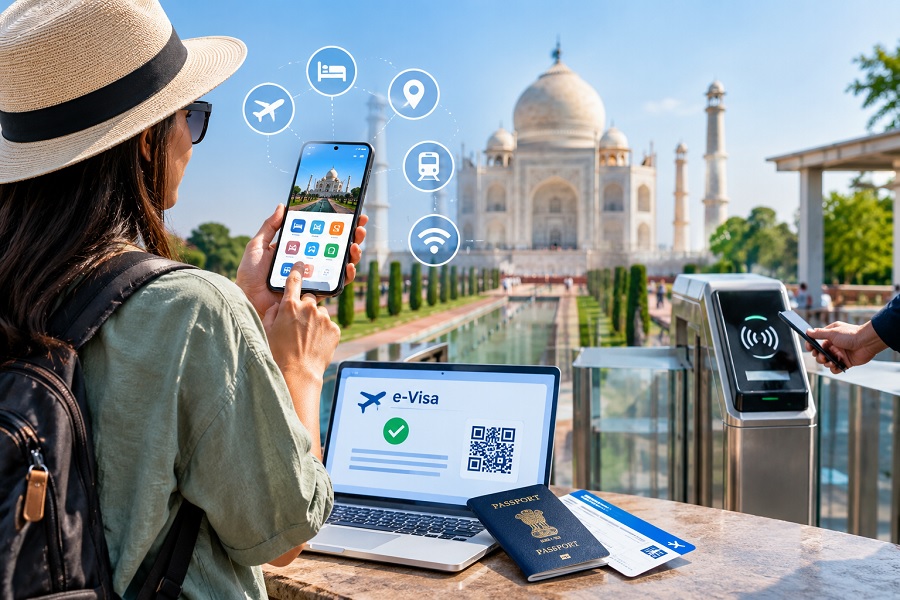
Online travel platforms, mobile applications, digital payments, virtual destination tours and AI-powered travel tools are making travel planning more convenient.
The National Digital Tourism Stack, launched in September 2026, aims to strengthen India's digital tourism ecosystem by improving the discovery, accessibility and reliability of tourism services.
3. Artificial Intelligence and Personalised Travel
Artificial Intelligence is expected to play an increasingly important role in the future of Indian tourism.
AI-based travel platforms can help visitors:
- Discover destinations based on their interests.
- Prepare personalised travel itineraries.
- Compare hotels and transport options.
- Find suitable activities and local experiences.
- Receive multilingual travel assistance.
- Access travel information more efficiently.
Hotels, travel agencies and tourism operators can also use technology to improve customer service and understand traveller preferences.
4. Sustainable and Responsible Tourism
Sustainable tourism will be an important part of India's future travel industry. It focuses on protecting natural resources, respecting local communities and preserving cultural heritage.
Eco-friendly accommodation, responsible wildlife experiences, waste management, water conservation and low-impact travel activities can help destinations manage tourism growth.
Tourists can contribute by avoiding littering, respecting local customs, supporting local businesses and choosing responsible tour operators.
5. Development of Lesser-Known Destinations
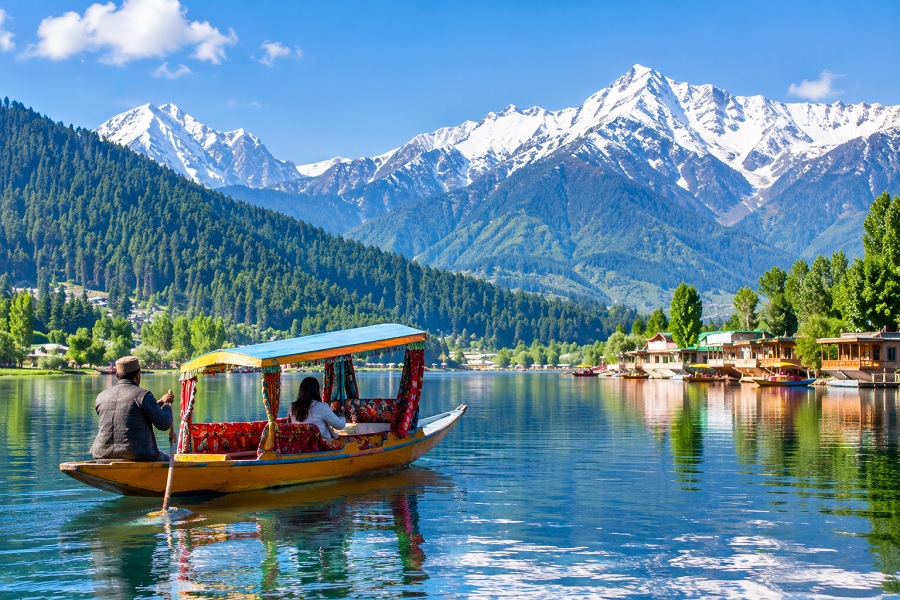
Travellers are increasingly interested in destinations beyond India's most popular tourist cities.
Small towns, villages, remote landscapes, heritage locations and nature-based destinations offer opportunities for new tourism experiences.
Government initiatives such as Dekho Apna Desh 2.0 aim to encourage travel to lesser-known destinations and distribute tourism opportunities more widely.
6. Adventure Tourism Opportunities
India's geographical diversity creates excellent opportunities for adventure tourism.
Popular activities include:
- Trekking and mountain climbing.
- River rafting and kayaking.
- Paragliding and camping.
- Scuba diving and snorkelling.
- Cycling and mountain biking.
- Wildlife safaris and nature trails.
Destinations in the Himalayas, Western Ghats, Northeast India, Rajasthan and coastal regions can attract adventure enthusiasts looking for outdoor experiences.
7. Spiritual and Religious Tourism
Spiritual tourism will continue to play a significant role in India's tourism industry. The country is home to important Hindu, Buddhist, Jain, Sikh, Muslim and Christian religious destinations.
Varanasi, Ayodhya, Tirupati, Shirdi, Amritsar, Bodh Gaya, Rameswaram and many other destinations attract pilgrims and cultural travellers.
Improved accommodation, transportation, cleanliness, visitor facilities and digital information can make religious travel more comfortable.
8. Wellness and Medical Tourism
India has considerable potential in wellness and medical tourism due to its traditional health practices, healthcare facilities and wellness destinations.
Ayurveda, yoga, meditation, naturopathy, spa treatments and holistic wellness retreats attract travellers seeking relaxation and wellness experiences.
Medical tourism can also create opportunities through hospitals, specialised healthcare services, accommodation providers and international travel support.
9. Growth of Rural and Village Tourism
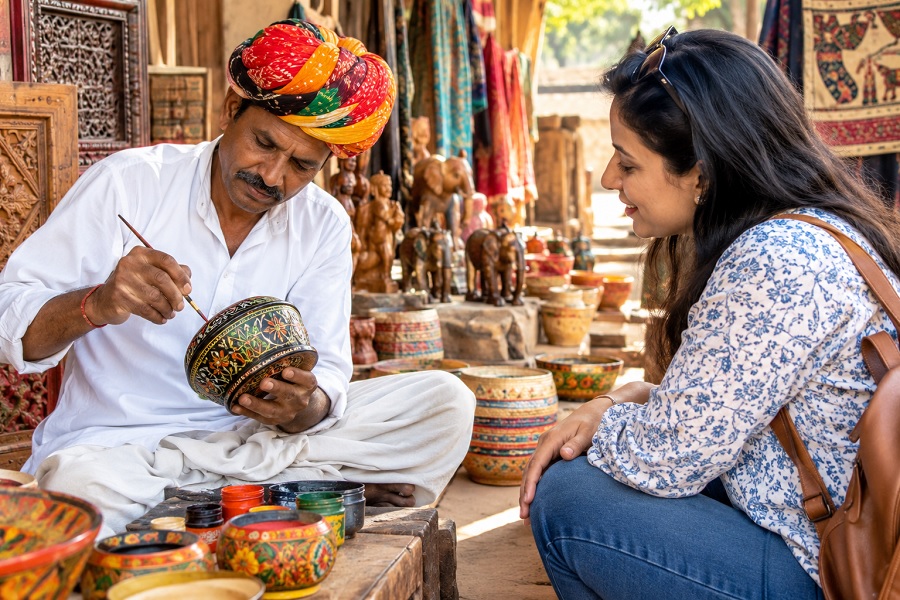
Rural tourism provides opportunities to experience India's traditional lifestyle, agriculture, crafts, food and cultural activities.
Visitors can explore village homes, participate in farming activities, learn traditional cooking methods and interact with local communities.
Homestays, farm stays, craft workshops and village festivals can generate income for rural households while helping preserve local traditions.
10. Heritage and Cultural Tourism
India's forts, palaces, temples, monuments, museums and historic cities offer significant opportunities for cultural tourism.
Destinations such as Jaipur, Agra, Delhi, Hampi, Khajuraho, Mysuru and Ahmedabad attract visitors interested in architecture and history.
The future of heritage tourism will depend on conservation, better visitor facilities, informative guided tours and engaging cultural experiences.
11. Wildlife and Nature Tourism
Wildlife tourism is expected to remain an important attraction for domestic and international visitors.
India offers opportunities to explore national parks, tiger reserves, bird sanctuaries, forests and biodiversity-rich landscapes.
Destinations such as Jim Corbett National Park, Kaziranga National Park, Ranthambore National Park, Gir National Park and Periyar Wildlife Sanctuary attract nature enthusiasts.
Responsible wildlife tourism should prioritise conservation, animal welfare and visitor safety.
12. Cruise and River Tourism
Cruise tourism is creating new opportunities for India's coastal and inland waterway destinations.
Travellers can explore coastal cities, islands, riverside attractions and cultural locations through different cruise experiences.
River cruises along the Ganga and Brahmaputra, along with coastal cruise routes, can support tourism businesses, local transport providers and hospitality services.
Recent government initiatives have also focused on developing cruise infrastructure and improving passenger facilities.
13. Growth of Food Tourism
Food tourism is becoming an important part of destination experiences. Travellers want to discover regional dishes, traditional cooking techniques, street food and local food markets.
India offers diverse culinary experiences, including:
- Maharashtrian cuisine.
- Gujarati thalis.
- Rajasthani traditional food.
- South Indian breakfast dishes.
- Bengali sweets and seafood.
- Punjabi cuisine.
- Goan and Malvani specialities.
Food festivals, cooking workshops and local food trails can create additional opportunities for tourism businesses.
14. Luxury and Experiential Tourism
Luxury tourism is expanding beyond premium hotel accommodation. Travellers are also interested in private villas, heritage properties, personalised itineraries, exclusive cultural experiences and high-quality hospitality.
Luxury trains, premium resorts, private guided tours and wellness retreats can help attract visitors looking for specialised travel experiences.
15. Railway and Road Trip Tourism
Railway and road travel will continue to support domestic tourism across India.
Scenic train journeys, heritage railways, luxury trains and improved railway connectivity offer opportunities for destination discovery.
Road trips are also popular among families, couples, friends and solo travellers. Better highways, roadside facilities, electric vehicle charging stations and digital navigation services can improve road travel experiences.
16. Growth of MICE Tourism
MICE tourism refers to Meetings, Incentives, Conferences and Exhibitions. It combines business travel with hospitality, transportation, event management and destination experiences.
Cities such as Delhi, Mumbai, Bengaluru, Hyderabad, Chennai and Pune have opportunities to attract business events.
Modern convention centres, hotels, transport connectivity and professional event services can strengthen India's position in the international MICE tourism market.
17. Homestays and Alternative Accommodation
Travellers are exploring different accommodation options beyond traditional hotels.
Homestays, boutique hotels, farm stays, eco-resorts, hostels, serviced apartments and heritage properties provide a variety of choices.
These accommodation models can also support local entrepreneurs and encourage visitors to spend more time in smaller destinations.
18. Tourism Infrastructure and Connectivity
Infrastructure development is essential for the long-term growth of Indian tourism.
Better roads, airports, railway stations, public transport, sanitation, tourist information centres and accessible facilities can improve the overall visitor experience.
Government programmes such as Swadesh Darshan 2.0 and PRASHAD support destination development and the improvement of tourism infrastructure.
19. Employment and Business Opportunities
Tourism growth can create employment across several industries, including:
- Hotels and resorts.
- Travel agencies and tour operators.
- Tour guides and local interpreters.
- Restaurants and food services.
- Transport and mobility services.
- Adventure and outdoor activities.
- Event management.
- Handicrafts and local shopping.
- Digital travel platforms.
Small businesses, startups, local communities and entrepreneurs can benefit from the development of new tourism experiences.
20. Challenges Facing the Future of Indian Tourism
Despite its opportunities, India's tourism industry faces several challenges that require attention.
These include overcrowding at popular destinations, environmental pollution, seasonal travel demand, inconsistent service quality, limited facilities in remote areas and the need for better tourist safety.
Other important concerns include heritage conservation, destination management, skilled workforce development and affordable last-mile transportation.
Addressing these challenges will be important for building a reliable and competitive tourism sector.
21. Role of Government and Private Investment
Government policies and private investment will play an important role in the development of Indian tourism.
Investment in airports, roads, accommodation, tourist facilities, digital platforms and destination management can improve the travel experience.
Partnerships between government departments, state tourism boards, hotels, travel companies and local communities can help develop new tourism products and promote destinations internationally.
22. Future Opportunities for Indian Tourism
India has opportunities to expand its tourism industry through several emerging travel segments:
- AI-powered and digital tourism.
- Sustainable and eco-friendly holidays.
- Rural and community-based tourism.
- Wellness and medical travel.
- Adventure and wildlife experiences.
- Luxury and personalised holidays.
- Cruise and river tourism.
- Heritage and cultural experiences.
- Educational and experiential travel.
- Accessible and senior-friendly tourism.
These segments can help India attract different types of travellers while creating opportunities for businesses and local communities.
Conclusion
The future of Indian tourism looks promising, supported by domestic travel demand, digital transformation, improved infrastructure and growing interest in unique travel experiences. From heritage destinations and spiritual journeys to adventure holidays, wellness retreats, rural tourism and luxury stays, India has a wide range of opportunities to strengthen its position as a global travel destination.
For long-term growth, the tourism industry must focus on sustainability, visitor safety, quality hospitality, heritage conservation and community participation. With cooperation between government, private businesses and local communities, Indian tourism can create new employment opportunities, support regional development and provide memorable experiences for travellers.