Traditional Indian Sweets Tourism
Traditional Indian Sweets Tourism: A Delicious Journey Through India's Rich Culinary Heritage
Traditional Indian Sweets Tourism is an exciting way to explore India's diverse culture through its centuries-old desserts and sweet-making traditions. Every region of India has its own unique sweets, prepared using local ingredients, traditional techniques, and recipes passed down through generations.
For travelers, exploring India's sweets is more than a culinary experience. It is a journey into local history, festivals, religious traditions, family celebrations, and regional food culture. From the rich flavors of Rajasthan and Bengal to the milk-based delicacies of North India and coconut sweets of the South, every destination offers something different for food lovers.
Discover India's Regional Sweet Traditions
India's culinary diversity is clearly reflected in its traditional sweets. In West Bengal, travelers can explore famous milk-based sweets such as rasgulla, sandesh, and mishti doi. These delicacies are closely connected with Bengali food culture and are popular among both locals and visitors.
Rajasthan is known for sweets such as ghevar, moong dal halwa, and malpua. Travelers visiting historic cities and traditional markets can enjoy these desserts while experiencing the state's colorful culture and royal heritage.
In Maharashtra, popular sweets include puran poli, modak, shrikhand, and basundi. Many of these sweets are especially important during festivals and family celebrations.
South India offers a different range of flavors, with traditional sweets such as payasam, Mysore pak, adhirasam, and various coconut-based delicacies. The use of jaggery, coconut, rice, and lentils creates a distinctive culinary identity.
Explore Traditional Sweet Shops and Local Markets
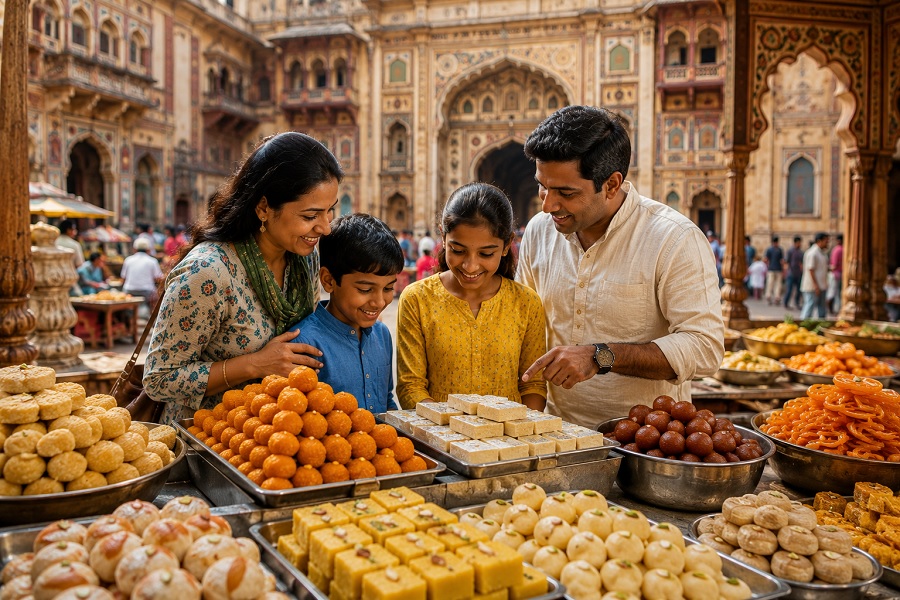
One of the best ways to experience Indian sweets is by visiting traditional sweet shops and local food markets. Many established shops have been making regional delicacies for decades, using recipes and techniques that have been preserved across generations.
Travelers can watch sweet makers prepare fresh products, learn about local ingredients, and sample different varieties. Exploring local markets also provides opportunities to discover lesser-known sweets that may not be widely available outside their region.
Food walks through historic neighborhoods can make the experience even more memorable by combining sweets with local history, architecture, and culture.
Experience Sweets During Indian Festivals
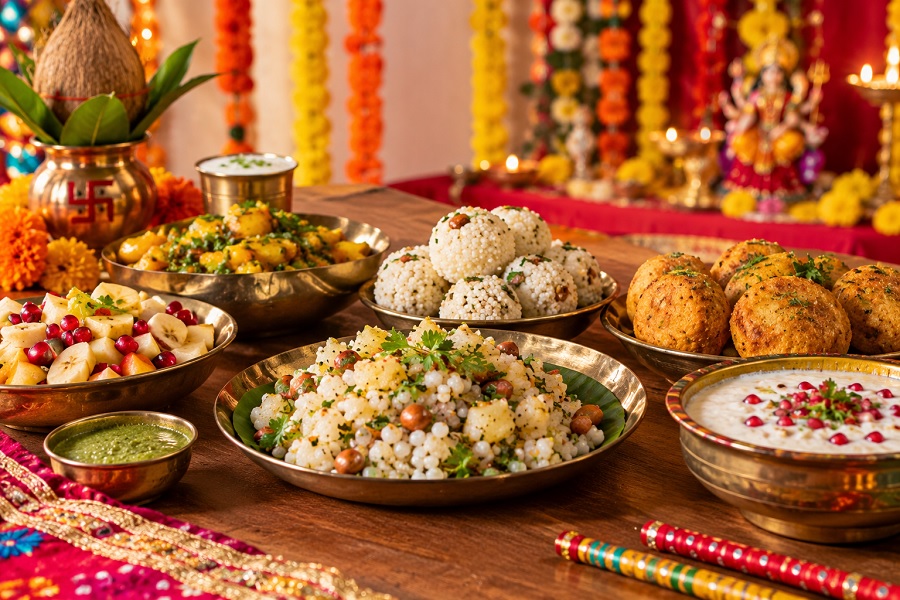
Indian festivals provide an excellent opportunity to explore the country's sweet traditions. During Diwali, families prepare and exchange sweets such as laddoo, barfi, kaju katli, and gulab jamun.
During Ganesh Chaturthi, modak becomes an important part of the celebration, particularly in Maharashtra. Holi is associated with sweets and festive snacks, while Eid celebrations feature delicacies such as seviyan and various milk-based desserts.
Pongal, Onam, Janmashtami, and other regional celebrations also feature traditional sweets that reflect local customs and religious traditions.
For tourists, traveling during festival seasons can provide a deeper understanding of how food connects communities and cultural celebrations.
Learn Traditional Sweet-Making Techniques
Culinary tourism is increasingly focused on hands-on experiences, and traditional Indian sweet-making workshops can offer travelers a unique opportunity to learn directly from local cooks and artisans.
Visitors may learn how to prepare laddoos, modaks, jalebi, peda, halwa, or regional specialties. These workshops can explain the importance of ingredients such as milk, khoya, jaggery, saffron, cardamom, coconut, nuts, and traditional spices.
Such experiences allow travelers to appreciate the patience and craftsmanship involved in preparing Indian sweets.
Explore the Cultural Stories Behind Indian Sweets
Traditional sweets often have fascinating stories connected to Indian history and culture. Some desserts are associated with temples, while others are prepared for weddings, religious ceremonies, harvest celebrations, and family gatherings.
This makes sweet tourism an important part of cultural tourism. Travelers can learn how food traditions have evolved over time and how regional ingredients have influenced the development of different desserts.
The experience becomes even more meaningful when local guides, chefs, and sweet makers share the stories behind traditional recipes.
Popular Sweet Tourism Destinations in India
Several destinations are particularly attractive for travelers interested in Indian sweets. Kolkata is famous for Bengali mishti, while Jaipur and Jodhpur offer opportunities to discover traditional Rajasthani desserts.
Varanasi provides a combination of spiritual tourism and traditional food experiences. Mumbai offers a diverse selection of regional Indian sweets due to its multicultural food scene.
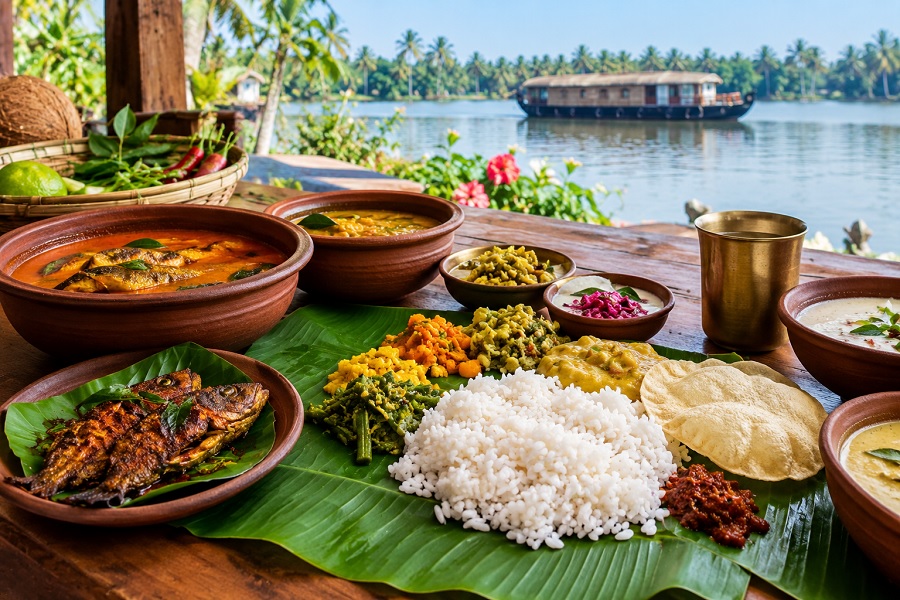
Lucknow is known for its rich culinary heritage, while Hyderabad offers traditional desserts influenced by the city's distinctive history. Mysuru is famous for Mysore pak, and Kerala provides a variety of coconut, banana, rice, and jaggery-based sweets.
Sustainable and Responsible Sweet Tourism
Traditional sweet tourism can also support local communities and small businesses. Travelers can choose locally owned sweet shops, traditional food producers, and community-based culinary experiences.
Supporting small businesses helps preserve traditional recipes and provides income for local food artisans. Travelers can also reduce food waste, carry reusable containers when appropriate, and choose seasonal and locally sourced products.
When buying packaged sweets, visitors should consider freshness, responsible packaging, and food safety.
The Future of Traditional Indian Sweets Tourism
The popularity of culinary tourism is creating new opportunities for Indian destinations to showcase their food heritage. Food walks, cooking workshops, heritage tours, sweet festivals, and digital culinary experiences are making traditional sweets more accessible to domestic and international travelers.
Technology is also helping travelers discover local food experiences through travel apps, social media, digital guides, and online food communities. At the same time, there is growing interest in preserving traditional recipes and supporting local artisans.
The future of Indian sweet tourism will likely combine authentic culinary traditions with modern travel experiences, allowing visitors to discover India's food heritage in new and engaging ways.
Conclusion
Traditional Indian Sweets Tourism offers travelers a delicious way to discover India's rich cultural and culinary diversity. From colorful festival sweets and historic sweet shops to local markets and hands-on cooking workshops, every experience provides a glimpse into the traditions and stories that shape Indian food culture.
Whether you are exploring Bengali mishti in Kolkata, Rajasthani desserts in Jaipur, traditional sweets in Maharashtra, or South Indian delicacies in Mysuru and Kerala, a journey through India's sweets can become an unforgettable cultural adventure.
For food lovers and travelers alike, Traditional Indian Sweets Tourism is more than tasting desserts. It is about discovering the people, traditions, festivals, history, and regional identities that make India's culinary heritage so unique.