Festive Food Tourism: Discovering Regional Indian Delicacies and Traditional Diwali Flavours for Families
Diwali Food Tourism for Families: Discovering Traditional Sweets and Regional Festive Cuisines
Diwali, the Festival of Lights, is one of India's most celebrated festivals, bringing families together through traditions, decorations, cultural activities and delicious food. Diwali Food Tourism for Families offers an opportunity to explore India's rich culinary heritage by discovering traditional sweets, regional festive dishes and authentic local food experiences.
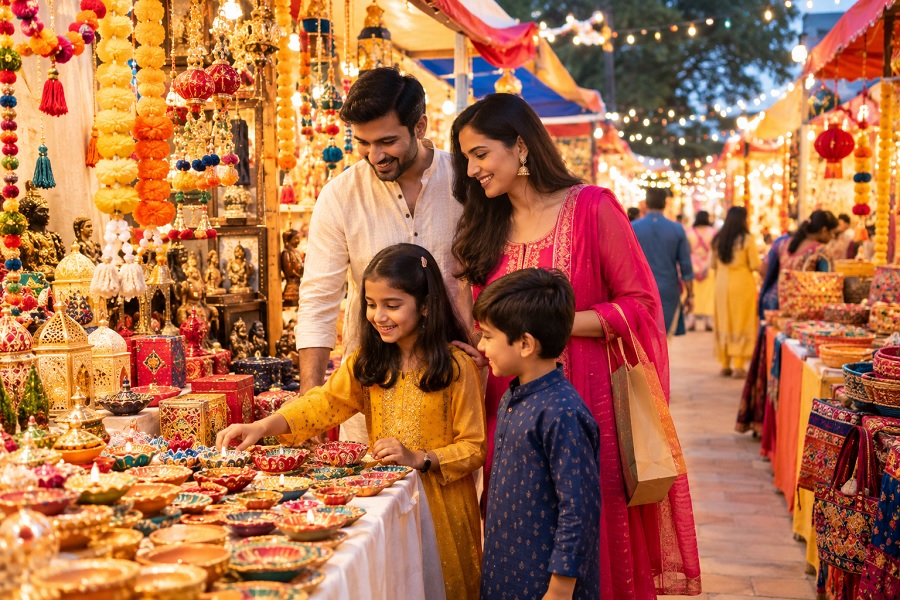
During Diwali, different regions of India prepare special delicacies that reflect their culture, traditions and local ingredients. Families travelling during the festive season can explore traditional food markets, visit local sweet shops, enjoy regional cuisines and learn about the preparation of popular festive dishes.
With growing interest in culinary experiences and cultural travel, Diwali food tourism provides an enjoyable way for families to combine holidays with food exploration and memorable festive celebrations.
1. Exploring Traditional Diwali Sweets
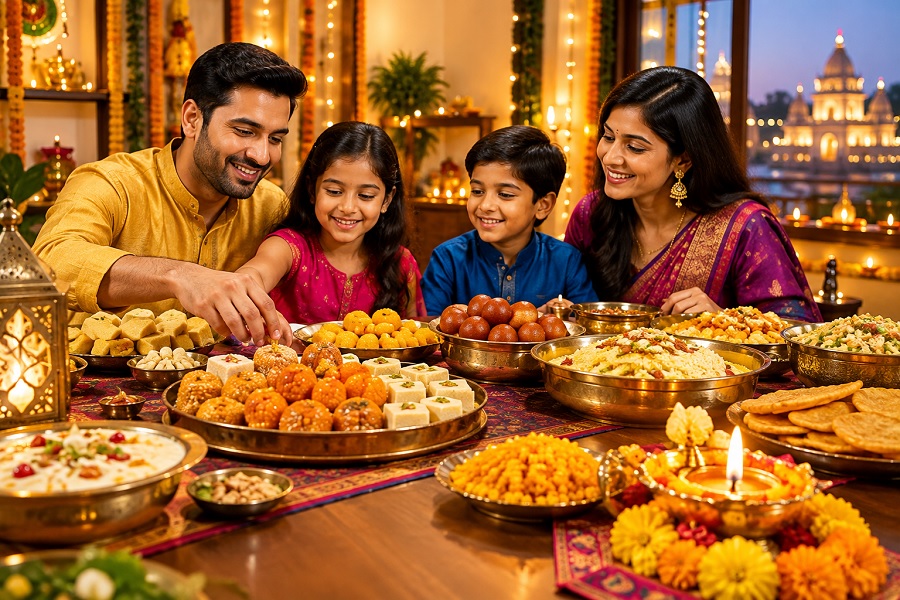
Traditional sweets are an essential part of Diwali celebrations. Families can discover a variety of Indian sweets prepared using ingredients such as milk, sugar, ghee, dry fruits, nuts and aromatic spices.
Popular Diwali sweets include:
Kaju Katli
Motichoor Ladoo
Besan Ladoo
Gulab Jamun
Peda
Barfi
Soan Papdi
Mysore Pak
Visiting traditional sweet shops allows families to explore regional flavours and understand the importance of sweets in Indian festive traditions.
2. Maharashtra's Traditional Diwali Food Experiences
Maharashtra offers a variety of traditional dishes and snacks during Diwali. One of the most popular festive traditions is preparing Faral, a collection of sweet and savoury homemade delicacies.
Families visiting Maharashtra can explore local food markets and discover traditional festive preparations such as:
Chakli
Karanji
Chivda
Shankarpali
Anarsa
Besan Ladoo
Rava Ladoo
Kadboli
These traditional foods provide visitors with an opportunity to understand Maharashtrian culinary culture and festive customs.
3. Gujarat's Traditional Festive Cuisine
Gujarat is known for its diverse vegetarian cuisine and traditional festive delicacies. During Diwali, families can explore local sweet shops, traditional food markets and regional restaurants.
Popular Gujarati festive foods include Mohanthal, Ghughra, Fafda, Jalebi, Shrikhand and different varieties of namkeen.
Food tourism in Gujarat allows families to experience traditional cooking methods, regional ingredients and the cultural significance of festive meals.
4. Rajasthan's Royal Diwali Food Traditions
Rajasthan offers a rich culinary experience influenced by royal traditions and regional cooking styles. During the festive season, visitors can explore traditional sweets, savoury snacks and local specialities.
Popular food experiences include Ghevar, Mawa Kachori, Balushahi, Dal Baati Churma and traditional Rajasthani thalis.
Families can visit heritage restaurants and local markets to discover the connection between Rajasthani food, hospitality and cultural celebrations.
5. North Indian Diwali Sweets and Delicacies
Northern India celebrates Diwali with a wide variety of traditional sweets and festive dishes. Cities such as Delhi, Lucknow, Agra and Amritsar offer opportunities to explore regional food traditions.
Popular festive delicacies include:
Pinni
Gujiya
Petha
Jalebi
Kheer
Rabri
Ladoo
Gulab Jamun
Families can enjoy food walks through traditional markets and explore the history of famous local sweet shops.
6. South Indian Festive Food Tourism
South India offers distinctive culinary traditions during the Diwali season. Different states prepare special sweets, snacks and festive meals using rice, lentils, coconut, jaggery and traditional spices.
Popular festive food items include Mysore Pak, Adhirasam, Murukku, Payasam, Coconut Burfi and various varieties of traditional South Indian sweets.
Families can visit local food establishments and experience authentic regional preparations while learning about South Indian festive traditions.
7. Bengali Sweet Tourism During Diwali
West Bengal is famous for its traditional sweets and rich culinary heritage. During the Diwali period, particularly around Kali Puja, visitors can explore the region's famous sweet shops and local food markets.
Popular Bengali sweets include:
Rosogolla
Sandesh
Mishti Doi
Cham Cham
Pantua
Payesh
These delicacies provide families with an opportunity to discover Bengal's traditional dessert culture and regional food heritage.
8. Family-Friendly Traditional Food Walks
Traditional food walks are an interesting way for families to discover local culinary culture. Guided food tours can introduce visitors to famous sweet shops, traditional snack markets and local food streets.
Families can learn about regional ingredients, food preparation techniques and the history of traditional recipes. Such activities also help children understand how food traditions differ across Indian states.
9. Traditional Sweet-Making Workshops
Sweet-making workshops offer educational and interactive experiences for families. Visitors can observe or participate in the preparation of popular festive sweets under the guidance of experienced local cooks.
Activities may include preparing ladoos, shaping modaks, decorating barfi and learning traditional methods of making regional desserts.
These workshops create opportunities for families to spend quality time together while discovering India's culinary heritage.
10. Organic and Farm-Fresh Festive Food Experiences
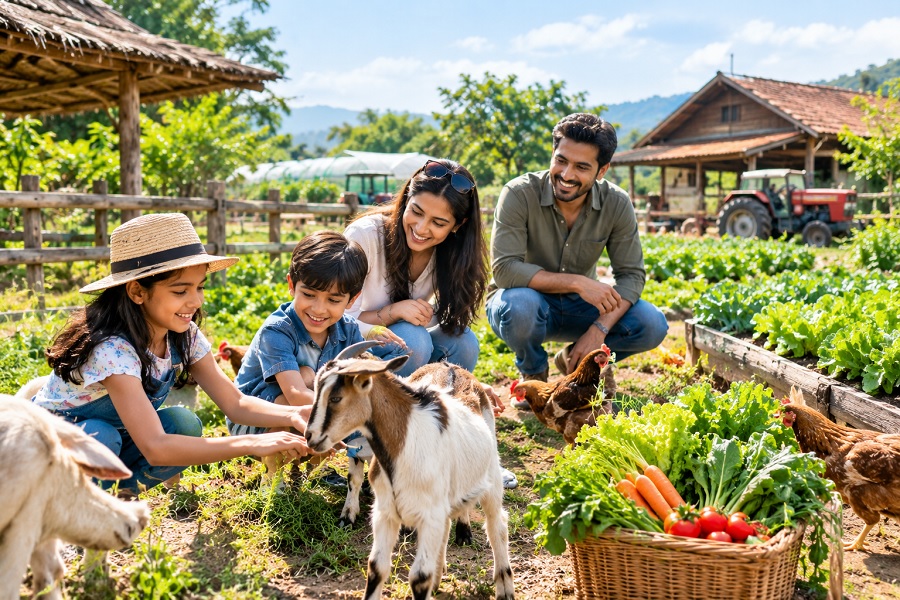
Organic food tourism is another interesting part of family food travel. Some agricultural tourism destinations offer farm visits, traditional cooking demonstrations and meals prepared using locally sourced ingredients.
Families can explore organic farms, understand seasonal food production and learn about traditional ingredients used in festive recipes.
Farm-to-table experiences also encourage support for local farmers and sustainable food practices.
11. Exploring Diwali Food Markets and Sweet Shops
During Diwali, traditional markets become important attractions for food lovers. Sweet shops, local bakeries and food markets offer a wide variety of festive delicacies.
Families can explore popular markets in Jaipur, Delhi, Mumbai, Kolkata, Ahmedabad and other cities to discover regional sweets, traditional snacks and local specialities.
These markets provide an opportunity to experience the festive atmosphere while supporting local food businesses.
12. Healthy and Traditional Diwali Food Experiences
Healthy food options are becoming increasingly popular among families. Many food businesses and home cooks offer traditional festive recipes prepared with alternative ingredients and balanced cooking methods.
Visitors can explore options such as baked snacks, dry-fruit sweets, jaggery-based desserts and preparations using whole grains.
These experiences allow families to enjoy festive food while exploring different approaches to traditional cooking.
13. Diwali Food Tourism for Children
Food tourism can also provide educational experiences for children. Visiting traditional food markets and participating in cooking workshops helps children understand regional ingredients, food preparation and cultural traditions.
Families can introduce children to different Indian sweets, traditional snacks and festive recipes. These activities encourage curiosity about India's regional diversity and culinary heritage.
14. Cultural Importance of Food During Diwali
Food plays an important role in Diwali celebrations across India. Families prepare traditional dishes, exchange sweets with relatives and neighbours, and offer special food as part of religious customs.
Different communities follow different culinary traditions depending on their regional culture, ingredients and family practices.
Exploring these food traditions helps tourists understand the cultural importance of hospitality, sharing and celebration during Diwali.
15. Sustainable Food Tourism During Diwali
Sustainable food tourism encourages travellers to support local food producers, traditional sweet makers and small businesses.
Families can promote responsible food tourism by choosing locally prepared dishes, reducing food waste, carrying reusable containers where appropriate and supporting businesses that use responsible packaging.
Preserving traditional recipes and supporting local culinary communities also contribute to India's cultural and economic development.
16. Planning a Family Diwali Food Tourism Trip
Planning a Diwali food holiday requires selecting destinations based on regional cuisine, local food attractions and family-friendly activities.
Travellers should consider visiting traditional markets, heritage food streets, sweet-making workshops and agricultural tourism destinations.
Families should also check local festival schedules, food tour availability, accommodation options and transportation arrangements in advance. Choosing hygienic food establishments and checking ingredients and allergens are important for a comfortable family experience.
Conclusion
Diwali Food Tourism for Families: Discovering Traditional Sweets and Regional Festive Cuisines offers a wonderful opportunity to explore India's diverse culinary heritage. From Maharashtrian Faral and Gujarati sweets to Rajasthani delicacies, Bengali desserts and South Indian festive preparations, every region offers unique flavours and food traditions.
By exploring traditional markets, participating in sweet-making workshops and enjoying authentic regional dishes, families can create meaningful travel experiences during the Festival of Lights.
The growing interest in culinary tourism, regional food experiences and cultural travel creates opportunities for local restaurants, sweet makers, farmers and tourism businesses. Promoting traditional recipes and responsible food practices can help preserve India's culinary heritage while strengthening family tourism.