Cooking Together on Holiday: Discovering Family-Friendly Culinary Workshops and Local Food Traditions
Family Culinary Workshop Tourism: Learning Traditional Cooking Together
Introduction
Family Culinary Workshop Tourism is an emerging travel trend that combines family holidays with traditional cooking experiences, local food culture and interactive learning activities. Instead of focusing only on sightseeing and entertainment, families can explore destinations through their traditional cuisines and culinary heritage.
These workshops allow parents, children and grandparents to participate in cooking activities together. From preparing regional dishes and learning traditional recipes to visiting local food markets, families can discover the cultural importance of food while creating memorable holiday experiences.
Culinary tourism makes family travel more educational, enjoyable and interactive. It also provides an opportunity to understand local ingredients, cooking techniques and food traditions from different regions.
What Is Family Culinary Workshop Tourism?
Family Culinary Workshop Tourism refers to travel experiences where families participate in organised cooking classes, food preparation activities and traditional culinary workshops during their holidays.
These workshops are generally conducted by professional chefs, local cooks, culinary experts and traditional food practitioners.
Families can learn how to prepare regional specialities, understand traditional cooking methods and explore the cultural stories behind different dishes.
The main purpose is to combine tourism, education, family bonding and local food experiences through interactive cooking activities.
Popular Family Culinary Workshop Experiences
1. Traditional Cooking Classes
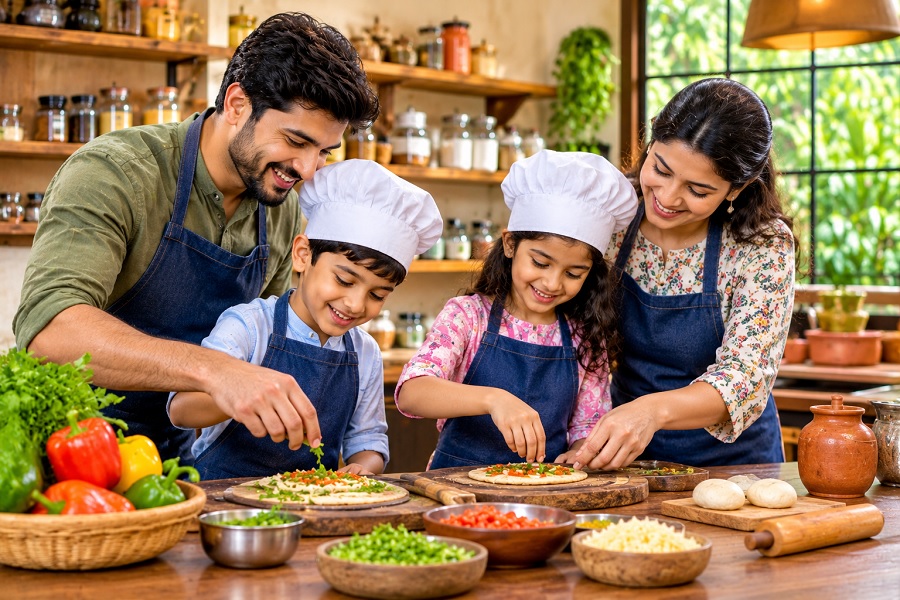
Traditional cooking classes introduce families to regional recipes, local ingredients and authentic cooking techniques. Parents and children can work together to prepare traditional dishes under the guidance of experienced instructors.
2. Regional Food Preparation Workshops
Regional food workshops allow visitors to explore the unique flavours and culinary traditions of different destinations. Families can learn how local communities prepare their traditional meals and celebrate food festivals.
3. Traditional Baking Workshops
Baking workshops provide enjoyable experiences for children and adults. Families can learn to prepare traditional breads, cakes, cookies and regional bakery specialities.
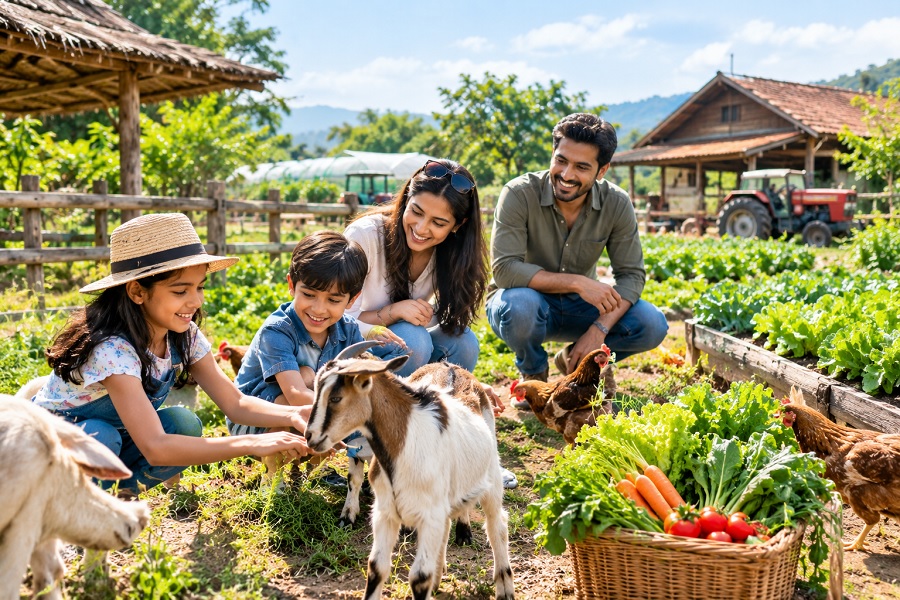
4. Farm-to-Table Cooking Experiences
Farm-to-table workshops introduce families to fresh agricultural ingredients and sustainable food practices. Participants may visit farms, collect seasonal vegetables and learn how to prepare meals using locally sourced produce.
5. Traditional Dessert and Sweet-Making Classes
Families can participate in workshops focused on traditional desserts, sweets and regional delicacies. These activities provide opportunities to learn traditional preparation methods and understand local food celebrations.
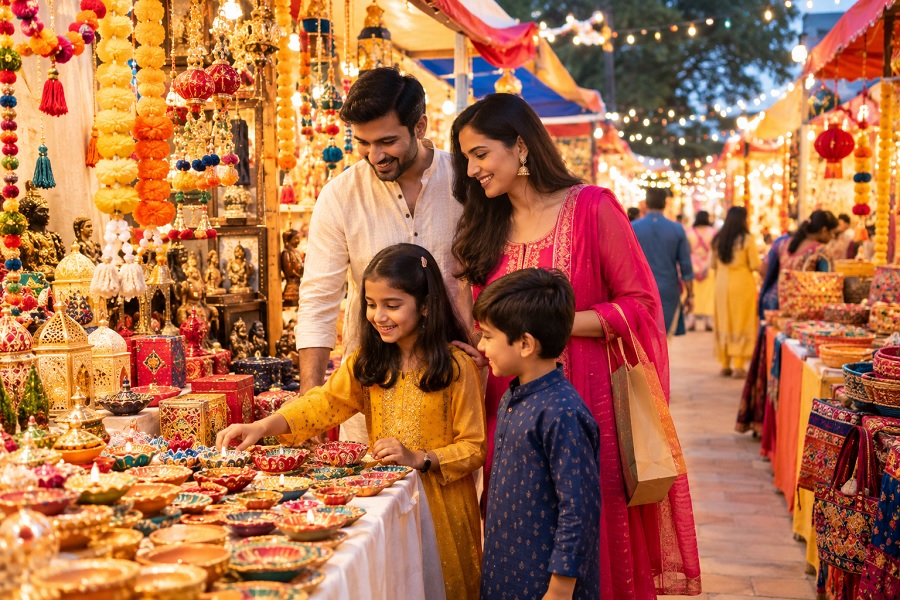
6. Local Food Market Tours
Food market tours allow families to explore local markets, discover regional ingredients and understand the relationship between agriculture and traditional cuisine.
Popular Destinations for Family Culinary Tourism
Different destinations around the world offer exciting opportunities to explore traditional cooking and culinary heritage.
1. Jaipur, India
Jaipur offers opportunities to explore Rajasthani cuisine through traditional cooking classes, spice experiences and local food workshops. Families can learn about dishes such as dal baati churma and traditional sweets.
2. Kerala, India
Kerala provides culinary experiences featuring traditional meals, coconut-based recipes, spices and regional cooking techniques. Families can explore local food traditions and learn about traditional vegetarian cuisine.
3. Tuscany, Italy
Tuscany is known for traditional Italian cooking experiences, including pasta-making, bread preparation and regional food workshops. Families can learn about Italian culinary heritage through interactive classes.
4. Kyoto, Japan
Kyoto provides opportunities to explore Japanese culinary traditions through traditional food preparation, seasonal ingredients and cultural cooking classes.
5. Chiang Mai, Thailand
Chiang Mai offers interactive Thai cooking workshops where families can discover traditional ingredients, local flavours and regional recipes.
Benefits of Family Culinary Workshop Tourism
Family cooking holidays provide several educational, cultural and recreational benefits.
1. Strengthens Family Bonding
Cooking together encourages teamwork, communication and cooperation among family members. It creates opportunities for parents and children to spend meaningful time together.
2. Encourages Cultural Learning
Traditional cooking workshops help families understand the food heritage, customs and cultural traditions of different destinations.
3. Develops Children's Skills
Children can develop basic cooking knowledge, creativity, teamwork and an understanding of different ingredients through age-appropriate activities.
4. Promotes Healthy Eating Habits
Cooking workshops can introduce families to fresh ingredients, seasonal produce, balanced meals and traditional food preparation methods.
5. Supports Local Communities
Participating in local cooking classes can support independent chefs, traditional cooks, farmers, food businesses and community-based tourism providers.
6. Creates Memorable Travel Experiences
Preparing traditional dishes together gives families an enjoyable activity and a lasting memory of their holiday.
Popular Activities in Family Culinary Workshops
Families can enjoy various food-related activities during culinary tourism holidays.
1. Traditional regional cooking classes.
2. Local vegetable and spice market visits.
3. Traditional bread and baking workshops.
4. Regional dessert preparation.
5. Family-friendly vegetarian cooking sessions.
6. Farm visits and fresh ingredient collection.
7. Traditional food presentation workshops.
8. Local food festival participation.
9. Traditional recipe storytelling sessions.
10. Family cooking competitions and group activities.
Role of Children in Culinary Tourism
Children are an important part of family culinary tourism because cooking activities can make travel more interactive and educational.
Age-appropriate workshops allow children to learn about fruits, vegetables, grains, spices and different food cultures.
Simple activities such as mixing ingredients, decorating desserts, preparing salads and shaping traditional breads can encourage creativity and participation.
Cooking instructors should provide suitable equipment, hygiene guidance and proper supervision to ensure children's safety throughout the workshop.
How to Choose the Best Family Culinary Workshop
Selecting the right cooking workshop can improve the overall family travel experience.
- Age Suitability: Check whether activities are suitable for children and different age groups.
- Workshop Duration: Choose sessions that match the family's holiday schedule.
- Food Preferences: Check vegetarian, vegan and other dietary options.
- Instructor Experience: Look for qualified chefs or experienced local cooking instructors.
- Hygiene Standards: Review kitchen cleanliness, food safety and equipment standards.
- Hands-On Activities: Select workshops that encourage active participation.
- Local Food Experiences: Prefer workshops that introduce authentic regional recipes.
- Pricing: Compare workshop fees and included ingredients.
- Group Size: Consider smaller groups for more personalised learning.
- Safety Measures: Ensure children receive proper supervision during cooking activities.
Family Culinary Tourism and Sustainable Travel
Sustainability is becoming an important part of modern culinary tourism. Family cooking workshops can introduce travellers to responsible food practices and local agricultural traditions.
Workshops that use seasonal ingredients, locally sourced produce and traditional recipes can help reduce food transportation requirements and support regional economies.
Families can also learn about reducing food waste, using reusable kitchen materials and respecting local food cultures.
By choosing community-based cooking experiences, travellers can support local food producers and help preserve traditional culinary knowledge.
Future of Family Culinary Workshop Tourism
The future of Family Culinary Workshop Tourism looks promising as travellers increasingly seek meaningful, educational and interactive holiday experiences.
Cooking workshops may become more personalised, offering activities based on children's ages, family preferences and regional food traditions.
Technology may also introduce virtual cooking demonstrations, interactive recipe learning and digital food storytelling experiences.
Farm-to-table tourism, sustainable cooking classes, traditional food preservation and regional culinary festivals could attract more families interested in understanding local cultures through food.
Hotels, resorts, tourism operators and local communities may also develop specialised family cooking packages that combine accommodation, food workshops and cultural activities.
Conclusion
Family Culinary Workshop Tourism offers a unique way to explore destinations through traditional cooking, local ingredients and cultural food experiences. From preparing regional Indian dishes in Jaipur and Kerala to making pasta in Tuscany and discovering Japanese cuisine in Kyoto, families can enjoy meaningful learning experiences together.
These workshops encourage family bonding, develop children's skills, promote cultural understanding and support local communities.
As experiential and educational travel continue to grow, family culinary workshops have the potential to become an important part of modern family tourism, transforming ordinary holidays into memorable food and cultural journeys.