Learning Through Travel: Educational Holiday Experiences for the Whole Family
Family Educational Tourism: Learning Through Travel Experiences
Introduction
Family educational tourism is a growing travel trend that combines fun, exploration, and learning. It allows parents and children to discover new places while gaining knowledge about history, science, geography, culture, nature, and local traditions. Instead of limiting learning to classrooms and textbooks, educational travel gives families an opportunity to experience knowledge in real-life settings.
From visiting historical monuments and science museums to exploring wildlife sanctuaries, heritage villages, planetariums, and cultural centres, educational tourism offers meaningful experiences for every family member. These trips can strengthen family relationships, encourage curiosity, and help children develop a better understanding of the world.
As families increasingly look for meaningful holiday experiences in 2026, educational tourism is becoming an attractive option for school holidays, weekend getaways, and longer family vacations.
What Is Family Educational Tourism?
Family educational tourism refers to travelling with family members to destinations that provide educational, cultural, historical, scientific, or environmental learning experiences. The primary objective is to combine recreation with practical knowledge.
These trips can be planned around children's school subjects, family interests, or specific learning goals. For example, a visit to a historical fort can introduce children to architecture and history, while a trip to a wildlife sanctuary can teach them about biodiversity and conservation.
Educational tourism is suitable for children, teenagers, parents, and grandparents because each family member can learn something new during the journey.
Importance of Educational Travel for Families
Educational travel offers several benefits beyond traditional sightseeing.
1. Learning Beyond the Classroom
Real-world experiences help children understand concepts they may have previously learned only through books. Visiting a museum, observing wildlife, or exploring an archaeological site makes learning more engaging and memorable.
2. Strengthening Family Relationships
Planning activities, discovering new places, and sharing experiences help families spend quality time together. Parents can participate in their children's learning while creating lasting holiday memories.
3. Developing Curiosity and Creativity
Educational destinations encourage children to ask questions, investigate unfamiliar subjects, and think creatively. Interactive exhibits and practical activities can make learning enjoyable.
4. Understanding Different Cultures
Cultural tourism introduces families to local customs, traditional art, languages, festivals, food, and lifestyles. These experiences can help children develop cultural awareness and respect for diversity.
5. Building Environmental Awareness
Visits to national parks, botanical gardens, conservation centres, and nature reserves can teach children about wildlife, ecosystems, pollution, and environmental protection.
6. Improving Social and Practical Skills
Travel can help children develop communication, observation, problem-solving, planning, and decision-making skills. They can also learn how to navigate unfamiliar environments responsibly.
Best Types of Family Educational Tourism
1. Historical and Heritage Tourism
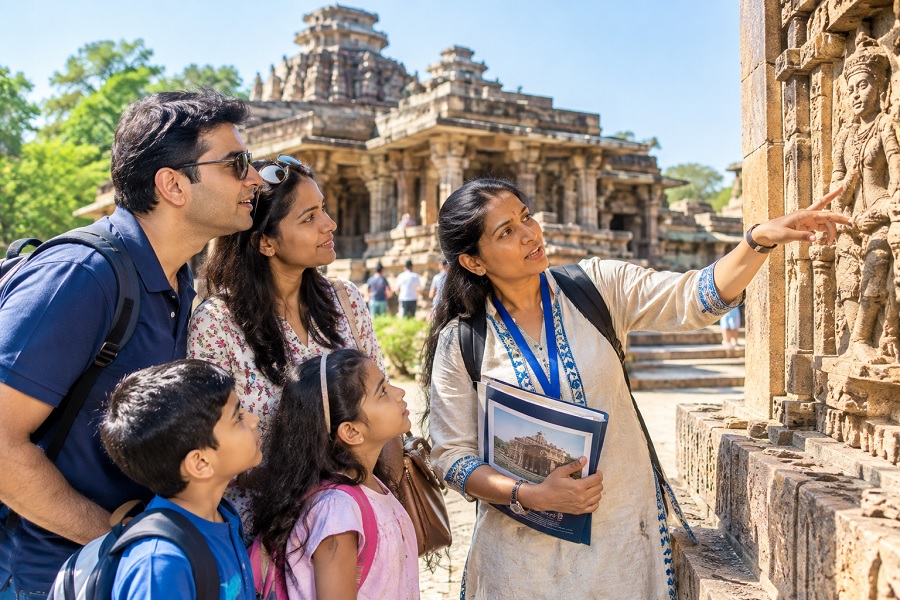
Historical destinations help families explore the past through monuments, forts, palaces, archaeological sites, and heritage museums. Children can learn about important events, rulers, architecture, and ancient civilizations.
Popular Indian destinations include the Red Fort in Delhi, the Taj Mahal in Agra, Hampi in Karnataka, and the Ajanta and Ellora Caves in Maharashtra.
2. Science and Technology Tourism
Science museums, technology centres, innovation hubs, and interactive laboratories make scientific concepts easier to understand. Families can explore physics, robotics, space science, engineering, and technological development through demonstrations and exhibits.
Science centres are particularly useful for school-age children who enjoy hands-on learning.
3. Nature and Wildlife Tourism
Nature-based educational trips allow families to discover ecosystems, observe birds, learn about native plants, and understand wildlife conservation.
Destinations such as Jim Corbett National Park, Kaziranga National Park, Periyar Tiger Reserve, and botanical gardens can provide valuable learning experiences when visited responsibly and with appropriate guidance.
4. Cultural and Traditional Tourism
Cultural tourism helps families understand regional traditions, crafts, music, dance, and local lifestyles. Families can visit craft villages, attend cultural performances, explore traditional markets, or participate in supervised workshops.
These experiences introduce children to India's cultural diversity and support local artisans and communities.
5. Agricultural and Rural Tourism
Farm visits and rural tourism experiences introduce children to farming, food production, irrigation, livestock care, and sustainable agriculture.
Families may learn how vegetables grow, how farmers care for crops, and how food travels from farms to households. Activities should be age-appropriate and organised with the permission and guidance of the host farm.
6. Space and Astronomy Tourism
Planetariums, observatories, and space science museums allow children to explore astronomy, planets, stars, satellites, and space exploration.
Destinations such as Nehru Planetarium in Mumbai and Jawaharlal Nehru Planetarium in Bengaluru can be interesting choices for families seeking science-focused outings. Check current programmes and visitor information before travelling.
7. Geography and Environmental Tourism
Mountains, rivers, lakes, deserts, forests, and coastlines offer opportunities to learn about landforms, climate, water resources, and natural processes.
Guided nature walks and responsible outdoor activities can help children understand the connection between people and the environment.
Best Educational Tourism Destinations in India for Families
India offers a wide range of destinations that combine sightseeing with educational opportunities.
Delhi: Explore national museums, historic monuments, and cultural institutions.
Agra, Uttar Pradesh: Discover Mughal architecture and the history of the Taj Mahal.
Jaipur, Rajasthan: Learn about forts, palaces, traditional crafts, and regional culture.
Hampi, Karnataka: Explore the remains of the Vijayanagara Empire and its remarkable architecture.
Mumbai, Maharashtra: Visit museums, the Nehru Science Centre, and the Nehru Planetarium.
Bengaluru, Karnataka: Discover science exhibits, technology-related attractions, and planetarium programmes.
Ahmedabad, Gujarat: Explore museums, heritage sites, and educational institutions such as the Gujarat Science City.
Kolkata, West Bengal: Discover museums, scientific attractions, and cultural heritage.
Mysuru, Karnataka: Learn about royal history, architecture, and local traditions.
Kaziranga, Assam: Understand biodiversity and wildlife conservation through responsible nature-based visits.
Families should verify opening hours, ticket prices, age restrictions, guided-tour availability, and seasonal conditions before finalising their itineraries.
How to Plan a Family Educational Trip
1. Identify Your Learning Goals
Choose a theme based on your children's interests or current school subjects. Possible themes include history, science, wildlife, geography, art, or agriculture.
2. Select an Age-Appropriate Destination
Younger children may enjoy interactive museums, aquariums, and nature parks, while older children may appreciate historical sites, science centres, and guided educational tours.
3. Create a Balanced Itinerary
Combine educational activities with free time, meals, rest, and recreational experiences. Avoid filling every hour with scheduled activities, especially when travelling with young children.
4. Prepare Children Before the Trip
Introduce the destination through books, maps, short documentaries, or simple discussions. Encourage children to prepare questions they would like to answer during the visit.
5. Choose Knowledgeable Guides
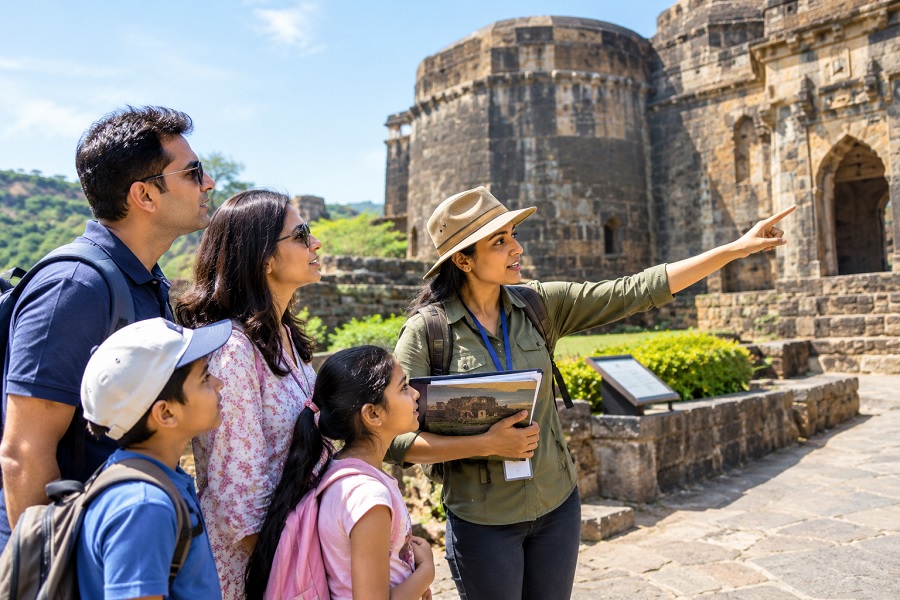
Professional guides, museum educators, naturalists, and local experts can explain subjects in a clear and engaging way. Choose reputable operators who follow responsible tourism practices.
6. Include Interactive Activities
Look for workshops, demonstrations, guided nature walks, heritage trails, and hands-on exhibits. Active participation often makes educational travel more engaging than sightseeing alone.
7. Review the Experience Afterwards
Encourage children to keep a travel journal, draw pictures, create a scrapbook, or discuss their favourite discoveries. These activities help reinforce what they learned.
Family Educational Tourism on a Budget
Educational travel does not always require expensive hotels or international holidays. Families can organise meaningful learning experiences with a reasonable budget.
Visit public museums and government-run science centres.
Explore nearby historical monuments and heritage areas.
Plan day trips to botanical gardens, nature reserves, or local farms.
Look for family passes, student discounts, and group entry offers.
Travel during less crowded periods when practical.
Use public transport where convenient and safe.
Carry reusable water bottles, snacks, and essential supplies.
Choose destinations that offer several educational attractions within the same area.
Local libraries, cultural centres, community museums, and guided city walks can also provide valuable learning opportunities close to home.
Educational Tourism for Different Age Groups
Toddlers and Preschool Children
Choose short, relaxed visits to aquariums, gardens, farms, and interactive children's museums. Keep activities simple and allow plenty of breaks.
Primary School Children
Science centres, wildlife parks, historical monuments, planetariums, and craft workshops can support school learning while keeping children engaged.
Teenagers
Teenagers may enjoy archaeology, technology museums, astronomy, environmental projects, photography walks, and guided cultural experiences that encourage independent thinking.
Multigenerational Families
Select accessible destinations with a mixture of indoor and outdoor activities. Museums, heritage sites with suitable access, gardens, and cultural performances can appeal to several generations.
Safety Tips for Family Educational Travel
Safety should remain a priority throughout the trip.
Keep children supervised in crowded places and near water or wildlife.
Follow instructions at museums, laboratories, heritage sites, and nature reserves.
Carry essential medicines, emergency contact information, and identification details.
Check accessibility, weather conditions, transport arrangements, and local advisories.
Use licensed guides and reputable tour operators.
Teach children what to do if they become separated from the group.
Respect local customs and follow photography rules.
Avoid touching artefacts, disturbing wildlife, or entering restricted areas.
Parents should also plan rest periods and consider the physical needs of every family member.
Role of Technology in Family Educational Tourism
Technology can make educational travel easier to plan and more interactive. Families can use digital maps, museum applications, audio guides, educational videos, astronomy applications, and virtual tours to prepare for visits.
Some museums and heritage attractions offer QR-code explanations, interactive displays, or digital learning resources. These tools can help children understand complex subjects while exploring destinations.
However, technology should support real-world discovery rather than replace it. Encourage children to observe their surroundings, ask questions, interact with guides, and experience the destination directly.
Sustainable and Responsible Educational Tourism
Responsible travel helps protect the places families visit and supports the communities that welcome them.
Families can choose locally owned accommodation, purchase authentic local crafts, follow designated walking trails, minimise waste, and use reusable products. They should respect cultural traditions and avoid attractions that exploit animals or damage natural habitats.
At heritage sites, children should learn why preserving monuments and artefacts matters. In natural areas, families should observe wildlife from a safe distance and follow conservation guidelines.
These practices make the trip more educational while encouraging responsible travel habits from an early age.
Future Trends in Family Educational Tourism in 2026
Family educational tourism is evolving as travellers look for more meaningful and personalised experiences. Several trends are shaping this travel segment:
Interactive learning experiences: More interest in hands-on museum activities, workshops, and educational demonstrations.
Short educational getaways: Weekend trips that combine sightseeing with focused learning.
Nature-based education: Family visits centred on biodiversity, conservation, and outdoor discovery.
Technology-assisted exploration: Digital guides, interactive exhibits, and personalised trip-planning tools.
Local learning experiences: Community museums, craft workshops, farms, and heritage walks.
Multigenerational learning: Trips that allow children and adults to discover shared interests.
Sustainable family travel: Greater attention to waste reduction, local businesses, and environmental awareness.
Availability varies by destination, so families should check specific attractions and programmes before booking.
Challenges of Family Educational Tourism
Despite its benefits, educational travel can involve certain challenges. Entrance fees, transport costs, crowded attractions, long travel times, and limited accessibility may affect the experience.
Some children may also find lengthy guided tours tiring or difficult to understand. Families can address these challenges by choosing suitable destinations, planning shorter visits, booking in advance when necessary, and mixing educational activities with play and relaxation.
A successful trip is not measured by the number of attractions visited. It is measured by the quality of the experience and the knowledge families take home.
Conclusion
Family educational tourism transforms ordinary holidays into opportunities for discovery, curiosity, and shared learning. Whether exploring a science museum, visiting an ancient monument, observing wildlife, discovering traditional crafts, or learning about farming, families can gain knowledge while enjoying time together.
With thoughtful planning, age-appropriate activities, and responsible travel choices, educational tourism can suit different budgets and interests. In 2026, families can make their holidays more meaningful by selecting destinations that inspire children to ask questions, explore the world, and develop a lifelong love of learning.