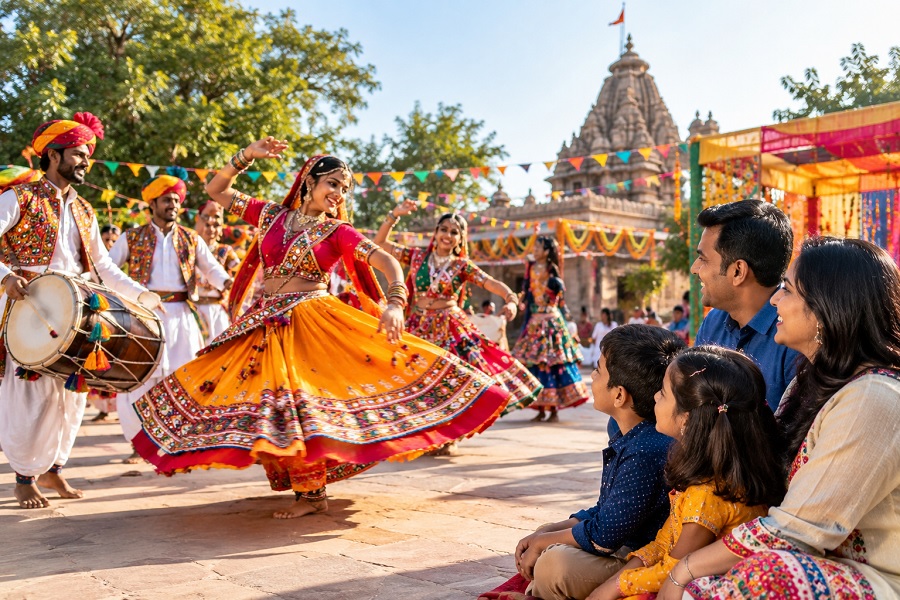
Diwali Family Shopping Tourism: Discovering Festive Markets, Traditional Decorations, and Handmade Crafts
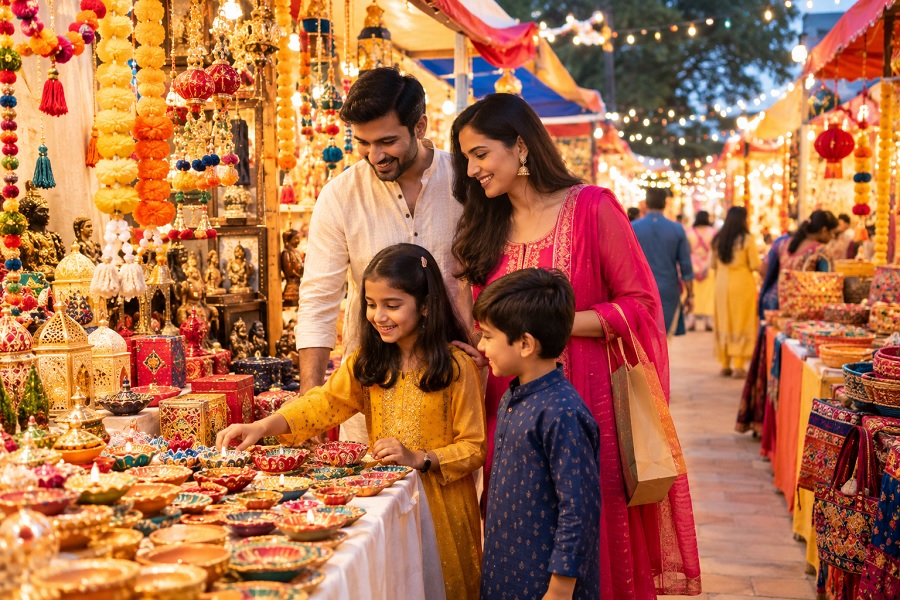
Family-Friendly Diwali Markets: Exploring Festive Shopping, Decorations, and Local Crafts
Introduction
Diwali is one of India's most celebrated festivals, bringing families together through lights, decorations, traditional food, shopping, and cultural activities. During the festive season, markets across the country become lively destinations filled with colorful lanterns, earthen diyas, decorative torans, sweets, clothing, and handmade crafts.
Family-friendly Diwali markets offer an enjoyable opportunity for parents and children to discover local traditions while preparing for the Festival of Lights. Families can explore traditional shopping streets, purchase festive decorations, taste regional delicacies, and learn about the craftsmanship behind handmade products.
From bustling city bazaars to local artisan markets, Diwali shopping can become a memorable family outing that combines entertainment, cultural discovery, and festive preparation.
Best Places to Explore Diwali Markets in India
1. Jaipur, Rajasthan
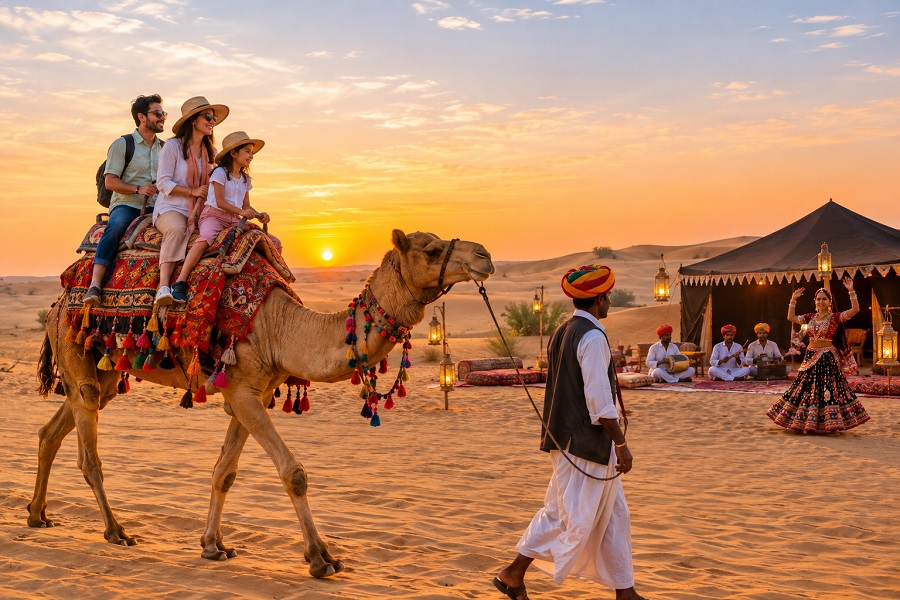
Jaipur is known for its traditional markets, colorful textiles, jewelry, decorative products, and handicrafts. During Diwali, markets such as Johari Bazaar and Bapu Bazaar attract shoppers looking for festive clothing, home decorations, and traditional gifts.
Families can explore regional crafts, purchase decorative accessories, and experience Rajasthan's vibrant shopping culture.
2. Delhi
Delhi offers a wide range of festive shopping destinations, including traditional bazaars and modern shopping areas. Markets such as Chandni Chowk are known for decorative items, clothing, sweets, and festive supplies.
Families can discover traditional products and experience the city's lively festive atmosphere while planning their shopping trips carefully around crowds.
3. Mumbai, Maharashtra
Mumbai's markets offer colorful lanterns, earthen lamps, decorative lights, sweets, clothing, and gift items during Diwali. Areas such as Dadar and local neighborhood markets provide opportunities to explore festive shopping traditions.
Families can discover traditional Maharashtrian kandils, handmade diyas, and decorative products while supporting local vendors.
4. Pune, Maharashtra
Pune's festive markets feature traditional lanterns, decorative torans, rangoli materials, handmade lamps, and festive gifts. Families can explore local shopping streets to find decorations that reflect Maharashtra's Diwali traditions.
Visiting nearby craft sellers can also help children understand the effort involved in creating handmade festive products.
5. Kolkata, West Bengal
Kolkata offers a variety of traditional markets featuring decorative lights, clothing, sweets, handicrafts, and festive accessories. Families can explore local shopping areas to discover regional products and experience the city's distinctive cultural atmosphere during Diwali.
6. Nashik, Maharashtra
Nashik's local markets provide opportunities to shop for traditional diyas, handmade kandils, decorative lights, rangoli colors, sweets, and household decorations. Families can enjoy convenient neighborhood shopping while exploring the city's festive customs and supporting local sellers.
Popular Items to Buy at Diwali Markets
Diwali markets offer a wide variety of products that help families prepare their homes for the festival.
- Traditional diyas: Earthen lamps used to decorate homes and courtyards.
- Decorative lanterns: Colorful paper and handmade kandils that brighten homes and balconies.
- Rangoli materials: Colored powders, flower petals, and stencils for creating traditional designs.
- Torans and wall hangings: Decorative items placed at entrances and around living spaces.
- Festive clothing: Traditional outfits and accessories for family celebrations.
- Handmade handicrafts: Clay decorations, wooden products, textiles, and locally produced gifts.
- Festive sweets: Regional sweets and packaged treats for sharing with family and friends.
- Gift hampers: Collections of sweets, dry fruits, and decorative items for festive gifting.
Family Activities at Diwali Markets
Exploring Traditional Crafts
Families can visit handicraft stalls to discover how artisans create earthen lamps, paper lanterns, decorative ornaments, and other festive products. Some markets and cultural events also organize demonstrations or supervised craft activities for children.
Shopping for Home Decorations
Parents and children can select diyas, torans, lanterns, and rangoli materials together. This activity encourages creativity and gives children an opportunity to participate in family festival preparations.
Discovering Regional Sweets
Food stalls and sweet shops often showcase regional specialties during Diwali. Families can explore different traditional sweets and learn about local festive food customs while choosing suitable treats.
Supporting Local Artisans
Purchasing handmade decorations from local craftspeople helps support traditional skills and small businesses. Families can also discuss the materials and techniques used to produce different handicrafts.
Enjoying Festive Displays
Some shopping districts and organized festive events feature decorative lighting, colorful displays, and cultural performances. These experiences can make a market visit more entertaining for children and adults.
Benefits of Family-Friendly Diwali Shopping
Visiting Diwali markets together offers more than an opportunity to purchase festive products.
Cultural learning: Children can discover regional traditions, handicrafts, and the significance of Diwali decorations.
Family bonding: Shopping together creates opportunities for conversation, shared decisions, and enjoyable family memories.
Creative inspiration: Colorful displays and handmade decorations can inspire children to create their own festive artwork at home.
Support for local businesses: Shopping from local sellers and artisans helps strengthen community businesses during the festive season.
Regional discovery: Families traveling to different cities can explore local specialties and experience variations in festive customs.
Tips for Planning a Family-Friendly Diwali Market Visit
1. Choose the right time: Visit early in the day or during quieter periods to avoid the heaviest crowds.
2. Plan your shopping list: Identify essential decorations, gifts, clothing, and food items before leaving home.
3. Set a budget: Allocate spending for decorations, sweets, gifts, and other festive purchases.
4. Keep children close: Busy markets can become crowded, so establish a meeting point and supervise children carefully.
5. Carry reusable shopping bags: Reduce unnecessary packaging and make purchases easier to carry.
6. Check product safety: Choose safe decorative lights and keep children away from open flames and electrical displays.
7. Choose suitable food options: Purchase sweets and snacks from hygienic vendors and consider family dietary requirements.
8. Plan transport and parking: Check traffic conditions and public transport options before visiting popular markets.
9. Respect local customs: Follow market rules and ask permission before photographing vendors or artisans.
Sustainable and Responsible Festive Shopping
Responsible shopping can make family Diwali outings more environmentally considerate. Families can choose reusable decorations, locally made handicrafts, and durable products instead of purchasing unnecessary disposable items.
Supporting traditional artisans helps preserve local craftsmanship and encourages the continuation of cultural practices. Families can also reduce waste by carrying reusable bags, avoiding excessive packaging, and selecting products that can be stored and reused in future celebrations.
Choosing appropriate decorative lights and using earthen diyas safely can also help households celebrate Diwali thoughtfully.
Opportunities for Tourism and Retail Businesses
Family-friendly Diwali markets create opportunities for tourism operators, local guides, shopping centers, hotels, and small businesses. Festival-themed shopping tours can introduce visitors to traditional markets, regional handicrafts, local food, and cultural attractions.
Businesses can develop family packages that combine market visits with craft workshops, heritage walks, festive food experiences, and sightseeing. Clear information about accessibility, transport, opening hours, and child-friendly facilities can improve the experience for visiting families.
Collaborations with local artisans and vendors can also promote regional products while strengthening the local economy.
Future of Family-Friendly Diwali Market Tourism
Family-oriented festive shopping can become an increasingly valuable part of cultural and festival tourism. Travelers may combine shopping with local sightseeing, handicraft workshops, food experiences, and visits to heritage attractions.
Digital maps, online market guides, and local travel information can help families discover suitable shopping areas and plan convenient itineraries. Markets that provide organized walkways, clear signage, family-friendly facilities, and responsible waste management can offer a more comfortable experience during the festive season.
Conclusion
Family-friendly Diwali markets provide an enjoyable way to experience India's festive traditions through shopping, handicrafts, decorations, and regional food. From Jaipur's traditional bazaars and Delhi's historic markets to Mumbai, Pune, and Nashik's festive shopping streets, families can discover a wide range of products and cultural experiences.
With careful planning, responsible shopping, and attention to children's safety, a Diwali market visit can become a meaningful family outing. These experiences also help preserve traditional crafts, support local businesses, and strengthen the connection between cultural heritage and family tourism.