Family Festive Market Tourism: Exploring Traditional Shopping Streets, Decorations and Diwali Celebrations
Diwali Market Tourism for Families: Exploring Colourful Festive Shopping Bazaars
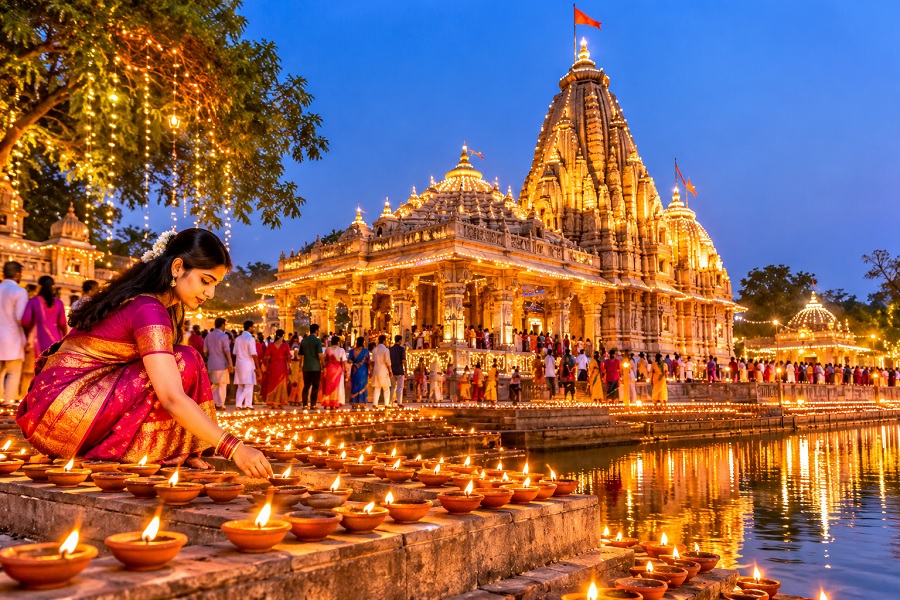
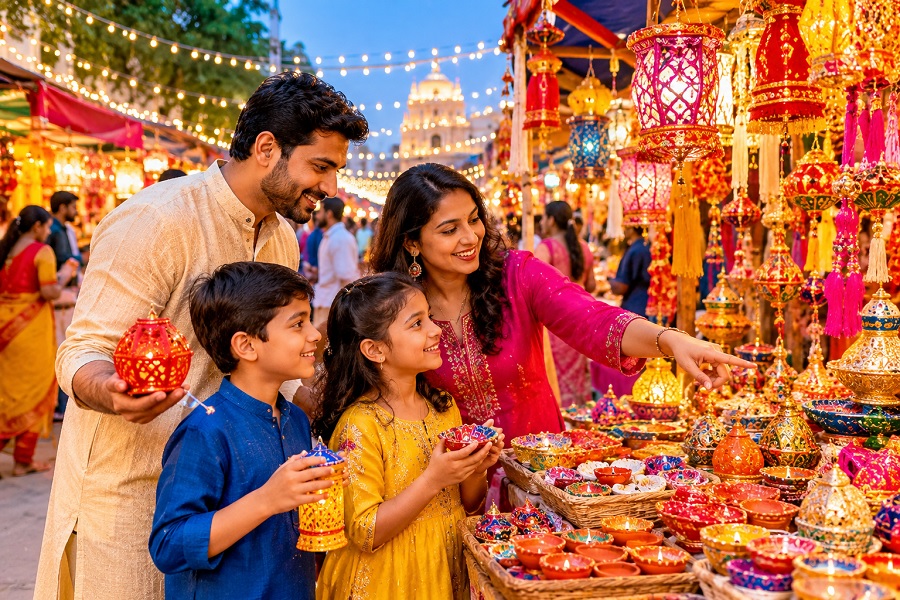
Diwali Market Tourism for Families is an exciting way to experience India's festive culture, traditional shopping destinations and colourful local markets. During Diwali, markets across the country become vibrant with decorative lights, colourful rangoli materials, traditional diyas, handmade lanterns, festive clothing, sweets and gift items.
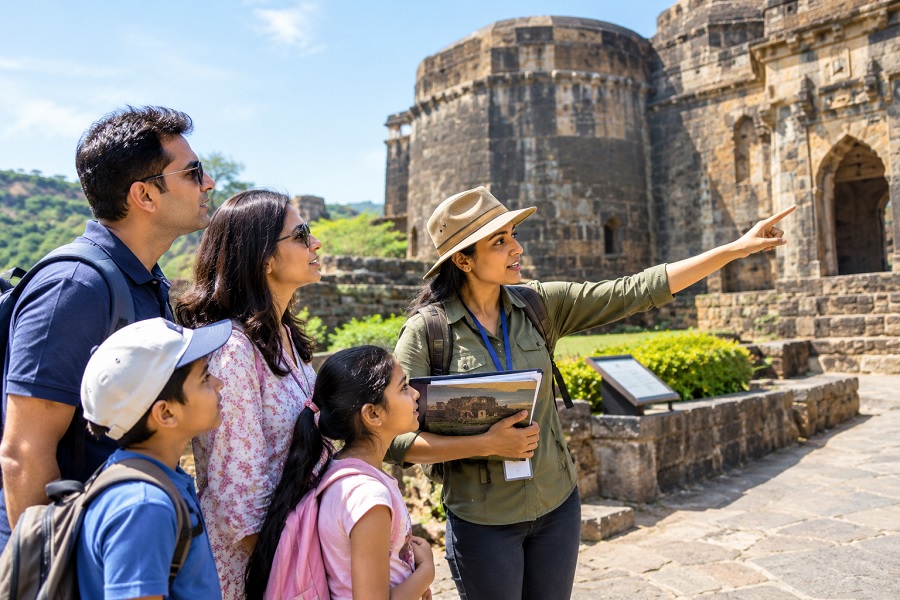
Families can explore these lively shopping bazaars, discover regional handicrafts, enjoy traditional food and spend quality time together. Diwali market tourism combines shopping, entertainment, cultural experiences and family travel, making it an attractive holiday activity during the festive season.
Exploring Colourful Diwali Markets Across India
India has several famous markets that become especially attractive during Diwali. These destinations offer a variety of traditional products, festive decorations and regional shopping experiences.
1. Chandni Chowk, Delhi
Chandni Chowk is one of India's most famous traditional shopping destinations. During Diwali, its markets feature decorative lights, traditional clothing, jewellery, sweets, dry fruits, diyas and festive gift collections. Families can explore the colourful streets and experience the traditional shopping atmosphere.
2. Johari Bazaar, Jaipur
Johari Bazaar is popular for its traditional jewellery, handicrafts, textiles and colourful Rajasthani products. During Diwali, the market attracts visitors with festive decorations, traditional ornaments, home accessories and gift-shopping options.
3. Crawford Market, Mumbai
Crawford Market is a popular shopping destination offering decorative products, household items, fresh produce and festive essentials. During Diwali, families can explore a variety of seasonal decorations, lighting accessories and gift items.
4. Tulsi Baug, Pune
Tulsi Baug is one of Pune's well-known traditional shopping areas. During Diwali, families can shop for colourful lanterns, traditional diyas, decorative items, clothing, jewellery and household products while enjoying the lively festive atmosphere.
5. Laad Bazaar, Hyderabad
Laad Bazaar is famous for traditional bangles, jewellery, clothing and decorative accessories. During the festive season, families can discover beautiful traditional products and experience Hyderabad's cultural shopping heritage.
Traditional Diwali Shopping Experiences
Diwali markets offer a wide variety of products that reflect India's cultural traditions and festive creativity.
Traditional Diyas: Shopping for handmade clay lamps and decorative oil lamps.
Decorative Lanterns: Exploring colourful kandils and handmade festive lighting.
Rangoli Materials: Purchasing colourful powders, flower decorations and rangoli accessories.
Festive Clothing: Discovering traditional sarees, kurta sets and ethnic outfits.
Handicrafts: Exploring handmade products created by local artisans.
Home Decorations: Shopping for torans, wall hangings, decorative candles and festive accessories.
Gift Collections: Finding traditional gift boxes, dry fruits and decorative souvenirs.
Family-Friendly Activities in Diwali Markets
Diwali shopping markets provide entertainment and cultural experiences for visitors of different age groups. Families can enjoy several activities together while exploring festive destinations.
1. Traditional Shopping: Parents and children can explore different stalls and select festive decorations, clothing and gifts.
2. Cultural Performances: Some shopping areas organise traditional music, dance performances and festive cultural programmes.
3. Sweet and Food Exploration: Families can discover regional Diwali sweets, snacks and traditional vegetarian delicacies.
4. Handicraft Workshops: Visitors can participate in selected craft workshops and learn how traditional diyas, lanterns and decorative products are made.
5. Festival Photography: Colourful market decorations, illuminated streets and traditional displays provide excellent opportunities for family photographs.
Supporting Local Artisans and Small Businesses
Diwali market tourism also helps support local artisans, traditional craftspeople and small businesses. Purchasing handmade diyas, decorative lanterns, textiles and regional handicrafts encourages traditional craftsmanship and provides income opportunities for local communities.
Families can learn about the cultural importance of handmade products while supporting sustainable and locally produced goods.
Best Time to Visit Diwali Shopping Markets
The best time to explore Diwali markets is generally during the days leading up to the festival. Markets usually become increasingly colourful and active as Diwali approaches.
Evening visits are particularly attractive because decorative lights and illuminated shop displays create a festive atmosphere. However, weekends and the final days before Diwali can be crowded, so families should plan their shopping trips accordingly.
Safety Tips for Family Shopping During Diwali
A comfortable and enjoyable shopping experience requires proper planning, especially when travelling with children and elderly family members.
Visit markets during convenient hours to avoid excessive crowds.
Keep children close in busy shopping areas.
Carry sufficient drinking water.
Use trusted payment methods and check prices before purchasing.
Keep personal belongings secure.
Follow local traffic and parking regulations.
Avoid crowded or restricted areas.
Choose eco-friendly decorations and locally made products.
Check market timings and transportation facilities before visiting.
Benefits of Diwali Market Tourism for Families
Diwali market tourism offers several benefits beyond shopping. It allows families to explore India's cultural diversity, understand traditional celebrations and discover regional handicrafts.
It also encourages family bonding through shared activities and festive experiences. Children can learn about traditional art, local businesses and the cultural significance of Diwali decorations.
Additionally, festive shopping tourism supports local economies, traditional artisans, retailers, food businesses and tourism services.
Conclusion
Diwali Market Tourism for Families: Exploring Colourful Festive Shopping Bazaars offers a wonderful opportunity to experience India's festive traditions, cultural heritage and vibrant shopping destinations. From Chandni Chowk in Delhi and Johari Bazaar in Jaipur to Tulsi Baug in Pune and Laad Bazaar in Hyderabad, families can discover beautiful decorations, traditional handicrafts, festive clothing and regional delicacies. With proper planning, Diwali market visits can become memorable family experiences filled with shopping, entertainment and cultural exploration.