Best Family Farm Holidays in India: Discover Organic Farming and Rural Adventures
Farm Tourism for Families: Exploring Organic Farms and Rural Life
Introduction
Farm tourism is becoming an appealing holiday option for families who want to escape busy city life and enjoy meaningful experiences in nature. It gives parents and children an opportunity to discover rural traditions, explore green fields, learn about farming, and understand where their food comes from. From feeding farm animals and harvesting seasonal fruits to exploring vegetable gardens and enjoying freshly prepared village meals, farm tourism offers a refreshing combination of education, relaxation, and outdoor fun.
India's diverse agricultural landscapes make it an excellent destination for family farm holidays. Families can visit organic farms, stay in rural homestays, participate in traditional farming activities, and experience the hospitality of local communities. These experiences can help children develop a greater appreciation for nature, agriculture, and sustainable living.
What Is Farm Tourism?
Farm tourism, also known as agritourism, involves visiting working farms and agricultural communities for recreation, education, and cultural experiences. Some destinations offer farm stays, guided tours, seasonal fruit picking, animal care demonstrations, cooking activities, and opportunities to learn about traditional farming methods.
Organic farm tourism focuses on agricultural practices that follow recognised organic standards, avoiding prohibited synthetic pesticides and fertilisers. Visitors should check a farm's actual practices and certification status rather than assuming every rural or natural-looking farm is certified organic.
Farm tourism can benefit families by combining leisure with practical learning. It can also create additional income opportunities for farmers through accommodation, guided activities, local food, and direct sales of agricultural products.
Why Families Should Choose Farm Tourism
1. Educational Experiences for Children
Farm visits introduce children to crops, soil, seeds, plants, insects, and the seasonal cycles of agriculture. Guided activities can help them understand how farmers grow fruits and vegetables and why water, healthy soil, and biodiversity matter.
2. Quality Time Together
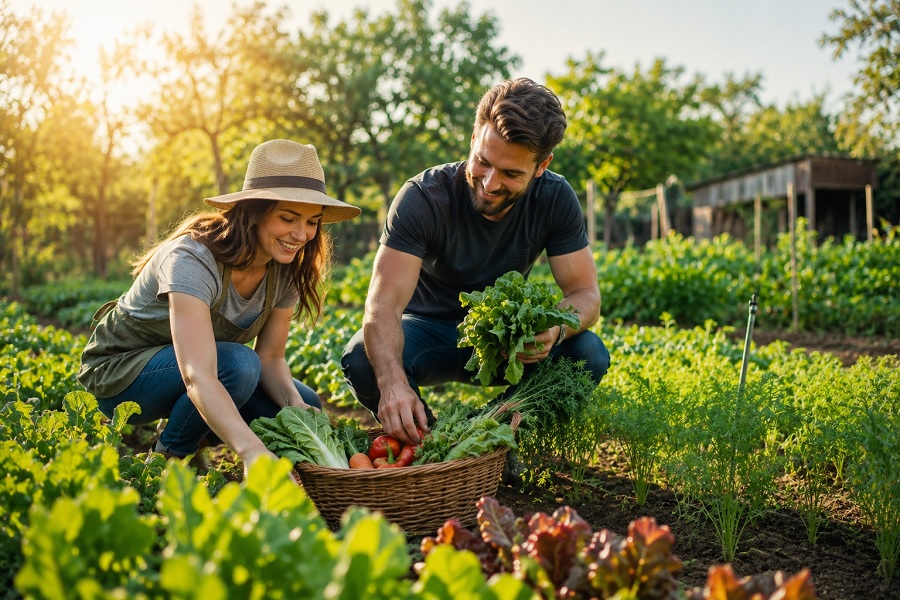
Families can enjoy activities such as planting seedlings, collecting eggs where permitted, picking seasonal fruits, preparing traditional food, or taking guided walks through fields. Shared experiences encourage conversation and create lasting holiday memories.
3. Relaxation in Natural Surroundings
Farms often provide open landscapes, fresh air, quiet surroundings, and opportunities to spend time outdoors. A farm stay can be a welcome break from traffic, crowded attractions, and screen-heavy routines.
4. Discovering Rural Culture
Families can learn about regional food, village traditions, local crafts, farming tools, and traditional ways of life. Respectful interactions with farmers and local residents help children appreciate different communities and occupations.
5. Supporting Local Farmers
Booking farm experiences and purchasing locally produced goods can help agricultural families diversify their income. Responsible farm tourism can also encourage the preservation of local food traditions and rural heritage.
Best Farm Tourism Experiences for Families in India
1. Maharashtra: Vineyard and Orchard Experiences
Maharashtra offers agricultural experiences around Nashik and other farming regions, including fruit orchards, grape-growing areas, and rural farm stays. Families can learn about seasonal crops, irrigation, harvesting, and fruit cultivation.
When visiting vineyards with children, choose family-friendly agricultural tours that focus on farming and nature rather than alcohol-related activities. Availability varies by season and individual property.
2. Kerala: Spice Gardens and Plantation Stays
Kerala's agricultural landscapes offer opportunities to discover spices, tropical fruits, coconut cultivation, and traditional farming practices. Families can join guided garden walks, learn about spices such as cardamom and pepper, and sample regional vegetarian dishes at suitable farm stays.
3. Karnataka: Coffee Plantations and Rural Landscapes
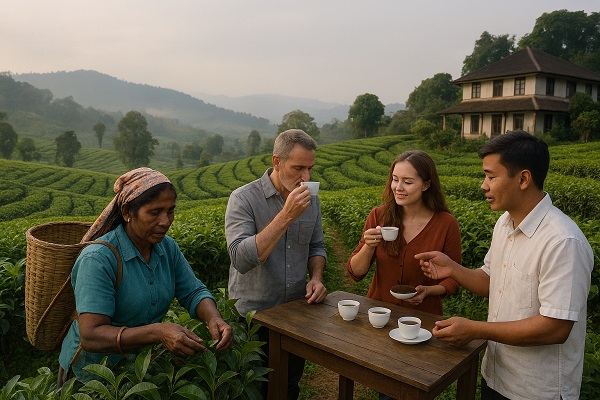
Coorg and other agricultural regions of Karnataka are known for coffee plantations, forested landscapes, and rural hospitality. Families may enjoy guided plantation walks, birdwatching, nature trails, and learning about coffee cultivation and processing.
Parents should select properties that provide suitable activities for children and clearly explain safety requirements around farm machinery and plantation areas.
4. Rajasthan: Village Farms and Traditional Agriculture
Rural Rajasthan offers opportunities to discover traditional farming practices, village architecture, local handicrafts, and regional cuisine. Families can learn how farmers adapt to dry conditions, manage limited water resources, and cultivate crops suited to the local climate.
5. Punjab: Agricultural Learning Experiences
Punjab's agricultural landscape provides an opportunity to understand grain cultivation, irrigation, farm equipment, and the importance of agriculture in local life. Depending on the farm and season, visitors may observe sowing, harvesting, or other agricultural activities under the guidance of farm staff.
6. Tamil Nadu: Organic Farms and Rural Homestays
Selected farms in Tamil Nadu offer experiences involving vegetable cultivation, coconut farming, traditional food preparation, and rural accommodation. Families can discover regional agricultural practices while enjoying local cuisine and outdoor activities.
Before booking, confirm whether the farm is genuinely organic, which activities are available, and whether children can participate safely.
Fun Farm Activities for Children and Parents
Farm tourism offers plenty of opportunities for interactive learning and family recreation.
Planting seeds: Let children learn how seeds grow into plants and what seedlings need to survive.
Seasonal fruit picking: Visit orchards during the appropriate harvest season and follow the farmer's instructions.
Vegetable garden tours: Discover different vegetables, herbs, and methods of cultivation.
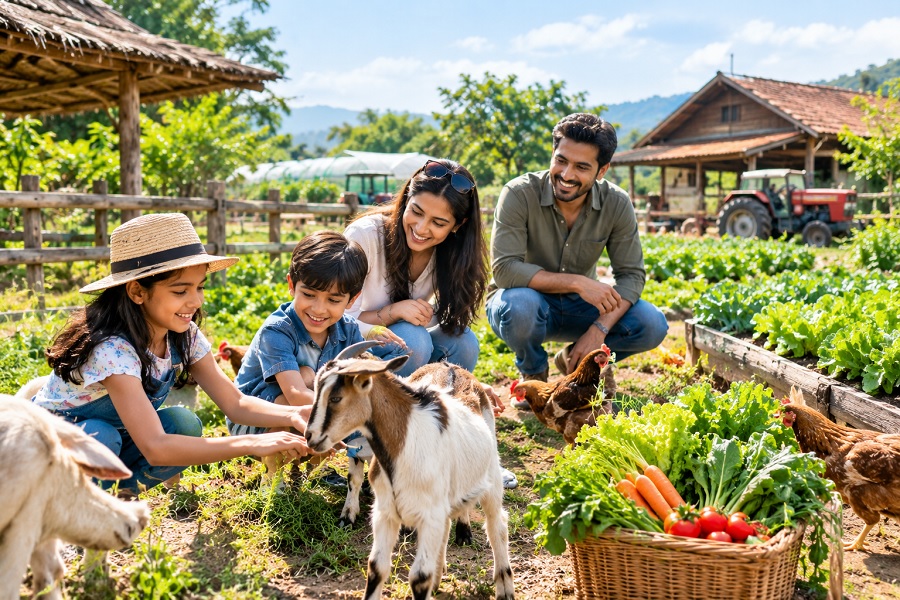
Farm animal observation: Learn about cows, goats, poultry, and other animals while respecting their welfare and keeping safe distances where required.
Traditional cooking: Prepare simple regional dishes using ingredients sourced from the farm, with adult supervision.
Nature walks: Identify birds, butterflies, trees, and beneficial insects.
Composting demonstrations: Learn how suitable organic waste can be turned into compost.
Rural craft activities: Try locally offered crafts and discover traditional skills.
Farm-to-table meals: Enjoy freshly prepared meals featuring seasonal and locally sourced ingredients.
Stargazing: Spend an evening outdoors when weather and local conditions permit.
Activities should always be appropriate for the child's age and abilities. Children should never enter machinery areas, handle farm chemicals, or approach unfamiliar animals without supervision.
What Families Can Learn About Organic Farming
Organic farm visits can introduce families to agricultural practices that support soil health, biodiversity, and responsible resource use.
Visitors may learn about composting, crop rotation, mulching, biological pest management, water conservation, and the use of suitable cover crops. Farmers can explain how they manage soil fertility, protect crops, and respond to seasonal weather conditions.
Families can also discover why pollinators such as bees and butterflies are important for many crops. Some farms may demonstrate rainwater harvesting, drip irrigation, or other water-saving methods.
The experience is most valuable when farmers explain both the benefits and challenges of sustainable agriculture, including labour requirements, weather risks, and the practical decisions involved in producing food.
How to Plan a Family Farm Holiday
Choose the Right Farm
Look for a farm that clearly describes its accommodation, activities, accessibility, meal arrangements, sanitation facilities, and child-safety measures. Families with young children may prefer farms with short guided activities and comfortable facilities.
Check the Season
Farming activities depend on the local climate and crop calendar. Fruit picking, planting, and harvesting may only be available during certain months. Contact the farm before booking to confirm what visitors can actually experience.
Prepare for Outdoor Activities
Carry comfortable walking shoes, weather-appropriate clothing, hats, sunscreen, insect protection, reusable water bottles, and any necessary personal medication. Follow local advice about drinking water and food safety.
Set a Family-Friendly Budget
Include accommodation, transport, meals, guided experiences, activity fees, and purchases from farm shops. Some farms include activities in their accommodation price, while others charge separately.
Respect Farm Rules
Stay on designated paths, wash hands after contact with animals or soil, avoid damaging crops, and follow instructions from farm staff. Always ask before taking photographs of workers or private property.
Sustainable Farm Tourism and Its Benefits
Responsible farm tourism can support both agricultural communities and environmental awareness.
Additional income for farmers: Accommodation, educational tours, meals, and farm products can create supplementary revenue.
Local employment: Tourism may generate work for guides, cooks, drivers, craftspeople, and other community members.
Cultural preservation: Visitors gain an appreciation of regional food, traditional knowledge, and rural heritage.
Environmental education: Families learn about soil, water, biodiversity, seasonal food, and responsible resource use.
Support for local food systems: Buying seasonal products directly from farmers can strengthen connections between producers and consumers.
Farm tourism should be planned with the needs of the farming community in mind. Visitor numbers, water use, waste management, animal welfare, and the protection of agricultural land all deserve careful consideration.
Conclusion
Farm tourism for families offers a meaningful way to explore organic farms, agricultural landscapes, and rural life while enjoying quality time together. From fruit orchards in Maharashtra and spice gardens in Kerala to coffee plantations in Karnataka and traditional farms across northern India, these experiences introduce visitors to the people and practices behind everyday food.
Children can learn through planting, harvesting, nature walks, and farm demonstrations, while parents enjoy peaceful surroundings and authentic local experiences. By choosing responsible farms, respecting local communities, and planning around seasonal activities, families can enjoy a memorable holiday that combines relaxation, education, and sustainable travel.
Farm tourism is more than a countryside escape. It is an opportunity to understand agriculture, appreciate rural communities, and build a stronger connection with the natural world.