Tea Tourism: Exploring Tea Gardens and Plantation Stays
Tea tourism is emerging as a unique and immersive travel experience, offering visitors a chance to explore lush tea gardens, understand age-old cultivation practices, and enjoy peaceful stays amid nature. More than just a beverage, tea represents culture, heritage, and livelihood for millions, making tea tourism a meaningful blend of leisure, learning, and sustainability.
What Is Tea Tourism?
Tea tourism involves traveling to tea-growing regions to experience the journey of tea from leaf to cup. Tourists visit tea estates, interact with plantation workers, learn about plucking and processing methods, and often stay within or near tea plantations. Popular in regions such as India, Sri Lanka, China, and Japan, tea tourism allows travelers to slow down and reconnect with nature.
Exploring Tea Gardens
Walking through endless rows of emerald-green tea bushes is a highlight of tea tourism. Guided plantation tours explain how altitude, climate, and soil influence tea flavor. Visitors can witness traditional hand-plucking techniques and observe processing units where fresh leaves are withered, rolled, oxidized, and dried. These tours provide insight into the craftsmanship behind every cup of tea.
Plantation Stays: Living the Tea Estate Life
Plantation stays are the heart of tea tourism. Heritage bungalows and eco-resorts located within tea estates offer travelers a chance to experience life on a plantation. Mornings begin with misty views, birdsong, and freshly brewed tea, while evenings are spent enjoying local cuisine and storytelling sessions. These stays blend colonial charm with modern comfort and are ideal for nature lovers and slow travelers.
Tea Tasting and Cultural Experiences
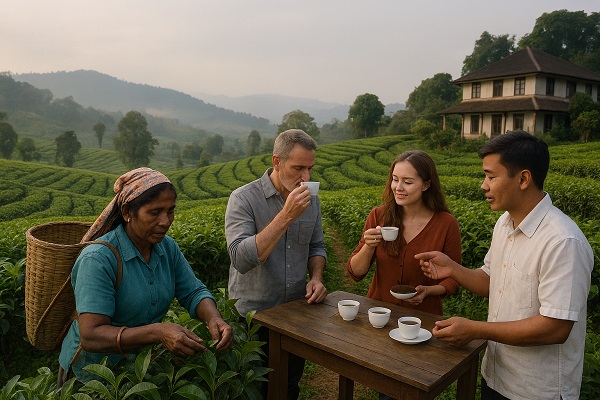
Tea tourism often includes curated tea-tasting sessions led by experts. Visitors learn to identify aromas, flavors, and grades of tea, much like wine tasting. Cultural activities such as folk dances, local cuisine experiences, and interactions with plantation communities add depth to the journey, making it more than just a sightseeing trip.
Sustainability and Community Impact
Tea tourism supports sustainable travel by generating additional income for tea estates and local communities. Responsible tourism initiatives help preserve heritage properties, improve worker welfare, and promote eco-friendly practices. By choosing plantation stays and locally guided tours, travelers contribute directly to rural development and cultural preservation.
Why Tea Tourism Is Gaining Popularity
In an age of fast-paced travel, tea tourism offers calm, authenticity, and meaningful engagement. It appeals to wellness seekers, couples, solo travelers, and families looking for offbeat destinations. With growing interest in experiential and sustainable tourism, tea gardens are becoming sought-after travel retreats.
Conclusion
Tea tourism is a refreshing way to explore destinations through nature, culture, and taste. From serene plantation walks to cozy heritage stays and flavorful tea sessions, it offers a wholesome travel experience that lingers long after the journey ends. For travelers seeking peace, learning, and authenticity, tea tourism is truly a cup worth savoring.