Pet-Friendly Family Holidays: Best Travel Tips for Exploring Destinations with Kids and Pets
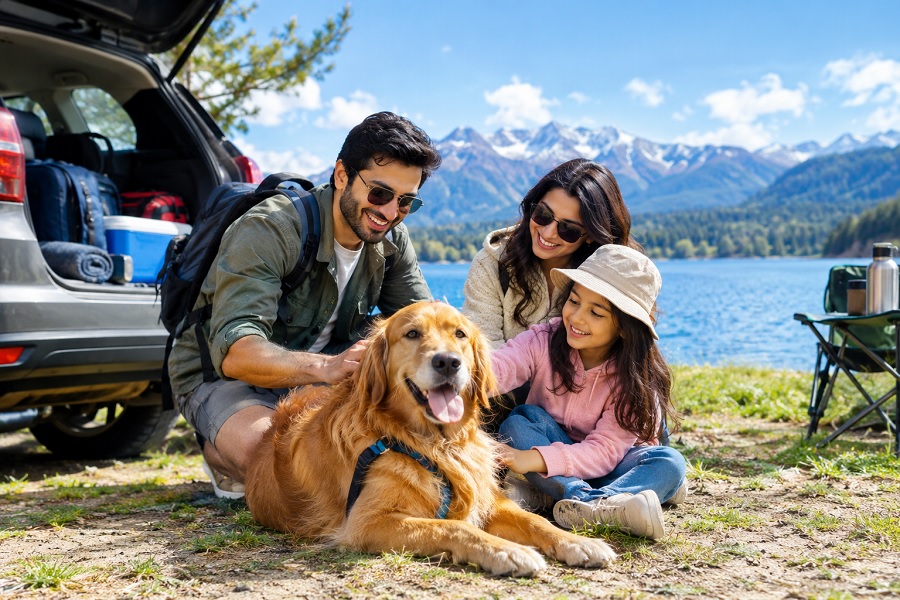
Pet-Friendly Family Tourism: Planning Holidays with Children and Pets
Introduction
Pet-friendly family tourism is becoming an appealing travel option for families who want to enjoy holidays with their children and beloved pets. Instead of leaving dogs or other companion animals at home, families can choose destinations, accommodations, and activities that welcome both children and pets. This style of travel allows families to spend more time together while discovering new places, enjoying outdoor adventures, and creating lasting memories.
Planning a holiday with children and pets requires additional preparation, including choosing suitable accommodation, arranging safe transportation, checking local pet regulations, and identifying activities that meet everyone's needs. With thoughtful planning, pet-friendly family tourism can provide a comfortable, enjoyable, and responsible travel experience.
What Is Pet-Friendly Family Tourism?
Pet-friendly family tourism refers to travel experiences designed to accommodate families traveling with companion animals. These holidays may include pet-friendly hotels, holiday cottages, campsites, nature trails, beaches that permit pets, outdoor restaurants, and family attractions with pet access.
The main purpose is to make travel more inclusive for families who consider their pets important members of the household. Rather than separating pets from their owners during vacations, travelers can explore destinations together wherever appropriate facilities and regulations allow.
Pet-friendly tourism options vary by destination. Some properties welcome dogs only, while others may accept cats or additional types of pets. Families should always confirm the rules before booking.
Choosing the Right Pet-Friendly Destination
Selecting a suitable destination is one of the most important steps in planning a family holiday with pets. Families should consider travel distance, climate, available veterinary services, outdoor spaces, and activities suitable for children.
1. Hill Stations and Nature Retreats
Hill stations and countryside destinations can provide scenic surroundings, walking paths, and outdoor experiences for families. Before visiting, check whether the accommodation, parks, trails, and sightseeing attractions permit pets.
2. Beach Holidays
Some beaches allow pets during designated hours or in specific areas. Families should check local regulations, avoid extreme heat, provide fresh water, and prevent pets from disturbing wildlife or other visitors.
3. Countryside and Farm Stays
Pet-friendly cottages, rural retreats, and selected farm stays offer opportunities to enjoy open spaces and a slower pace of life. Visitors should keep pets away from livestock, crops, and restricted areas.
4. Road Trip Destinations
Road trips allow families to plan flexible stops for meals, rest, and pet exercise. Choosing routes with safe rest areas and accessible veterinary services can make the journey more comfortable.
5. Pet-Friendly City Breaks
Some cities offer pet-welcoming hotels, outdoor cafés, walking routes, and public parks. Families should check public transport rules and attraction policies before including pets in their itinerary.
Finding Suitable Pet-Friendly Accommodation
Accommodation can strongly influence the success of a family holiday. Families should look for properties that provide appropriate space for children and pets and clearly explain their pet policies.
Important features to consider include:
Pet-friendly rooms or cottages with sufficient space.
Nearby walking areas or designated pet exercise spaces.
Clear information about pet fees, deposits, and size restrictions.
Safe balconies, windows, gates, and outdoor areas.
Family amenities such as extra beds, children's meals, or play areas.
Nearby veterinary clinics and emergency animal care.
Clear cleaning, waste disposal, and pet supervision rules.
Before making a reservation, confirm whether pets can stay unattended in the room, whether they are allowed in dining areas, and whether any restrictions apply to particular breeds or animal sizes.
Planning Activities for Children and Pets
The best family itineraries balance activities for children with the needs of pets. A flexible schedule helps everyone enjoy the holiday without becoming overtired.
Outdoor Walks and Nature Trails
Choose suitable walking routes with safe surfaces, shade, and access to drinking water. Keep pets on a leash wherever required and supervise children around unfamiliar animals and wildlife.
Picnics in Pet-Friendly Parks
A picnic can be an affordable way to enjoy the outdoors. Choose a permitted area, carry waste bags, keep food securely stored, and prevent pets from eating unsuitable foods.
Pet-Friendly Cafés and Restaurants
Some outdoor dining establishments welcome pets. Confirm the restaurant's policy in advance and make sure children and pets can remain comfortable without blocking walkways or disturbing other customers.
Family Camping and Glamping
Selected campsites and glamping properties welcome families with pets. Check site rules, fire safety arrangements, wildlife precautions, and the availability of secure sleeping areas.
Local Markets and Outdoor Events
Certain markets and events permit pets, while others prohibit them because of crowds or food safety requirements. Review the event rules before attending and avoid crowded environments that may cause stress for children or animals.
Essential Packing Checklist for Family Travel with Pets
Preparing a packing list helps families avoid unnecessary stress during the journey.
For pets:
Regular food, treats, and portable water bowls.
Leash, harness, identification tag, and secure carrier where appropriate.
Waste bags and cleaning supplies.
Bedding, familiar toys, and comfort items.
Any prescribed medication and relevant veterinary records.
Vaccination documentation when required.
Contact details for the pet's veterinarian.
For children:
Clothing suitable for the destination and weather.
Snacks, reusable water bottles, and personal essentials.
Sunscreen and appropriate outdoor protection.
Books, games, or activities for travel time.
Necessary medication and emergency contact information.
Keep important documents, food, water, and essential supplies easy to access during the journey.
Safe Transportation for Children and Pets
Transportation safety should be a priority when traveling together. In a car, children should use age- and size-appropriate child restraints, while pets should be secured in a suitable crash-tested carrier, crate, or vehicle harness.
Pets should not roam freely inside the vehicle or sit on a driver's lap. Never leave a pet alone in a parked car, especially during warm weather, because temperatures can rise dangerously quickly.
For train, bus, and air travel, check the operator's current animal transport rules before purchasing tickets. Requirements may include approved carriers, advance permission, documentation, or designated travel arrangements.
Plan regular breaks on longer journeys so children can stretch and pets can drink water, relieve themselves, and move safely.
Pet Health and Comfort During Holidays
A healthy and comfortable pet is essential for an enjoyable family vacation. Before traveling, consider a veterinary check, particularly for older pets, young animals, or those with existing health needs.
Maintain regular feeding schedules where possible and carry familiar food to reduce digestive problems. In hot weather, arrange outdoor activities during cooler hours and provide access to shade and fresh water.
Families should also be aware of local risks such as ticks, unfamiliar plants, wildlife, parasites, and extreme weather. If a pet becomes distressed, overheated, unusually tired, or unwell, stop the activity and seek appropriate veterinary advice.
Children should be taught to approach pets calmly, avoid disturbing animals while eating or sleeping, and respect signs of fear or discomfort.
Pet-Friendly Family Tourism in India
India offers a variety of travel experiences for families with pets, including selected countryside stays, private cottages, pet-friendly resorts, and outdoor destinations. However, pet access differs widely between individual properties and public attractions.
In Maharashtra, families can research suitable stays around Lonavala, Mahabaleshwar, and other countryside destinations. In Goa, selected accommodations and establishments welcome pets, although beach access and local rules should be checked. Parts of Kerala and Himachal Pradesh also offer rural stays and nature-focused experiences that may suit families traveling with animals.
Before confirming a trip, contact the property directly to verify its pet policy, additional charges, room restrictions, and nearby activities. National parks, wildlife sanctuaries, religious sites, and certain protected areas commonly restrict domestic animals, so families should check official rules rather than assume pets are allowed.
Responsible Pet-Friendly Tourism
Responsible tourism protects animals, local communities, wildlife, and the environment. Families should dispose of pet waste correctly, follow leash rules, respect accommodation policies, and avoid allowing pets to chase wildlife or enter protected habitats.
Pet owners should also consider whether a destination is suitable for their animal. Long journeys, crowded festivals, extreme temperatures, and unfamiliar surroundings may be stressful for some pets.
When a particular excursion is unsuitable, families can arrange a safe alternative activity or appropriate pet care rather than exposing their animal to unnecessary risk.
Benefits of Pet-Friendly Family Holidays
Pet-friendly family tourism can offer several benefits:
Family bonding: Shared experiences create opportunities for families to spend quality time together.
Reduced separation: Traveling with pets may reduce the need for boarding arrangements.
Outdoor recreation: Walks and nature activities can encourage active holidays.
Responsible behavior: Children can learn about animal welfare and environmental respect.
Flexible travel: Cottages, road trips, and nature retreats can offer more adaptable itineraries.
Support for local businesses: Booking suitable accommodation and services can benefit businesses that welcome responsible pet owners.
The experience is most successful when the itinerary considers the needs of every family member, including the pet.
Tips for Planning a Successful Pet-Friendly Family Holiday
Book accommodation that explicitly confirms pets are welcome.
Check transport regulations and destination-specific restrictions in advance.
Choose activities appropriate for the ages of the children and the needs of the pet.
Carry sufficient food, water, medication, and identification.
Schedule breaks and avoid overcrowding the itinerary.
Research veterinary clinics near the accommodation.
Keep children supervised around pets, wildlife, and unfamiliar animals.
Respect local rules and clean up after pets.
Avoid leaving pets unattended in vehicles or unsafe accommodation.
Maintain a backup plan for bad weather, emergencies, or activities where pets are not permitted.
Future of Pet-Friendly Family Tourism
Pet-friendly family tourism offers opportunities for travel businesses to serve families seeking inclusive holiday experiences. Hotels, cottages, resorts, and tour operators can respond by providing transparent pet policies, suitable outdoor areas, responsible cleaning procedures, and clear guidance for guests.
Online booking tools and specialized travel platforms can make it easier to identify suitable properties and compare pet-related facilities. Families are also likely to value destinations that combine comfort, safety, outdoor recreation, and responsible animal care.
The long-term success of this travel segment depends on balancing visitor convenience with animal welfare, environmental protection, and respect for other travelers.
Conclusion
Pet-Friendly Family Tourism: Planning Holidays with Children and Pets provides families with an opportunity to explore new destinations without leaving their beloved animals behind. From countryside cottages and scenic road trips to suitable beaches and outdoor adventures, pet-friendly holidays can create memorable experiences for the entire family.
Successful planning requires choosing suitable accommodation, preparing essential supplies, checking travel regulations, and prioritizing the health and comfort of both children and pets. By following responsible travel practices, families can enjoy meaningful holidays while supporting pet-friendly businesses and protecting the places they visit.