Organic Food and Farm Trails: Explore Sustainable Agriculture and Fresh Local Flavors
Organic Food and Farm Trails: A Fresh Way to Experience Sustainable Rural Tourism
Organic Food and Farm Trails are becoming an appealing choice for travelers who want to discover where their food comes from while enjoying authentic countryside experiences. These trails connect visitors with organic farms, orchards, vineyards, food producers, farm shops, local markets and rural communities.
Unlike conventional sightseeing, farm trails allow travelers to experience agriculture directly. Visitors may walk through organic fields, learn about sustainable farming, taste freshly harvested produce, participate in seasonal activities and discover traditional food practices.
In 2026, the growing interest in experiential and sustainable tourism is making organic farm tourism increasingly relevant. Recent research on organic agritourism has found that rural landscapes can provide nature immersion, environmental education and restorative experiences, while broader agritourism research points to benefits for rural livelihoods and local economies.
What Are Organic Food and Farm Trails?
Organic Food and Farm Trails are tourism routes that connect multiple agricultural and food-related attractions within a particular region.
A trail may include:
Organic vegetable farms
Fruit orchards
Dairy farms
Tea and coffee plantations
Vineyards
Herb farms
Spice plantations
Farm-to-table restaurants
Farmers' markets
Artisan food producers
Rural cafés
Organic farm stays
Agricultural museums
The purpose is to create a complete food and farming experience rather than simply visiting a single farm.
Why Organic Farm Trails Are Becoming Popular
Modern travelers increasingly want meaningful experiences rather than simply visiting famous attractions. Organic farm trails provide opportunities to understand agriculture, meet farmers and taste locally produced food.
They also create a direct connection between food production and tourism. Visitors can see how crops are grown, learn about soil management and discover how local products reach their tables.
Research published in 2026 found that organic agritourism can encourage environmental awareness, nature immersion and stronger emotional connections with rural destinations.
Experience Farm-to-Table Travel
One of the biggest attractions of an organic farm trail is the farm-to-table experience.
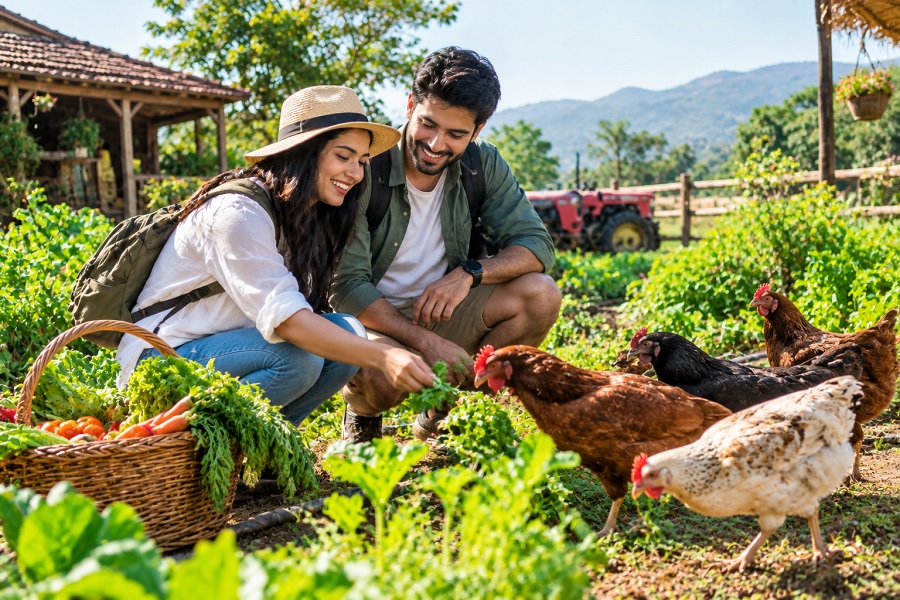
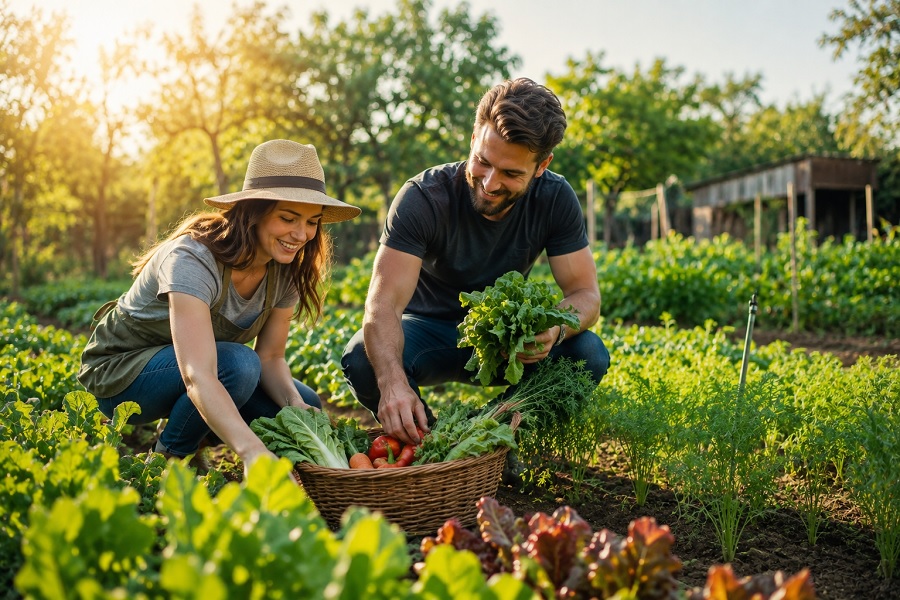
Travelers can visit a farm in the morning, learn about seasonal crops and later enjoy a meal prepared with locally sourced ingredients. Some destinations allow visitors to pick fruits or vegetables before enjoying freshly prepared dishes.
This creates a stronger connection between agriculture, food and tourism.
Explore Organic Farming Practices
Farm trails can also serve as educational experiences.
Visitors may learn about:
Composting
Crop rotation
Natural soil management
Water conservation
Biodiversity
Natural pest management
Organic fertilizers
Seed preservation
Sustainable harvesting
Renewable energy on farms
Agritourism research has linked tourism activities with greater awareness of sustainable farming and environmental practices.
Seasonal Farm Experiences
Organic farm trails change with the seasons, giving travelers a reason to return at different times of the year.
Spring
Spring trails can feature flower farms, vegetable planting, herb gardens and young fruit orchards.
Summer
Summer is ideal for fruit picking, vineyard visits, farm picnics and outdoor agricultural activities.
Monsoon
In regions with seasonal rainfall, travelers can explore lush farms, rice fields, spice plantations and rain-fed agricultural landscapes.
Autumn
Harvest-season experiences can include fruit picking, grain harvesting and local food festivals.
Winter
Cooler months can be excellent for farm walks, organic food markets, rural cycling and countryside stays.
Organic Fruit-Picking Experiences
Fruit-picking is one of the most interactive activities available on many farm trails.
Depending on the destination and season, visitors may pick apples, strawberries, oranges, grapes, berries, mangoes or other locally grown produce.
These experiences are particularly popular with families because they combine outdoor recreation with agricultural education.
Discover Local Food Markets
Farm trails often connect directly with farmers' markets and rural food markets.
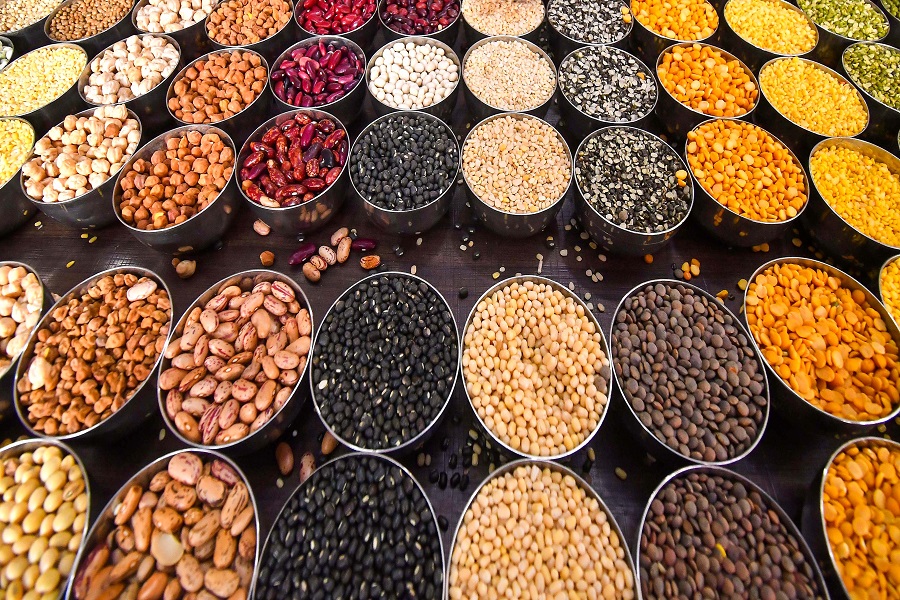
Travelers can discover seasonal vegetables, fruits, homemade preserves, traditional snacks, honey, cheese, spices, grains and other regional products.
Buying directly from producers can also help strengthen local agricultural businesses.
Farm-to-Table Dining
Organic farm trails can include restaurants located directly on farms or nearby rural communities.
Farm-to-table meals may feature ingredients harvested from surrounding fields. Menus can change according to seasonal availability, creating a more authentic local food experience.
For travelers interested in culinary tourism, these dining experiences can become one of the highlights of a farm trail.
Organic Tea and Coffee Plantation Trails
Tea and coffee plantations can add another dimension to organic farm tourism.
Visitors can walk through plantations, learn about cultivation and harvesting, see processing methods and participate in tasting sessions.
India's plantation regions provide opportunities to combine agricultural experiences with scenic landscapes, local cuisine and rural culture.
Spice Farm Experiences
Spice farms are particularly attractive for travelers interested in food and agriculture.
A guided walk can introduce visitors to plants such as cardamom, pepper, turmeric, ginger, cinnamon and other regional crops.
Travelers can learn how spices are cultivated, harvested, dried and prepared for culinary use.
Sustainable Farm Stays
Staying overnight on a farm can transform a short farm visit into a deeper rural experience.
Farm stays may include:
Organic meals
Morning farm walks
Crop harvesting
Animal care
Cooking classes
Nature walks
Village visits
Campfire experiences
Local cultural activities
Farm accommodation also allows visitors to experience the rhythms of rural life more closely.
Family-Friendly Organic Farm Trails
Organic farm trails are well suited to family travel.
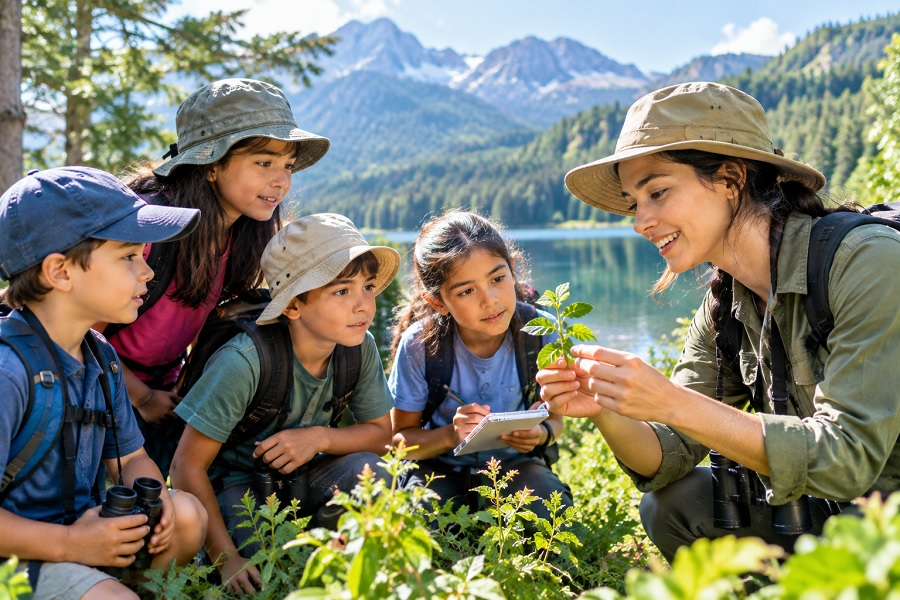
Children can learn where food comes from by seeing crops growing in real fields. They can participate in simple activities such as vegetable harvesting, seed planting or fruit picking when farms permit it.
Parents can combine recreation with practical environmental education, making farm tourism both enjoyable and informative.
Organic Farm Trails for Couples
Couples can enjoy a slower and more relaxed style of travel through farm destinations.
Romantic farm experiences can include:
Countryside walks
Farm-to-table dinners
Vineyard visits
Fruit-picking activities
Sunset farm picnics
Organic cooking classes
Rural photography
Farm stays
These experiences can provide an alternative to crowded urban destinations.
Photography Opportunities
Organic farms can provide beautiful photography opportunities throughout the year.
Travelers can photograph crop fields, orchards, farm architecture, local food, traditional farming activities and rural landscapes.
However, visitors should ask farmers for permission before photographing private areas, workers or people.
Supporting Rural Communities
Agritourism can provide additional income opportunities for farming communities by connecting agricultural production with tourism services. Recent research highlights its potential to support employment, entrepreneurship, local businesses and rural economic development.
Visitors can contribute by purchasing locally produced food, booking community-run experiences and choosing locally owned accommodation.
Organic Farm Tourism in India
India offers significant potential for organic food and farm trails because of its diverse agricultural regions and food traditions.
Travelers can explore experiences around:
Maharashtra's fruit and vegetable farms
Kerala's spice and plantation regions
Himachal Pradesh's apple-growing areas
Karnataka's coffee plantations
Sikkim's organic farming landscapes
Punjab's agricultural countryside
Rajasthan's rural farming communities
Gujarat's agricultural and food-producing regions
Farm tourism research in Kerala has highlighted visitors' interest in participating in farming activities, learning about sustainable agricultural practices and experiencing local customs and agricultural heritage.
Sustainable Travel Tips for Farm Trails
Travelers can make their farm visits more responsible by following a few simple practices:
Respect farm rules and private property.
Do not pick crops without permission.
Avoid wasting food.
Carry reusable water bottles and bags.
Purchase directly from local producers when possible.
Follow designated walking routes.
Avoid disturbing livestock and wildlife.
Use local guides when available.
Respect local customs.
Choose farms that demonstrate genuine sustainable practices.
Responsible visitor behavior helps protect the agricultural landscape while supporting the people who maintain it.
How to Plan an Organic Farm Trail
Before starting a farm trail, research the farms and activities available in the destination.
Check:
Seasonal crop availability.
Farm opening dates and times.
Workshop and tour requirements.
Whether advance booking is necessary.
Transportation between farms.
Weather conditions.
Food and accommodation options.
Photography policies.
Family and accessibility facilities.
Local markets and festivals occurring during the visit.
Planning around harvest seasons can make the experience considerably more rewarding.
The Future of Organic Food and Farm Trails
The future of organic farm tourism is likely to focus increasingly on authentic experiences, environmental education and direct connections between visitors and producers.
Technology can also make farm trails easier to explore through digital maps, online bookings, interactive farm information and self-guided routes.
At the same time, successful farm tourism needs to balance visitor demand with the realities of agricultural work. Research shows that agritourism can offer sustainability benefits, but its effects are not automatically positive in every area and need to be managed carefully.
Conclusion
Organic Food and Farm Trails offer travelers an opportunity to experience agriculture, food, nature and rural culture in a single journey. From walking through organic fields and picking seasonal fruit to enjoying farm-to-table meals and staying overnight in the countryside, these experiences create a closer connection between travelers and the food system.
For 2026, organic farm trails are an attractive option for families, couples, food lovers, photographers and environmentally conscious travelers. When managed responsibly, they can also support farmers, strengthen rural economies and encourage greater appreciation for sustainable agriculture.
An organic farm trail is more than a food journey. It is a chance to slow down, meet local producers, understand farming traditions and experience the countryside from a completely different perspective.