Family Educational Tourism: Best Learning Experiences for Parents and Children
Family Educational Tourism: Learning and Exploring Together
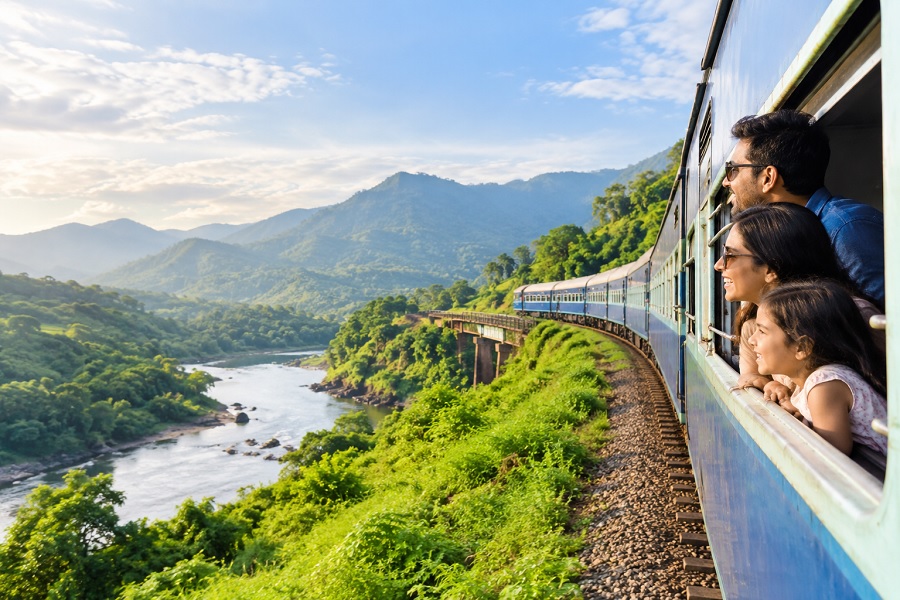
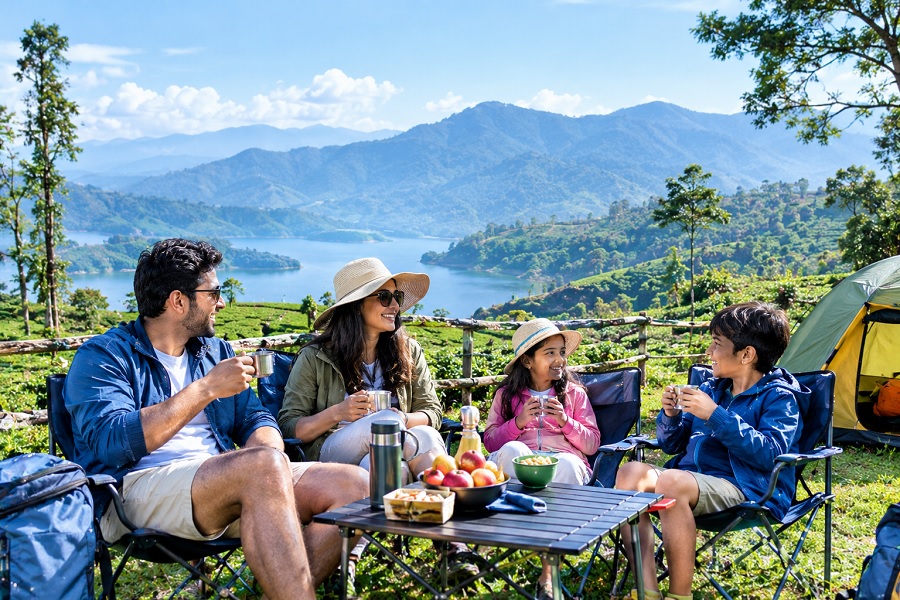
Family Educational Tourism is a growing travel concept that combines holidays with learning experiences for parents and children. Instead of focusing only on sightseeing and entertainment, these trips encourage families to discover history, science, nature, art, culture and local communities together.
Educational travel can be planned around school holidays, weekends or longer family vacations. It can include museums, science centres, historical sites, wildlife reserves, planetariums, heritage destinations, farms and cultural workshops.
What Is Family Educational Tourism?
Family educational tourism refers to travel experiences where family members learn something new while exploring a destination. The learning can be formal, such as a museum-guided programme, or informal, such as discovering local history during a heritage walk.
The main goal is to make learning more engaging by connecting children with real places, people and experiences.
Why Family Educational Tourism Is Becoming Popular
Families are increasingly looking for holidays that provide both entertainment and meaningful experiences. Educational tourism can give children opportunities to learn outside the classroom while parents participate in the experience.
Some key benefits include:
Learning through real-world experiences
Developing curiosity and observation skills
Understanding history and culture
Exploring science and technology
Encouraging family interaction
Developing appreciation for nature
Creating memorable educational experiences
Popular Family Educational Tourism Experiences
1. Science Museum Visits
Science museums can introduce children to subjects such as physics, biology, space and technology through interactive displays and demonstrations.
Families can spend several hours exploring exhibits and discussing interesting discoveries together.
2. Planetarium and Astronomy Trips
Planetariums offer an engaging way for children to learn about planets, stars, galaxies and space exploration.
Families can also visit destinations with low light pollution for organised stargazing experiences.
3. Historical Heritage Tours
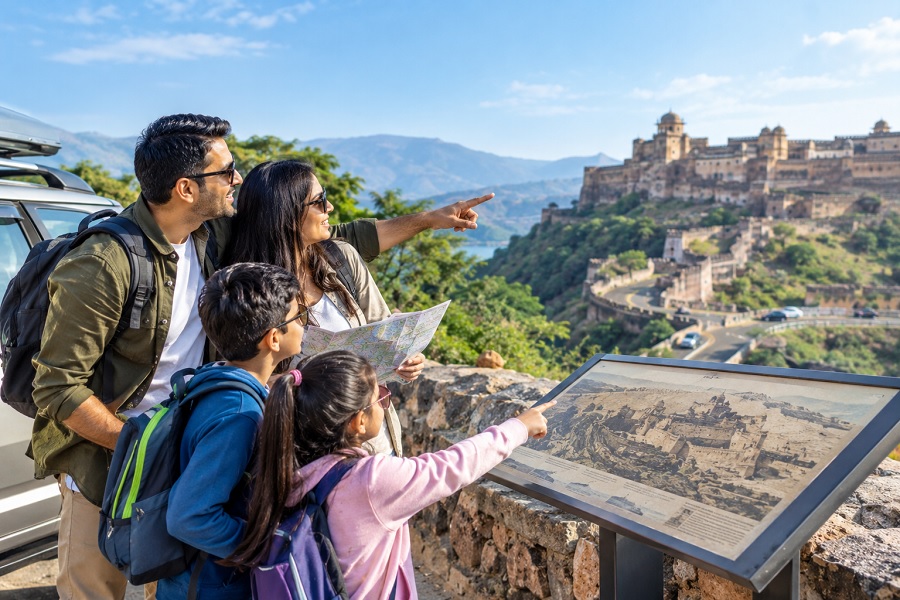
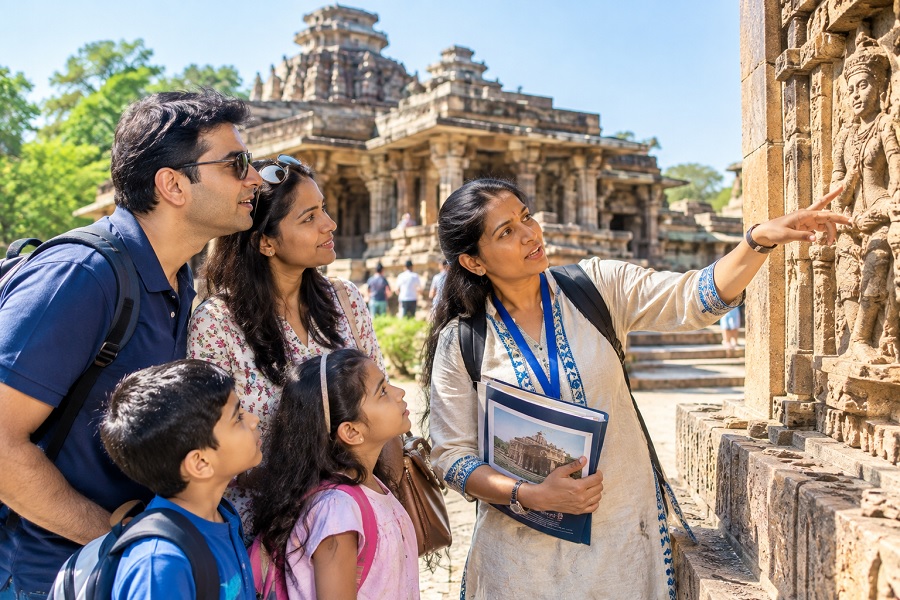
Historic forts, monuments, archaeological sites and heritage cities can transform history lessons into real-world experiences.
A guided tour can explain how people lived, worked and built communities in earlier periods.
4. Museum Tourism
Museums provide educational opportunities across many subjects, including art, history, science, transportation, natural history and local culture.
Parents can make museum visits more interesting by asking children questions about the objects and stories they encounter.
5. Wildlife Educational Trips
Wildlife sanctuaries, national parks and conservation centres can teach children about animals, ecosystems and biodiversity.
A guided nature walk or responsible wildlife experience can help families understand the importance of protecting natural habitats.
6. Farm and Agricultural Tourism
Farm visits allow children to see how food is grown and how agricultural activities work.
Families may learn about crops, soil, irrigation, farming equipment and sustainable agriculture depending on the destination.
7. Cultural Workshops
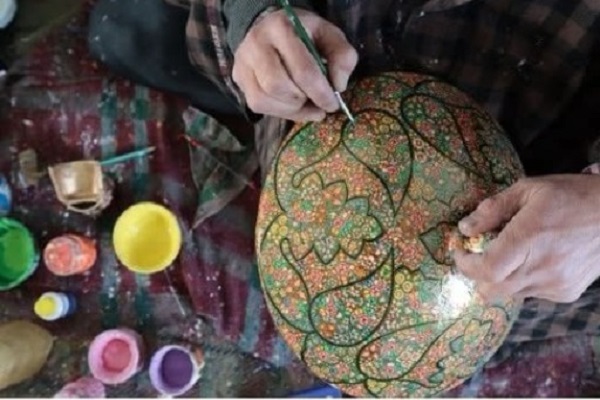
Traditional art, pottery, weaving, cooking and craft workshops can introduce children to local culture and practical skills.
Hands-on activities often make cultural learning more memorable than simply reading about a tradition.
8. Aquarium and Marine Education
Aquariums can provide opportunities to learn about marine animals, aquatic ecosystems and ocean conservation.
Parents can encourage children to identify different species and learn about their habitats during the visit.
Benefits for Children
Family educational tourism can complement classroom learning by providing direct experiences.
Children may develop:
Better observation skills
Greater curiosity
Cultural awareness
Environmental awareness
Communication skills
Interest in science and history
Problem-solving abilities
Appreciation for different communities
The effectiveness of a trip depends on the destination, activity and how actively children participate in the experience.
Educational Tourism for Different Age Groups
Young Children
Younger children generally benefit from short, interactive activities such as zoos, aquariums, children's museums, farms and nature parks.
School-Age Children
School-age children can explore museums, science centres, historical sites, cultural workshops and wildlife destinations.
Teenagers
Teenagers may enjoy more specialised experiences such as archaeological tours, technology museums, photography trips, conservation programmes and cultural immersion activities.
How Parents Can Make Educational Trips More Interesting
Parents can make the trip more engaging by involving children in the planning process.
Before travelling, children can research the destination and create a list of things they want to see. During the trip, parents can encourage them to take photographs, maintain a travel journal or record interesting facts.
After returning home, families can discuss what they learned and create a small project or presentation based on the experience.
Family Educational Tourism and Technology
Technology can complement educational travel. Families can use digital maps, museum apps, astronomy applications and online guides to understand destinations before and during a trip.
However, parents can balance screen-based learning with direct observation so that children remain engaged with the actual destination.
Sustainable Family Educational Tourism
Educational trips can also teach children about responsible travel. Families can demonstrate sustainable habits by avoiding littering, reducing unnecessary plastic use, respecting wildlife and following local conservation rules.
Choosing community-based experiences and local guides can also help families understand the connection between tourism and local communities.
Planning a Family Educational Trip
Good planning can make educational tourism comfortable and enjoyable for everyone.
Choose an Age-Appropriate Destination
Select activities that match the children's ages and interests. A long historical tour may not be suitable for very young children, while teenagers may prefer more specialised experiences.
Check Opening Hours
Museums, planetariums, parks and heritage attractions may have different schedules or require advance reservations.
Plan Breaks
Avoid overcrowding the itinerary. Children generally benefit from regular breaks between educational activities.
Carry Essential Items
Depending on the destination, families may need water, snacks, comfortable footwear, sun protection, medicines and weather-appropriate clothing.
Include Entertainment
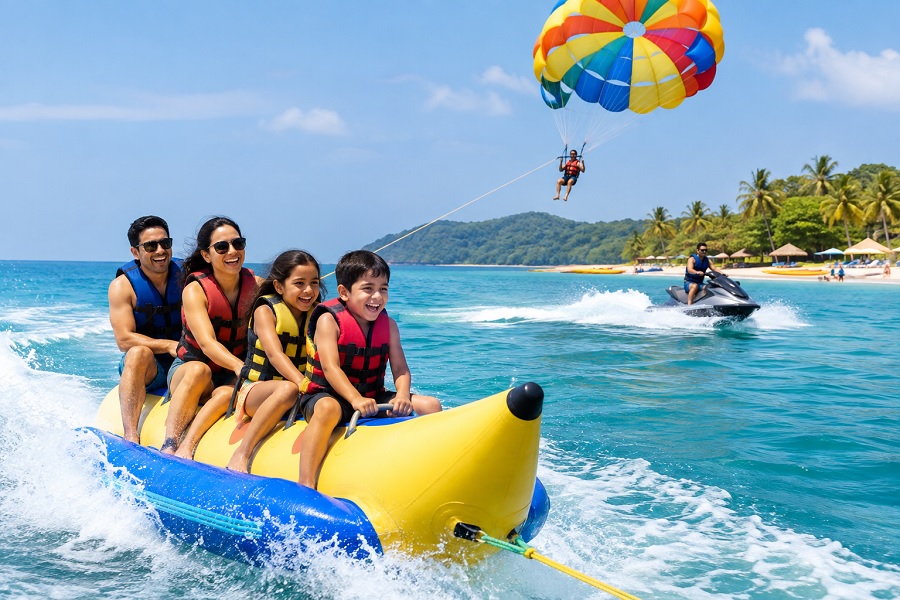
An educational trip does not need to feel like another school day. Combining learning activities with recreation can make the holiday enjoyable for the whole family.
Family Educational Tourism in India
India offers a wide range of educational travel opportunities. Families can explore historical monuments, museums, science centres, wildlife destinations, traditional craft villages, agricultural experiences and cultural attractions across different states.
A single trip can combine several learning themes. For example, a heritage destination can include architecture, history, local food and traditional crafts, while a wildlife holiday can combine nature observation with conservation education.
Future of Family Educational Tourism
The future of family educational tourism is likely to focus increasingly on interactive and experience-based learning. Hands-on workshops, digital interpretation, guided activities, conservation experiences and community-based tourism can make family travel more educational.
Parents are also increasingly able to design trips around children's individual interests, whether those interests are science, wildlife, history, art, technology or culture.
Conclusion
Family Educational Tourism turns travel into an opportunity for shared discovery. Museums, science centres, historical sites, farms, wildlife destinations, cultural workshops and nature experiences can help children learn while spending quality time with their families.
With thoughtful planning, educational holidays can combine learning, exploration, entertainment and family bonding, creating experiences that children can remember long after the trip ends.