Mango Food Tourism: Exploring India’s Rich Mango Culture and Culinary Heritage
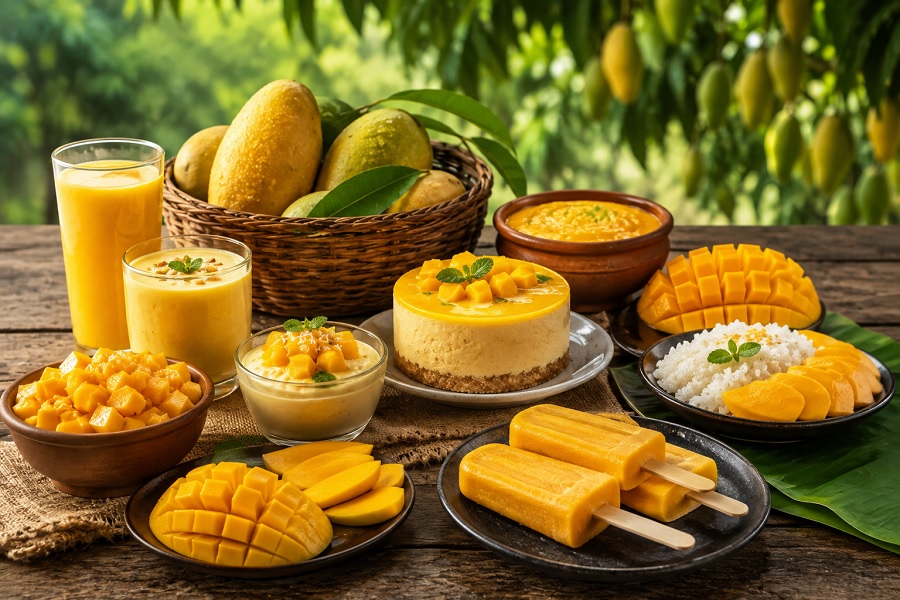
Mango Food Tourism: Exploring India's Rich Mango Culture and Culinary Heritage
Introduction
Mango Food Tourism is a unique form of culinary travel that allows visitors to discover destinations through the flavors, traditions, farming practices, festivals, markets, and dishes associated with mangoes. Known as the “King of Fruits,” mango holds an important place in India's food culture and agricultural heritage.
From visiting mango orchards and tasting freshly harvested fruit to exploring traditional desserts, beverages, pickles, chutneys, and regional recipes, mango tourism offers travelers an opportunity to experience India through one of its most celebrated fruits.
Mango food tourism combines agriculture, gastronomy, rural tourism, cultural experiences, local traditions, and responsible travel. It can be particularly attractive during the mango season when farms, markets, restaurants, and food festivals showcase different varieties and preparations.
What Is Mango Food Tourism?
Mango Food Tourism refers to travel experiences centered around mango cultivation, harvesting, tasting, cooking, food traditions, and local culinary culture.
A mango-focused travel experience can include:
Visiting mango orchards
Mango-picking experiences
Fresh mango tasting
Learning about mango cultivation
Exploring local mango markets
Trying regional mango dishes
Attending mango festivals
Visiting farms and agricultural communities
Learning traditional mango recipes
Buying locally produced mango products
This type of tourism connects travelers directly with farmers, food producers, chefs, artisans, and rural communities.
Why Mango Is Important to Indian Food Culture
Mango has been cultivated and enjoyed in the Indian subcontinent for centuries. It appears in traditional cuisine, seasonal celebrations, household recipes, beverages, desserts, preserves, and regional food traditions.
Mango is enjoyed in many forms, including:
Fresh mango slices
Aamras
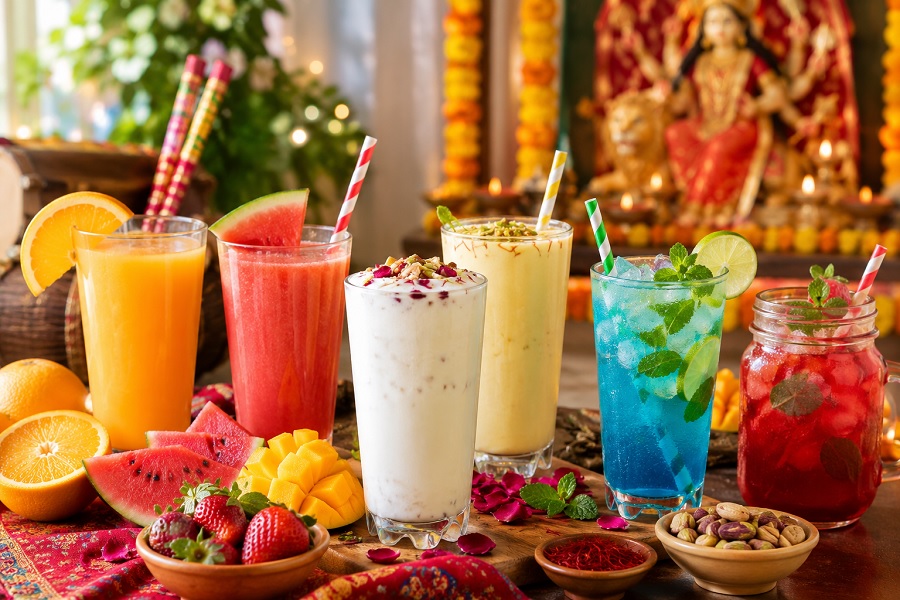
Mango lassi
Mango shakes
Mango juice
Mango chutney
Mango pickle
Mango panna
Mango desserts
Mango ice cream
Mango sweets
Mango curries
Different regions have developed their own mango traditions, making the fruit an important part of India's culinary diversity.
Popular Mango Varieties to Explore
One of the most exciting aspects of mango food tourism is discovering different varieties and understanding how their flavors, textures, aromas, and uses vary.
Alphonso
Popularly associated with Maharashtra and the Konkan region, Alphonso is known for its rich aroma, smooth texture, and sweet flavor. It is widely used for fresh consumption, desserts, beverages, and pulp.
Kesar
Kesar mangoes are strongly associated with Gujarat and are valued for their bright color, sweetness, and distinctive aroma.
Dasheri
Associated with northern India, particularly Uttar Pradesh, Dasheri is known for its aromatic flavor and soft texture.
Langra
Langra is another famous North Indian mango variety, appreciated for its distinctive taste and seasonal popularity.
Banganapalli
Associated with Andhra Pradesh and southern India, Banganapalli is known for its firm flesh and sweet flavor.
Totapuri
Totapuri is widely used for processing and is also enjoyed fresh. Its distinctive shape and slightly tangy flavor make it easy to recognize.
Himsagar
Popular in parts of eastern India, Himsagar is known for its sweet flavor and smooth flesh.
Exploring these varieties can turn a simple fruit tasting into an educational culinary experience.
Best Mango Food Tourism Experiences
1. Mango Orchard Visits
Visiting a mango orchard allows travelers to see how mangoes are grown, cared for, harvested, sorted, and prepared for markets.
Farm experiences can include guided walks, seasonal tastings, photography, and conversations with growers.
2. Mango Picking
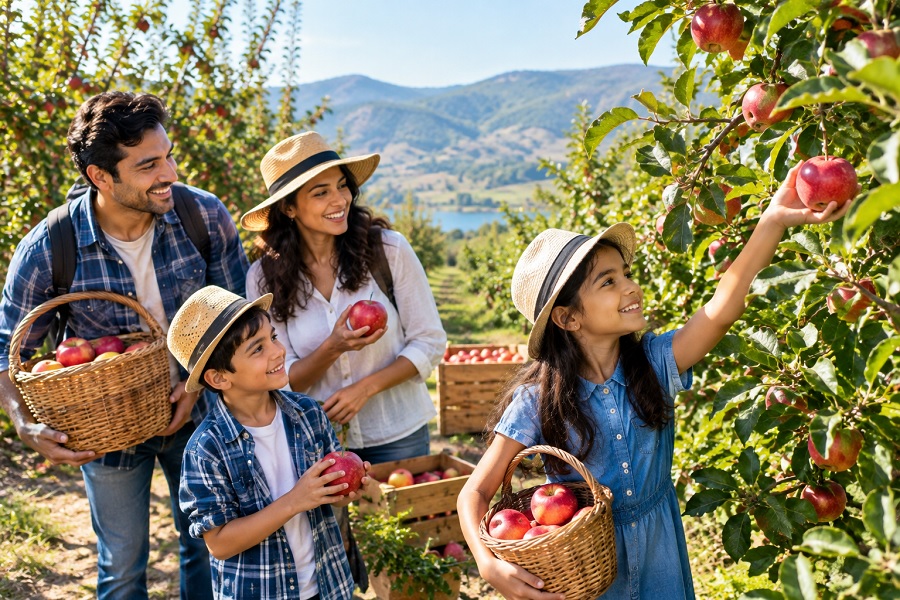
During harvest season, some farms may offer visitors opportunities to participate in fruit-picking activities.
This can be particularly enjoyable for families and children because it connects them directly with agriculture.
3. Mango Tasting
A guided tasting can introduce visitors to different varieties and help them compare sweetness, aroma, texture, color, and aftertaste.
4. Mango Cooking Classes
Cooking classes can teach travelers how to prepare traditional dishes such as mango chutney, aamras, panna, pickles, desserts, and other regional recipes.
5. Mango Festivals
Mango festivals provide opportunities to discover multiple varieties in one place. Visitors can often experience tastings, food stalls, competitions, cultural performances, and local products.
Mango Food Tourism in Maharashtra
Maharashtra is one of India's prominent mango-producing regions and is especially well known for Alphonso mangoes.
The Konkan region offers opportunities to combine mango experiences with coastal tourism, village experiences, local cuisine, and scenic landscapes.
Travelers can explore rural farms, learn about mango cultivation, taste fresh fruit, and purchase mango products directly from local producers when available.
Mango tourism can also support rural communities by creating additional income opportunities beyond traditional agricultural sales.
Mango Food Tourism in Uttar Pradesh
Uttar Pradesh has a long association with mango cultivation, particularly around the Lucknow and Malihabad region.
The region is known for varieties such as Dasheri and offers opportunities to explore mango orchards and traditional mango culture.
A visit can be combined with heritage sightseeing, local cuisine, traditional markets, and cultural experiences.
Mango Food Tourism in Gujarat
Gujarat is strongly associated with Kesar mangoes, especially the Gir region.
Mango-focused tourism can be combined with rural experiences, local food, agricultural visits, and exploration of the region's natural and cultural attractions.
Mango Food Tourism in Andhra Pradesh
Andhra Pradesh has a significant mango-growing tradition and is known for varieties such as Banganapalli.
Visitors can explore agricultural areas, local markets, traditional food preparations, and seasonal mango products.
Mango Food Tourism in West Bengal
West Bengal has a rich mango heritage, with several varieties cultivated in the state.
Mango experiences can be combined with Bengali cuisine, traditional sweets, rural tourism, cultural attractions, and local markets.
The region's mango traditions demonstrate how a single fruit can become deeply connected with regional identity and food culture.
Mango-Based Foods Travelers Should Try
Mango food tourism is not limited to eating fresh fruit. Different regions transform mangoes into a wide range of culinary products.
Aamras
Aamras is a popular mango preparation made from ripe mango pulp and is enjoyed especially during the mango season.
Mango Lassi
Mango lassi combines mango with yogurt to create a refreshing seasonal drink.
Aam Panna
Aam panna is a traditional summer beverage prepared using raw mangoes and is appreciated for its refreshing, tangy flavor.
Mango Pickle
Raw mangoes are used to prepare numerous regional varieties of pickle, with differences in spices, oils, preparation methods, and preservation techniques.
Mango Chutney
Mango chutney can range from sweet and tangy preparations to spicy regional versions.
Mango Desserts
Mango is widely used in puddings, ice creams, cakes, shrikhand, sweets, mousses, and other desserts.
Mango Beverages
Fresh mango juice, shakes, smoothies, and other seasonal beverages are popular ways to experience the fruit.
Mango Festivals and Culinary Events
Mango festivals can become major attractions for food travelers. These events provide a platform for growers, food businesses, chefs, artisans, and local communities.
Visitors may find:
Mango tasting counters
Different mango varieties
Traditional recipes
Mango desserts
Pickles and chutneys
Fresh juices
Cooking demonstrations
Cultural performances
Agricultural information
Local handicrafts
Such events can promote both culinary heritage and agricultural tourism.
Family-Friendly Mango Tourism
Mango food tourism can be particularly enjoyable for families.
Children can learn about:
How mango trees grow
How flowers become fruit
Different mango varieties
Harvesting methods
Farming practices
Traditional food preparation
Rural lifestyles
Families can combine orchard visits with picnics, local food experiences, nature walks, and cultural activities.
This makes mango tourism both entertaining and educational.
Mango Tourism for Food Lovers
Food enthusiasts can create specialized mango-focused itineraries.
A culinary mango journey might include:
Visiting a mango-growing region
Touring an orchard
Tasting multiple varieties
Learning about cultivation
Taking a cooking class
Visiting local food markets
Sampling traditional mango dishes
Purchasing local mango products
Visiting a seasonal mango festival
Such experiences offer a deeper understanding of how agriculture influences regional cuisine.
Economic Benefits of Mango Food Tourism
Mango tourism can create additional economic opportunities for rural communities.
Potential beneficiaries include:
Mango farmers
Farm owners
Local guides
Homestay operators
Restaurants
Food producers
Artisans
Transport providers
Local markets
Small tourism businesses
Direct sales and farm-based tourism can also help consumers understand the value of agricultural products and the work involved in producing them.
Supporting Local Farmers
One of the strongest benefits of mango food tourism is the opportunity to connect travelers with agricultural communities.
Buying mangoes and locally produced products directly from legitimate local producers can help retain more economic value within the destination.
Visitors can also support farmers by choosing responsible farm experiences and purchasing authentic regional products.
Sustainable Mango Food Tourism
Sustainability is important when developing agricultural tourism.
Responsible mango tourism can include:
Minimizing food waste
Avoiding unnecessary plastic
Supporting local producers
Conserving water
Protecting agricultural biodiversity
Respecting farm boundaries
Following farm safety instructions
Avoiding damage to trees
Choosing local transportation where practical
Supporting community-owned tourism initiatives
Sustainable practices can help ensure that mango tourism benefits both people and the environment.
Best Time for Mango Food Tourism
The best period depends on the destination and mango variety, because harvest seasons vary across regions.
Generally, mango experiences are strongest during the spring and summer harvest period, when fresh fruit is widely available.
Travelers should check local harvest calendars, festival dates, farm availability, weather conditions, and regional tourism information before planning a trip.
Tips for Planning a Mango Food Tourism Trip
Research the Mango Variety
Find out which mango varieties are associated with your chosen destination.
Check Harvest Timing
Mango availability is seasonal, so verify the expected harvest period before traveling.
Contact Farms in Advance
Some farms may require advance arrangements for tours, tastings, or activities.
Try Local Preparations
Do not limit your experience to fresh mangoes. Explore traditional dishes, drinks, pickles, chutneys, and desserts.
Carry Reusable Items
A reusable water bottle and shopping bag can help reduce single-use plastic during the trip.
Respect Agricultural Areas
Follow farm rules and avoid touching plants or fruit unless the activity is specifically permitted.
Challenges of Mango Food Tourism
Mango tourism also faces several challenges.
Seasonal Availability
Mango tourism is highly seasonal, which can make it difficult for destinations to maintain visitor activity throughout the year.
Weather Risks
Extreme heat, irregular rainfall, storms, and other weather events can affect mango production and tourism activities.
Agricultural Sustainability
Water availability, soil health, pests, and changing climate conditions can affect mango cultivation.
Infrastructure
Some rural mango-growing regions may have limited transportation, accommodation, sanitation, or visitor facilities.
Supply and Quality
Visitors should purchase mango products from reliable local sellers and understand that natural variations in fruit quality are normal.
The Future of Mango Food Tourism
The future of mango food tourism can combine agriculture, culinary experiences, technology, sustainability, and rural development.
Digital platforms can help travelers discover farms, seasonal events, local food experiences, and mango festivals. Farmers and tourism businesses can also develop farm stays, guided orchard tours, cooking workshops, tasting experiences, and educational programs.
Climate-smart agriculture and sustainable resource management will become increasingly important for protecting mango production and the tourism experiences connected to it.
Mango tourism can also help preserve traditional recipes and regional food knowledge by encouraging younger generations to value agricultural and culinary heritage.
Conclusion
Mango Food Tourism offers travelers a delicious and meaningful way to discover India's agricultural and culinary heritage. From walking through mango orchards and tasting different varieties to learning traditional recipes and attending seasonal festivals, mango-focused travel provides experiences that connect food with people, places, and culture.
For families, it can be an educational adventure. For food lovers, it can become a culinary journey. For rural communities, it can create additional tourism income and promote local products.
With responsible planning, sustainable farming practices, community participation, and authentic culinary experiences, mango food tourism can become an important part of India's rural, agricultural, and gastronomic tourism landscape.
Frequently Asked Questions
What is Mango Food Tourism?
Mango Food Tourism is travel centered around mango cultivation, harvesting, tasting, cooking, festivals, markets, and regional culinary traditions.
Which mango varieties can travelers explore?
Travelers may encounter varieties such as Alphonso, Kesar, Dasheri, Langra, Banganapalli, Totapuri, and Himsagar, depending on the region and season.
When is the best time for mango tourism?
The ideal period generally falls during local mango harvest seasons, particularly in spring and summer, although timing varies by region and variety.
Can children enjoy mango tourism?
Yes. Orchard visits, fruit tasting, farm activities, cooking workshops, and educational experiences can make mango tourism enjoyable for children.
How does mango tourism help local communities?
It can create additional income for farmers, guides, food producers, homestays, restaurants, artisans, and other local businesses.

.jpg)