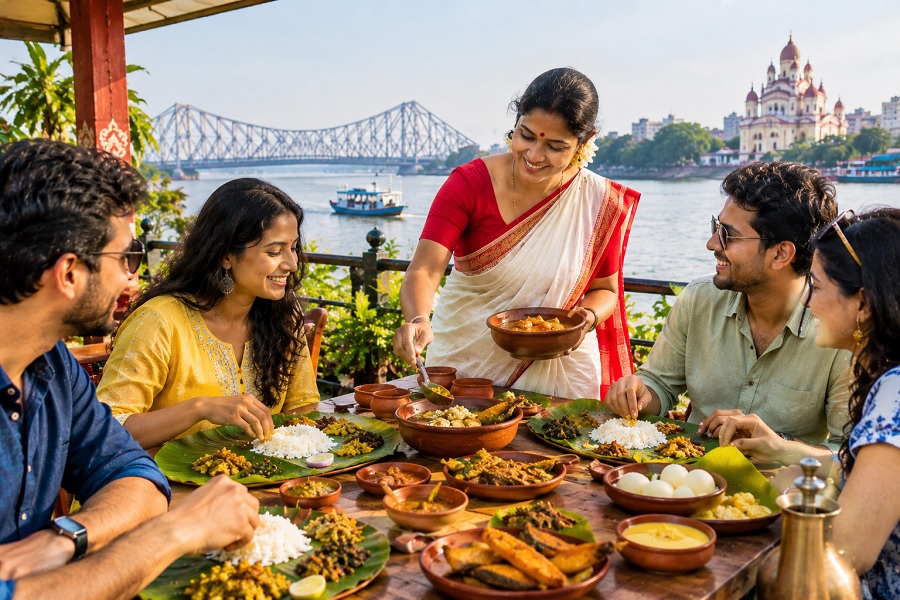
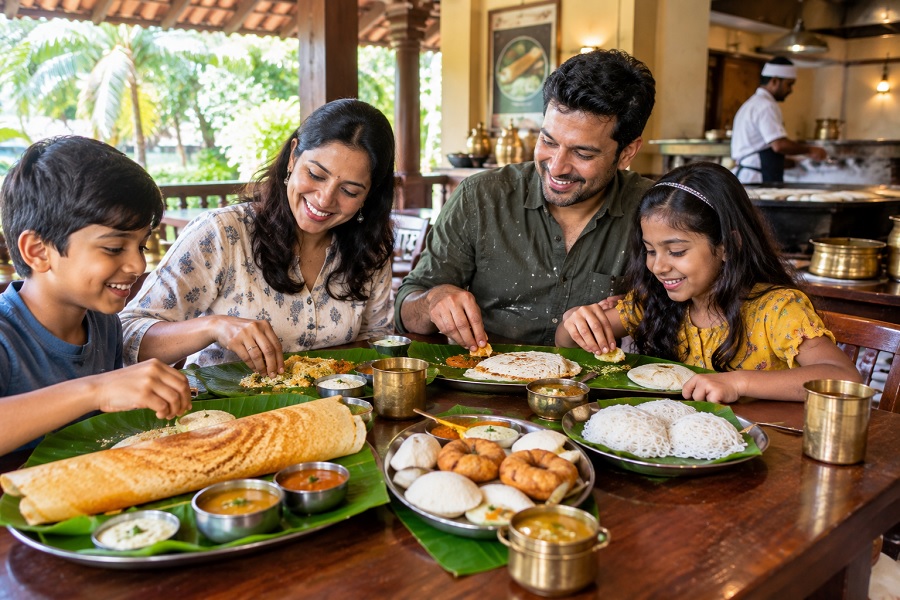
Riverfront Dining Tourism: Exploring Food, Culture and Riverside Experiences
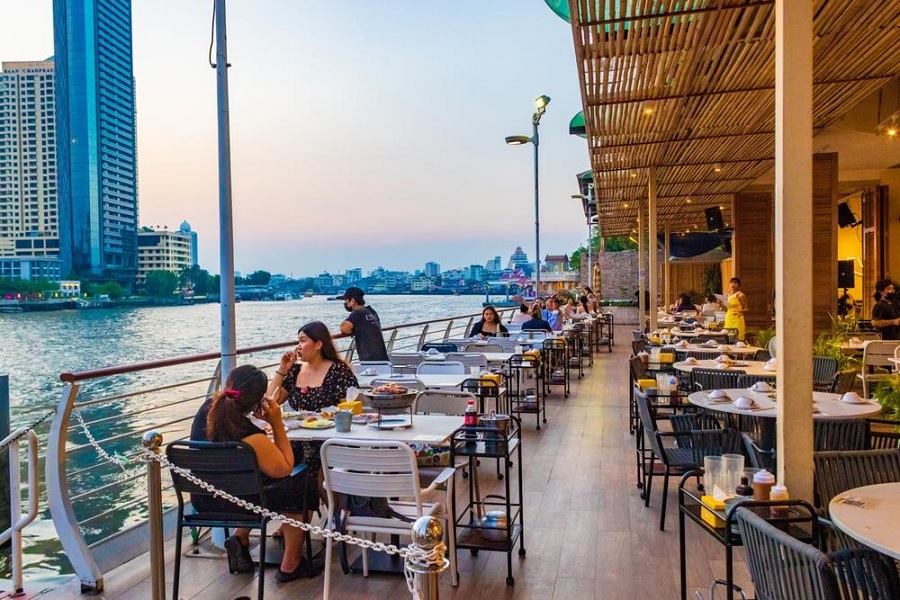
Riverfront Dining Tourism: A Complete Guide to Scenic Food and Beverage Experiences
Riverfront dining tourism is an emerging food and travel experience that combines memorable meals with beautiful waterfront scenery. Restaurants, cafés, food markets, floating dining venues, riverside resorts, and local food stalls located along rivers can become attractions in their own right.
For travelers, riverfront dining offers more than a meal. It can combine local cuisine, landscape, architecture, culture, entertainment, photography, and relaxation in one experience. Whether it is an elegant restaurant overlooking a famous river, a casual riverside café, or a traditional food market beside a historic waterway, dining near a river can add a special dimension to a trip.
What Is Riverfront Dining Tourism?
Riverfront dining tourism refers to travel experiences centered around eating and drinking at destinations located beside or on rivers.
These experiences can include:
Riverside restaurants
Waterfront cafés
Floating restaurants
River cruises with dining
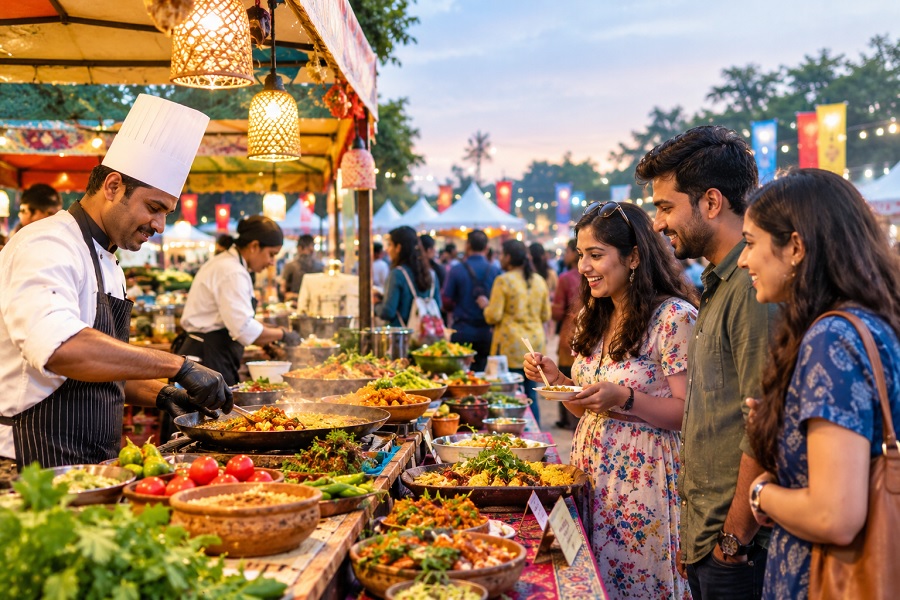
Riverside food markets
Street-food areas
Heritage riverfront eateries
Luxury dining venues
Local food stalls
Picnic areas
Resort restaurants overlooking rivers
The experience can range from a simple local meal to a luxury multi-course dinner.
Why Riverfront Dining Is Becoming Popular
The setting is one of the biggest attractions.
A river can provide an open landscape, changing scenery, reflections, bridges, boats, historic buildings, and natural surroundings. Dining beside flowing water can also create a relaxed atmosphere that is different from eating in a conventional city restaurant.
Travelers increasingly look for experiences that combine food with a destination's identity. Riverfront dining naturally connects cuisine with geography and culture.
The Connection Between Rivers and Local Food Culture
Rivers have historically played an important role in the development of cities and communities.
They have supported:
Agriculture
Fishing
Transportation
Trade
Markets
Settlement
Cultural exchange
As a result, many riverfront destinations have distinctive culinary traditions.
Local fish, freshwater ingredients, seasonal produce, regional grains, fruits, spices, and traditional cooking techniques can all become part of river-based food experiences.
A riverfront food tour can therefore provide insight into both the landscape and the food culture of a destination.
Types of Riverfront Dining Experiences
Riverside Fine Dining
Luxury restaurants can offer carefully prepared regional and international cuisine with panoramic river views.
These venues are often popular for romantic dinners, celebrations, business meals, and special occasions.
Casual Riverside Cafés
Cafés provide a more relaxed way to enjoy the waterfront.
Visitors can have coffee, tea, desserts, snacks, or light meals while watching boats and observing local life.
Floating Restaurants
Floating restaurants provide an even closer connection with the water.
Some are permanently positioned on rivers, while others operate as dining boats or cruise restaurants.
River Dinner Cruises
Dinner cruises combine sightseeing and food.
Passengers can enjoy meals while traveling along the river and viewing bridges, historic buildings, city skylines, and illuminated landmarks.
Riverside Street Food
In many destinations, riverfront areas contain local food stalls and informal dining spaces.
These can be particularly valuable for travelers who want to experience everyday local cuisine rather than formal restaurant dining.
Best Foods for Riverfront Dining
The food served at riverfront destinations depends heavily on local culture.
Popular categories can include:
Freshwater fish
Seafood
Regional curries
Grilled foods
Local rice dishes
Seasonal vegetables
Traditional breads
Noodles
Local desserts
Fresh fruit
Tea
Coffee
Regional beverages
Travelers should prioritize locally sourced and responsibly obtained ingredients when possible.
Riverfront Dining and Seafood Experiences
Riverside destinations can offer interesting seafood and freshwater culinary experiences.
Visitors may encounter traditional fish preparations, grilled river fish, seafood curries, smoked fish, fish soups, or region-specific recipes.
However, responsible sourcing is important. Travelers can support restaurants that provide information about sustainable fishing and responsible seafood procurement.
Romantic Riverfront Dining
Riverfront restaurants can be especially appealing to couples.
Sunset dinners, candlelit tables, quiet cafés, private dining areas, and illuminated waterfront views can create memorable romantic experiences.
Popular occasions include:
Anniversaries
Honeymoons
Birthdays
Proposals
Valentine's Day
Couple vacations
Special celebrations
Travelers should reserve popular waterfront restaurants in advance, particularly around weekends and holidays.
Family Riverfront Dining
Riverfront dining can also work well for families.
Restaurants with outdoor seating, spacious areas, children's menus, and nearby attractions can make the experience more comfortable.
Families can combine dinner with:
Riverside walks
Boat rides
Parks
Cultural attractions
Markets
Street performances
Photography
Parents should check whether waterfront seating has appropriate safety barriers, particularly when traveling with young children.
Riverfront Dining for Solo Travelers
Solo travelers can enjoy riverfront cafés and casual restaurants while taking in the scenery.
Riverside dining can also provide an opportunity to observe local life, read, photograph the surroundings, or simply relax after sightseeing.
Food markets and casual eateries are often particularly comfortable options for solo visitors.
Riverfront Dining and Cultural Tourism
Riverfront dining can become part of a broader cultural tourism experience.
Historic rivers often run through the heart of cities and communities. Dining near these waterways can provide access to architecture, religious sites, markets, bridges, festivals, and traditional neighborhoods.
Travelers can create itineraries that combine:
Morning: Heritage sightseeing
Afternoon: Riverside market and local food
Evening: Riverfront dinner or cruise
This approach allows food to become an integral part of cultural exploration.
Riverfront Food Markets
Food markets beside rivers can offer a particularly authentic experience.
Visitors may find:
Local snacks
Fresh produce
Regional sweets
Seafood
Street food
Handmade products
Traditional beverages
Local spices
Markets are also excellent places to observe how residents shop, eat, socialize, and interact with local food traditions.
Riverfront Dining and Festivals
Riverfront areas often become venues for cultural and food festivals.
Events can feature:
Regional food stalls
Live music
Cultural performances
Cooking demonstrations
Artisan markets
Local beverages
Fireworks
Boat parades
Food festivals can be an excellent way to experience several regional dishes in one visit.
Famous Riverfront Dining Destinations
Many major cities around the world have developed strong dining cultures around their rivers.
Paris
The Seine provides a distinctive setting for cafés, restaurants, cruises, and riverside experiences.
Visitors can combine food with views of historic architecture and major landmarks.
Bangkok
The Chao Phraya River is closely connected with the city's food, hospitality, nightlife, and tourism scene. Travelers can find restaurants, hotel dining, markets, and dinner cruises along the waterfront.
London
The River Thames provides numerous dining opportunities ranging from casual restaurants to luxury venues and river cruises.
Budapest
The Danube offers spectacular views of the city's historic architecture, making river cruises and waterfront dining particularly popular.
Cairo
Dining experiences along the Nile can combine local cuisine with views of one of the world's most historically significant rivers.
Varanasi
The Ganges provides a unique cultural setting where food experiences can be combined with heritage, spirituality, traditional markets, and riverside activities.
Travelers should always approach sacred and culturally significant riverfront areas respectfully.
River Cruises With Dining
A dining cruise can be one of the most immersive forms of riverfront tourism.
Guests can enjoy a meal while continuously changing scenery passes by.
Cruises may include:
Breakfast cruises
Lunch cruises
Afternoon tea
Sunset cruises
Dinner cruises
Cultural performance cruises
Special-event cruises
The experience can range from casual sightseeing to luxury fine dining.
Best Time for Riverfront Dining
Timing can significantly influence the experience.
Morning: Good for breakfast cafés, markets, and cooler temperatures.
Afternoon: Suitable for casual lunches and sightseeing breaks.
Sunset: Often the most visually attractive time for outdoor dining.
Evening: Ideal for illuminated city views, dinner cruises, and romantic meals.
Weather should also be considered, particularly for outdoor seating.
Seasonal Riverfront Dining
Different seasons can create different dining experiences.
Spring can provide pleasant outdoor weather and fresh seasonal ingredients.
Summer can be ideal for evening dining, although hot climates may require shaded seating.
Autumn can bring cooler temperatures and seasonal menus.
Winter can create a different atmosphere, especially where restaurants offer heated terraces or enclosed panoramic dining spaces.
Sustainable Riverfront Dining
Sustainability is especially important near waterways.
Restaurants should avoid practices that contribute to river pollution or damage aquatic ecosystems.
Travelers can support businesses that demonstrate responsible practices such as:
Waste reduction
Water conservation
Responsible seafood sourcing
Local ingredient procurement
Reduced plastic use
Recycling
Sustainable packaging
Efficient energy use
Visitors should also avoid littering and dispose of waste properly.
Protecting River Ecosystems
Tourism can place pressure on rivers through waste, sewage, excessive development, noise, and increased resource consumption.
Responsible riverfront tourism requires cooperation between businesses, local authorities, communities, and visitors.
Dining businesses can help by implementing effective wastewater treatment, reducing single-use plastics, managing food waste, and avoiding harmful disposal practices.
Supporting Local Restaurants
Choosing locally owned restaurants can help keep tourism revenue within the community.
Local restaurants often provide regional recipes and ingredients that are difficult to find in international chains.
Visitors can also support local producers by purchasing regional food products, spices, sweets, beverages, and other culinary items.
Riverfront Dining Photography
Riverfront restaurants can be excellent locations for food and travel photography.
Popular subjects include:
Food plates with river views
Sunset dining
Restaurant architecture
Boats
Bridges
Local markets
Street food
Reflections
Riverside landscapes
Traditional dishes
When photographing people or vendors, travelers should be respectful and ask permission when appropriate.
Planning a Riverfront Dining Trip
Before visiting, travelers should research:
Restaurant location
Cuisine
Opening hours
Reservation requirements
Outdoor seating availability
Weather conditions
Menu and pricing
Dietary options
Transportation
Nearby attractions
For popular destinations, booking ahead can help secure tables with the best views.
Budget-Friendly Riverfront Dining
Riverfront dining does not always require a large budget.
Travelers can consider:
Local cafés
Food markets
Street food
Lunch specials
Casual restaurants
Picnic areas where permitted
Local bakeries
Food stalls
A simple local snack beside a river can sometimes provide a more memorable cultural experience than an expensive restaurant.
Luxury Riverfront Dining
Luxury travelers can choose waterfront hotels, fine-dining restaurants, private dining rooms, yacht restaurants, and premium river cruises.
Luxury experiences may include:
Multi-course tasting menus
Private tables
Wine or beverage pairings
Personal service
Chef-led dining
Sunset cruises
Private boat experiences
The most valuable luxury experiences often combine excellent food with exceptional views and personalized service.
Riverfront Dining for Food Photographers and Creators
Food content creators can find many opportunities along rivers.
A single location may provide food photography, architecture, landscape photography, video content, and cultural storytelling.
Creators should avoid obstructing restaurant operations and should follow photography policies.
Future of Riverfront Dining Tourism
The future of riverfront dining tourism is likely to focus on sustainable development, local cuisine, immersive experiences, and environmentally responsible operations.
Restaurants may increasingly use locally sourced ingredients, renewable energy, waste-reduction systems, and sustainable packaging.
Technology may also influence the experience through digital menus, reservation platforms, interactive food stories, and personalized dining recommendations.
At the same time, travelers are likely to continue valuing authentic local experiences. Restaurants that connect food with the history, culture, and natural environment of a river destination can create stronger tourism experiences.
Conclusion
Riverfront dining tourism brings together food, scenery, culture, and travel in a unique way. Whether enjoying street food beside a historic river, having dinner on a floating restaurant, visiting a riverside market, or taking a sunset dining cruise, travelers can experience a destination through both its landscape and cuisine.
The most memorable riverfront dining experiences are not necessarily the most expensive. Often, a simple local dish, a beautiful view, and an authentic connection with the destination can create a lasting travel memory.
With responsible tourism practices, sustainable food sourcing, and respect for river ecosystems, riverfront dining can continue to grow while helping local communities and protecting the waterways that make these experiences possible.