Food Tours by Bicycle: The Tastiest Way to Explore a Destination
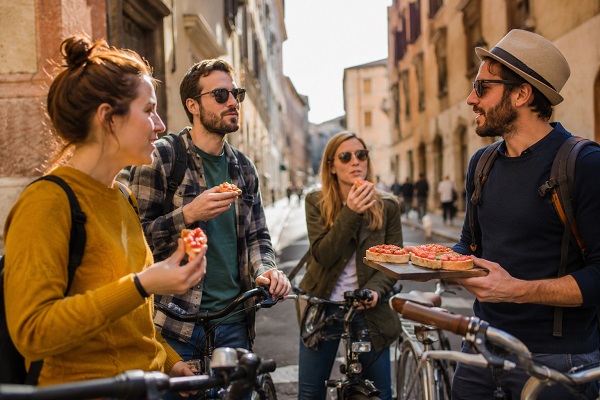
Travel is not just about seeing new places—it's also about tasting them. One of the most exciting trends in modern tourism is the food tour by bicycle, a unique experience that combines sightseeing, local cuisine, fitness, and cultural discovery. Whether you're exploring bustling city streets, charming countryside villages, or coastal towns, a bicycle food tour offers an unforgettable journey for both your taste buds and your sense of adventure.
What Is a Food Tour by Bicycle?
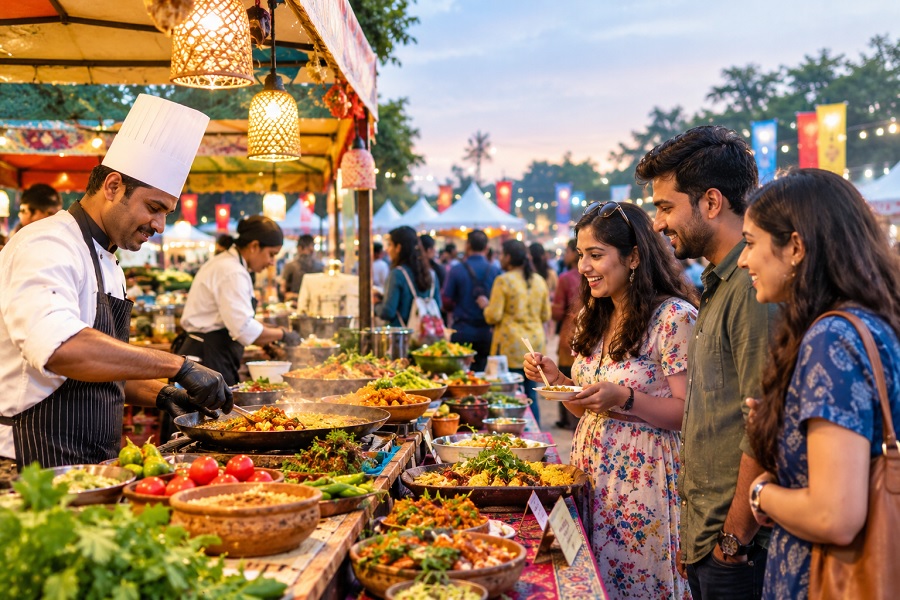
A bicycle food tour is a guided or self-guided experience where travelers ride through different neighborhoods and stop at local eateries, markets, cafés, bakeries, and street-food stalls. These tours allow visitors to sample authentic regional dishes while learning about the area's history, culture, and culinary traditions.
Unlike bus tours or walking tours, bicycles make it possible to cover more ground while still enjoying an intimate connection with the surroundings.
Why Food Tours by Bicycle Are Becoming Popular
A Healthy Way to Indulge
Cycling between food stops helps balance out the calories consumed along the way. Travelers can enjoy local delicacies without feeling overly guilty about indulging.
Explore Hidden Gems
Bicycles can access narrow streets, local markets, and lesser-known neighborhoods that larger vehicles often cannot reach. This creates opportunities to discover authentic food experiences away from tourist crowds.
Eco-Friendly Travel
Cycling is one of the most sustainable forms of transportation. Food tours by bicycle reduce carbon emissions while promoting environmentally responsible tourism.
Meet Local Communities
Many bicycle food tours include visits to family-run restaurants, artisan food producers, and neighborhood vendors. Travelers often enjoy meaningful interactions with local residents and business owners.
Popular Food Tour Destinations
Cities around the world are embracing bicycle food tours:
Amsterdam – Famous for Dutch cheeses, stroopwafels, and local cafés.
Bangkok – Known for vibrant street-food culture and authentic Thai dishes.
Copenhagen – Offers modern Nordic cuisine and fresh seafood.
Tokyo – Features sushi, ramen, and traditional Japanese snacks.
Barcelona – Highlights tapas, seafood, and local markets.
Portland – Celebrated for food trucks, coffee culture, and craft beverages.
What to Expect on a Bicycle Food Tour
A typical tour may include:
Multiple food and drink tastings
Visits to local markets
Historical and cultural commentary
Scenic cycling routes
Opportunities to meet chefs and food artisans
Photo stops at iconic landmarks
Most tours last between three and five hours, making them ideal for travelers who want a balanced mix of activity and culinary exploration.
Tips for Enjoying a Bicycle Food Tour
Wear comfortable clothing and footwear.
Stay hydrated throughout the ride.
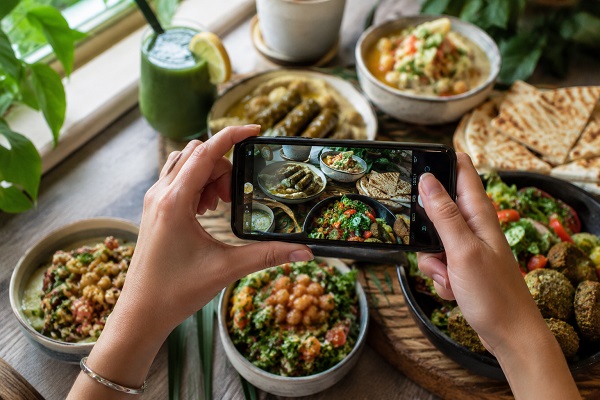
Bring a camera to capture memorable food moments.
Arrive hungry to enjoy the full tasting experience.
Follow safety instructions provided by tour guides.
Check dietary accommodation options before booking.
The Future of Culinary Tourism
As travelers increasingly seek authentic and immersive experiences, bicycle food tours are expected to grow in popularity. They offer a perfect blend of gastronomy, sustainability, fitness, and local culture. Whether you're a passionate foodie, an avid cyclist, or simply someone who loves discovering new destinations, a food tour by bicycle provides a memorable way to experience the flavors of the world.
Conclusion
Food tours by bicycle transform ordinary sightseeing into a delicious adventure. By combining cycling with local culinary exploration, travelers gain a deeper understanding of a destination's culture while enjoying some of its best flavors. It's an experience that nourishes both the body and the soul, making every pedal stroke worthwhile.