Spice Market Tourism in India
Spice Market Tourism in India: A Journey Through Colors, Aromas, and Culture
India is known across the world as the “Land of Spices.” From the fragrant cardamom hills of Kerala to the bustling spice bazaars of Rajasthan and Delhi, spice market tourism in India offers travelers a unique blend of culture, history, food, and traditional trade. These vibrant markets are not just shopping destinations—they are living museums of India’s culinary heritage and ancient trading legacy.
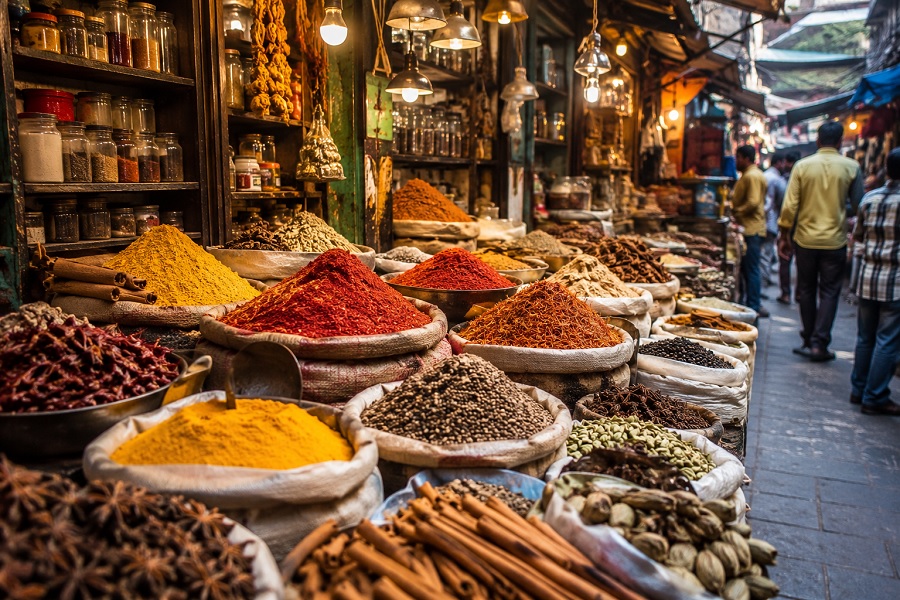
For centuries, Indian spices such as turmeric, black pepper, cinnamon, cloves, cumin, and saffron have attracted traders from around the globe. Today, tourists visit these spice markets to experience the rich aroma of fresh spices, interact with local vendors, learn traditional cooking secrets, and explore the colorful atmosphere of Indian bazaars.
Why Spice Market Tourism Is Popular
Spice market tourism has become one of the most exciting travel experiences in India because it combines food tourism, cultural tourism, and heritage exploration. Travelers get an opportunity to witness the authentic local lifestyle while discovering the ingredients that shape Indian cuisine.
Tourists enjoy:
Exploring traditional spice markets
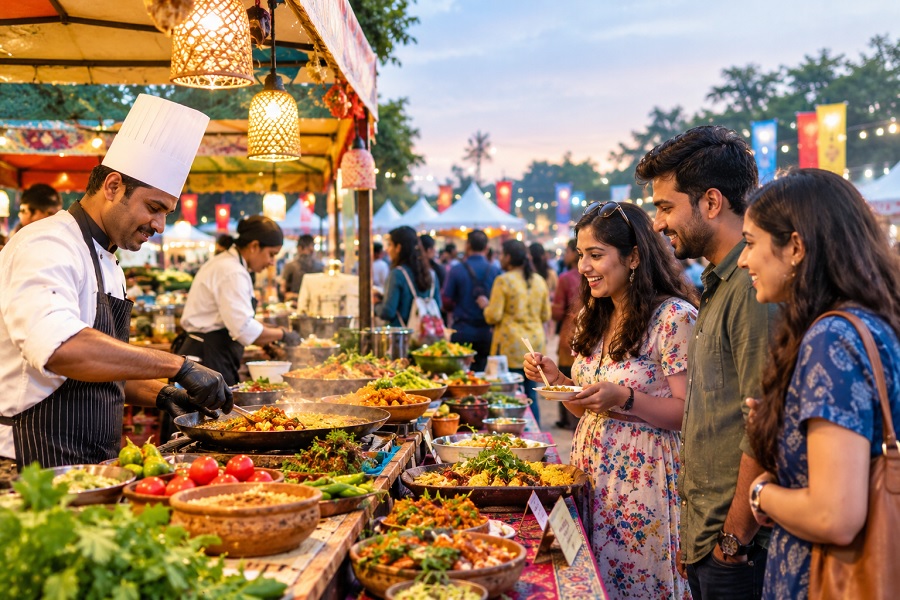
Tasting authentic Indian street food
Buying fresh organic spices
Learning about Ayurvedic herbs
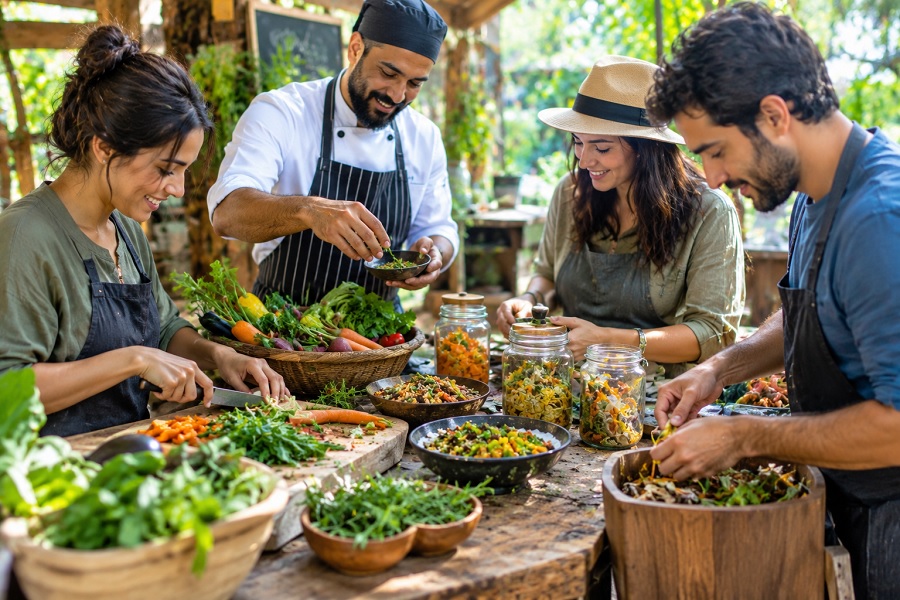
Participating in cooking workshops
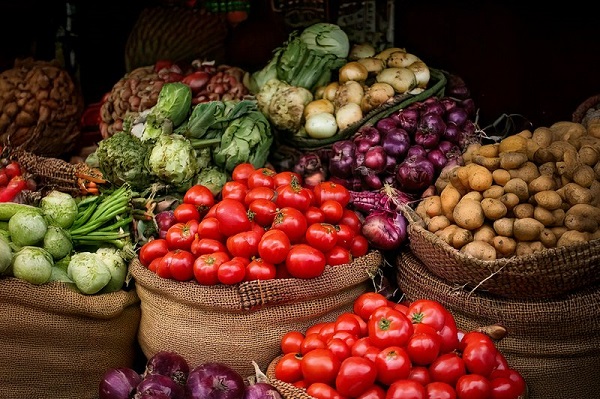
Photographing colorful spice displays
Experiencing local culture and hospitality
Famous Spice Markets in India
1. Khari Baoli – Delhi
Located near Chandni Chowk, Khari Baoli is Asia’s largest wholesale spice market. The market is famous for its endless varieties of spices, dry fruits, herbs, and tea leaves. Walking through its narrow lanes is an unforgettable sensory experience filled with strong aromas and vibrant colors.
2. Mattancherry Spice Market – Kochi, Kerala
Kerala has been called the “Spice Garden of India” for centuries. The spice markets of Kochi offer high-quality pepper, cinnamon, cloves, nutmeg, and cardamom. Tourists can also visit nearby spice plantations and learn how spices are cultivated.
3. Kumily Spice Market – Thekkady
Located near Periyar Wildlife Sanctuary, Kumily is famous for organic spices and plantation tours. Visitors can purchase freshly harvested spices directly from local farmers.
4. Jodhpur Spice Market – Rajasthan
Rajasthan’s spice markets are known for red chilies, turmeric, coriander, and traditional masalas. The colorful markets reflect the rich culture and royal food traditions of the desert state.
5. Goa Spice Plantations
Goa offers spice plantation tourism where visitors can walk through lush farms filled with vanilla, nutmeg, black pepper, and cashew trees while enjoying authentic Goan meals.
Cultural Importance of Indian Spices
Indian spices are deeply connected with the country’s traditions, festivals, and Ayurvedic practices. Every region in India uses spices differently, creating unique flavors and cooking styles. Spices are also used in herbal medicines, beauty treatments, and wellness therapies.
Tourists often discover:
Traditional spice grinding techniques
Ayurvedic medicinal uses
Regional cooking styles
Ancient trade history
Local farming methods
Best Time to Visit Spice Markets
The ideal time for spice market tourism in India is between October and March when the weather is pleasant. Kerala’s spice plantations are especially beautiful during the winter season and after the monsoon rains.
Tips for Spice Market Travelers
Carry cash for local purchases
Wear comfortable clothing and shoes
Visit early morning for fresh spices
Bargain politely in local markets
Buy sealed spice packets for travel
Try local food made with regional spices
Carry a camera for colorful photography
Economic Importance of Spice Tourism
Spice tourism supports local farmers, traders, and small businesses. It also promotes sustainable agriculture and preserves India’s traditional spice cultivation methods. Many tourists purchase spices as souvenirs, contributing to regional economies and rural tourism development.
Conclusion
Spice market tourism in India is more than just shopping—it is a cultural adventure filled with history, flavor, tradition, and unforgettable experiences. Whether wandering through Delhi’s historic bazaars or exploring Kerala’s aromatic plantations, travelers can experience the true essence of India through its spices. For food lovers, photographers, culture enthusiasts, and adventure travelers, India’s spice markets offer a journey unlike any other.