International Food Travel Experiences: Discovering the World Through Cuisine
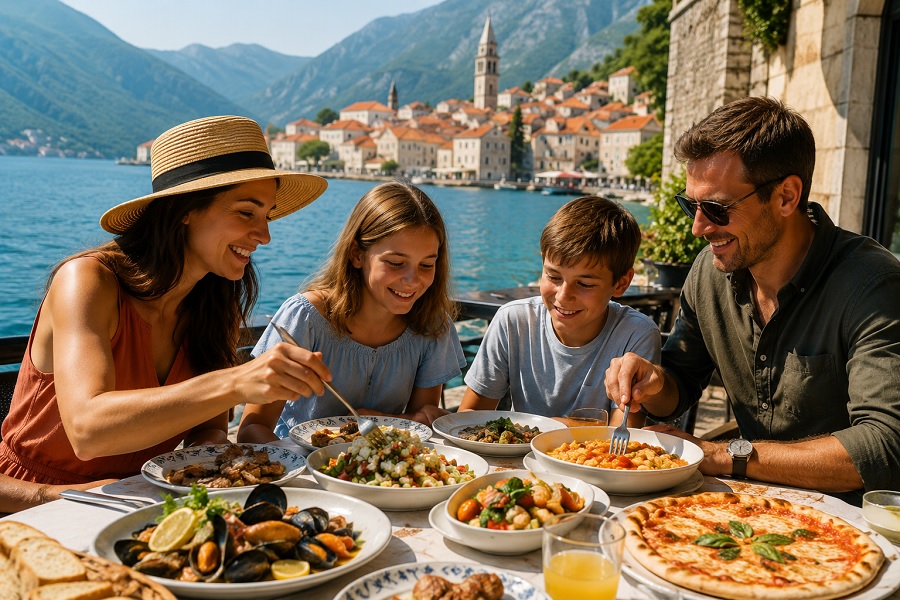
International Food Travel Experiences: Exploring the World Through Cuisine
Introduction
International food travel experiences have become an important part of modern tourism. Travelers are increasingly exploring destinations not only for famous landmarks and natural attractions, but also for their local cuisine, traditional recipes, food markets, cooking techniques and culinary traditions.
Food travel allows visitors to experience a destination through its flavors and everyday food culture. From Japanese sushi and Italian pasta to Thai street food, Indian regional cuisine and French pastries, every destination offers unique culinary experiences that can make a holiday more memorable.
In 2026, culinary travelers are increasingly interested in authentic local experiences, street food tours, cooking classes, food festivals, farm visits and sustainable dining. Food tourism also creates opportunities for local restaurants, farmers, artisans and communities to participate directly in the tourism economy.
What Are International Food Travel Experiences?
International food travel experiences involve traveling to another country or region specifically to discover its food and beverage culture.
These experiences can include:
Local food tours
Street food walks
Traditional cooking classes
Food market visits
Farm-to-table dining
Food festivals
Culinary workshops
Restaurant experiences
Coffee and tea tours
Wine and beverage tourism
Traditional dessert tasting
Regional food trails
Farm and plantation visits
Food photography tours
Cultural dining experiences
The focus is not simply on eating. It is about understanding where food comes from, how it is prepared and why it is important to the local culture.
Why Food Travel Is Becoming Popular
Food is one of the easiest ways for travelers to connect with a new culture. A traditional meal can reveal information about a region's history, geography, agriculture, religion and social traditions.
Travelers can learn about local ingredients by visiting markets, understand traditional preparation methods through cooking classes and discover regional stories by dining with local communities.
Social media has also increased interest in culinary travel. Attractive food photography, restaurant discoveries and short videos of street markets have encouraged travelers to explore destinations through their culinary identity.
Top International Food Travel Experiences
1. Japanese Food Experiences
Japan is one of the world's most popular destinations for culinary travel. Travelers can explore sushi, ramen, tempura, yakitori, regional noodles and traditional sweets.
Tokyo, Osaka, Kyoto and other cities offer different food experiences. Visitors can explore local markets, sushi restaurants, traditional tea houses and cooking workshops.
2. Italian Culinary Experiences
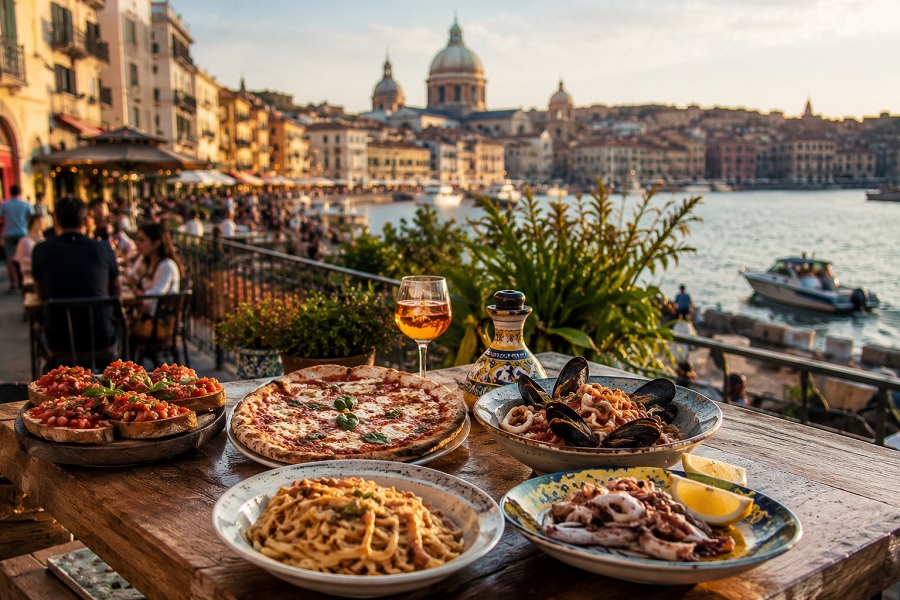
Italy is ideal for travelers interested in pasta, pizza, cheese, gelato, olive oil and regional cuisine.
Food travelers can join pasta-making classes, visit local markets, explore vineyards and experience traditional meals in small towns.
Italian cuisine also varies significantly between regions, making regional food tours particularly interesting.
3. Thai Street Food Experiences
Thailand is famous for its vibrant street food culture. Bangkok, Chiang Mai and Phuket offer opportunities to experience dishes such as pad Thai, mango sticky rice, curries, grilled seafood and traditional snacks.
Street food tours can provide visitors with an affordable way to discover local flavors while exploring markets and neighborhoods.
4. Indian Culinary Travel
India offers one of the world's most diverse culinary landscapes. Every region has distinctive ingredients, cooking methods and traditional dishes.
Travelers can explore:
Gujarati cuisine
Rajasthani cuisine
Punjabi cuisine
Bengali cuisine
Kerala cuisine
Goan cuisine
Maharashtrian cuisine
South Indian cuisine
Himalayan cuisine
Northeast Indian cuisine
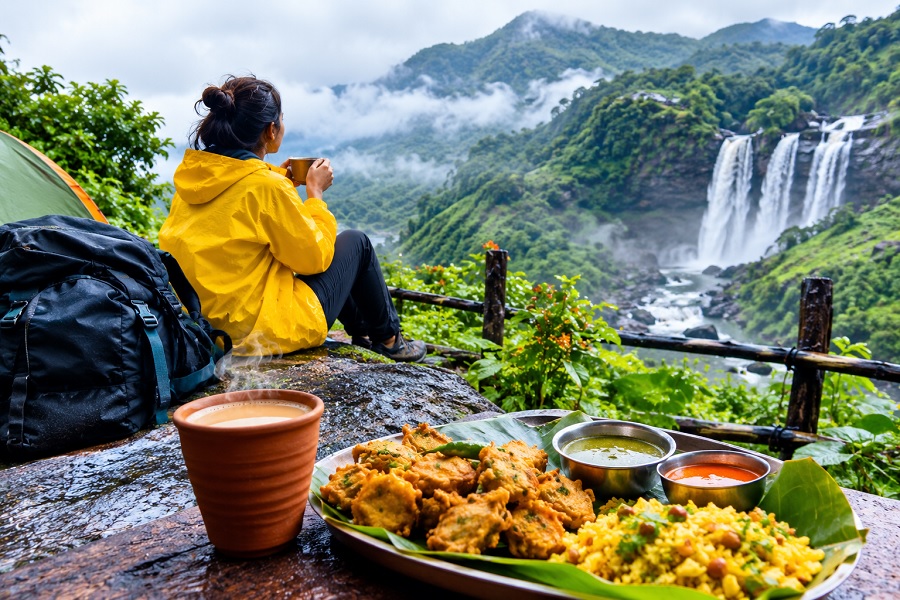
Food tourism in India can include street food tours, traditional thali experiences, cooking classes, spice plantation visits and regional food festivals.
5. French Gastronomic Experiences
France is well known for its pastries, cheese, bread, regional cuisine and fine dining traditions.
Travelers can explore traditional bakeries, local markets, cheese producers, vineyards and culinary schools. Paris offers sophisticated dining experiences, while rural regions provide opportunities to discover local ingredients and traditional cooking.
6. Mexican Food Travel
Mexico provides an exciting combination of street food, traditional cooking and regional cuisine.
Travelers can explore tacos, tamales, mole, tortillas, regional seafood and traditional desserts. Cooking classes and local market tours provide deeper insight into Mexican culinary traditions.
7. Turkish Food Experiences
Turkey offers a combination of Middle Eastern, Mediterranean and Central Asian culinary influences.
Travelers can enjoy kebabs, meze, pide, baklava, Turkish breakfast and traditional beverages. Istanbul's markets and restaurants provide opportunities to discover both historic and modern Turkish cuisine.
8. Spanish Culinary Tourism
Spain is known for tapas, paella, seafood, cured meats and regional specialties.
Visitors can explore food markets, tapas bars, cooking classes and local food festivals. Barcelona, Madrid, Valencia and other regions offer distinctive culinary experiences.
9. Greek Food Experiences
Greek cuisine emphasizes fresh vegetables, olive oil, seafood, herbs, cheese and traditional grains.
Food travelers can visit local tavernas, olive farms, food markets and coastal communities to discover traditional Greek cuisine.
10. Vietnamese Food Tourism
Vietnam is an attractive destination for travelers interested in fresh ingredients, noodles, herbs and street food.
Visitors can experience pho, banh mi, fresh spring rolls and regional specialties through street food walks and cooking classes.
Street Food Travel Experiences
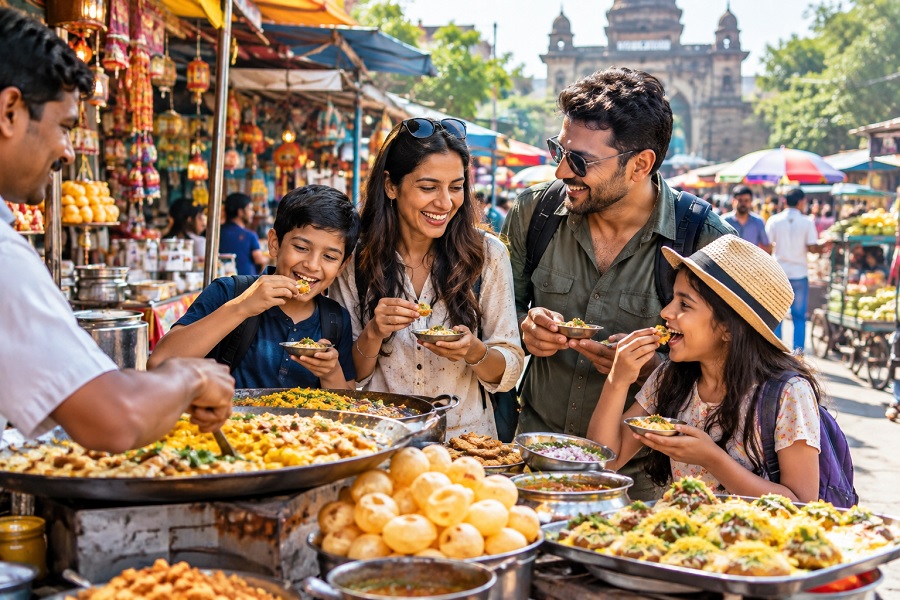
Street food is one of the most accessible forms of culinary tourism. Travelers can discover local flavors while walking through markets, neighborhoods and traditional food districts.
Popular street food destinations include Bangkok, Mumbai, Delhi, Singapore, Ho Chi Minh City, Mexico City and Istanbul.
Street food tours can also introduce visitors to small vendors and family-run businesses that may not appear in conventional tourist guides.
Food Market Tourism
Local markets provide a direct connection to a destination's culinary culture.
Visitors can discover:
Fresh fruits and vegetables
Local spices
Seafood
Cheese
Meat products
Traditional sweets
Breads
Regional snacks
Local beverages
Handmade food products
Market tours can be combined with cooking classes or guided tasting experiences.
Cooking Class Tourism
Cooking classes are becoming a popular way for international travelers to learn about local food.
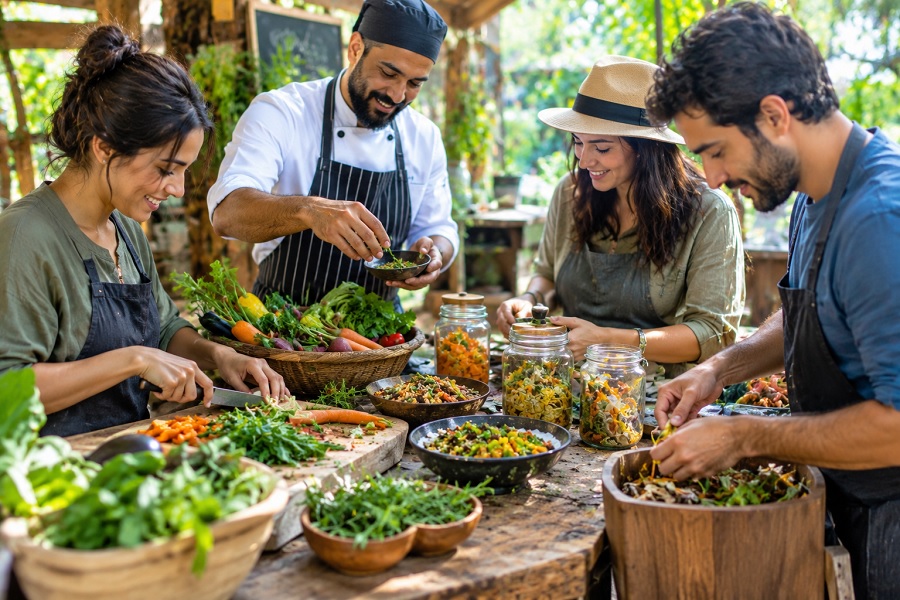
A cooking experience may include visiting a market with a local chef, selecting ingredients, preparing traditional dishes and sharing the finished meal.
These experiences can turn a simple meal into an educational and interactive travel activity.
Farm-to-Table Food Experiences
Farm-to-table tourism connects travelers with agricultural communities.
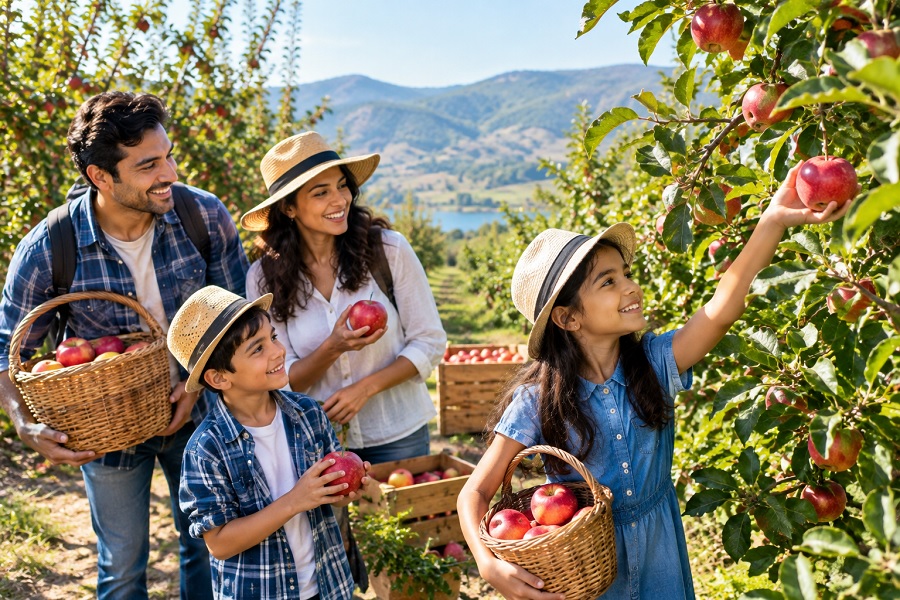
Visitors can tour farms, harvest seasonal ingredients and enjoy meals prepared using locally sourced products.
These experiences can support farmers while giving travelers a better understanding of food production and regional agriculture.
Coffee and Tea Tourism
Beverage tourism is an important part of international food travel.
Coffee lovers can visit plantations in countries such as Colombia, Brazil, Ethiopia and Indonesia. Tea tourism is popular in destinations such as India, Sri Lanka, China and Japan.
Visitors can learn about cultivation, harvesting, processing and preparation while tasting locally produced beverages.
Chocolate Tourism
Chocolate tourism allows travelers to explore cocoa production and chocolate-making traditions.
Experiences may include:
Cocoa plantation tours
Chocolate factory visits
Chocolate-making workshops
Chocolate tastings
Dessert festivals
Artisan chocolate markets
These experiences are especially popular among families and food enthusiasts.
Wine and Beverage Tourism
Wine tourism combines travel, landscape, agriculture and culinary experiences.
Travelers can visit vineyards, learn about wine production, participate in tastings and enjoy regional food pairings.
Beyond wine, travelers can also explore craft beer, cider, sake, tea, coffee, traditional juices and locally produced non-alcoholic beverages.
Food Festivals Around the World
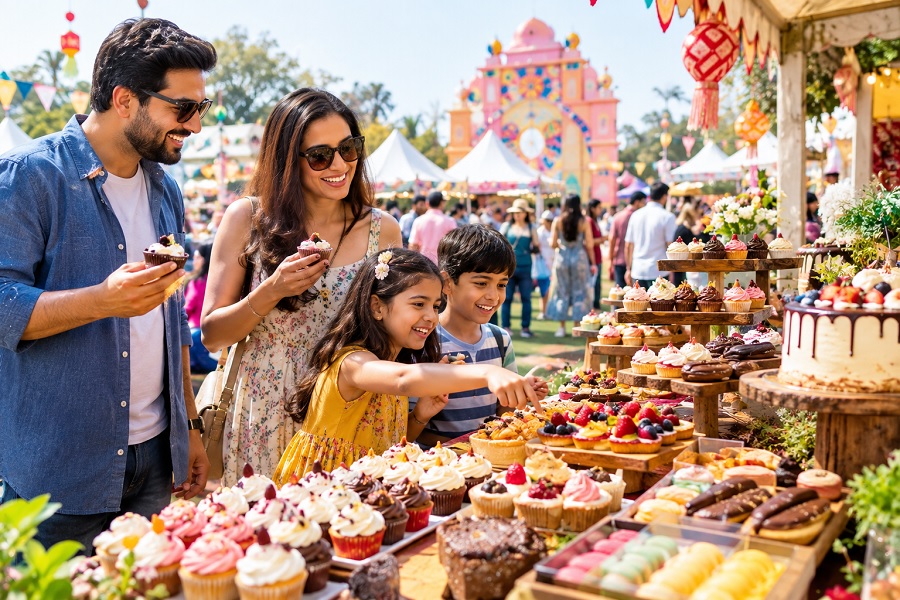
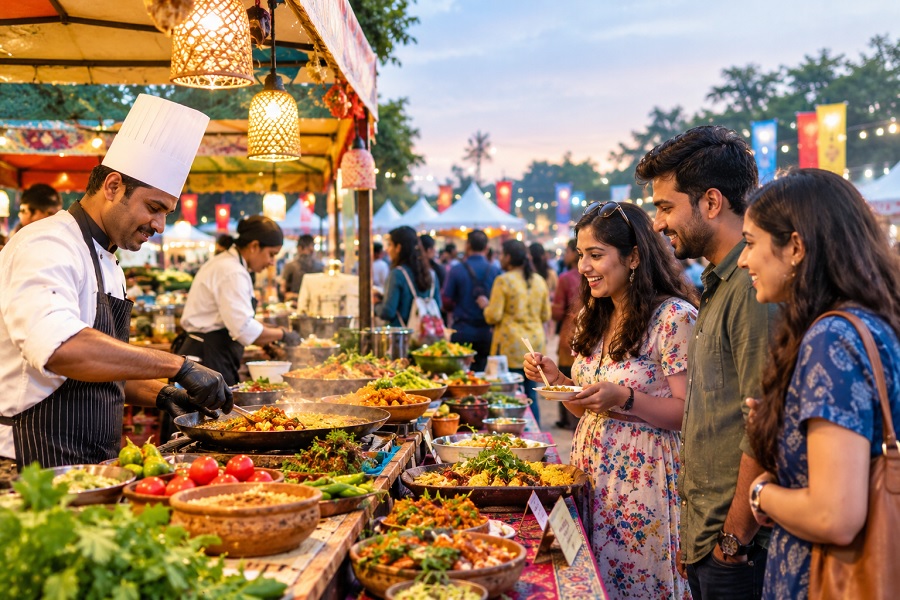
Food festivals provide opportunities to experience local cuisine in a lively environment.
International food festivals can showcase:
Traditional dishes
Seasonal ingredients
Local chefs
Regional cooking methods
Street food
Desserts
Beverages
Cultural performances
Festival tourism also helps promote local culinary traditions to international visitors.
Sustainable International Food Tourism
Sustainability is becoming increasingly important in food travel.
Travelers can support responsible culinary tourism by choosing locally owned restaurants, reducing food waste, carrying reusable items and purchasing locally produced products.
Farm-to-table restaurants and community-based culinary experiences can also help keep tourism revenue within local economies.
Supporting Local Communities
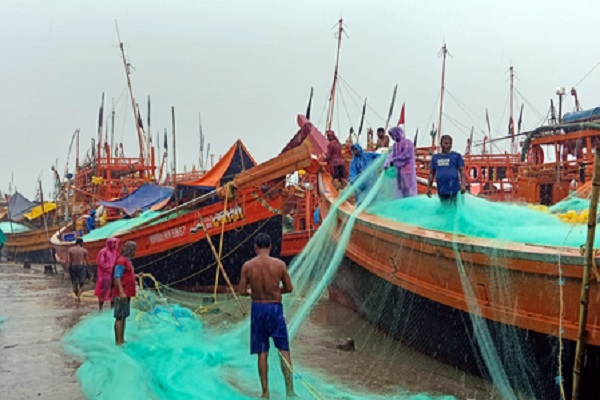
Food tourism can create opportunities for farmers, fishermen, restaurant owners, chefs, food artisans and small businesses.
Travelers can contribute to local communities by choosing authentic local establishments instead of relying exclusively on large international chains.
Buying regional products and participating in locally operated tours can also help preserve culinary traditions.
Food Tourism and Cultural Heritage
Traditional recipes often carry generations of knowledge. Food can represent a region's history, migration patterns, agriculture and cultural identity.
Culinary tourism can help preserve these traditions by creating demand for regional dishes and traditional cooking techniques.
Food museums, heritage restaurants, cultural festivals and cooking workshops can all contribute to culinary heritage preservation.
Food Travel for Families
Families can make food tourism more engaging by choosing interactive experiences.
Children can participate in:
Cooking classes
Chocolate workshops
Farm visits
Fruit picking
Food markets
Bakery tours
Ice cream-making activities
Cultural food festivals
These activities combine entertainment and education.
Food Travel for Couples
Couples can explore food destinations through romantic dining experiences, vineyard tours, cooking classes, sunset dinners and local food walks.
A culinary trip can provide opportunities to discover a destination together while enjoying regional cuisine.
Food Travel for Solo Travelers
Solo travelers can easily participate in food tours, cooking classes and market experiences.
These activities also provide opportunities to meet other travelers and local residents while discovering authentic cuisine.
Tips for Planning an International Food Trip
Research the destination's signature foods before traveling.
Explore regional cuisine rather than only famous restaurants.
Visit local food markets.
Try a guided street food tour.
Book a traditional cooking class.
Research food festivals taking place during your visit.
Explore locally owned restaurants.
Check food allergy information in advance.
Respect local dining customs.
Carry reusable water bottles where appropriate.
Avoid unnecessary food waste.
Support local food producers and artisans.
Keep an open mind when trying unfamiliar dishes.
Check seasonal availability of local ingredients.
Balance famous restaurants with authentic neighborhood food experiences.
Future of International Food Travel
The future of international food tourism is expected to focus increasingly on authentic, sustainable and interactive experiences.
Travelers are likely to seek more farm visits, community-led culinary tours, food workshops, regional food trails and experiences that connect cuisine with culture and nature.
Technology will also influence culinary travel. Digital travel guides, online reservations, AI-powered itinerary planning, food discovery apps and social media will make it easier for travelers to discover restaurants, markets and culinary experiences.
Conclusion
International food travel experiences offer travelers a unique way to explore the world through taste, culture and tradition. From Japanese sushi and Italian pasta to Indian regional cuisine, Thai street food and Mexican culinary traditions, every destination has a distinctive food story.
The best food trips go beyond restaurants. They include markets, farms, festivals, cooking classes, local communities and traditional food producers.
As culinary tourism continues to grow in 2026, food will remain one of the most powerful ways for travelers to connect with destinations and create memorable international travel experiences.