Monsoon Adventures in India: Food Trails, Nature Experiences and Scenic Rainy-Season Getaways
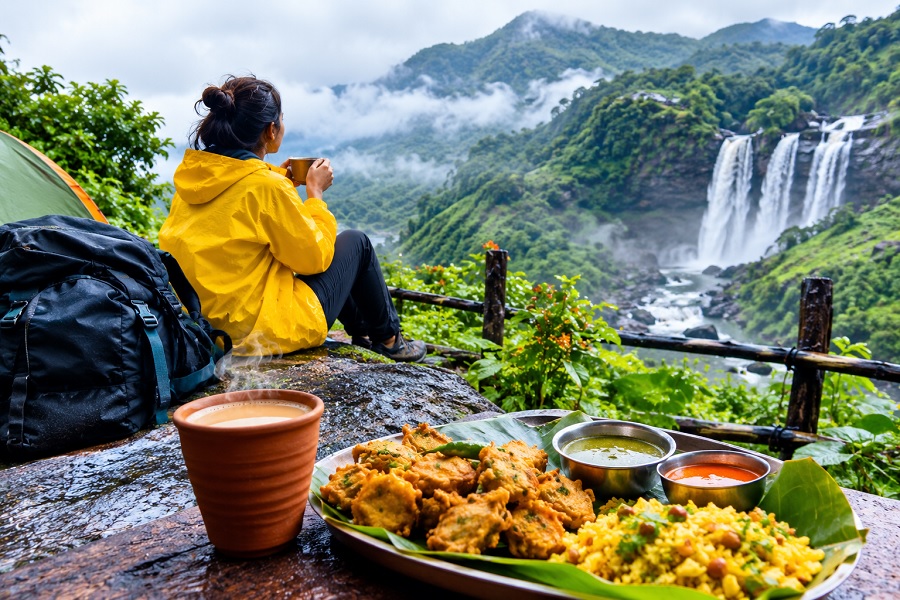
Monsoon Food and Nature Adventure Holidays: A Complete Travel Guide for 2026
Monsoon travel offers a unique combination of dramatic landscapes, fresh seasonal food, mist-covered hills, green forests and refreshing outdoor experiences. For travellers who enjoy both nature and regional cuisine, a monsoon holiday can combine scenic adventures with local culinary discoveries.
India's monsoon season transforms many destinations into vibrant green landscapes. Waterfalls become more active, forests become lush and local markets often showcase seasonal ingredients and traditional dishes. A well-planned monsoon trip can therefore combine hiking, sightseeing, village experiences and regional food exploration.
What Are Monsoon Food and Nature Adventure Holidays?
Monsoon food and nature adventure holidays are trips planned around the combination of seasonal outdoor experiences and local culinary exploration.
These holidays can include:
Monsoon trekking
Waterfall visits
Forest walks
Scenic drives
Village tourism
Farm visits
Local food trails
Traditional cooking experiences
Seasonal food festivals
Photography trips
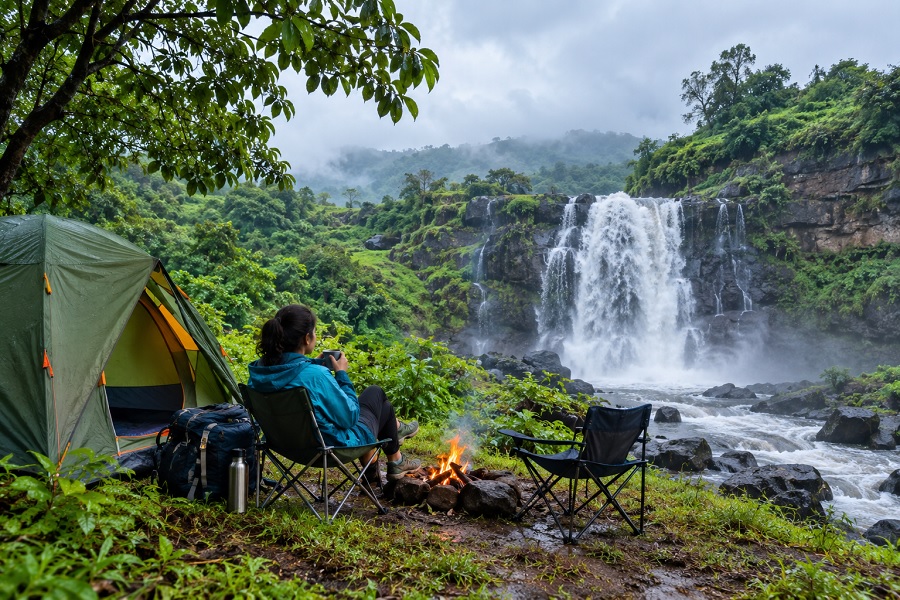
Camping where conditions permit
The concept is especially suitable for travellers who want a slower and more immersive way to experience a destination during the rainy season.
Why Choose a Monsoon Adventure Holiday?
The monsoon season can create a different travel experience compared with the dry months.
Lush Green Landscapes
Rain transforms hills, valleys, forests and farmland into vibrant green environments. Landscapes that appear dry during other seasons can become particularly scenic during the monsoon.
Waterfall Adventures
Seasonal waterfalls can become one of the main attractions during the rainy months. Travellers can enjoy viewpoints, guided walks and photography opportunities while following local safety restrictions.
Fresh Seasonal Food
Rainy-season travel also provides opportunities to explore regional dishes prepared with seasonal vegetables, grains, herbs, fruits and traditional ingredients.
Fewer Crowds in Some Destinations
Some destinations experience lower visitor numbers during the rainy season, creating opportunities for quieter sightseeing and nature experiences.
Best Monsoon Nature Experiences
1. Waterfall Trails
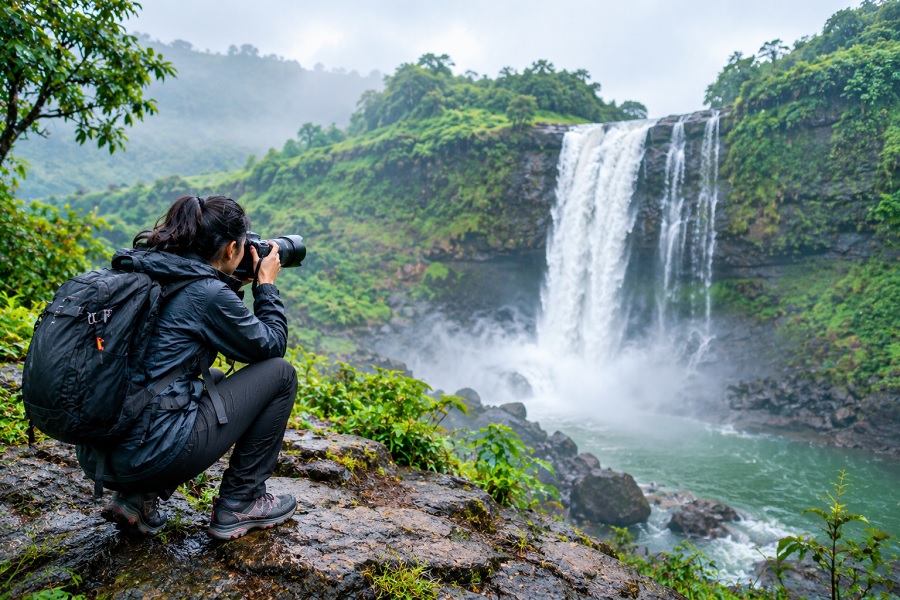
Waterfalls are among the most popular monsoon attractions. Visitors can explore designated trails and viewpoints while avoiding slippery rocks and restricted areas.
Well-maintained trails and guided excursions are preferable for family and beginner travellers.
2. Forest Walks
Monsoon forests offer opportunities to observe vegetation, birds, insects and other wildlife. Guided nature walks can help visitors learn about local ecosystems.
Travellers should follow park rules and avoid disturbing animals or entering protected areas without permission.
3. Monsoon Trekking
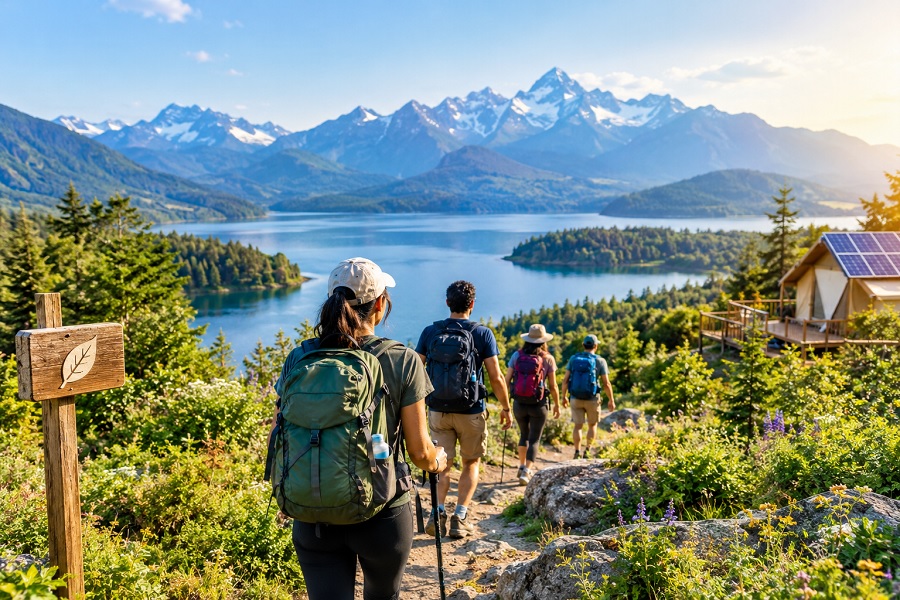
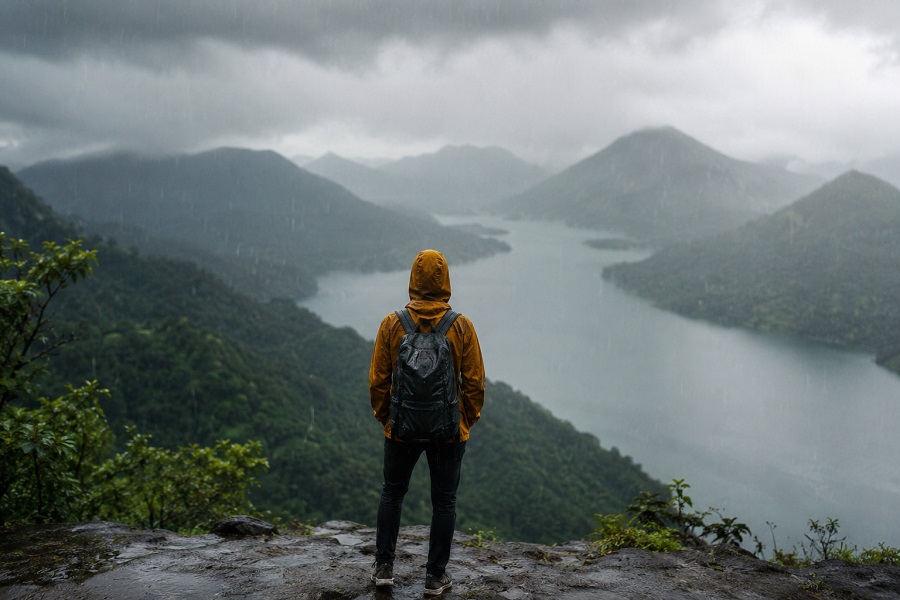
Hills and mountain regions can become especially attractive during the rainy season. Trekking routes should be selected according to weather, trail conditions and individual fitness levels.
Experienced guides are useful for routes that may become difficult to navigate during heavy rain.
4. Scenic Monsoon Road Trips
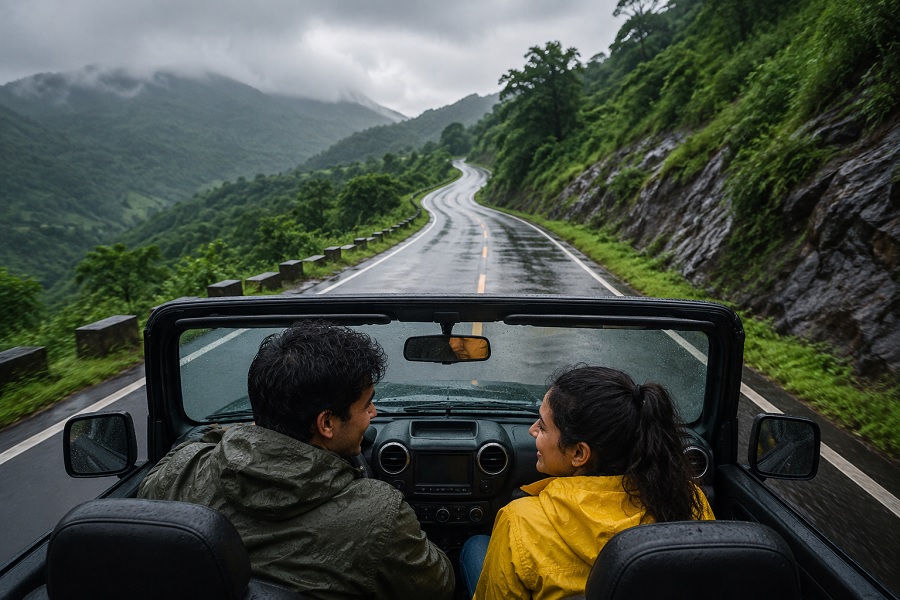
Road trips through green valleys, mountain roads and rural landscapes can be enjoyable during the rainy season.
However, road conditions can change quickly because of rain, landslides or flooding. Travellers should check local advisories before starting a journey.
5. Birdwatching
Monsoon landscapes provide excellent opportunities for nature observation and photography. Birdwatching tours can introduce travellers to local and seasonal bird species.
Early morning is often suitable for peaceful nature experiences, depending on local weather conditions.
6. Farm and Rural Tourism
Rain supports agricultural activity across many regions. Farm visits can allow travellers to learn about crops, traditional farming practices and seasonal food production.
Monsoon Food Experiences
Food is an important part of a seasonal adventure holiday.
Regional Monsoon Snacks
Many parts of India have traditional rainy-season snacks such as pakoras, bhajiyas, roasted corn, steamed snacks and regional fritters.
Travellers can explore these foods through local markets, food walks and traditional eateries.
Traditional Seasonal Meals
Monsoon travel can be an opportunity to discover regional meals made from local vegetables, lentils, grains, herbs and spices.
A local food guide can help travellers understand which ingredients are traditionally associated with the season.
Tea and Coffee Experiences
Rainy mountain destinations are often associated with tea and coffee culture. Travellers can visit tea estates, coffee plantations and local cafés to experience regional beverages while enjoying scenic surroundings.
Local Dessert Experiences
Regional sweets can also be included in a monsoon food trail. Local ingredients and seasonal traditions can make each destination different.
Top Monsoon Destinations in India
India has several regions that can offer memorable monsoon nature and food experiences.
Maharashtra
The Western Ghats become especially green during the rainy season. Destinations around Lonavala, Malshej Ghat, Mahabaleshwar and parts of Konkan can offer waterfalls, hills, scenic drives and regional food experiences.
Kerala
Kerala offers lush landscapes, forests, backwaters and plantation areas. Travellers can combine nature excursions with traditional Kerala cuisine.
Karnataka
Coorg, Chikkamagaluru and parts of the Western Ghats provide opportunities for plantation visits, forest experiences and scenic monsoon travel.
Goa
Goa can offer a quieter side of coastal travel during the rainy season, with green countryside, local cuisine and nature-focused experiences.
Meghalaya
Meghalaya is known for dramatic rainfall, waterfalls, forests and living-root bridge experiences. Travellers should carefully monitor local weather and road conditions.
Uttarakhand
Mountain landscapes become green during the monsoon, but heavy rainfall can affect roads and trekking routes. Travellers should check route accessibility before departure.
Monsoon Food and Nature Itinerary
A short monsoon holiday can be structured around a combination of nature and food.
Day 1: Arrive at the destination and explore a local market.
Day 2: Take a guided nature walk followed by a traditional lunch.
Day 3: Visit a waterfall or scenic viewpoint, followed by a regional food experience.
Day 4: Explore a farm, plantation or village and participate in a local cooking activity.
Day 5: Enjoy a relaxed breakfast and scenic drive before returning home.
The itinerary should remain flexible because rainfall can change outdoor plans.
Monsoon Adventure Activities for Families
Families can enjoy monsoon travel through activities that match their children's ages and weather conditions.
Suitable experiences may include:
Nature walks
Farm visits
Food workshops
Scenic drives
Botanical garden visits
Local markets
Photography
Easy hiking trails
Activities involving rivers, waterfalls or steep trails require extra care and appropriate supervision.
Monsoon Travel Safety Tips
Monsoon adventures require more preparation than regular holidays.
Check Weather Conditions
Always review local weather forecasts and travel advisories before starting outdoor activities.
Avoid Dangerous Water Areas
Fast-flowing streams, swollen rivers and waterfalls can become dangerous during heavy rain. Stay within officially designated areas.
Choose Proper Footwear
Water-resistant trekking shoes with good grip can be helpful on wet and slippery trails.
Carry Rain Protection
A lightweight rain jacket, waterproof bag covers and protective cases for electronics can make travel easier.
Be Flexible
Rain can result in cancelled activities, road closures or delayed transportation. Keep alternative indoor activities available.
Use Local Guides
For difficult trekking routes or unfamiliar natural areas, experienced local guides can provide valuable route and safety information.
What to Pack for a Monsoon Food and Nature Holiday
A practical packing list can include:
Waterproof jacket
Quick-drying clothing
Comfortable trekking shoes
Extra socks
Small waterproof backpack
Umbrella
Water bottle
Power bank
Insect repellent
Basic first-aid supplies
Personal medications
Waterproof phone protection
Identification documents
Food travellers should also carry reusable containers where appropriate to reduce unnecessary packaging.
Sustainable Monsoon Tourism
Rainy-season tourism can support rural economies and local businesses while promoting environmental awareness.
Travellers can contribute by:
Choosing local accommodation
Eating at locally owned restaurants
Buying regional food products
Avoiding single-use plastic
Carrying personal waste back
Staying on marked trails
Respecting wildlife
Avoiding damage to plants and natural habitats
Supporting local guides and artisans
Responsible tourism helps preserve the destinations that attract visitors in the first place.
Monsoon Food Festivals and Culinary Experiences
Some destinations organise seasonal cultural events featuring traditional foods, local produce and regional cooking.
Visitors can look for:
Local food festivals
Village markets
Farm-to-table experiences
Traditional cooking classes
Tea and coffee tours
Regional food walks
Seasonal produce markets
Festival dates vary by destination, so travellers should confirm schedules before booking.
Best Time for a Monsoon Adventure
The monsoon season varies across India and can also differ significantly between regions.
Before planning a trip, travellers should research:
Expected rainfall
Road conditions
Local attractions
Trail accessibility
Festival dates
Hotel availability
Transportation options
Weather-related advisories
A destination that is ideal for gentle rainfall may not be suitable during periods of extreme rain.
Monsoon Photography Opportunities
Monsoon travel provides numerous photography subjects, including:
Misty mountains
Waterfalls
Green valleys
Rice fields
Forest trails
Traditional markets
Regional food
Tea plantations
Village landscapes
Cloud-covered viewpoints
Travellers should avoid standing near unstable cliffs, waterfalls or flooded areas just to capture photographs.
Why Monsoon Food and Nature Tourism Is Growing
Monsoon tourism combines several travel interests in one experience. Instead of visiting a destination only for sightseeing, travellers can explore local food, nature, culture and outdoor activities together.
This style of tourism can also encourage longer stays in rural and nature-rich destinations, creating opportunities for local accommodation providers, restaurants, guides, farms and artisans.
Conclusion
Monsoon Food and Nature Adventure Holidays offer a refreshing way to experience India's seasonal landscapes and culinary traditions. From waterfall walks and forest trails to local markets, farm visits and regional food experiences, the rainy season can provide a distinctive travel atmosphere.
Successful monsoon tourism depends on thoughtful planning, flexible itineraries and attention to weather and local safety conditions. By choosing responsible travel practices and supporting local businesses, travellers can enjoy memorable seasonal adventures while helping protect the natural and cultural character of their destinations.