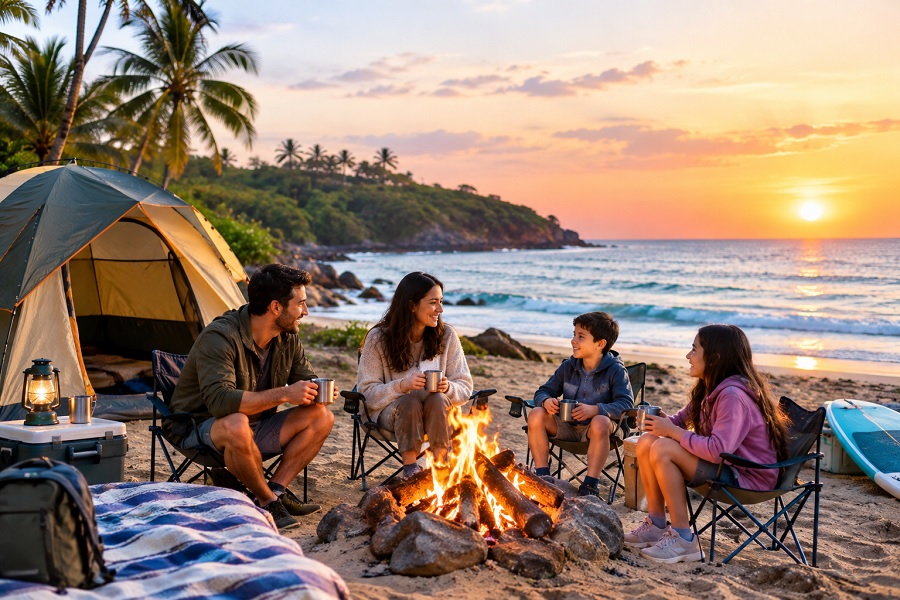
Monsoon Camping Near Waterfalls: A Refreshing Nature Adventure
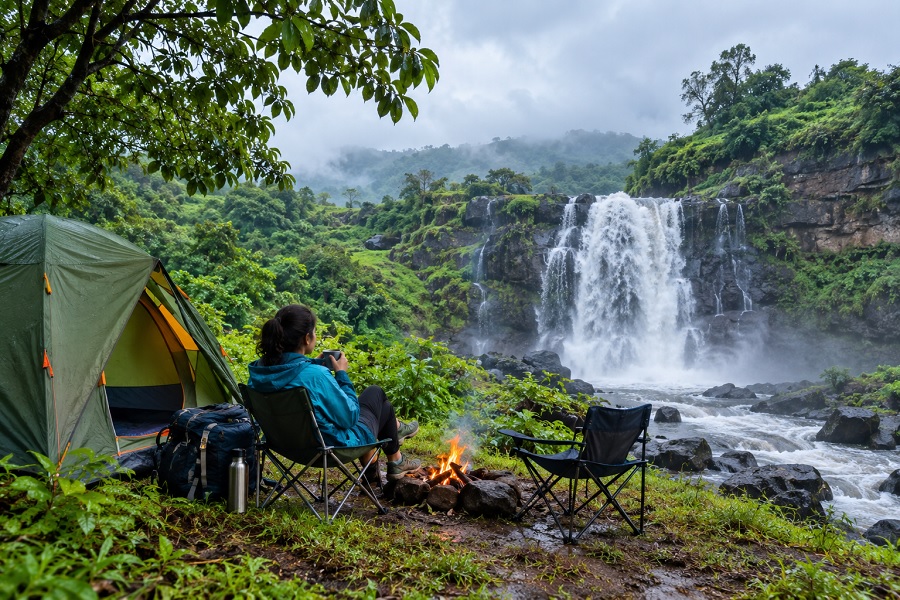
Monsoon Camping Near Waterfalls: A Refreshing Seasonal Adventure
Monsoon camping near waterfalls offers a unique way to experience nature during the rainy season. As rainfall fills streams and revives seasonal waterfalls, forests and hills become greener, cooler, and more scenic. For adventure travellers, a carefully planned camping trip can combine trekking, photography, nature exploration, and peaceful outdoor time.
Maharashtra is particularly popular for monsoon adventures, with destinations such as Rajmachi, Amboli, Igatpuri, Thoseghar, and several Western Ghats trails offering lush landscapes and seasonal waterfalls. Maharashtra Tourism highlights Rajmachi as an overnight trekking and camping destination, while its monsoon tourism information features waterfall and forest experiences across the state.
What Is Monsoon Camping Near Waterfalls?
Monsoon camping near waterfalls involves spending time at a permitted campsite or designated camping area close to a waterfall or forest landscape during the rainy season. The experience may include trekking to the campsite, setting up tents, enjoying the surrounding scenery, photographing waterfalls, and exploring nearby nature trails.
Camping should be done only in designated or permitted areas. A waterfall may look inviting during heavy rain, but water levels and currents can change quickly.
Why Is Monsoon Camping Popular?
The rainy season transforms many landscapes into vibrant green environments. Waterfalls that may be small or dry during other months can become much more dramatic.
Popular reasons for choosing a monsoon camping trip include:
Lush green mountain scenery
Seasonal waterfalls and streams
Mist-covered hills
Fresh and cool weather
Nature photography opportunities
Trekking and hiking experiences
Peaceful time away from busy cities
Outdoor adventure with friends or family
Opportunity to explore lesser-known landscapes
Thoseghar Waterfall near Satara, for example, is surrounded by greenery during the monsoon, while Maharashtra Tourism notes that the viewing platform provides a safer way to appreciate the cascades.
Best Activities for a Waterfall Camping Trip
1. Waterfall Photography
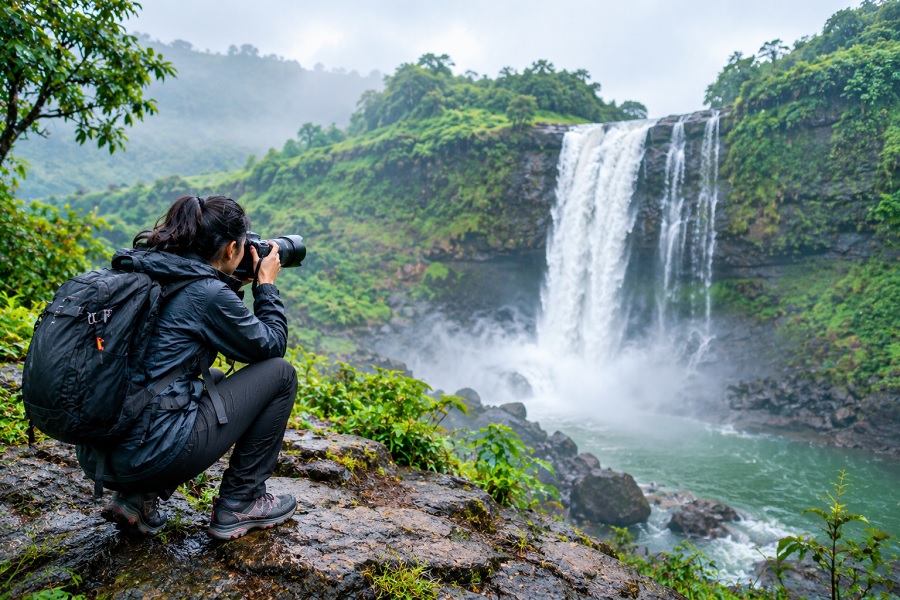
Monsoon waterfalls provide excellent opportunities for landscape photography. Early morning mist, cloudy skies, flowing streams, and green hills can create dramatic compositions.
Maintain a safe distance from the waterfall while taking photographs, particularly when rocks are wet.
2. Nature Walks
Short guided nature walks can help visitors explore forests, streams, plants, birds, and other seasonal features around the camping area.
3. Trekking
Some waterfall destinations require a trek through forests or hills. Devkund, Andharban, Rajmachi, and other Maharashtra destinations are associated with monsoon trekking experiences.
4. Camping
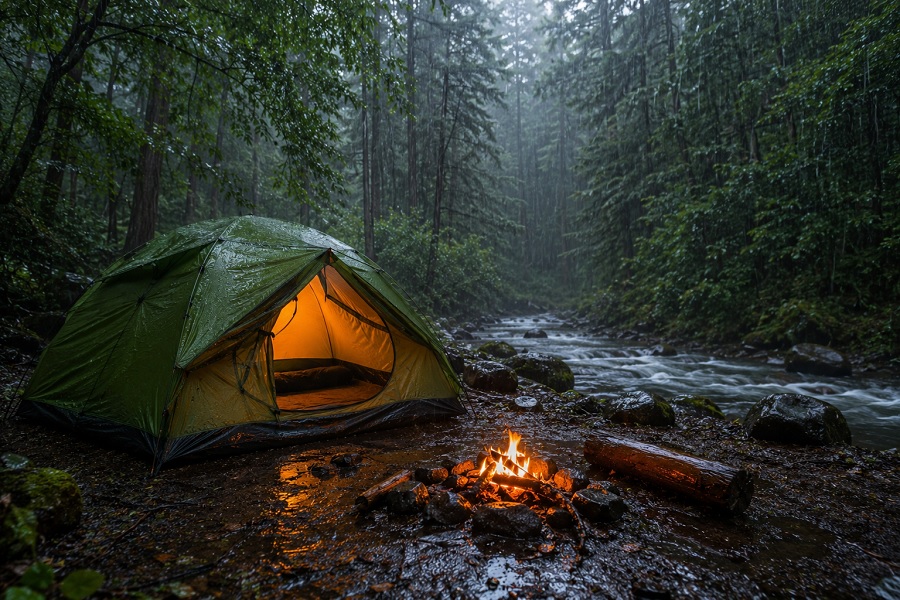
A permitted campsite can provide an opportunity to enjoy the sound of rain and surrounding nature. Waterproof tents, proper drainage, and secure tent placement are particularly important during the rainy season.
5. Stargazing When Weather Allows
Cloudy skies are common during the monsoon, but clear periods can occasionally provide opportunities for nighttime sky observation. Camping areas away from city lights can make the experience more peaceful.
Popular Monsoon Waterfall Regions in Maharashtra
Igatpuri
Igatpuri and the surrounding region offer waterfalls, misty hills, trekking routes, and outdoor experiences during the monsoon. Maharashtra Tourism lists Vihigaon Waterfall and several other natural attractions in the area.
Amboli Ghat
Amboli becomes particularly green during the monsoon and has numerous waterfalls and streams. Visitors should be cautious around slippery rocks, steep viewpoints, heavy rainfall, and wildlife habitats.
Thoseghar
Thoseghar Waterfall near Satara is known for its series of cascades and lush surroundings. The official tourism information recommends caution because monsoon rocks and trails can become slippery.
Rajmachi
Rajmachi combines trekking, historical surroundings, green landscapes, seasonal waterfalls, and camping opportunities. Maharashtra Tourism describes it as a popular overnight trekking destination with camping options.
Essential Things to Carry
A monsoon camping trip requires suitable equipment because rain can affect clothing, electronics, food, and camping equipment.
Consider carrying:
Waterproof trekking shoes
Rain jacket or poncho
Quick-dry clothing
Extra socks and clothes
Waterproof backpack cover
Headlamp or flashlight
Power bank
First-aid kit
Drinking water
Energy snacks
Insect repellent
Waterproof phone pouch
Personal medicines
Small garbage bags
Sturdy footwear is especially important because wet rocks and trails can become slippery. Official tourist guidance for waterfall destinations in Maharashtra also recommends appropriate footwear and caution around wet terrain.
Monsoon Waterfall Camping Safety Tips
Safety should be the first priority during a waterfall camping trip.
Check the Weather
Check the latest weather conditions before leaving. Heavy rainfall can make roads, trails, streams, and waterfalls significantly more dangerous.
Avoid Swimming Near Waterfalls
Do not enter deep pools or fast-flowing streams. Government tourist guidance specifically warns visitors about deep water, slippery rocks, sudden floods, and changing water conditions during monsoon periods.
Stay Away From Edges
Wet rocks near waterfalls can be extremely slippery. Avoid standing on cliff edges or climbing rocks simply for photographs.
Follow Local Restrictions
Some waterfalls and trekking routes may be temporarily closed because of heavy rainfall, flooding, landslides, or other safety concerns. Always follow local administration and site-management instructions.
For example, the Satara district administration advises visitors to avoid Bhambavli Vajrai Waterfall during heavy rain and specifies visitor hours and other safety precautions.
Avoid Night Trekking
Visibility can be poor during heavy rain, and wet trails may become difficult to navigate. Plan trekking activities during daylight and use experienced guides where appropriate.
Never Camp in a Dangerous Location
Do not pitch a tent directly beside a waterfall, stream, riverbank, drainage channel, cliff, or other area that could be affected by rising water.
Responsible Monsoon Camping
Nature-based tourism should also protect the environment. Avoid leaving plastic, food waste, disposable items, or other garbage at the campsite.
Good camping practices include:
Carry reusable water bottles.
Take all waste back with you.
Avoid disturbing wildlife.
Do not damage plants or trees.
Stay on marked trails where possible.
Avoid loud activities near wildlife habitats.
Use designated camping areas.
Follow local environmental regulations.
Amboli and other Western Ghats destinations support diverse wildlife, so visitors should respect natural habitats and avoid disturbing animals.
Who Can Enjoy Monsoon Waterfall Camping?
Monsoon camping can appeal to different types of travellers, including:
Adventure enthusiasts
Nature photographers
Trekking groups
Solo travellers
Couples
Families
Outdoor enthusiasts
Weekend travellers
Nature lovers
However, the difficulty of the trek and weather conditions should always be considered before choosing a destination.
Conclusion
Monsoon camping near waterfalls combines the beauty of rain-filled landscapes with outdoor adventure. Green forests, misty hills, flowing streams, and seasonal waterfalls can create memorable travel experiences.
The key is responsible planning. Choose permitted camping locations, check weather conditions, carry suitable rain and trekking equipment, avoid dangerous water areas, and follow local restrictions. With the right preparation, monsoon camping can be an enjoyable way to explore India's seasonal landscapes while respecting nature.