Winter Mountain Hiking in India: Discovering Snow-Covered Trails and Breathtaking Himalayan Views
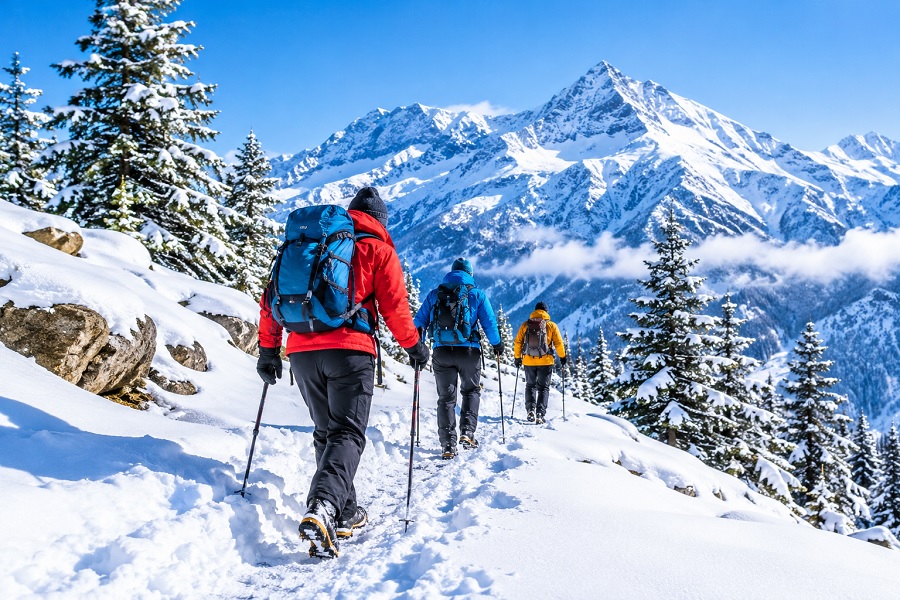
Winter Mountain Hiking: Exploring Snowy Trails and Alpine Destinations
Winter mountain hiking is an exciting outdoor adventure that allows travellers to explore snow-covered mountains, frozen landscapes and beautiful alpine destinations. During winter, mountain regions transform into peaceful natural environments with white snowfields, icy trails, frozen lakes and breathtaking panoramic views.
This adventure tourism activity attracts nature lovers, trekking enthusiasts, photographers and outdoor travellers who want to experience the beauty of mountains during the colder months. From the Himalayas in India to the Alps in Europe, winter hiking offers memorable opportunities to discover spectacular landscapes and enjoy outdoor activities.
What Is Winter Mountain Hiking?
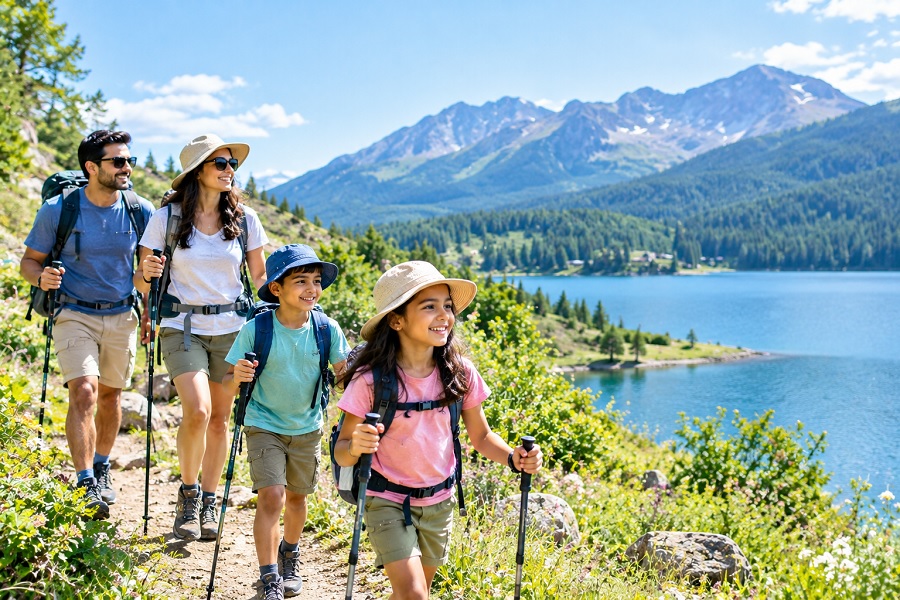
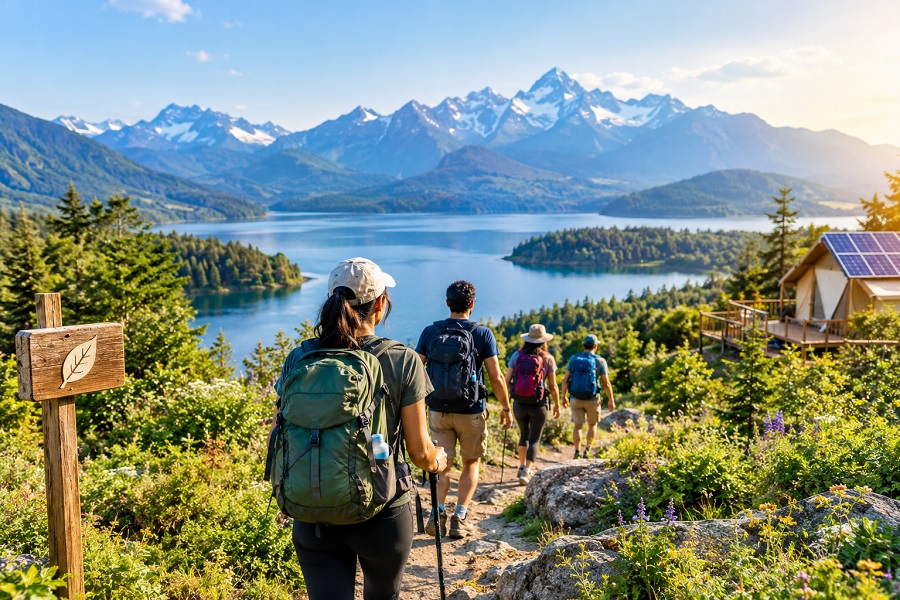
Winter mountain hiking involves walking along mountain trails during the winter season, often through snow-covered forests, alpine valleys and high-altitude landscapes. Unlike regular summer hiking, winter hiking requires additional preparation because of cold temperatures, snow, ice and changing weather conditions.
It can range from easy winter nature walks to challenging mountain routes. Travellers can enjoy scenic viewpoints, peaceful forests, snowy mountain villages and beautiful natural surroundings.
Best Winter Mountain Hiking Destinations
Several destinations around the world are popular for winter mountain hiking because of their scenic trails and impressive alpine landscapes.
1. Gulmarg, Jammu and Kashmir, India
Gulmarg is a famous winter destination surrounded by snow-covered mountains and beautiful alpine scenery. Visitors can enjoy guided winter walks, snowy landscapes and views of the surrounding Himalayan ranges. Weather and trail conditions should be checked before planning a hike.
2. Auli, Uttarakhand, India
Auli is known for its panoramic Himalayan views, snow-covered slopes and peaceful mountain environment. During winter, visitors can explore suitable walking routes and enjoy scenic views of the surrounding peaks.
3. Manali, Himachal Pradesh, India
Manali attracts winter adventure travellers with its snowy landscapes, mountain forests and scenic valleys. Nearby areas offer opportunities for guided winter walks and snow experiences depending on weather conditions.
4. Swiss Alps, Switzerland
The Swiss Alps offer some of the world's most beautiful alpine landscapes. Winter hiking routes around destinations such as Zermatt, Grindelwald and Davos provide stunning views of snow-covered peaks, mountain villages and frozen landscapes.
5. Dolomites, Italy
The Dolomites are famous for their dramatic mountain formations and scenic winter trails. Visitors can explore designated winter walking routes and enjoy beautiful views of snow-covered alpine landscapes.
6. Banff National Park, Canada
Banff National Park offers spectacular winter scenery with frozen lakes, snowy forests and mountain peaks. Suitable winter trails allow visitors to experience the natural beauty of the Canadian Rockies.
7. Chamonix, France
Chamonix is a popular alpine destination located near Mont Blanc. It attracts outdoor enthusiasts with its mountain scenery, winter walking opportunities and beautiful snowy surroundings. Visitors should choose routes appropriate to their experience and current conditions.
Popular Activities During Winter Mountain Hiking
Winter mountain hiking offers several outdoor experiences for adventure enthusiasts.
Snow Trail Hiking: Exploring marked walking routes covered with fresh snow.
Alpine Nature Walks: Discovering peaceful mountain forests and scenic valleys.
Snowshoe Hiking: Walking across deeper snow using specially designed snowshoes.
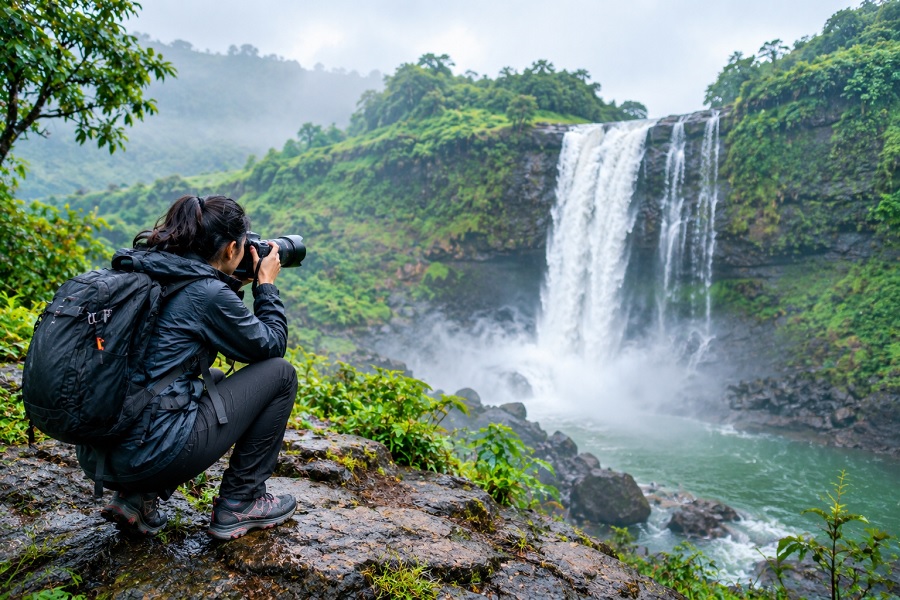
Mountain Photography: Capturing snowy peaks, frozen lakes and winter landscapes.
Wildlife Observation: Looking for animal tracks and observing wildlife from a safe distance.
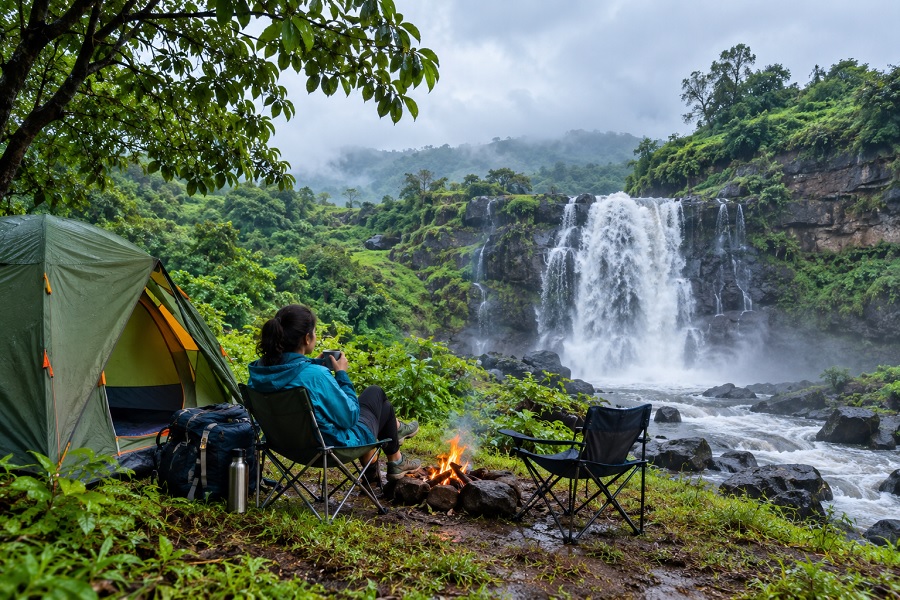
Winter Camping: Experiencing outdoor camping in designated areas with appropriate equipment and preparation.
Scenic Viewpoint Exploration: Visiting accessible viewpoints to enjoy panoramic mountain scenery.
Essential Equipment for Winter Mountain Hiking
Carrying suitable equipment is important for comfort and safety during winter hiking. Cold weather, snow and icy surfaces require specialised clothing and accessories.
Important hiking equipment includes:
Waterproof and insulated hiking boots.
Warm thermal clothing.
Waterproof winter jacket and trousers.
Gloves, woollen socks and winter cap.
Sunglasses and UV-protection goggles.
Trekking poles with snow baskets.
Snowshoes or traction devices when required.
Backpack with drinking water and snacks.
First-aid kit and emergency supplies.
Headlamp and fully charged mobile phone.
Navigation tools and weather information.
For more challenging routes, additional mountaineering equipment may be necessary under the guidance of qualified professionals.
Important Safety Tips for Winter Hiking
Winter mountain conditions can change quickly. Proper planning and awareness are essential for a safe hiking experience.
Check Weather Conditions: Review local forecasts and mountain warnings before starting the hike.
Choose Suitable Trails: Select routes according to your fitness level and winter hiking experience.
Wear Appropriate Clothing: Use multiple layers to stay warm and protect yourself from wind and moisture.
Start Early: Allow enough daylight for completing the planned route.
Carry Emergency Supplies: Keep a first-aid kit, food, water and emergency communication equipment.
Avoid Avalanche-Prone Areas: Understand avalanche risks and never enter hazardous terrain without appropriate training and equipment.
Hire Experienced Guides: Choose qualified local guides for unfamiliar or challenging mountain routes.
Stay on Marked Trails: Avoid entering restricted or unsafe areas.
Inform Someone About Your Plan: Share your route and expected return time with a trusted person.
Know When to Turn Back: Stop or change plans if weather, visibility or trail conditions become dangerous.
Best Time for Winter Mountain Hiking
The winter hiking season varies according to the destination, altitude and local climate. In many alpine destinations, December to March offers snowy landscapes and winter trail experiences.
In Indian Himalayan destinations, the main winter period generally extends from December to February, although snowfall and trail accessibility differ from region to region.
Travellers should check seasonal weather information, local permissions and trail availability before making reservations.
Benefits of Winter Mountain Hiking
Winter mountain hiking provides several physical, mental and recreational benefits.
Encourages physical activity and outdoor fitness.
Offers opportunities to explore beautiful natural landscapes.
Helps travellers experience different mountain environments.
Provides photography and nature observation opportunities.
Encourages adventure skills and personal confidence.
Creates opportunities for responsible nature-based tourism.
Supports local guides, accommodation providers and tourism businesses.
Winter Hiking for Beginners
Beginners can enjoy winter mountain hiking by starting with short, well-maintained and marked trails. Choosing destinations with accessible walking routes and local guide services can make the experience more comfortable.
Before attempting longer hikes, beginners should understand basic winter clothing, trail navigation and cold-weather safety. It is also important to avoid high-altitude or technical routes without suitable training and professional guidance.
Sustainable Winter Mountain Tourism
Responsible tourism helps protect fragile alpine ecosystems and mountain communities. Travellers should avoid littering, follow designated trails and respect wildlife habitats.
Supporting local guides, using registered accommodation and purchasing locally made products can contribute to mountain communities. Visitors should also follow restrictions in protected areas and avoid disturbing natural landscapes.
Future of Winter Mountain Hiking Tourism
Winter mountain hiking is gaining attention among travellers interested in nature, adventure and seasonal outdoor experiences. Improvements in guided hiking services, digital trail information and specialised winter equipment are making these experiences more accessible.
In the future, sustainable hiking routes, beginner-friendly winter experiences, guided snowshoe walks and eco-friendly mountain accommodation may attract more adventure travellers.
Conclusion
Winter Mountain Hiking offers an unforgettable opportunity to explore snowy trails, alpine destinations and spectacular mountain landscapes. From Gulmarg and Auli in India to the Swiss Alps, Dolomites and Canadian Rockies, travellers can discover beautiful winter environments through outdoor adventures.
With proper equipment, suitable trail selection, weather awareness and responsible travel practices, winter hiking can become a memorable experience for adventure enthusiasts and nature lovers.