How Changing Weather and Climate Are Transforming Seasonal Adventure Tourism
How Weather and Climate Are Changing Seasonal Adventure Tourism
Seasonal adventure tourism has traditionally been closely connected with predictable weather patterns. Travelers plan trekking during suitable months, skiing during winter, rafting during selected seasons and wildlife experiences according to local conditions. However, changing weather patterns and climate-related challenges are influencing how adventure tourism is planned and experienced.
For modern travelers, weather is becoming an increasingly important factor when choosing destinations and activities. Tourism businesses are also adapting their operations, safety measures and travel schedules to changing environmental conditions.
What Is Seasonal Adventure Tourism?
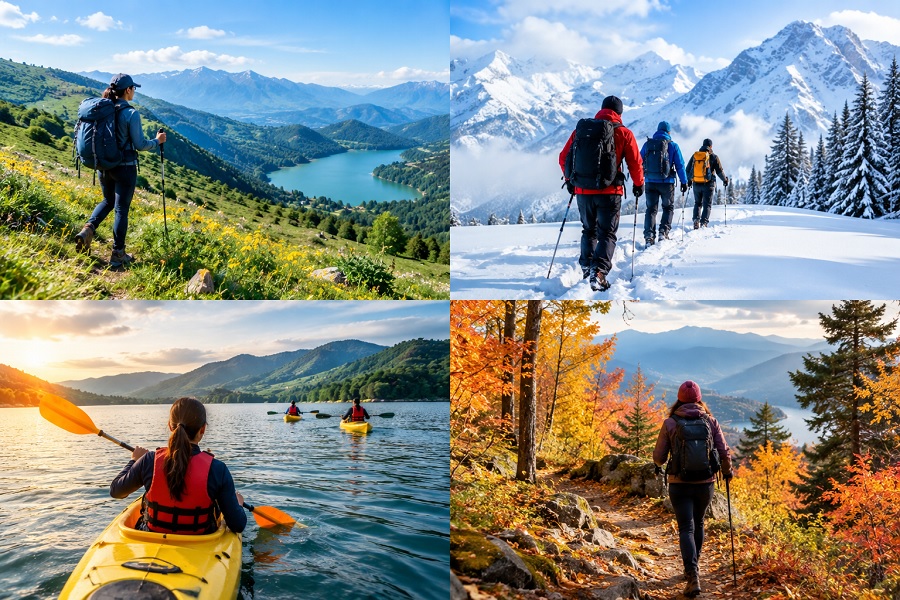
Seasonal adventure tourism involves travel and outdoor activities that depend strongly on particular weather conditions or seasons. Examples include trekking, skiing, snowboarding, rafting, camping, mountaineering, wildlife tourism, cycling, surfing and water-based adventures.
These experiences are often planned around temperature, rainfall, snowfall, river conditions, daylight hours and other environmental factors.
Why Weather Matters to Adventure Tourism
Outdoor adventure activities depend on suitable environmental conditions. Heavy rainfall can affect trekking trails, strong winds can disrupt mountain activities, and inadequate snowfall can impact winter sports.
Weather can also influence transportation, accommodation, accessibility and visitor safety. As a result, travelers and tourism operators need to pay closer attention to current forecasts rather than relying only on traditional seasonal calendars.
Changing Seasonal Patterns
One major change affecting adventure tourism is the shifting timing of traditional seasons. In some destinations, travelers may experience warmer winters, irregular rainfall or changes in the length of particular weather periods.
This can influence when specific adventure activities are available. Destinations that once had relatively predictable peak seasons may increasingly need flexible travel schedules.
Impact on Trekking Tourism
Trekking routes can be affected by rainfall, temperature changes, landslides, trail conditions and changing snow patterns.
Adventure operators may need to monitor trails more frequently and adjust routes when conditions become unsuitable. Travelers should also check local advisories and weather forecasts before starting a trek.
Changes in Winter Adventures
Winter tourism is particularly dependent on cold temperatures and snowfall. Skiing, snowboarding and snow-based activities require suitable conditions.
Changes in snowfall patterns can affect the length of winter sports seasons. Tourism destinations may therefore need to diversify their attractions by offering activities that do not depend entirely on snow.
Impact on Water-Based Adventures
Activities such as rafting, kayaking and canyoning depend on river levels and weather conditions.
Heavy rainfall can sometimes increase water levels and create hazardous conditions, while insufficient rainfall can reduce water availability for certain activities. Responsible operators need to monitor river conditions and prioritize safety over fixed tourism schedules.
Monsoon Adventure Tourism
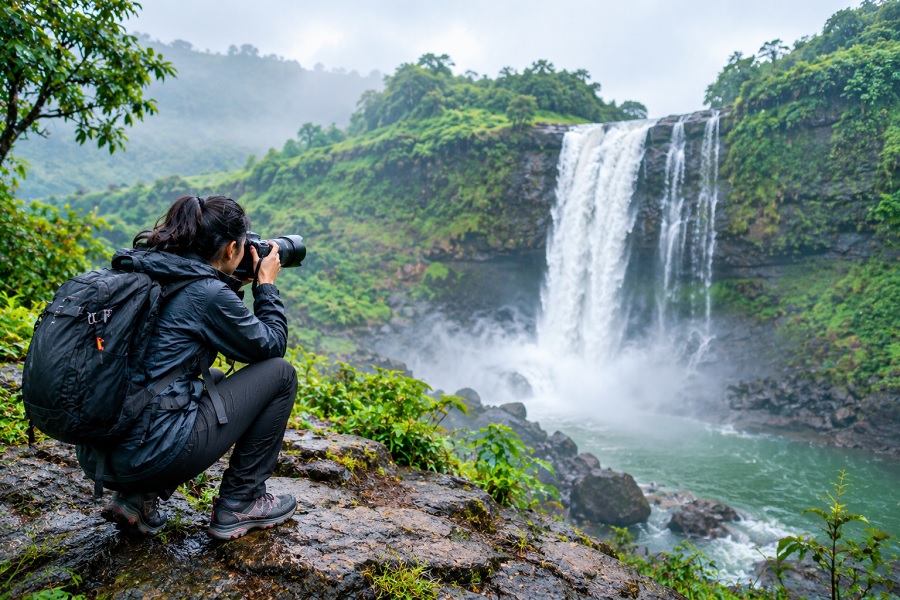
Monsoon seasons can create unique adventure experiences, including waterfall visits, forest exploration and selected trekking activities. At the same time, heavy rainfall can increase risks from slippery trails, flash floods and landslides.
Tourism providers can respond by improving weather monitoring, providing safety information and temporarily closing activities when conditions are dangerous.
Mountain Tourism and Extreme Weather
Mountain destinations can be particularly sensitive to changing weather conditions. Sudden storms, heavy rainfall, snowfall changes and temperature fluctuations can affect trekking and climbing activities.
Adventure travelers should be prepared for changing conditions and follow guidance from local authorities, guides and experienced operators.
Wildlife and Nature Adventures
Weather and climate conditions can also influence wildlife tourism. Seasonal changes may affect animal movement, vegetation, water availability and bird migration patterns.
Wildlife tourism operators may need to adjust routes and schedules while ensuring that visitor activities do not disturb animals or sensitive ecosystems.
Longer and Shorter Adventure Seasons
Climate-related changes can create both opportunities and challenges for tourism. Some destinations may experience longer periods suitable for particular outdoor activities, while others may face shorter or less predictable seasons.
Tourism businesses can respond by developing diversified experiences throughout the year rather than relying heavily on a single seasonal attraction.
Technology Helping Travelers Plan Adventures
Technology is becoming increasingly important for weather-sensitive tourism. Mobile weather applications, GPS systems, digital maps and travel platforms can provide travelers with updated information.
Adventure operators can also use forecasting tools and communication systems to monitor conditions and inform visitors about changes to schedules or routes.
AI and Weather-Based Travel Planning
Artificial intelligence can support more personalized adventure planning by analyzing weather forecasts, travel preferences, seasonal conditions and destination information.
For example, digital travel platforms may recommend alternative destinations or dates when weather conditions are unsuitable for a planned activity.
However, technology should complement rather than replace professional judgment, local knowledge and official safety information.
Sustainable Adventure Tourism
Climate-related challenges are also encouraging greater attention to sustainable tourism. Adventure destinations can focus on protecting forests, mountains, rivers, coastlines and wildlife habitats.
Sustainable practices may include waste reduction, responsible transportation, conservation programs, water management and visitor limits in environmentally sensitive areas.
The Rise of Flexible Travel Planning
Traditional travel planning often involves booking activities months in advance based on expected seasonal conditions. Increasing weather uncertainty can encourage travelers to adopt more flexible approaches.
Flexible bookings, alternative activities and backup destinations can help travelers manage unexpected weather disruptions.
Importance of Travel Insurance
Adventure travelers should understand the coverage provided by their travel insurance, particularly when participating in activities that can be affected by weather.
Policies vary, so travelers should carefully review coverage, exclusions and requirements before purchasing insurance.
Safety Becomes a Bigger Priority
Changing weather patterns make safety planning even more important. Travelers should check official weather forecasts, local advisories and activity-specific warnings before beginning an adventure.
Tour operators should provide appropriate equipment, trained guides, emergency procedures and clear communication with participants.
Responsible Adventure Travel
Travelers can help protect destinations by following responsible tourism practices. This includes avoiding littering, staying on designated trails, respecting wildlife and local communities, and following restrictions during environmentally sensitive periods.
Responsible behavior helps reduce pressure on natural environments that may already be experiencing climate-related stress.
How Tourism Businesses Are Adapting
Adventure tourism businesses can adapt by diversifying activities and destinations. A trekking company, for example, may offer different routes for different weather conditions.
Hotels and resorts can also develop year-round experiences such as wellness programs, cultural activities, culinary experiences and indoor recreation to reduce dependence on a single seasonal attraction.
Seasonal Adventure Tourism in India
India offers a wide range of seasonal adventure experiences. The Himalayas provide trekking, skiing and snow activities, while the Western Ghats offer monsoon landscapes, hiking and waterfall experiences.
Coastal destinations support water-based recreation, while Rajasthan provides desert adventures during suitable periods. Because India's geography is diverse, travelers can often choose alternative destinations when conditions change in one region.
What Travelers Should Do Before a Seasonal Adventure
Travelers can prepare by:
Checking the latest weather forecast.
Reviewing local travel advisories.
Confirming activity availability with the operator.
Carrying appropriate clothing and equipment.
Keeping alternative activities in mind.
Understanding cancellation policies.
Following local safety instructions.
Avoiding risky activities during severe weather.
Respecting environmental and destination guidelines.
Future of Seasonal Adventure Tourism
The future of seasonal adventure tourism is likely to become more flexible, technology-supported and sustainability-focused.
Travelers may increasingly select destinations according to real-time weather conditions rather than traditional seasonal expectations. Tourism operators can use technology to improve forecasting, safety communication and itinerary planning.
At the same time, protecting natural environments will become increasingly important as adventure tourism depends heavily on healthy mountains, forests, rivers, beaches and wildlife habitats.
Conclusion
Weather and climate are playing an increasingly important role in shaping seasonal adventure tourism. Changes in rainfall, temperature, snowfall and extreme weather conditions can influence when and where travelers participate in outdoor activities.
For travelers, flexible planning, reliable weather information and responsible decision-making are becoming essential. For tourism businesses, adapting activities, strengthening safety systems and protecting natural environments can help build a more resilient adventure tourism sector.
The future of seasonal adventure travel will depend on finding a balance between exciting outdoor experiences, visitor safety, environmental responsibility and changing weather conditions.