Explore Responsibly: Best Eco-Friendly Seasonal Adventures in 2026
Eco-Friendly Seasonal Adventures for 2026
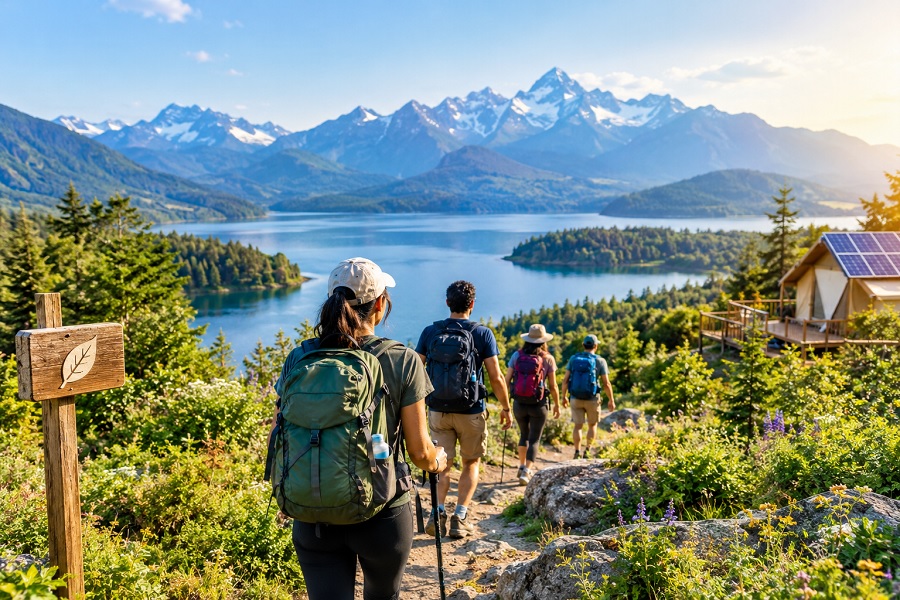
Eco-friendly travel is becoming an increasingly important part of modern tourism. In 2026, travelers can enjoy seasonal adventures while making thoughtful choices about transportation, accommodation, food, waste and activities. From monsoon waterfall trails and summer mountain escapes to winter wildlife experiences, every season offers opportunities to explore responsibly.
Sustainable travel does not mean giving up adventure. It means choosing experiences that respect nature, support local communities and reduce unnecessary environmental impact.
What Is Eco-Friendly Seasonal Travel?
Eco-friendly seasonal travel focuses on experiencing destinations according to their natural seasonal characteristics while minimizing harm to the environment.
This can include:
Choosing public transportation or shared travel where practical
Staying at environmentally responsible accommodations
Supporting local businesses
Avoiding single-use plastics
Respecting wildlife and natural habitats
Following marked trails
Buying locally produced goods
Reducing food waste
Carrying reusable travel essentials
The goal is to enjoy the destination while helping preserve it for future travelers.
Summer: Eco-Friendly Mountain Escapes
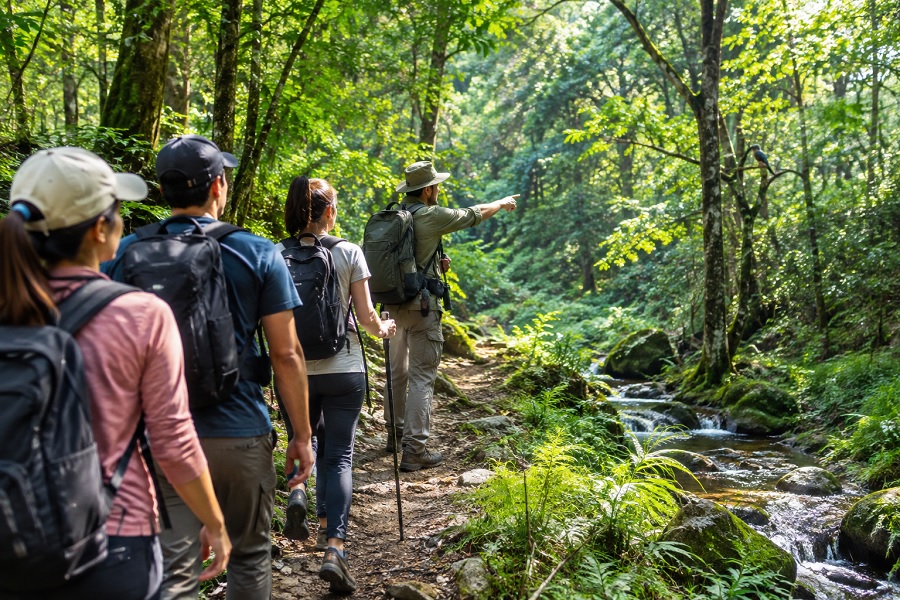
Summer is a popular time for travelers to escape hot cities and visit cooler mountain destinations. Instead of choosing highly crowded locations, consider lesser-known villages and nature-focused destinations.
Travelers can enjoy:
Nature walks
Hiking
Cycling
Birdwatching
Local village experiences
Farm stays
Outdoor photography
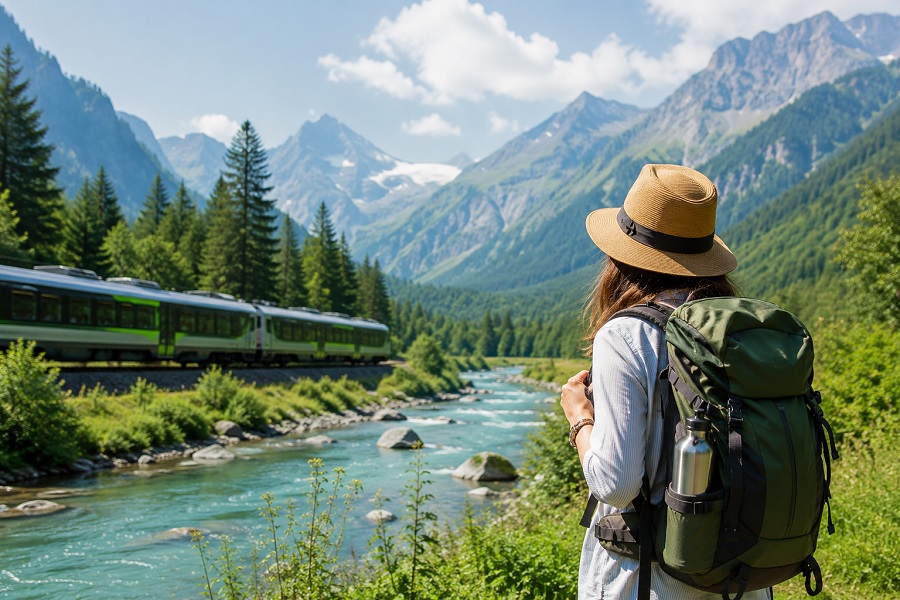
Traveling by train or shared transportation where available can be a more resource-conscious alternative to individual car journeys.
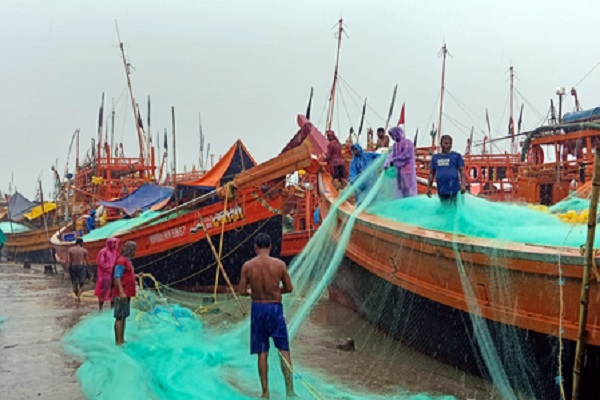
Monsoon: Waterfall and Forest Adventures
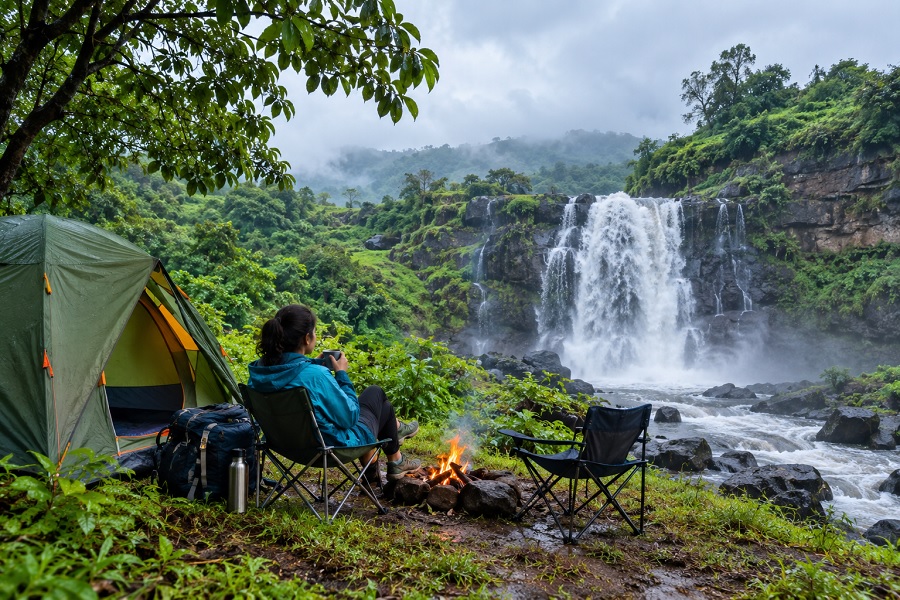
The monsoon season transforms many parts of India into lush green landscapes. Waterfalls, forests, valleys and streams become attractive destinations for nature lovers.
However, monsoon travel requires extra care. Heavy rainfall can make trails slippery and increase the risk of landslides or flash floods.
For responsible monsoon travel:
Stay on designated trails
Avoid entering restricted areas
Never leave plastic waste behind
Do not disturb streams or wildlife
Follow local safety instructions
Avoid disposable rain gear when reusable alternatives are available
Travelers should also check local weather and access conditions before starting an outdoor activity.
Autumn: Scenic Nature and Photography Trips
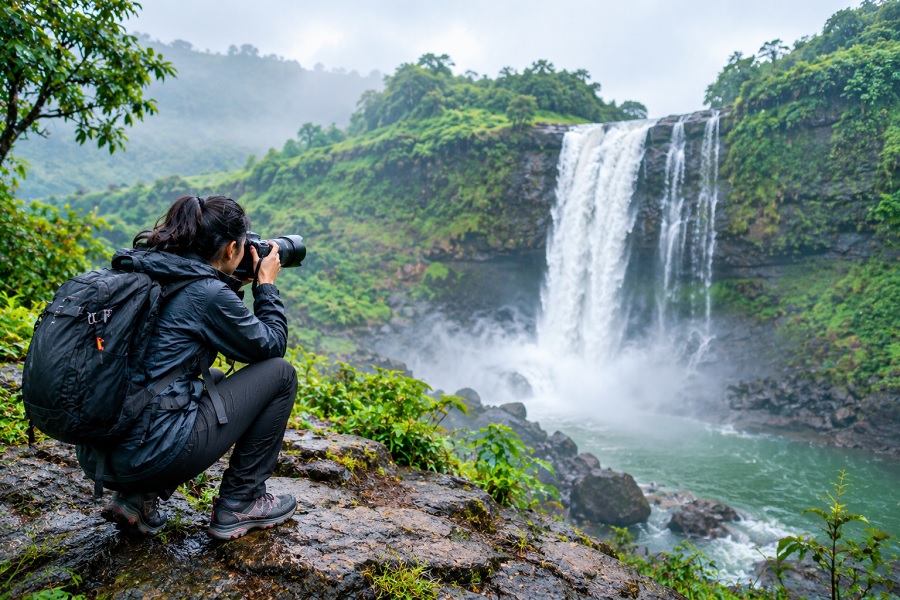
Autumn can be an excellent season for landscape photography and relaxed outdoor exploration. Travelers can visit forests, valleys, heritage towns and countryside areas while enjoying seasonal scenery.
Instead of visiting only famous viewpoints, consider exploring local walking routes and community-run experiences.
Photography should always be respectful. Avoid damaging plants, entering protected areas or disturbing animals simply to get a photograph.
Winter: Wildlife and Desert Adventures
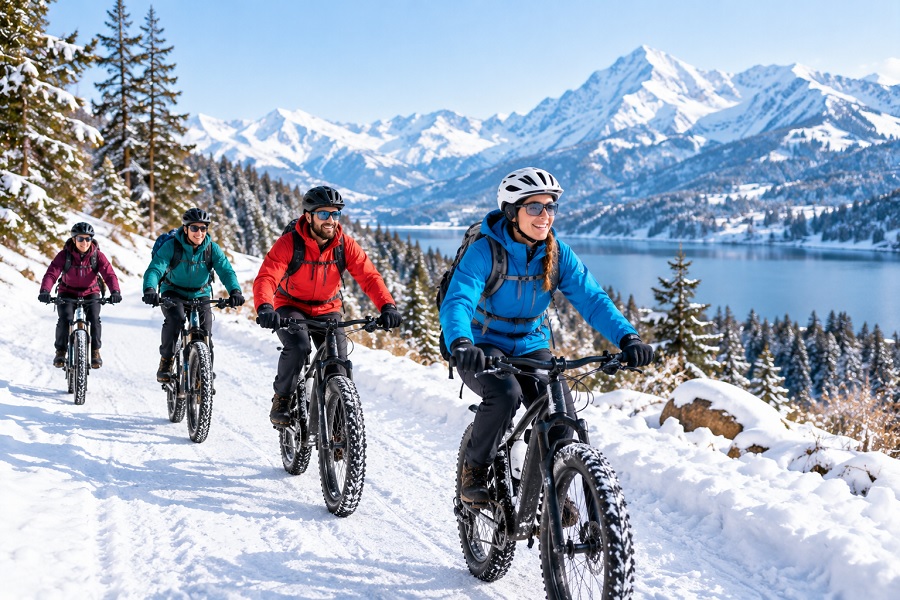
Winter offers opportunities for wildlife safaris, desert experiences, hiking and camping in suitable destinations.
Wildlife tourism should be approached responsibly. Visitors should maintain appropriate distances from animals, follow park rules and avoid feeding or attempting to attract wildlife.
In desert destinations, travelers can also choose locally operated experiences and accommodations that involve nearby communities.
Spring: Flowers, Forests and Birdwatching
Spring brings fresh greenery, flowers and increased opportunities for birdwatching in many regions.
A spring nature trip could include:
Botanical gardens
Nature reserves
Birdwatching
Forest walks
Photography
Local agricultural experiences
Binoculars and a camera can provide hours of entertainment without requiring activities that interfere with wildlife.
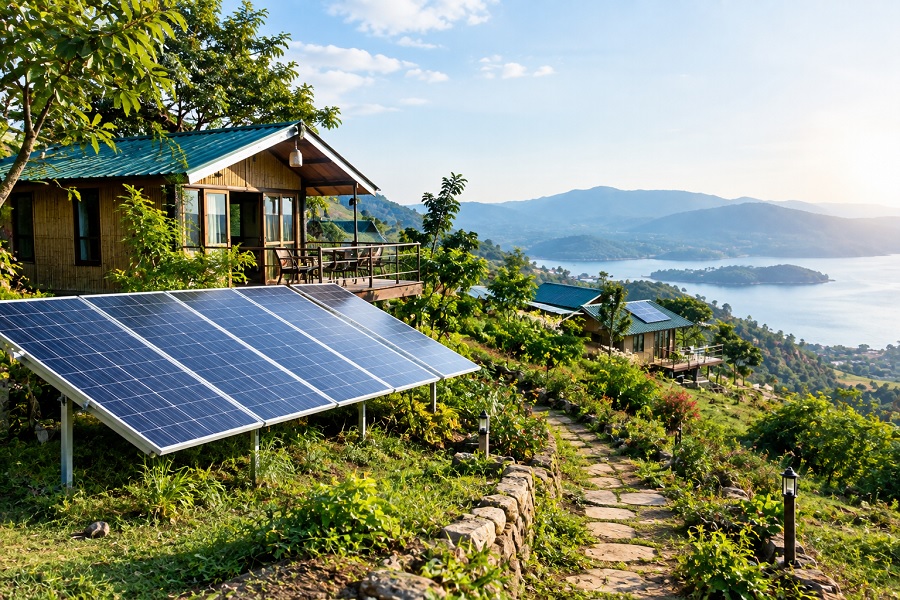
Choose Sustainable Accommodation
Accommodation is an important part of eco-friendly travel. Travelers can look for properties that demonstrate practical sustainability efforts rather than relying only on environmental claims.
Useful things to check include:
Energy-efficient lighting
Water conservation
Waste segregation
Refillable drinking-water stations
Local food sourcing
Reduced single-use plastics
Responsible laundry practices
Community employment
A smaller locally operated property can also provide opportunities to contribute directly to the local tourism economy.
Support Local Communities
One of the simplest ways to make seasonal travel more responsible is to spend money with local businesses.
Consider:
Eating at local restaurants
Buying directly from artisans
Hiring local guides
Staying at locally operated accommodations
Purchasing regional products
Participating in community-run experiences
The Ministry of Tourism's responsible tourism guidance encourages travelers to support local businesses and communities and to purchase local products while respecting local culture and heritage.
Reduce Plastic Waste
Outdoor destinations can suffer from waste generated by visitors. Carry a reusable water bottle, shopping bag and food container whenever practical.
Travelers should also take responsibility for their own waste, particularly when visiting remote hiking routes, campsites and natural areas where waste collection facilities may be limited.
Choose Responsible Transportation
Transportation can form a significant part of a trip's environmental footprint. When practical, travelers can consider trains, buses, shared transportation, cycling and walking.
For short distances at a destination, walking or cycling can also make the journey itself part of the adventure.
Eco-Friendly Seasonal Packing List
A thoughtful packing list can reduce waste during a trip.
Useful items include:
Reusable water bottle
Reusable shopping bag
Reusable food container
Cloth towels
Refillable personal-care products
Reusable cutlery
Comfortable walking shoes
Weather-appropriate clothing
Reusable rain protection
Power bank
Basic first-aid supplies
Biodegradable or reusable travel essentials where appropriate
Pack according to the season so you do not need to purchase disposable items after reaching your destination.
Responsible Adventure Activities
Adventure activities should match the season and local environmental conditions.
Popular options include:
Summer: hiking, cycling, camping and mountain walks.
Monsoon: nature photography, carefully selected waterfall visits and forest experiences where conditions are safe.
Autumn: trekking, photography and countryside exploration.
Winter: wildlife viewing, hiking, camping and desert experiences.
Spring: birdwatching, flower walks, cycling and nature trails.
Always follow local rules and check whether an activity is permitted before participating.
Respect Wildlife and Nature
Wildlife should be observed rather than interfered with. Avoid feeding animals, playing loud music near wildlife areas or attempting to approach animals for photographs.
Visitors should also avoid picking flowers, collecting rocks, damaging plants or removing natural objects as souvenirs.
A simple principle is useful: leave natural places as you found them, or better.
Why Eco-Friendly Seasonal Adventures Matter in 2026
Seasonal tourism can put significant pressure on popular destinations when large numbers of visitors arrive at the same time. Responsible choices can help distribute tourism benefits and reduce unnecessary pressure on local resources.
Choosing less crowded destinations, traveling outside peak periods when possible and supporting local businesses can create a more balanced travel experience.
Sustainable tourism also increasingly focuses on the relationship between visitors, destinations and local communities rather than treating travel simply as sightseeing.
Tips for Planning an Eco-Friendly Seasonal Adventure
Before booking your trip:
Research the destination's seasonal weather.
Check local travel and safety advisories.
Select responsible accommodation.
Choose lower-impact transportation when practical.
Carry reusable essentials.
Support local businesses.
Follow wildlife and protected-area rules.
Avoid overcrowded or environmentally sensitive locations when alternatives are available.
Keep your waste to a minimum.
Respect local traditions and communities.
Conclusion
Eco-Friendly Seasonal Adventures for 2026 offer travelers a way to enjoy mountains, forests, beaches, wildlife, villages and seasonal landscapes while making responsible choices.
The best sustainable adventure does not have to be complicated. Small decisions such as carrying reusable items, choosing local businesses, respecting wildlife, reducing waste and selecting appropriate transportation can make a meaningful difference.
By combining adventure with responsible travel habits, travelers can enjoy memorable seasonal experiences while helping protect the destinations they visit.