Eco-Tourism for Couples: Exploring Sustainable Romantic Getaways and Nature Retreats
Eco-Tourism for Couples: Sustainable Romantic Travel Experiences
Focus Keyword: Eco-Tourism for Couples
Related Keywords: Sustainable Romantic Travel, Eco-Friendly Couple Getaways, Green Tourism, Nature Retreats, Sustainable Honeymoon, Romantic Eco Resorts.
Introduction
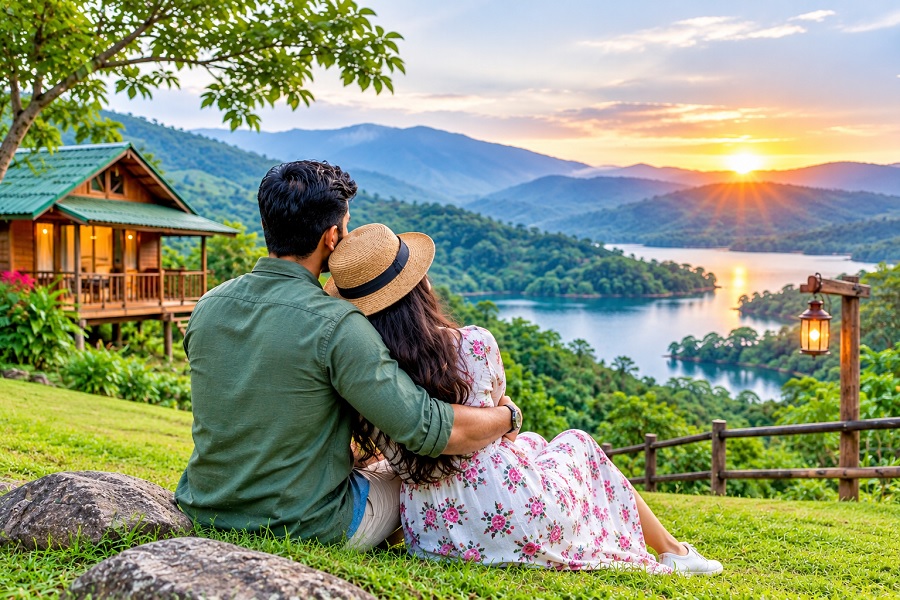
Eco-tourism for couples is becoming an appealing way to enjoy romantic holidays while protecting the natural environment. Instead of choosing conventional travel experiences, couples are increasingly interested in destinations that offer beautiful landscapes, peaceful surroundings, responsible tourism practices, and meaningful connections with nature.
Sustainable romantic travel combines relaxation, adventure, and environmental responsibility. From staying in eco-friendly resorts to exploring forests, mountains, beaches, and rural destinations, couples can enjoy memorable holidays while reducing their environmental impact.
This form of tourism allows couples to spend quality time together while supporting local communities, protecting wildlife, and appreciating the beauty of natural destinations.
1. Understanding Eco-Tourism for Couples
Eco-tourism focuses on responsible travel to natural areas while conserving the environment and supporting local communities. For couples, it provides opportunities to explore beautiful destinations through environmentally conscious travel experiences.
Couples can choose eco-friendly accommodation, participate in nature-based activities, explore local cultures, and support businesses that follow sustainable practices.
The main objective is to enjoy travel experiences without unnecessarily harming the environment.
2. Choosing Sustainable Romantic Destinations
Selecting the right destination is an important part of eco-tourism. Couples can explore destinations known for their natural beauty, conservation initiatives, and responsible tourism activities.
Popular destination types include:
- Mountain villages and hill stations
- Forest and wildlife conservation areas
- Coastal villages and eco-friendly beaches
- Rural countryside destinations
- Nature reserves and national parks
- Sustainable island destinations
These locations provide peaceful surroundings and opportunities to enjoy meaningful experiences together.
3. Staying at Eco-Friendly Resorts
Eco-friendly resorts offer accommodation designed to reduce environmental impact. Many properties use renewable energy, rainwater harvesting, waste management systems, and locally sourced materials.
Couples can enjoy comfortable stays while supporting responsible hospitality businesses.
Some eco-friendly accommodation options include:
- Sustainable forest lodges
- Eco-friendly cottages
- Solar-powered resorts
- Nature-inspired villas
- Sustainable homestays
- Environmentally responsible boutique hotels
Before booking, couples should check whether the property follows genuine sustainability practices.
4. Exploring Nature Together
Nature-based activities are an important part of sustainable romantic travel. Couples can spend time exploring natural landscapes and enjoying outdoor experiences.
Popular activities include nature walks, birdwatching, hiking, botanical garden visits, and guided forest trails.
These activities provide opportunities to appreciate biodiversity, discover local ecosystems, and create memorable travel experiences.
5. Sustainable Beach Tourism for Couples
Beaches provide beautiful settings for romantic holidays. Couples can choose destinations that promote coastal conservation, responsible waste management, and protection of marine ecosystems.
Activities such as beach walks, responsible snorkelling, kayaking, and coastal nature tours can make beach holidays more meaningful.
Travellers should avoid disturbing marine wildlife, damaging coral reefs, or leaving plastic waste behind.
6. Wildlife and Conservation Tourism
Wildlife tourism allows couples to observe animals in their natural habitats while learning about conservation.
Responsible wildlife experiences may include guided birdwatching, ethical nature photography, wildlife education programmes, and visits to conservation centres.
Couples should choose responsible operators that maintain safe distances from animals and avoid activities involving animal exploitation.
7. Supporting Local Communities
Supporting local communities is an important part of eco-tourism.
Couples can contribute to local economies by choosing locally owned accommodation, purchasing handmade products, enjoying regional vegetarian cuisine, and participating in community-led tourism activities.
These experiences also provide opportunities to understand local traditions, culture, and everyday lifestyles.
8. Eco-Friendly Transportation
Transportation can contribute significantly to the environmental impact of travel.
Couples can consider more sustainable transportation options, depending on the destination and availability.
These include:
- Walking and cycling
- Public transportation
- Shared transportation
- Electric vehicle travel
- Trains for suitable long-distance journeys
Choosing efficient transportation can help reduce emissions and make travel more environmentally responsible.
9. Sustainable Food Experiences
Food is another important element of eco-friendly couple tourism.
Couples can explore local restaurants, farm-to-table dining, seasonal ingredients, and traditional regional dishes.
Choosing locally produced food can support farmers and small businesses while reducing the environmental impact associated with long-distance food transportation.
Vegetarian and plant-based meals can also be part of a sustainable travel experience.
10. Romantic Camping and Glamping
Camping and glamping provide opportunities for couples to enjoy nature without depending on conventional luxury accommodation.
Eco-conscious camping experiences may include solar-powered facilities, reusable supplies, responsible waste disposal, and low-impact outdoor activities.
Couples can enjoy scenic surroundings, peaceful evenings, and outdoor relaxation while following responsible camping practices.
11. Digital Detox and Nature Retreats
Digital detox tourism encourages couples to reduce screen time and focus on their surroundings.
Nature retreats can provide peaceful environments for reading, meditation, outdoor walks, and meaningful conversations.
Spending time away from everyday digital distractions can make holidays more relaxing and memorable.
12. Sustainable Honeymoon Experiences
Eco-tourism also offers alternatives for couples planning their honeymoon.
Instead of choosing destinations based only on luxury and entertainment, couples can consider environmentally responsible resorts, nature retreats, conservation-based experiences, and locally operated accommodation.
A sustainable honeymoon can combine romance, comfort, exploration, and responsible travel choices.
13. Responsible Travel Practices for Couples
Couples can make their holidays more sustainable by following a few simple practices:
- Carry reusable water bottles and shopping bags.
- Avoid single-use plastic products.
- Respect wildlife and natural habitats.
- Choose accommodation with genuine sustainability policies.
- Avoid littering and dispose of waste responsibly.
- Respect local customs and traditions.
- Support local businesses and communities.
- Conserve water and electricity during accommodation stays.
Small responsible decisions can contribute to more sustainable tourism.
14. Benefits of Eco-Tourism for Couples
Eco-tourism offers several benefits for couples and travel destinations.
Environmental Benefits: Encourages conservation, responsible resource use, and protection of natural habitats.
Relationship Benefits: Provides opportunities for couples to share experiences, explore new places, and spend quality time together.
Cultural Benefits: Helps travellers understand local traditions, lifestyles, and cultural heritage.
Economic Benefits: Supports local businesses, artisans, guides, farmers, and community-based tourism initiatives.
Wellness Benefits: Nature-based experiences can encourage relaxation, outdoor activity, and mental refreshment.
15. Future of Sustainable Romantic Travel
The future of eco-tourism for couples is likely to be shaped by growing interest in responsible travel, personalized experiences, nature-based accommodation, and sustainable hospitality.
Travellers are increasingly looking for meaningful holidays rather than simply visiting popular tourist attractions.
Eco-friendly resorts, community-based tourism, low-impact transportation, conservation experiences, and sustainable food options may become increasingly important in romantic travel planning.
As awareness of environmental responsibility grows, eco-tourism can provide couples with more opportunities to enjoy romantic holidays while contributing positively to the destinations they visit.
Conclusion
Eco-tourism for couples combines romantic travel with environmental responsibility. From sustainable resorts and peaceful nature retreats to wildlife conservation and community-based experiences, couples can explore beautiful destinations while making more responsible travel choices.
Sustainable romantic travel is not only about choosing an eco-friendly destination. It is also about respecting nature, supporting local communities, conserving resources, and creating meaningful experiences.
By adopting responsible tourism practices, couples can enjoy memorable holidays while helping protect the natural and cultural beauty of destinations for future generations.