Best Springtime Cycling Adventures in 2026: Exploring Beautiful Countryside Routes
Springtime Cycling Adventures Through Scenic Countryside
Introduction
Spring is one of the most enjoyable seasons for outdoor adventures, offering pleasant temperatures, blooming flowers, green landscapes, and beautiful countryside views. Springtime cycling adventures are becoming a popular choice for travellers who want to explore nature, discover rural destinations, and enjoy active holidays away from crowded cities.
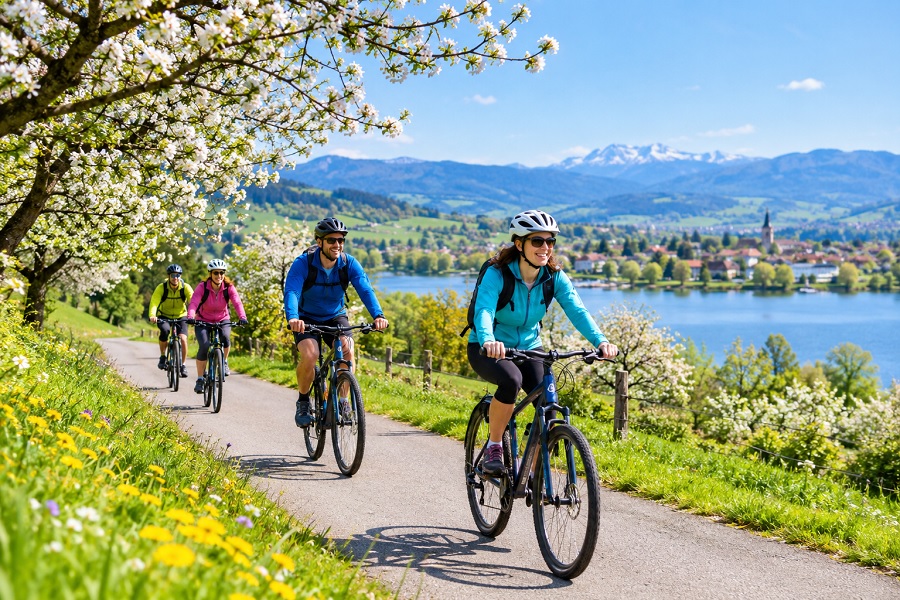
Cycling through scenic countryside allows travellers to experience charming villages, peaceful roads, agricultural fields, rivers, forests, and mountain views at a comfortable pace. Whether travelling alone, with friends, as a couple, or with family, countryside cycling offers a refreshing combination of adventure, relaxation, fitness, and cultural exploration.
What Are Springtime Cycling Adventures?
Springtime cycling adventures involve exploring natural landscapes and rural destinations by bicycle during the spring season. These trips may include short countryside rides, guided cycling tours, multi-day cycling holidays, mountain routes, and village-to-village journeys.
Unlike travelling by car or bus, cycling allows visitors to experience their surroundings more closely. Travellers can stop at scenic viewpoints, visit local markets, photograph blooming flowers, taste regional food, and interact with residents.
Popular cycling experiences include:
Countryside cycling through green fields and flower-filled meadows.
Village-to-village cycling tours.
Riverside cycling along peaceful waterways.
Forest cycling on designated trails.
Mountain cycling with panoramic landscape views.
Farm visits and rural food experiences.
Guided heritage and cultural cycling tours.
Why Spring Is Ideal for Countryside Cycling
Spring offers several advantages for cycling holidays, although conditions vary by destination.
1. Pleasant Weather
Many destinations experience moderate temperatures during spring, making outdoor activities more comfortable than during extreme summer heat. Travellers should still check local weather forecasts before planning longer rides.
2. Beautiful Natural Scenery
Spring landscapes can feature blossoming trees, colourful flowers, fresh greenery, and flowing streams. These surroundings make countryside cycling especially attractive to nature lovers and photographers.
3. Opportunities for Wildlife Watching
Rural roads and designated nature trails may offer opportunities to observe birds, butterflies, and other wildlife. Cyclists should maintain a respectful distance and avoid disturbing animals.
4. Peaceful Travel Experiences
Countryside routes can provide a quieter alternative to busy tourist attractions. Travellers can enjoy open landscapes, fresh air, and a slower pace of exploration.
5. Health and Fitness Benefits
Cycling is an aerobic activity that can support cardiovascular fitness, muscular endurance, balance, and general well-being. The distance and intensity should match each traveller’s fitness level.
Best Destinations for Springtime Countryside Cycling
1. The Netherlands
The Netherlands is famous for its cycling infrastructure, flat landscapes, canals, historic towns, and spring flower displays. Cycling around rural villages and flower-growing regions can provide beautiful scenery and opportunities to experience local culture.
Travellers should follow designated cycle routes and check seasonal access restrictions around popular flower fields.
2. Tuscany, Italy
Tuscany offers rolling hills, vineyards, olive groves, historic villages, and scenic country roads. Spring can be a wonderful time to explore the region by bicycle, with opportunities to combine cycling with local food, architecture, and cultural experiences.
Some routes include steep climbs, so cyclists should choose an itinerary suited to their ability.
3. Provence, France
Provence features charming villages, countryside landscapes, vineyards, and historic routes. Spring cycling can be particularly appealing for travellers seeking peaceful scenery, local markets, and traditional French cuisine.
Weather and flowering periods differ from year to year, so travellers should check conditions before booking.
4. The English Countryside, United Kingdom
Rural England offers green fields, stone villages, historic cottages, country lanes, and scenic trails. Designated cycling routes provide options for beginners and experienced cyclists.
Riders should be prepared for changing weather and share roads carefully with other vehicles.
5. Switzerland
Switzerland offers picturesque lakes, mountain villages, green valleys, and impressive Alpine views. Lower-elevation countryside routes can be suitable for spring cycling, while higher mountain passes may remain snowy or closed early in the season.
Electric bicycles can help travellers manage hilly routes.
6. New Zealand
New Zealand provides scenic cycling experiences through farmland, vineyards, lakeside paths, and rolling countryside. Spring brings changing landscapes and opportunities to explore rural communities.
Travellers should check local trail conditions, daylight hours, and weather forecasts before setting out.
7. Kashmir, India
Kashmir offers beautiful valleys, rivers, orchards, mountain views, and traditional villages. Spring can provide memorable cycling opportunities around suitable low-altitude routes, depending on snow conditions and local access.
Cyclists should use approved routes, confirm road conditions, and seek local guidance where necessary.
8. Kerala, India
Kerala offers countryside cycling through coconut plantations, village roads, paddy fields, waterways, and green rural landscapes. Travellers can combine cycling with local food experiences and visits to traditional communities.
Humidity, rainfall, and traffic conditions should be considered when choosing a route.
9. Maharashtra, India
Maharashtra offers countryside cycling opportunities around rural landscapes, vineyards, lakes, and scenic roads near destinations such as Nashik and selected areas around Pune. Spring temperatures can rise quickly, so early-morning rides are often more comfortable.
Cyclists should select safe roads and avoid exposed routes during the hottest part of the day.
10. Japan
Japan offers countryside cycling through traditional villages, rice fields, riverside paths, and rural towns. Spring blossom season can add colourful scenery to cycling trips, although flowering periods depend on location and weather.
Popular areas may become busy during blossom season, making route planning important.
Popular Types of Spring Cycling Adventures
Leisure Countryside Cycling
Leisure cycling is ideal for beginners and travellers who prefer short rides with frequent breaks. Routes may include villages, gardens, farms, and scenic viewpoints.
Adventure Cycling
Experienced cyclists can choose longer routes, hilly roads, and challenging countryside trails. Appropriate equipment, navigation skills, and physical preparation are essential.
Family Cycling Holidays
Families can explore traffic-free paths, parks, and easy countryside routes. Children should use correctly fitted helmets and bicycles, and the itinerary should include regular rest stops.
Romantic Cycling Getaways
Couples can enjoy peaceful rides through vineyards, flower gardens, lakeside paths, and rural villages. Stops for photography, picnics, and local meals can make the journey more memorable.
Photography Cycling Tours
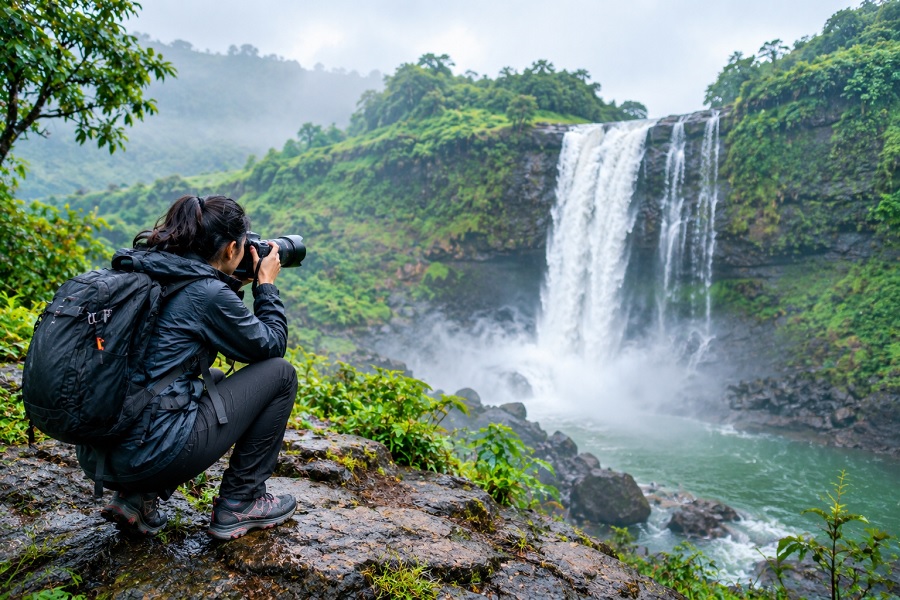
Spring provides opportunities to photograph wildflowers, blossoming trees, historic buildings, farmland, and rural life. Travellers should stop in safe, designated places rather than taking photographs while riding.
Electric Bicycle Adventures
E-bikes can make longer distances and hilly landscapes more accessible to a wider range of travellers. Riders should understand the battery range, charging requirements, braking system, and local e-bike regulations.
Essential Equipment for Spring Cycling
Preparing the right equipment can improve comfort and safety during countryside rides.
A properly fitted bicycle suitable for the chosen terrain.
A correctly fitted cycling helmet.
Comfortable, breathable clothing.
Padded cycling shorts for longer rides.
Closed-toe cycling shoes or comfortable sports shoes.
Front and rear lights, even for daytime rides.
Reflective clothing or accessories.
Water bottles and suitable snacks.
A basic repair kit, spare tube, and tyre pump.
A phone with offline maps and emergency contacts.
Sunscreen, sunglasses, and weather-appropriate outerwear.
A small first-aid kit.
Before departure, inspect the tyres, brakes, chain, gears, lights, and overall condition of the bicycle.
Safety Tips for Countryside Cycling
Plan the Route in Advance
Choose a route based on distance, elevation, traffic, road surface, and fitness level. Confirm whether cycling is permitted on the selected trails.
Start Early
Morning rides can offer cooler temperatures, softer light for photography, and less traffic on some routes. Check sunrise times and allow enough time to return safely.
Stay Hydrated
Carry enough water and drink regularly, especially in warmer destinations. Plan rest stops and bring snacks for longer rides.
Follow Road Safety Rules
Use cycle lanes where available, obey traffic signs, signal turns, and remain alert around vehicles, pedestrians, and animals. Avoid using headphones at a volume that prevents you from hearing surrounding traffic.
Check the Weather
Spring weather can change quickly. Rain may make roads slippery, while strong winds can make cycling difficult. Postpone the ride when conditions become unsafe.
Respect Local Communities
Ride at a considerate speed through villages, keep noise low, dispose of waste responsibly, and ask permission before photographing people or private property.
Travel With Basic Emergency Supplies
Carry identification, emergency contacts, a charged phone, and basic repair equipment. For remote routes, tell someone your itinerary and expected return time.
Sustainable and Eco-Friendly Cycling Tourism
Cycling can reduce transport-related environmental impact when it replaces motorised travel, particularly for short journeys. However, the overall footprint of a holiday also depends on flights, accommodation, food, equipment, and other activities.
Travellers can make their spring cycling holidays more sustainable by:
Choosing local cycling operators and guides.
Using public transport to reach cycling routes where practical.
Renting a suitable bicycle instead of purchasing equipment for a single trip.
Carrying reusable water bottles and avoiding unnecessary disposable packaging.
Supporting local cafés, farm shops, and family-owned businesses.
Staying on designated trails to protect plants and wildlife.
Choosing accommodation with responsible water and energy practices.
Avoiding littering and respecting protected natural areas.
Responsible cycling helps communities benefit from tourism while protecting the landscapes that attract visitors.
How to Plan a Springtime Cycling Holiday
Step 1: Choose a destination. Select a countryside region based on scenery, climate, accessibility, and cycling experience.
Step 2: Select a suitable route. Beginners may prefer flat, traffic-free paths, while experienced cyclists may choose longer or hillier rides.
Step 3: Check seasonal conditions. Research weather, road closures, flowering periods, local events, and cycling restrictions.
Step 4: Arrange accommodation and transport. Look for bicycle-friendly accommodation and confirm whether trains, buses, or other transport services accept bicycles.
Step 5: Prepare your bicycle and equipment. Check the bicycle before travelling and arrange a rental in advance if necessary.
Step 6: Build flexibility into the itinerary. Allow time for rest, meals, photography, and unexpected weather changes.
Step 7: Respect local rules. Follow road regulations, protect natural areas, and support responsible tourism businesses.
Benefits of Springtime Cycling Adventures
Spring countryside cycling offers a range of travel and lifestyle benefits:
Encourages physical activity and outdoor recreation.
Provides close contact with nature and rural landscapes.
Creates opportunities to discover local culture and food.
Supports small businesses in rural communities.
Offers photography and wildlife-watching experiences.
Can provide a lower-impact alternative to some motorised sightseeing trips.
Allows travellers to explore destinations at a relaxed pace.
Offers flexible experiences for solo travellers, couples, families, and groups.
Challenges to Consider
Despite its benefits, countryside cycling requires preparation. Unpredictable weather, traffic, steep hills, road surfaces, bicycle repairs, and limited services in remote areas can affect the experience.
Spring also does not bring the same conditions everywhere. Some regions may experience heavy rain, cold temperatures, strong winds, or lingering snow. Travellers should research their destination and select routes appropriate to their skills.
Future Trends in Seasonal Adventure Tourism
Springtime cycling tourism is likely to benefit from growing interest in active holidays, slow travel, local cultural experiences, and sustainable transport. Electric bicycles, GPS navigation, guided cycling itineraries, and bicycle-friendly accommodation are making some cycling trips more accessible.
Travellers are also increasingly interested in combining cycling with farm visits, food trails, heritage sites, photography, and nature-based experiences. Destinations that provide safe routes, clear information, and responsible tourism services can appeal to a broad range of visitors.
Frequently Asked Questions (FAQs)
1. What is the best time for springtime cycling adventures?
The ideal time depends on the destination. Spring generally refers to March through May in the Northern Hemisphere, but local weather and seasonal conditions can vary.
2. Are countryside cycling adventures suitable for beginners?
Yes. Beginners can choose short, flat routes with low traffic, frequent rest stops, and suitable bicycle rentals.
3. Which countries are popular for spring countryside cycling?
The Netherlands, Italy, France, Switzerland, Japan, and New Zealand offer a variety of scenic cycling experiences. India also has countryside routes suitable for different skill levels.
4. What should I wear for spring cycling?
Wear comfortable, breathable clothing, a fitted helmet, appropriate shoes, and layers that can be adjusted as temperatures change. Carry a lightweight waterproof jacket when rain is possible.
5. Can families enjoy spring cycling holidays?
Yes. Families should select safe, age-appropriate routes, use suitable bicycles and helmets, and plan regular breaks.
6. Is cycling an eco-friendly travel option?
Cycling can be a lower-emission way to explore nearby destinations, especially when it replaces motorised transport. The environmental impact of the complete holiday also matters.
7. Do I need to book a guided cycling tour?
Not always. Independent cycling is possible on clearly marked, accessible routes. A local guide can be useful for unfamiliar terrain, cultural experiences, navigation, and safety advice.
8. How can I prepare for a long countryside cycling trip?
Build fitness gradually, practise riding at a comfortable pace, check your bicycle, plan food and water stops, study the route, and prepare for changing weather.
Conclusion
Springtime cycling adventures through scenic countryside offer a wonderful way to combine outdoor exercise, nature exploration, cultural discovery, and responsible tourism. From the flower-filled landscapes of the Netherlands to the rolling hills of Tuscany and the green rural routes of India, travellers can find cycling experiences for different interests and fitness levels.
With suitable equipment, careful route planning, respect for local communities, and attention to seasonal weather, a spring cycling holiday can become a refreshing and memorable travel experience. Choosing local services and protecting the natural environment also helps ensure that these scenic destinations remain enjoyable for future generations.