Snowboarding Adventures Around the World: Exploring Winter Sports, Alpine Destinations and Snow Experiences
Winter Snowboarding Adventures: Exploring Mountain Sports and Snow Experiences
Introduction
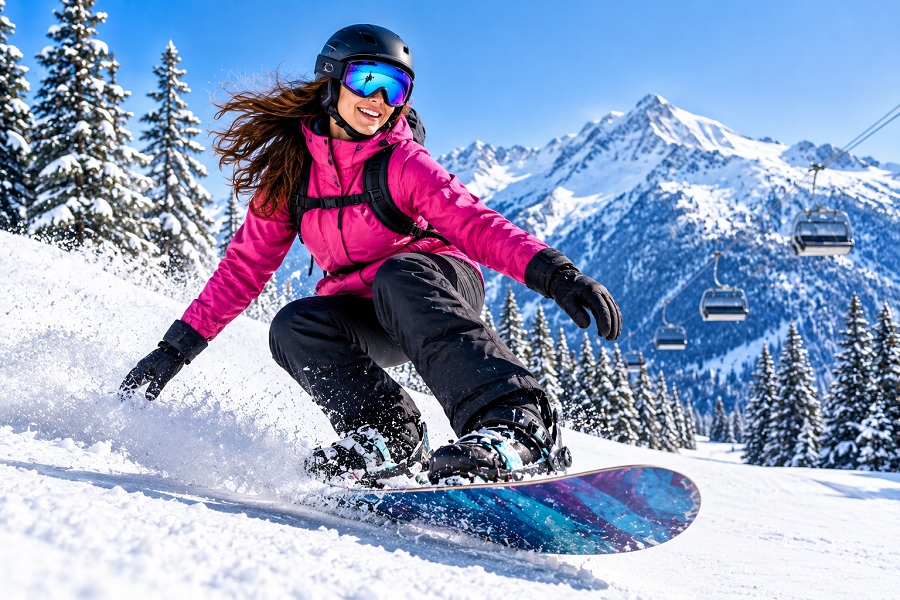
Winter snowboarding adventures are an exciting part of seasonal adventure tourism. They allow travellers to explore snow-covered mountains, experience winter sports and enjoy outdoor activities in beautiful alpine environments.
Snowboarding combines balance, coordination, physical fitness and adventure. It attracts beginners, experienced riders, families and adventure enthusiasts who want to experience snowy destinations in a different way.
Popular winter destinations offer snowboarding facilities, ski resorts, professional instructors, equipment rentals and accommodation for visitors. Countries such as Switzerland, Austria, France, Japan, Canada and the United States are well known for their winter sports experiences.
With growing interest in adventure holidays and mountain tourism, snowboarding is becoming an attractive activity for international travellers.
1. What Is Winter Snowboarding Tourism?
Winter snowboarding tourism refers to travelling to snow-covered destinations to participate in snowboarding and related winter activities.
Snowboarding involves riding down snow-covered slopes using a specially designed board attached to the rider's feet.
Travellers can enjoy different experiences, including:
- Beginner snowboarding lessons.
- Professional snowboarding sessions.
- Snowboard park experiences.
- Mountain resort holidays.
- Freestyle snowboarding.
- Guided mountain activities.
- Snowboarding competitions.
- Winter photography and sightseeing.
It combines adventure sports, recreation, accommodation and destination exploration.
2. Popular International Snowboarding Destinations
Several countries attract international visitors because of their mountain landscapes, winter sports facilities and well-developed ski resorts.
Popular destinations include:
- Switzerland.
- France.
- Austria.
- Italy.
- Japan.
- Canada.
- United States.
- Norway.
- New Zealand.
- Finland.
These destinations offer different types of slopes, snow conditions, accommodation options and winter activities.
3. Switzerland: Premium Alpine Snowboarding Experiences
Switzerland is one of the world's recognised winter sports destinations. Its Alpine landscapes, mountain resorts and snow-covered villages attract snowboarders from different countries.
Popular destinations include:
- Zermatt.
- Verbier.
- Davos.
- St. Moritz.
- Laax.
Visitors can enjoy snowboarding, mountain sightseeing, winter photography and comfortable resort accommodation.
Swiss mountain destinations are particularly attractive to travellers seeking scenic winter holidays and premium outdoor experiences.
4. France: Famous Snowboarding Resorts
France offers several popular snowboarding destinations in the French Alps.
Famous resorts include:
- Chamonix.
- Val Thorens.
- Tignes.
- Les Deux Alpes.
- Avoriaz.
These destinations offer slopes for different skill levels, snowboarding schools, equipment rental services and mountain accommodation.
Visitors can combine snowboarding with local food, mountain sightseeing and other winter sports.
5. Austria: Snowboarding and Traditional Alpine Culture
Austria is known for its mountain scenery, winter sports facilities and traditional Alpine villages.
Popular snowboarding destinations include:
- Innsbruck.
- St. Anton am Arlberg.
- Ischgl.
- Sölden.
- Saalbach-Hinterglemm.
Travellers can enjoy mountain sports while experiencing Austrian culture, traditional food and scenic winter villages.
Austria also offers opportunities for beginners to learn snowboarding through organised lessons.
6. Japan: Unique Snowboarding Experiences
Japan is an attractive destination for snowboarders because of its mountain resorts and seasonal snowfall.
Popular destinations include:
- Niseko.
- Hakuba Valley.
- Furano.
- Rusutsu.
- Nozawa Onsen.
Japan offers snowboarding opportunities alongside traditional hot springs, local cuisine and cultural experiences.
Visitors can combine winter sports with sightseeing and relaxation in nearby towns.
7. Canada: Mountain Snowboarding Adventures
Canada provides a variety of snowboarding destinations with extensive mountain landscapes and winter sports facilities.
Popular locations include:
- Whistler Blackcomb.
- Banff.
- Lake Louise.
- Revelstoke.
- Mont-Tremblant.
These destinations offer different types of snowboarding terrain, from beginner slopes to challenging mountain runs.
Travellers can also enjoy winter hiking, snowshoeing, scenic gondola rides and wildlife viewing where appropriate.
8. United States: Snowboarding and Mountain Resorts
The United States has several popular snowboarding destinations across its mountain regions.
Well-known resorts include:
- Aspen Snowmass, Colorado.
- Vail, Colorado.
- Park City, Utah.
- Mammoth Mountain, California.
- Jackson Hole, Wyoming.
These resorts provide snowboarding facilities, accommodation, equipment rental, restaurants and professional instruction.
Visitors can select destinations according to their experience, budget and preferred mountain environment.
9. Snowboarding for Beginners
Beginners can enjoy snowboarding by learning the basic techniques under professional supervision.
A beginner programme generally includes:
- Understanding snowboard equipment.
- Learning how to wear boots and bindings.
- Practising balance and body positioning.
- Learning how to stop safely.
- Practising basic turns.
- Understanding slope signs and safety rules.
Beginners should start on designated learning slopes and gradually progress to more challenging terrain.
10. Snowboarding for Experienced Riders
Experienced snowboarders often look for destinations that offer more challenging slopes and specialised terrain.
Advanced experiences may include:
- Steeper mountain runs.
- Freestyle snowboarding.
- Snowboard parks.
- Terrain features and jumps.
- Guided backcountry experiences.
- Technical mountain routes.
Backcountry snowboarding requires appropriate training, equipment, local knowledge and avalanche safety preparation. It should never be attempted without understanding the risks and conditions.
11. Freestyle Snowboarding Adventures
Freestyle snowboarding focuses on tricks, jumps and creative riding techniques.
Snow parks at selected resorts may include:
- Jumps.
- Rails.
- Boxes.
- Halfpipes.
- Specially designed freestyle areas.
These facilities allow experienced riders to practise skills in designated environments.
Beginners should learn basic riding techniques before attempting freestyle activities.
12. Snowboarding Equipment and Accessories
Proper equipment is essential for a comfortable and safe snowboarding experience.
Important equipment includes:
- Snowboard.
- Snowboard boots.
- Bindings.
- Snowboarding helmet.
- Goggles.
- Waterproof jacket.
- Snowboarding trousers.
- Protective gloves.
- Thermal clothing.
- Wrist guards and other suitable protective equipment.
Travellers can purchase or rent equipment from authorised shops and ski resorts.
Equipment should be selected according to body size, riding ability, weather conditions and resort requirements.
13. Importance of Professional Snowboarding Lessons
Professional instruction helps beginners understand snowboarding techniques and mountain safety.
Certified instructors can teach visitors how to balance, control speed, turn and stop.
Lessons may be available through:
- Individual coaching.
- Group training.
- Beginner snowboarding programmes.
- Family snowboarding sessions.
- Advanced riding instruction.
Professional lessons can help travellers build confidence and avoid common beginner mistakes.
14. Winter Snowboarding and Family Tourism
Snowboarding holidays can also create opportunities for family travel.
Some mountain resorts provide beginner lessons, designated learning areas and winter activities suitable for different age groups.
Families can combine snowboarding with:
- Snow play.
- Sledging in designated areas.
- Scenic mountain rides.
- Winter photography.
- Snowshoeing.
- Resort entertainment.
Parents should select age-appropriate activities and ensure children use suitable protective equipment.
15. Snowboarding and Luxury Winter Holidays
Luxury snowboarding tourism combines mountain sports with premium accommodation and personalised services.
Luxury resorts may provide:
- Premium mountain-view rooms.
- Private snowboarding lessons.
- Equipment rental services.
- Spa and wellness facilities.
- Fine dining.
- Private transportation.
- Guided mountain experiences.
Destinations such as Zermatt, St. Moritz, Courchevel and Aspen attract travellers interested in premium winter holidays.
16. Snowboarding and Adventure Travel Photography
Snow-covered mountains provide excellent opportunities for travel photography.
Visitors can capture:
- Snowboarding activities.
- Mountain landscapes.
- Snow-covered forests.
- Alpine villages.
- Winter sunsets.
- Snowboard parks.
- Scenic cable car journeys.
Travellers should use appropriate camera protection because cold temperatures and snow can affect electronic equipment.
Photography should never distract riders or compromise safety on the slopes.
17. Snowboarding and Local Tourism Businesses
Winter snowboarding tourism supports several businesses in mountain destinations.
These include:
- Ski and snowboard resorts.
- Hotels and mountain lodges.
- Equipment rental shops.
- Professional training schools.
- Restaurants and cafés.
- Transportation services.
- Local travel agencies.
- Outdoor clothing retailers.
- Guided adventure tour companies.
The development of winter sports facilities can create seasonal employment and business opportunities for mountain communities.
18. Seasonal Planning for Snowboarding Holidays
Planning a snowboarding holiday requires understanding the winter season of the selected destination.
Snow conditions and resort opening periods vary depending on geographical location, altitude and annual weather patterns.
Before booking, travellers should:
1. Check the resort's official opening dates.
2. Review current snow and weather conditions.
3. Confirm lift and slope availability.
4. Book accommodation in advance.
5. Arrange equipment rentals.
6. Select suitable travel insurance.
7. Check transportation options.
8. Understand local mountain safety guidelines.
Travellers should avoid assuming that every destination has suitable snow conditions throughout the winter.
19. Snowboarding Safety and Mountain Responsibility
Safety is one of the most important aspects of snowboarding tourism.
Important safety practices include:
- Always wear a suitable helmet.
- Use properly fitted snowboarding equipment.
- Follow resort signs and slope instructions.
- Ride within your skill level.
- Maintain a safe distance from other riders.
- Check weather and slope conditions.
- Take breaks to avoid exhaustion.
- Follow instructions from mountain staff.
- Avoid closed or restricted areas.
- Use professional guides for specialised mountain activities.
Travellers exploring off-piste areas should understand avalanche risks and carry appropriate safety equipment under expert guidance.
20. Environmental Sustainability in Snowboarding Tourism
Mountain environments are sensitive ecosystems that require responsible tourism practices.
Snowboarding destinations can promote sustainability through:
- Energy-efficient resort facilities.
- Responsible waste management.
- Public transportation services.
- Renewable energy initiatives.
- Protection of mountain ecosystems.
- Water conservation.
- Sustainable accommodation.
- Visitor education.
Tourists can support these efforts by following local environmental rules, reducing waste and respecting natural landscapes.
21. Challenges Facing Winter Snowboarding Tourism
Winter snowboarding tourism faces several challenges that can affect destinations and visitors.
Some important challenges include:
- Changing snowfall patterns.
- Climate change.
- High accommodation and equipment costs.
- Seasonal employment.
- Mountain transportation difficulties.
- Safety risks and injuries.
- Crowding at popular resorts.
- Weather-related resort closures.
Mountain destinations need effective planning, safety management and environmental protection to maintain long-term tourism opportunities.
22. Future of Winter Snowboarding Adventures
The future of snowboarding tourism will be influenced by changing traveller preferences, resort innovation and environmental developments.
Emerging trends include:
- Smart snowboarding equipment.
- Digital resort booking services.
- Advanced snowboarding training programmes.
- Sustainable mountain resorts.
- Premium winter adventure holidays.
- Family-friendly snowboarding packages.
- International snowboarding events.
- Improved mountain transportation.
- Personalised snow sports experiences.
- Technology-supported mountain safety.
Destinations that combine quality snowboarding facilities with accommodation, entertainment and responsible tourism practices may attract more winter adventure travellers.
Conclusion
Winter snowboarding adventures offer an exciting way to explore mountain destinations and experience seasonal sports. From the Alpine resorts of Switzerland and France to the snowy mountains of Japan, Canada and the United States, travellers can discover a wide range of winter experiences.
Snowboarding tourism also supports hotels, restaurants, equipment rental businesses, training schools and local communities. With proper planning, professional instruction, suitable equipment and responsible mountain practices, visitors can enjoy memorable winter holidays.
As adventure tourism continues to evolve, snowboarding is expected to remain an important attraction for travellers seeking outdoor activities, mountain exploration and unique seasonal experiences.