Monsoon Waterfall Photography Tours: Best Destinations, Tips and Camera Ideas for 2026
Monsoon Waterfall Photography Tours: A Complete Guide for Nature and Photography Lovers
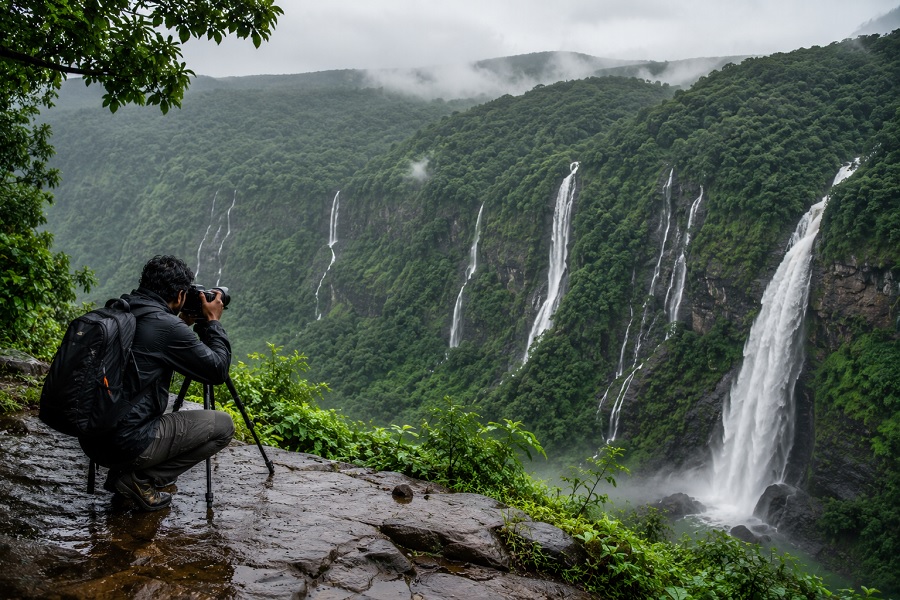
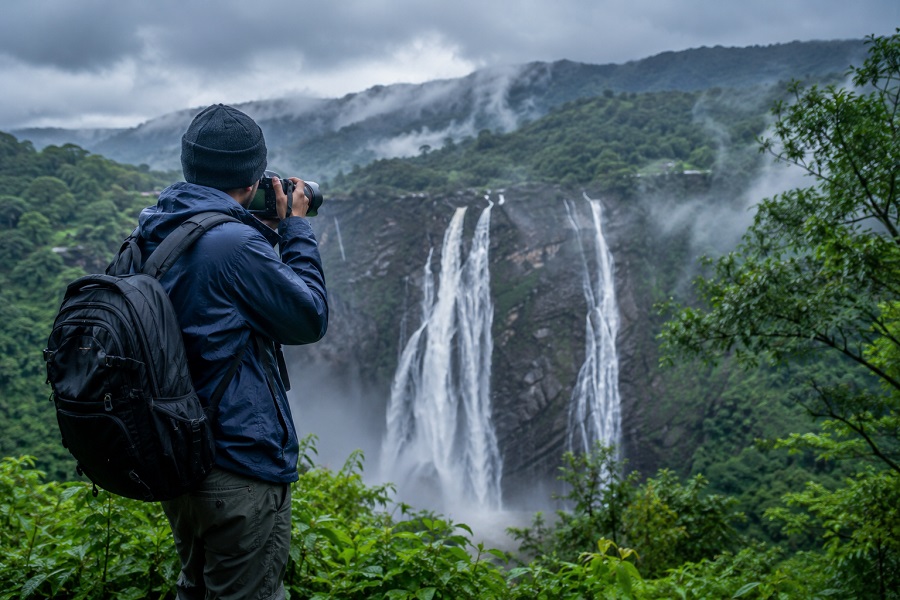
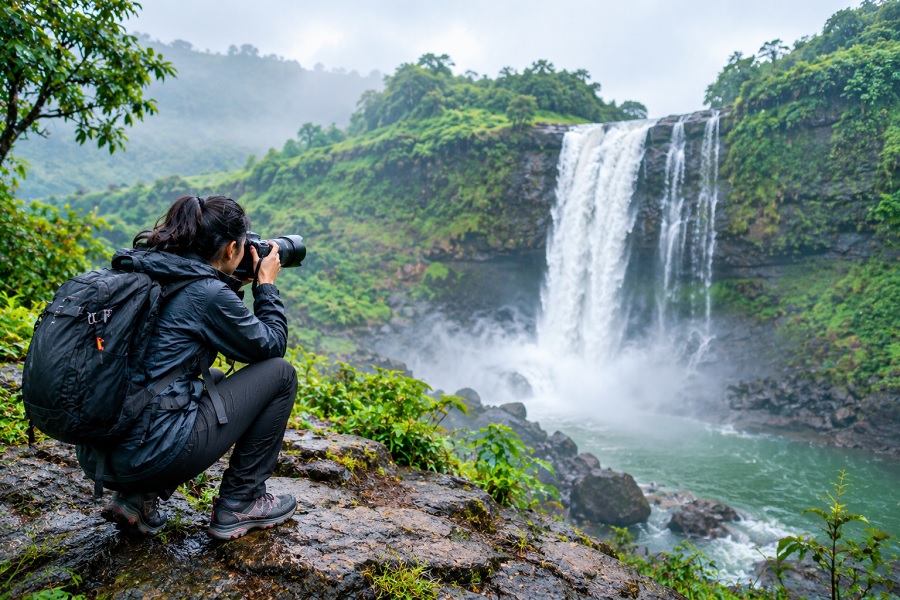
Monsoon Waterfall Photography Tours offer an exciting way to explore India's landscapes while capturing waterfalls surrounded by fresh greenery, misty hills, flowing streams, and dramatic cloudy skies. During the rainy season, many waterfalls that are smaller or nearly dry during other months become powerful natural attractions.
For photographers, the monsoon creates changing light, atmospheric mist, wet rocks, lush forests, and flowing water that can add depth and movement to photographs. Waterfalls across the Western Ghats, Northeast India, Central India, and other regions can become particularly impressive during the rainy season.
What Are Monsoon Waterfall Photography Tours?
Monsoon Waterfall Photography Tours are trips planned specifically to photograph waterfalls and surrounding landscapes during the rainy season.
These tours can be organized as:
One-day photography trips
Weekend waterfall tours
Road trips
Guided photography tours
Nature photography expeditions
Trekking and photography trips
Group photography tours
Solo photography adventures
Family-friendly waterfall sightseeing trips
The focus is not only on photographing the waterfall itself but also on capturing the complete monsoon environment.
Why Monsoon Is Excellent for Waterfall Photography
Rain changes the appearance of natural landscapes dramatically. Hills become greener, streams fill with water, and waterfalls become more powerful.
Some major advantages for photographers include:
1. Powerful Water Flow
Heavy rainfall increases water volume in many waterfalls, creating dramatic compositions with long streams of falling water.
2. Lush Green Landscapes
Fresh vegetation surrounding waterfalls creates a rich natural background.
3. Misty Atmosphere
Clouds and mist can create depth and a cinematic feeling, especially in mountain and forest environments.
4. Soft Natural Light
Cloud cover often produces softer light than strong midday sunshine, making it easier to photograph landscapes without harsh shadows.
5. Reflection Opportunities
Rain-filled pools and wet rocks can provide interesting reflections and textures.
Best Places for Monsoon Waterfall Photography in India
India has numerous waterfall destinations that become attractive during the rainy season.
Maharashtra
The Western Ghats of Maharashtra offer many waterfall photography opportunities. Popular areas include Mahabaleshwar, Satara, Lonavala, Khandala, Bhandardara, Amboli, and parts of the Konkan region.
Thoseghar, Vajrai, Lingmala, Kune, and several other waterfalls are frequently associated with monsoon travel. However, access conditions can change during periods of heavy rainfall, so photographers should check current local restrictions before traveling.
Goa and Karnataka
The Western Ghats across Goa and Karnataka offer dramatic waterfalls surrounded by dense forest. Dudhsagar is one of the most recognizable examples, although access routes can be restricted during periods of heavy rain.
Kerala
Kerala's forested landscapes provide opportunities to photograph waterfalls surrounded by tropical greenery and misty hills.
Meghalaya
Meghalaya is known for dramatic waterfalls and exceptionally green landscapes. Waterfalls such as Nohkalikai can provide spectacular monsoon photography opportunities.
Chhattisgarh
Chhattisgarh offers waterfall destinations including Chitrakote and Tirathgarh. During the rainy season, the surrounding forests and increased water flow can create striking landscape scenes.
Best Time for Monsoon Waterfall Photography
The exact timing depends on the region and rainfall pattern.
In many parts of India, July through September can provide strong waterfall flow, while August and September are often particularly attractive for Western Ghats waterfall photography. Some travel guides identify August and September as peak periods for many Indian waterfalls.
However, the strongest rainfall does not necessarily mean the best photography conditions. Extremely heavy rain can reduce visibility, create dangerous conditions, and make trails inaccessible.
A period with moderate rain and improving weather can provide better photography conditions.
Best Time of Day for Waterfall Photography
Early Morning
Early morning can provide soft light, fewer visitors, and atmospheric mist.
Late Afternoon
Cloudy late-afternoon conditions can provide soft illumination and dramatic skies.
After Rain
The period after rainfall can be particularly interesting because water flow may remain strong while visibility improves. Mist may also remain around valleys and forests.
Essential Camera Equipment
A basic photography setup can include:
Camera body
Wide-angle lens
Telephoto or zoom lens
Tripod
Waterproof camera cover
Lens cleaning cloth
Extra batteries
Extra memory cards
ND filter
Circular polarizing filter
Camera bag or dry bag
Smartphone as backup camera
Photographers should avoid exposing cameras to continuous rain even when the equipment is weather-sealed.
Smartphone Waterfall Photography
A professional camera is not essential for creating attractive waterfall photographs.
Modern smartphones can capture excellent images when used carefully.
Useful techniques include:
Use landscape mode
Keep the lens clean
Tap to focus on the waterfall
Use a tripod or stable surface
Try slow-shutter or long-exposure modes where available
Capture both wide landscapes and close-up details
Avoid digital zoom when possible
Protect the phone from rain
A waterproof pouch or sealed dry bag can be useful when moving through wet environments.
Long-Exposure Waterfall Photography
Long exposure is one of the most popular techniques for waterfall photography.
It can turn moving water into a smooth, flowing effect.
A tripod is important because the camera must remain stable during the exposure. An ND filter can help reduce the amount of light entering the lens when longer shutter speeds are required during brighter conditions.
Photographers should experiment with different shutter speeds instead of using one setting for every waterfall.
Composition Ideas
A waterfall photograph becomes more interesting when the surrounding environment is included.
Try these compositions:
Waterfall with surrounding forest
Waterfall framed by tree branches
Waterfall with mountain background
Leading lines created by a stream
Close-up of falling water
Wet rocks and flowing water
Mist between hills
Human figure used carefully for scale
Reflection in a calm pool
Wide landscape showing the entire valley
The goal is to tell the story of the location rather than simply photograph falling water.
Monsoon Photography Safety
Waterfall photography during the monsoon requires extra caution. Heavy rain can create sudden increases in water flow, slippery surfaces, landslides, and difficult road conditions.
Important safety practices include:
Never stand at the edge of a waterfall.
Do not enter fast-flowing streams.
Avoid standing on slippery rocks.
Stay behind official barriers.
Never cross a swollen stream.
Avoid narrow valleys during extreme rainfall.
Follow local authority instructions.
Check weather forecasts before leaving.
Avoid photography during lightning storms.
Travel during daylight.
Keep emergency contacts available.
Tell someone about your travel route.
Some popular waterfall and trekking locations in Maharashtra have restrictions during the 2026 monsoon, including locations affected by prohibitory orders. Travelers should verify current district-level rules before visiting.
Protecting Camera Equipment During Monsoon
Rain and humidity are major concerns for photography equipment.
Use:
Waterproof camera covers
Dry bags
Silica gel packets
Microfiber cloths
Waterproof backpack covers
Lens hoods
Separate plastic pouches for batteries and memory cards
If condensation develops after moving between different temperatures, allow the camera to acclimatize gradually rather than immediately opening or switching equipment repeatedly.
What to Wear
Comfortable and protective clothing can make a major difference.
Recommended items include:
Quick-dry clothing
Waterproof jacket
Trekking shoes with good grip
Extra socks
Lightweight backpack
Rain protection
Cap or hat
Personal first-aid supplies
Water-resistant trousers where needed
Avoid ordinary sandals or footwear with poor grip when walking on wet terrain.
Planning a Monsoon Photography Tour
Step 1: Select the Destination
Choose a waterfall that can be accessed legally and safely during the monsoon.
Step 2: Check Weather Conditions
Check the forecast shortly before departure. Heavy-rain alerts may require postponing the trip.
Step 3: Check Local Restrictions
Waterfall access can change during the monsoon. Check district administration, forest department, tourism authority, or official local notices before traveling.
Step 4: Plan Transportation
Research road conditions, parking, public transportation, and walking distances.
Step 5: Prepare Photography Equipment
Charge batteries, clear memory cards, pack weather protection, and prepare backup equipment.
Step 6: Plan the Shooting Location
Identify official viewpoints, trails, observation decks, and permitted photography areas.
Monsoon Waterfall Photography Itinerary
Day 1: Travel and Location Exploration
Travel to the destination, check into accommodation, and explore permitted viewpoints around the waterfall.
Day 2: Photography Day
Begin early, photograph the waterfall during changing weather conditions, capture surrounding landscapes, and explore other approved photography points.
Day 3: Nature and Local Exploration
Visit nearby attractions, photograph local landscapes, enjoy regional food, and return home.
A shorter one-day tour can also work for waterfalls located close to major cities.
Photography Tips for Better Waterfall Images
Use a tripod for long exposures.
Keep your lens clean.
Experiment with different shutter speeds.
Include foreground elements.
Look for natural frames.
Photograph during soft light.
Capture both wide and close-up images.
Take vertical and horizontal compositions.
Keep the horizon level.
Avoid overcrowding the frame.
Use people only when permitted and safe.
Review your images regularly for water droplets on the lens.
Editing Monsoon Waterfall Photographs
Post-processing can enhance the atmosphere without making the photograph look unnatural.
Useful adjustments include:
Exposure
Contrast
Highlights
Shadows
White balance
Sharpness
Texture
Dehaze
Cropping
Noise reduction
Natural-looking editing generally works well for landscape and travel photography.
Eco-Friendly Waterfall Photography
Photographers should protect the landscapes they visit.
Follow responsible travel practices:
Do not leave plastic or food waste behind.
Stay on designated trails.
Avoid damaging plants.
Do not disturb wildlife.
Do not create artificial scenes in protected areas.
Respect local communities.
Follow forest department rules.
Avoid loud music and unnecessary noise.
Take photographs without damaging the environment.
Benefits of Monsoon Waterfall Photography Tours
These tours can provide several experiences:
Nature exploration
Photography practice
Outdoor adventure
Landscape photography
Road-trip experiences
Wildlife and birdwatching opportunities
Local cultural experiences
Stress-free nature time
Creative inspiration
Weekend travel opportunities
Who Can Enjoy These Tours?
Monsoon Waterfall Photography Tours can suit:
Professional photographers
Amateur photographers
Smartphone photographers
Travel bloggers
Content creators
Nature lovers
Solo travelers
Couples
Photography clubs
Families visiting safe, designated viewpoints
The level of physical activity should be selected according to the destination and the traveler's experience.
Final Thoughts
Monsoon Waterfall Photography Tours combine travel, photography, nature, and adventure into one experience. India's rainy season can transform waterfalls and surrounding landscapes into dramatic photography locations, particularly across the Western Ghats and other high-rainfall regions.
The best photography trip is not necessarily the one with the strongest rainfall. It is the one where photographers can safely access a permitted viewpoint, protect their equipment, enjoy the landscape, and return with memorable images.
Before every monsoon waterfall trip, check the latest weather forecast and local access rules. Conditions can change quickly, and a beautiful photograph is never worth taking unnecessary risks.