Winter Cycling Getaways: Explore Beautiful Destinations on Two Wheels
Winter Cycling Getaways: Explore Scenic Destinations on Two Wheels
Introduction
Winter cycling getaways offer a refreshing way to explore destinations while enjoying cool weather, scenic landscapes, and outdoor adventure. Unlike conventional sightseeing trips, cycling holidays allow travellers to experience roads, villages, forests, hills, lakes, and countryside landscapes at a slower and more immersive pace.
For travellers who enjoy fitness, nature, photography, and adventure, winter can be an excellent season for cycling in destinations with comfortable temperatures and suitable road conditions.
A winter cycling getaway can range from a short weekend ride near a city to a multi-day cycling tour through mountains, coastal roads, rural landscapes, or heritage towns.
What Are Winter Cycling Getaways?
Winter cycling getaways are trips planned specifically around cycling during the winter season. The journey may include recreational cycling, road cycling, mountain biking, heritage cycling, countryside rides, or organized cycling tours.
These trips can be suitable for:
Solo travellers
Couples
Friends
Families
Cycling groups
Fitness enthusiasts
Adventure travellers
Photography enthusiasts
The difficulty of the trip should always match the cyclist's experience and fitness level.
Why Choose a Winter Cycling Getaway?
Winter cycling can provide several advantages for travellers.
Comfortable Outdoor Conditions
In destinations with mild winter temperatures, cycling can be more comfortable than exercising during very hot weather.
Scenic Landscapes
Winter light, clear skies, green landscapes, mountains, forests, and countryside roads can provide excellent opportunities for sightseeing and photography.
Active Travel
Cycling combines transportation and physical activity, allowing travellers to stay active while exploring a destination.
Slow Travel Experience
Cyclists can travel at a pace that allows them to notice local architecture, villages, landscapes, food, and cultural attractions that may be missed during faster transportation.
Popular Types of Winter Cycling Getaways
1. Mountain Cycling
Mountain cycling offers challenging routes with elevation changes and spectacular scenery.
Travellers should select routes according to their experience and check road, weather, and trail conditions before departure.
2. Countryside Cycling
Rural cycling routes can take travellers through villages, farms, fields, plantations, and quiet roads.
These routes are particularly suitable for travellers looking for a peaceful getaway away from busy urban areas.
3. Coastal Cycling
Coastal cycling combines physical activity with views of beaches, cliffs, fishing villages, and waterfront landscapes.
Cyclists should consider wind conditions and road safety when selecting coastal routes.
4. Heritage Cycling
Heritage cycling tours allow travellers to explore historic neighborhoods, forts, monuments, markets, old streets, and cultural attractions.
This can be an excellent option for travellers interested in both cycling and history.
5. Forest Cycling
Forest and nature routes provide opportunities to combine cycling with wildlife observation and nature photography.
Cyclists should remain on permitted trails and follow local conservation regulations.
Winter Cycling in India
India offers a wide variety of cycling environments during the winter season. Depending on the region and weather, travellers can consider routes through:
Himalayan foothills
Western Ghats
Coastal areas
Rural Maharashtra
Rajasthan
Kerala
Karnataka
Tamil Nadu
Goa
Northeast India
Heritage cities
Countryside regions
Winter conditions vary significantly across India, so cyclists should research the specific destination before planning a trip.
Winter Cycling in the Mountains
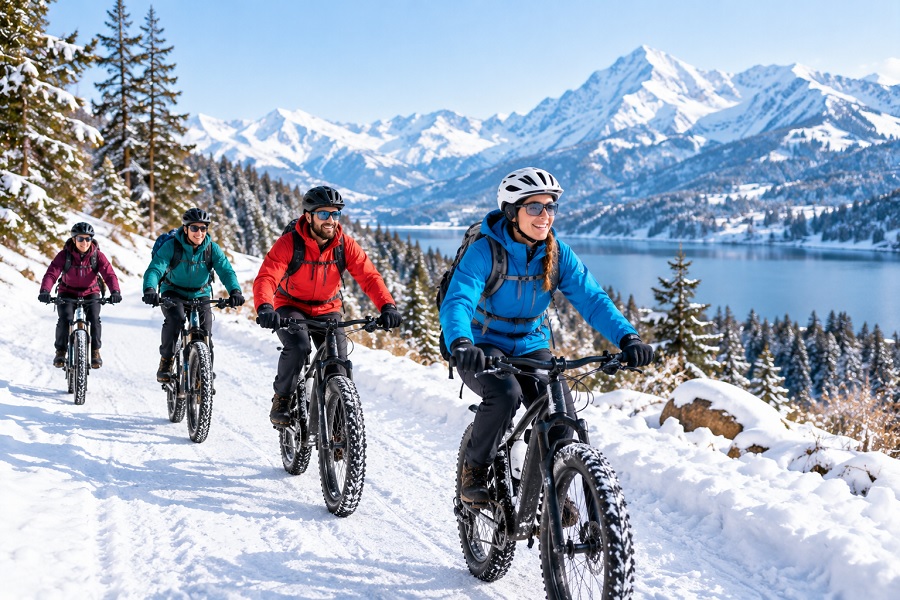
Mountain cycling can be an exciting winter adventure, but colder temperatures and changing weather require additional preparation.
Cyclists should consider:
Temperature
Altitude
Snow or ice conditions
Road closures
Visibility
Wind
Emergency access
Accommodation availability
Higher-altitude routes may require greater preparation than low-altitude cycling destinations.
Winter Cycling for Beginners
Beginners can start with short and relatively flat routes.
A beginner-friendly cycling getaway may include:
Short daily distances
Smooth roads
Moderate weather
Frequent rest stops
Easy access to accommodation
Support vehicles where available
It is useful to practise basic cycling skills and gradually increase distance before attempting a demanding multi-day route.
Winter Cycling for Families
Families can enjoy cycling getaways when routes are safe and appropriate for children.
Family cycling destinations can include:
Parks
Dedicated cycling paths
Countryside roads
Lakeside routes
Heritage areas
Low-traffic trails
Children should use properly fitted helmets and appropriate bicycles, while parents should choose routes based on age and cycling ability.
Winter Cycling for Couples
Couples can combine cycling with sightseeing, photography, local food, and comfortable accommodation.
A couple's cycling getaway could include a morning ride, a local cultural visit, a scenic lunch stop, and a relaxed evening.
The focus does not have to be on covering long distances. Short scenic rides can also create memorable travel experiences.
Winter Cycling for Solo Travellers
Solo cycling trips offer flexibility and independence.
Solo travellers can choose their own route, distance, stopping points, and sightseeing schedule.
However, cyclists travelling alone should take additional precautions by informing someone about their itinerary, carrying communication equipment, and avoiding isolated routes without adequate preparation.
Essential Winter Cycling Gear
Proper equipment can make a winter cycling trip more comfortable and safer.
Important items may include:
Helmet
Cycling gloves
Warm layers
Wind-resistant jacket
Comfortable cycling shoes
Reflective clothing
Sunglasses
Water bottle
Basic repair kit
Spare tube
Bicycle pump
Lights
Power bank
First-aid supplies
Navigation device or smartphone
The equipment should be adapted to the climate and difficulty of the route.
Layering for Winter Cycling
Layering is useful because body temperature can change during a ride.
A cyclist may use:
A moisture-managing base layer
A warm insulating layer
A wind-resistant outer layer
In colder destinations, additional thermal clothing may be necessary.
Travellers should also avoid wearing clothing that restricts movement or becomes uncomfortable when wet.
Winter Cycling Safety Tips
Safety should be a priority during every cycling trip.
Check the Weather
Always check the weather forecast before starting a long ride.
Inspect the Bicycle
Check brakes, tyres, chain, gears, lights, and other important components before departure.
Wear a Helmet
A properly fitted helmet is an essential part of cycling safety.
Stay Visible
Use reflective clothing and bicycle lights, especially during low-light conditions.
Carry Water
Cool weather can reduce the feeling of thirst, but hydration remains important during physical activity.
Follow Traffic Rules
Use designated cycling lanes or suitable roads where available and follow local traffic regulations.
Avoid Risky Conditions
Snow, ice, heavy rain, fog, strong winds, or poor visibility can make cycling hazardous.
Planning a Winter Cycling Getaway
Step 1: Select the Destination
Choose a destination based on climate, terrain, road conditions, scenery, and cycling experience.
Step 2: Select the Route
Check route distance, elevation, road surface, traffic levels, accommodation, and rest points.
Step 3: Check Weather Conditions
Research seasonal temperatures and possible weather changes.
Step 4: Prepare the Bicycle
Service the bicycle before a long journey and carry essential repair equipment.
Step 5: Arrange Accommodation
Choose accommodation that provides secure bicycle storage when possible.
Step 6: Plan Food and Water Stops
Long cycling routes require adequate food and hydration planning.
Step 7: Prepare an Emergency Plan
Keep emergency contacts, identification, communication equipment, and basic first-aid supplies accessible.
Winter Cycling and Fitness
Cycling can be an enjoyable form of physical activity during a getaway.
Regular cycling may help travellers incorporate movement into their holiday while exploring new surroundings.
However, travellers should gradually build endurance and avoid treating a vacation ride as a competition unless they are properly trained for that level of activity.
Cycling and Local Tourism
Cycling can connect visitors with local communities.
Cyclists may discover:
Local markets
Village traditions
Regional food
Small businesses
Historic buildings
Local crafts
Agricultural landscapes
Cultural attractions
Stopping at locally owned businesses can also help distribute tourism spending within communities.
Winter Cycling and Photography
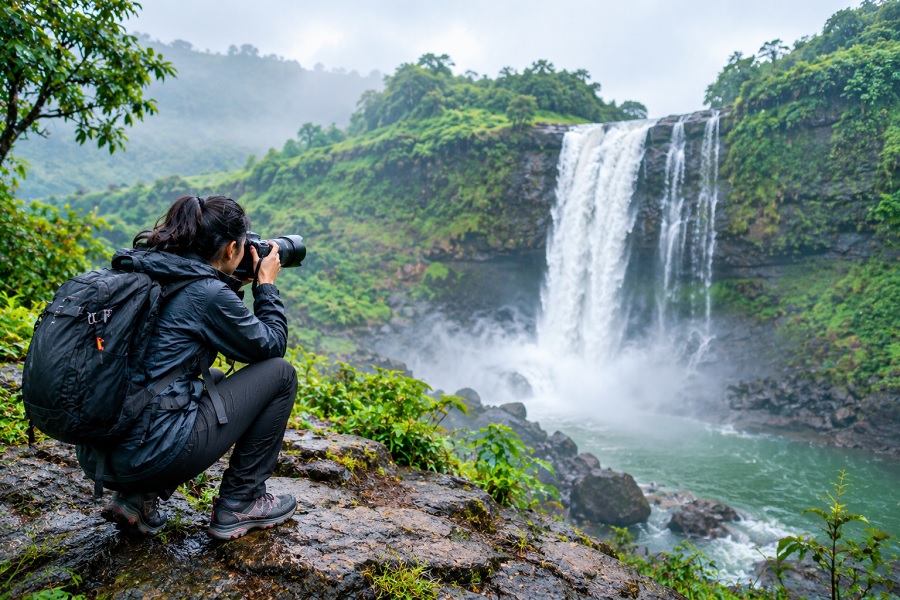
Winter landscapes can provide excellent opportunities for travel photography.
Cyclists can photograph:
Sunrise landscapes
Mountain views
Rural roads
Forest trails
Historic buildings
Lakes
Coastal scenery
Local markets
Village life
Travellers should stop safely before taking photographs rather than using cameras or phones while riding.
Sustainable Winter Cycling Tourism
Cycling is a low-impact form of transportation and can support sustainable tourism when routes and destinations are managed responsibly.
Travellers can make their trips more sustainable by:
Carrying reusable bottles
Avoiding litter
Respecting wildlife
Staying on designated trails
Supporting local businesses
Using public transportation where practical
Choosing locally operated tours
Avoiding unnecessary single-use products
Digital Technology for Cycling Trips
Technology can make cycling travel easier to organize.
Cyclists can use digital tools for:
Route planning
GPS navigation
Weather forecasts
Fitness tracking
Accommodation booking
Emergency communication
Finding bicycle repair services
Discovering local attractions
It is still useful to carry offline maps or other backup navigation options in areas with unreliable mobile connectivity.
Benefits of Winter Cycling Getaways
Winter cycling holidays can offer a combination of:
Physical activity
Outdoor recreation
Nature exploration
Scenic travel
Cultural discovery
Photography
Slow travel
Personal adventure
Social experiences
Sustainable transportation
The exact benefits depend on the destination, route, duration, and type of cycling activity.
Future of Winter Cycling Tourism
The cycling tourism sector is likely to continue developing through improved cycling infrastructure, dedicated trails, digital route-planning tools, organized cycling tours, electric bicycles, and sustainable destination planning.
Electric bicycles can also make longer or more challenging routes accessible to a wider range of travellers, although local regulations and trail restrictions should always be checked.
Destinations that combine safe cycling infrastructure with accommodation, local attractions, food experiences, and nature tourism can create attractive cycling-focused travel experiences.
Conclusion
Winter Cycling Getaways provide an active and immersive way to explore destinations during the cooler season. From mountain roads and countryside trails to coastal routes and heritage streets, cycling can transform an ordinary holiday into a more engaging travel experience.
With suitable equipment, careful route planning, weather awareness, road safety, and responsible travel practices, cyclists can enjoy scenic winter journeys while supporting local communities and exploring destinations at a slower pace.