The Challenges and Opportunities of Cultural Tourism in Developing Countries
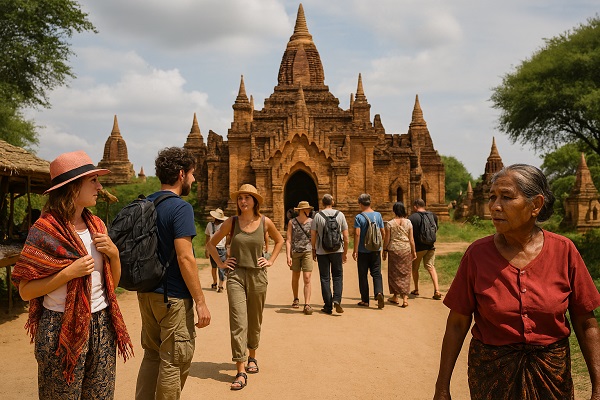
Cultural tourism has emerged as a significant sector in the global travel industry, offering visitors an immersive experience of a destination’s traditions, heritage, and lifestyle. For developing countries, cultural tourism presents a promising avenue for economic growth, cultural preservation, and global recognition. However, alongside its benefits, there are notable challenges that need careful management to ensure sustainable development.
Challenges of Cultural Tourism in Developing Countries
Infrastructure Limitations
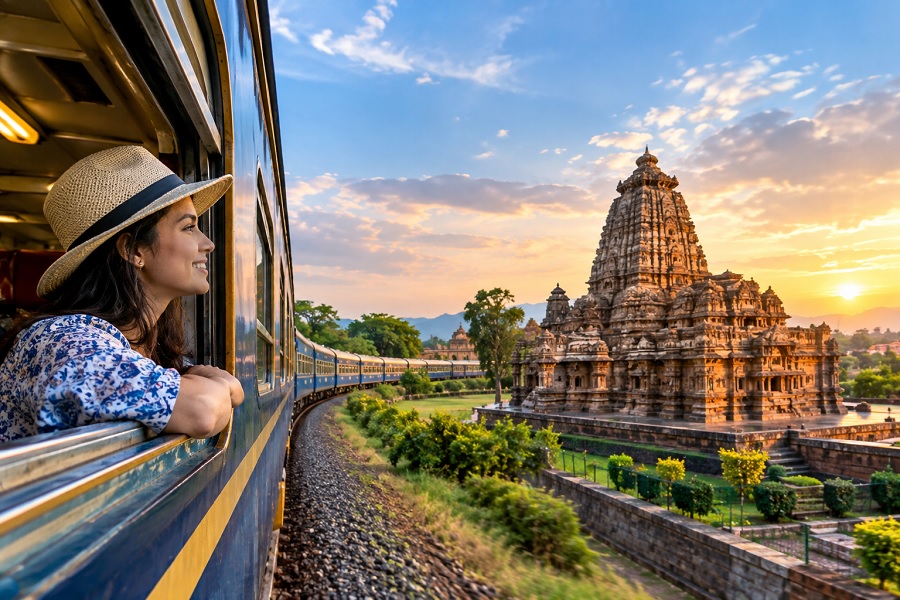
Many developing nations face inadequate infrastructure, including poor transportation, limited accommodation options, and insufficient tourist facilities. This hinders easy access to cultural sites and reduces the overall tourist experience.
Overcommercialization and Cultural Erosion
Rapid tourism growth can lead to the commercialization of cultural practices, diluting their authenticity. There is a risk that traditions may be altered to suit tourist expectations, resulting in loss of cultural integrity.
Environmental Degradation
Increased footfall to heritage sites often leads to environmental strain. Without proper regulation, tourism can damage delicate ecosystems, historic monuments, and local environments.
Lack of Skilled Workforce
Developing countries often struggle with a shortage of trained professionals in tourism management, hospitality, and cultural preservation, affecting the quality of services offered.
Community Displacement and Social Issues
Tourism development sometimes leads to displacement of local communities or creates social inequalities, where locals may not benefit fairly from the economic gains.
Opportunities Presented by Cultural Tourism
Economic Development and Job Creation
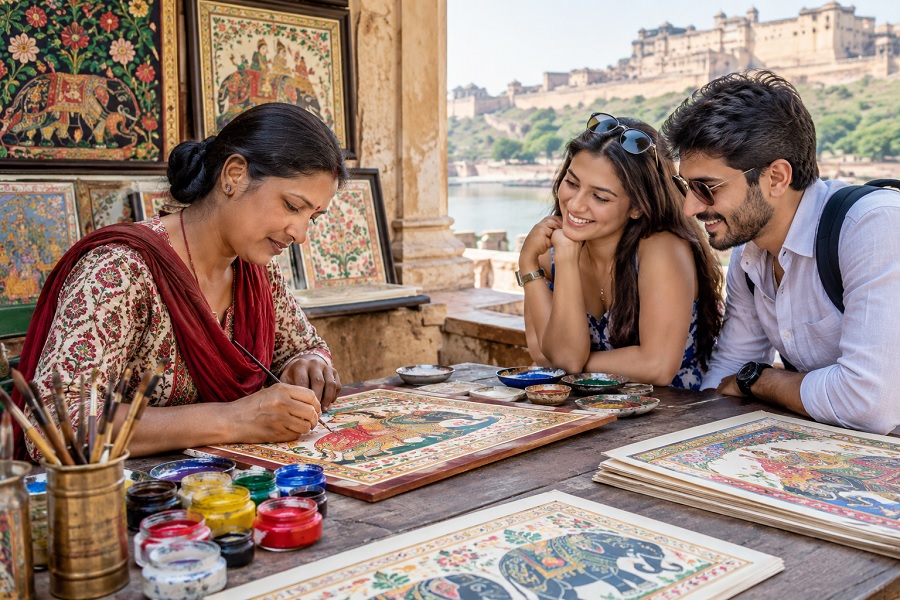
Cultural tourism can generate substantial income and employment opportunities for local populations, especially in rural or underdeveloped areas. It stimulates related industries such as handicrafts, food services, and transportation.
Preservation of Cultural Heritage
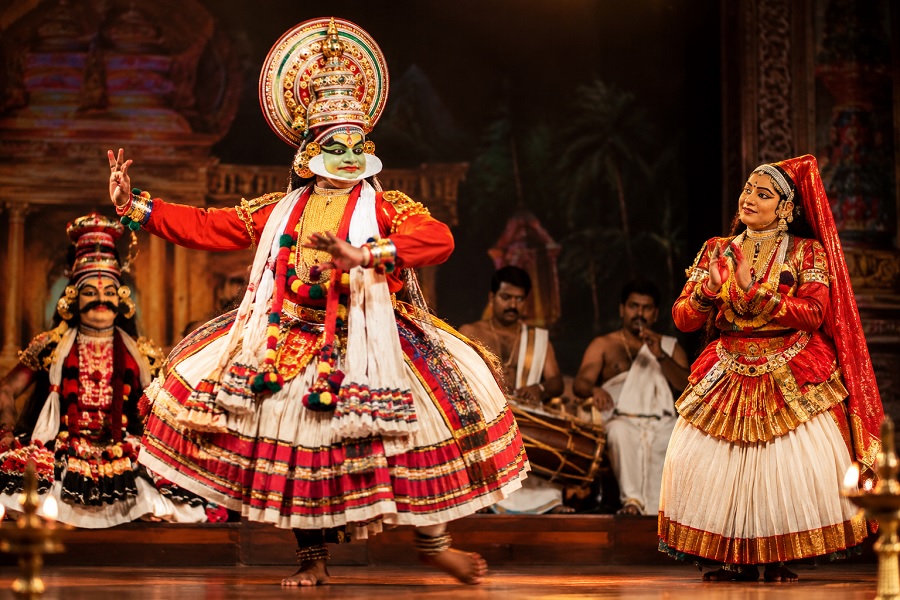
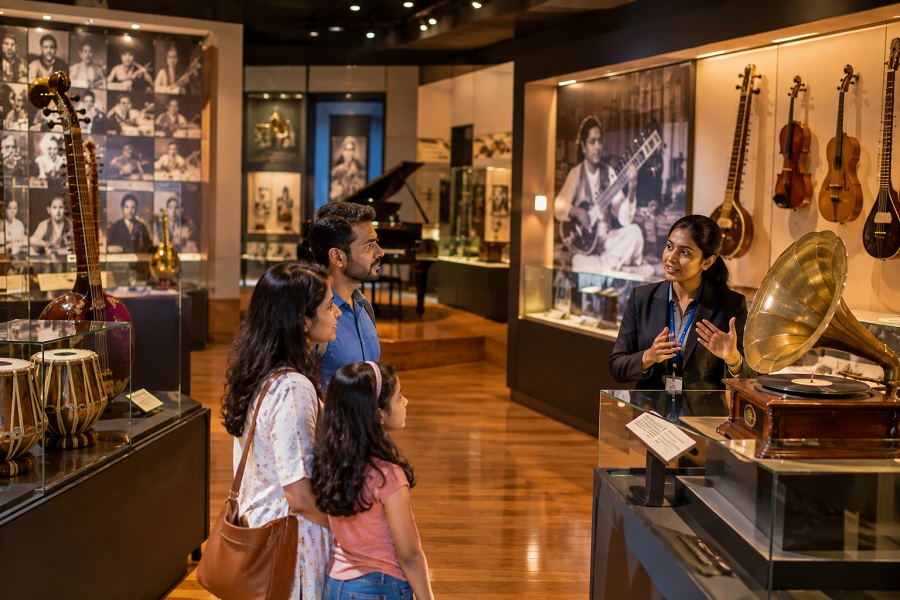
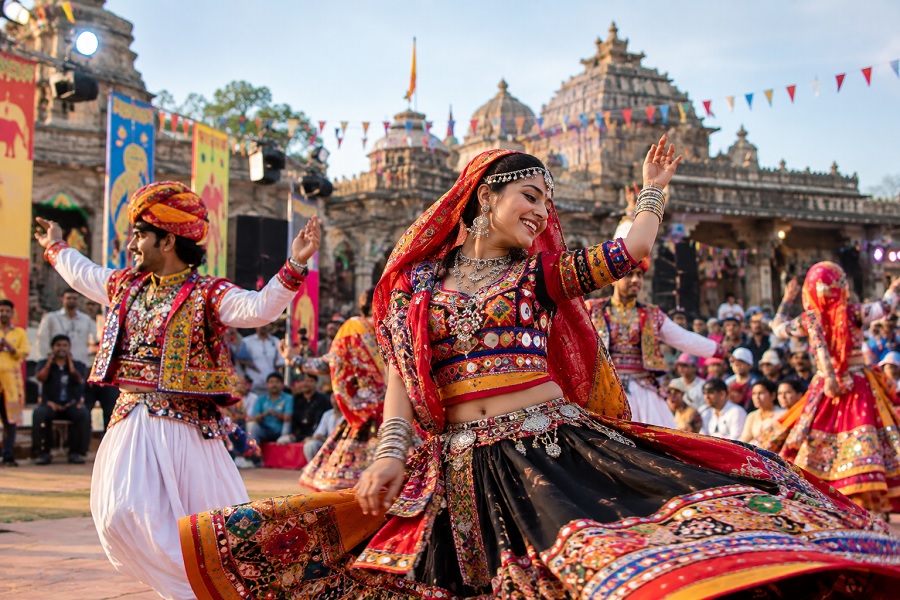
Increased awareness and revenue from tourism can fund the preservation and restoration of historic sites and intangible heritage like languages, music, and dance.
Promoting Cross-Cultural Understanding
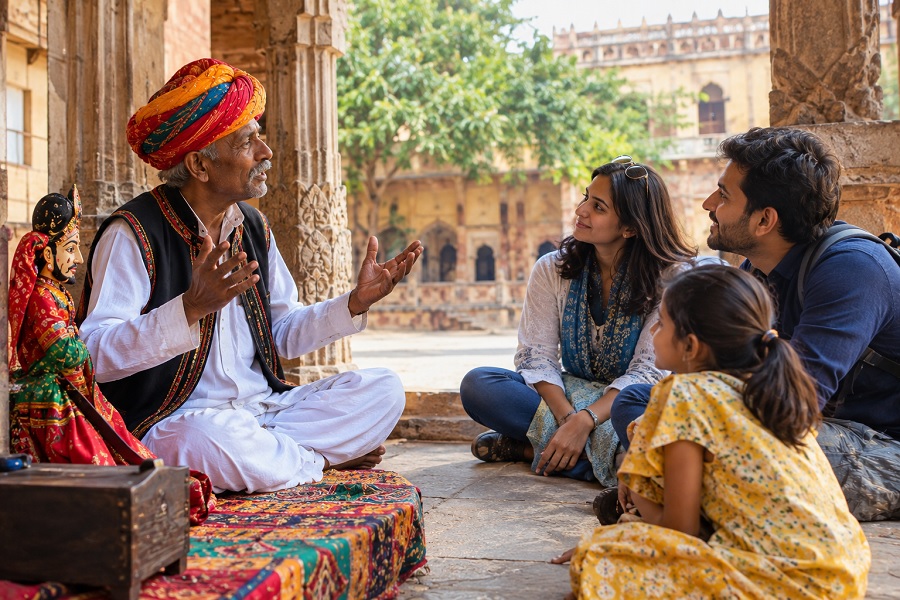
Tourism encourages interaction between visitors and locals, fostering respect, tolerance, and global cultural exchange.
Empowering Local Communities
When managed inclusively, cultural tourism empowers communities by involving them in decision-making and allowing them to showcase their culture on their terms.
Diversification of Tourism Products
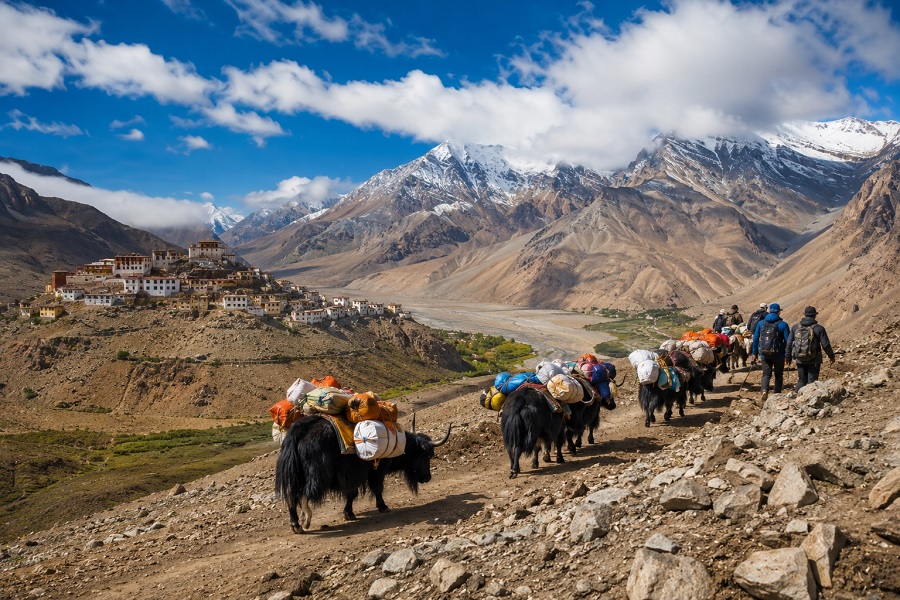
Cultural tourism complements other forms such as eco-tourism and adventure tourism, offering a diversified experience that attracts a broader range of travelers.
Strategies for Sustainable Cultural Tourism Development
Investing in Infrastructure to improve accessibility and quality of tourist services.
Community Involvement to ensure locals have ownership and derive benefits.
Training and Capacity Building for workforce development.
Implementing Regulations to protect cultural and natural heritage.
Promoting Authentic Experiences that respect and preserve cultural identity.
Conclusion
Cultural tourism in developing countries holds immense promise but must be approached with sustainable and inclusive strategies. By addressing its challenges thoughtfully, these nations can harness tourism’s power to preserve their heritage while improving economic and social well-being.