Archaeological Tourism: Exploring the Stories Buried in Time
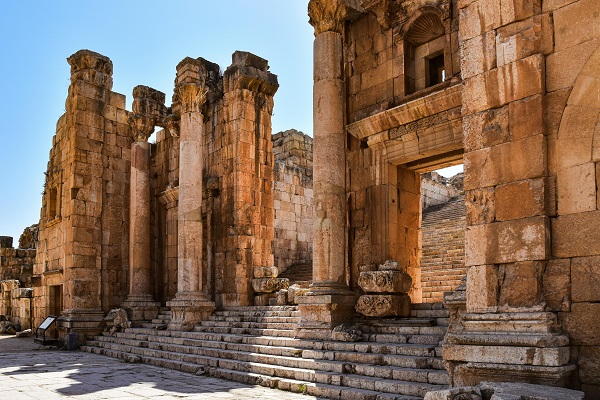
Archaeological tourism offers a fascinating journey into the past, allowing travelers to explore ancient civilizations, historical ruins, and excavation sites that reveal the story of human history. Unlike conventional travel, this form of tourism focuses on uncovering the mysteries of bygone eras, making it both educational and deeply enriching.
What is Archaeological Tourism?
Archaeological tourism involves visiting sites of historical and cultural significance where remnants of ancient societies have been preserved. These include ruins, excavation sites, ancient cities, temples, and monuments that provide insight into how people lived, worked, and evolved over centuries.
A Window into Ancient Civilizations
From the ruins of lost cities to ancient burial grounds, archaeological sites act as windows into the past. Destinations like Machu Picchu, Pompeii, and Pyramids of Giza showcase the brilliance, culture, and innovation of ancient civilizations, attracting millions of visitors each year.
The Educational Value
One of the biggest advantages of archaeological tourism is its educational impact. Visitors gain firsthand knowledge of history, architecture, and anthropology. Walking through ancient ruins or observing artifacts in their original setting brings history to life in a way textbooks cannot.
Cultural Preservation and Awareness
Archaeological tourism plays a crucial role in preserving heritage sites. Revenue generated from tourism helps fund conservation efforts, research, and maintenance. It also raises awareness about the importance of protecting these irreplaceable treasures for future generations.
Unique Travel Experiences
Every archaeological site offers a unique experience. Whether it’s exploring underground cities, walking through ancient temples, or witnessing ongoing excavations, travelers are immersed in a world that feels both distant and alive. Some destinations even offer guided tours led by archaeologists, adding depth and authenticity to the experience.
Responsible Tourism Practices
While archaeological tourism is rewarding, it also comes with responsibilities. Visitors must respect site rules, avoid touching fragile structures, and refrain from removing artifacts. Sustainable tourism ensures that these historical sites remain intact and accessible.
Challenges in Archaeological Tourism
Despite its benefits, archaeological tourism faces challenges such as overcrowding, environmental damage, and illegal artifact trade. Proper management and responsible traveler behavior are essential to overcome these issues.
Why It Matters
Archaeological tourism connects us to our roots. It helps us understand the achievements, struggles, and lifestyles of ancient societies. This connection fosters a deeper appreciation for cultural diversity and shared human history.
Final Thoughts
Archaeological tourism is more than just visiting old ruins—it’s about discovering the stories that shaped our world. It offers a meaningful travel experience that blends adventure, education, and cultural appreciation, making every journey through history unforgettable.