Cultural Tourism in Forts and Palaces: A Journey Through Royal Heritage
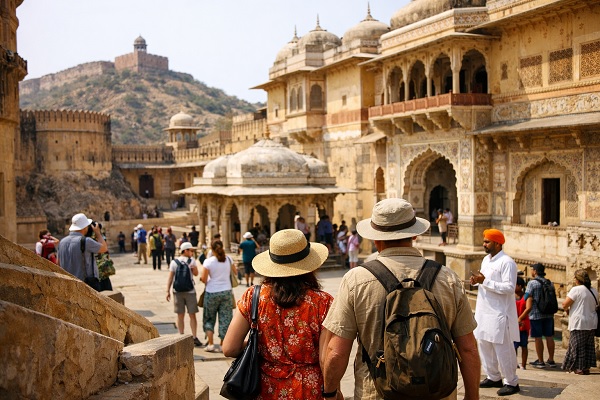
Cultural tourism offers travelers a unique opportunity to step into the past, and few experiences capture this better than visiting forts and palaces. These majestic structures are not just architectural marvels—they are living stories of kings, queens, battles, traditions, and the evolution of civilizations. From grand royal residences to formidable military strongholds, forts and palaces stand as timeless symbols of heritage and cultural identity.
The Historical Significance of Forts and Palaces
Forts and palaces were once the centers of power, governance, and royal life. Forts were built primarily for defense, often perched on hills or surrounded by thick walls and moats to protect against invasions. Palaces, on the other hand, were designed to showcase luxury, artistry, and the refined lifestyle of royalty.
In countries like India, these structures reflect diverse architectural styles influenced by dynasties such as the Mughals, Rajputs, and Marathas. Visiting them allows tourists to explore centuries of history, from grand durbars (royal courts) to intricate carvings and hidden chambers.
Architectural Grandeur and Artistic Excellence
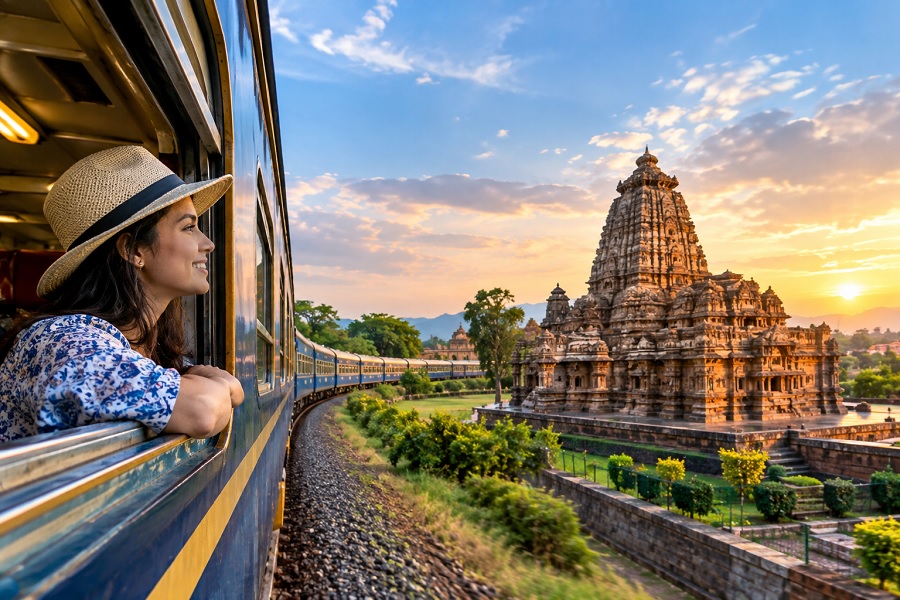
One of the biggest attractions of forts and palaces is their stunning architecture. Massive gates, ornate balconies, detailed frescoes, and mirror work highlight the craftsmanship of ancient artisans. Whether it’s sandstone forts rising from deserts or marble palaces glowing under the sun, each structure tells a unique story.
Many forts and palaces also feature beautifully designed gardens, courtyards, and water systems that reflect advanced engineering techniques of their time. These elements not only add to their beauty but also provide insight into how people lived centuries ago.
Cultural Experiences for Travelers
Cultural tourism in forts and palaces goes beyond sightseeing. Travelers can immerse themselves in local traditions and royal lifestyles through:
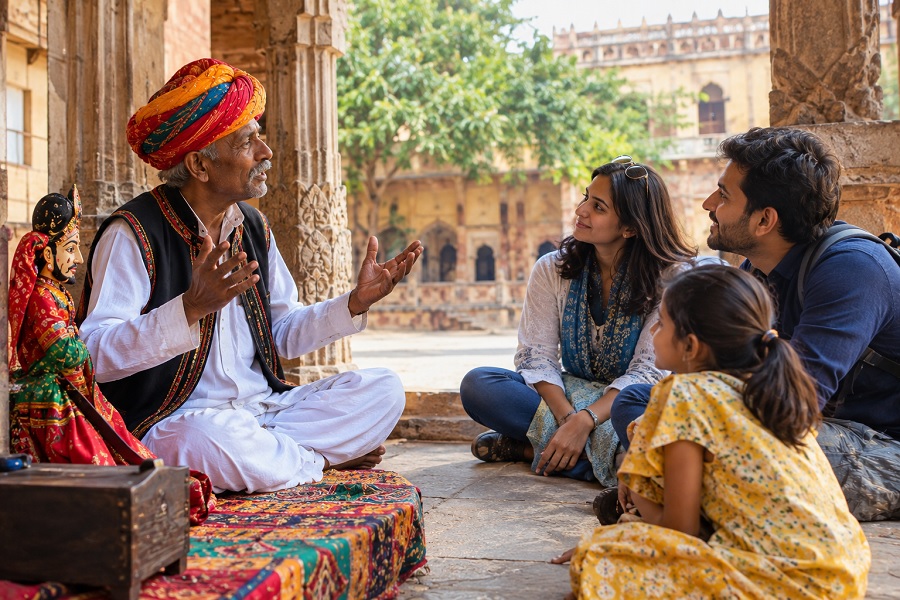
Guided heritage walks with storytelling
Light and sound shows depicting historical events
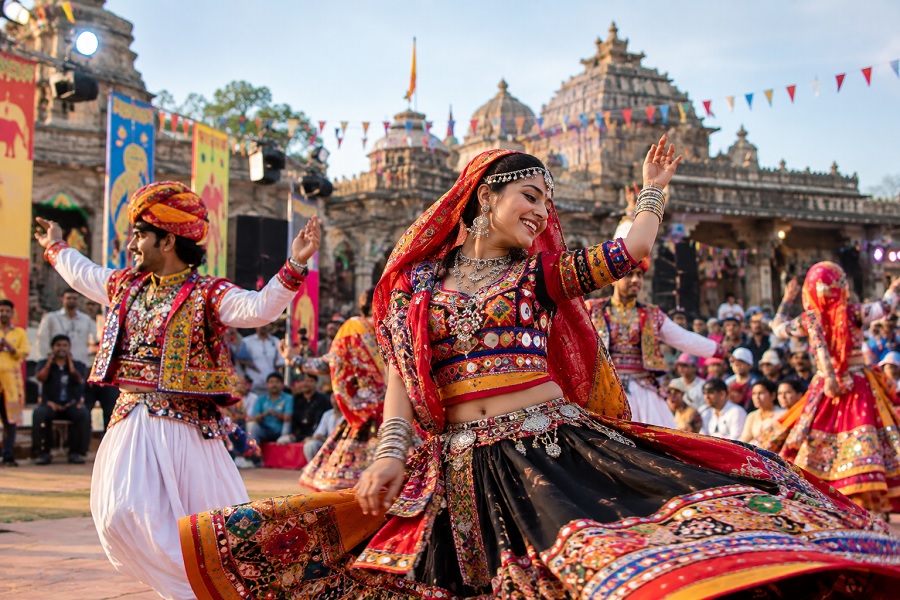
Traditional music and dance performances
Museum exhibitions showcasing royal artifacts
Staying in heritage hotels converted from palaces
These experiences help visitors connect emotionally with the history and culture of the place.
Popular Destinations Around the World
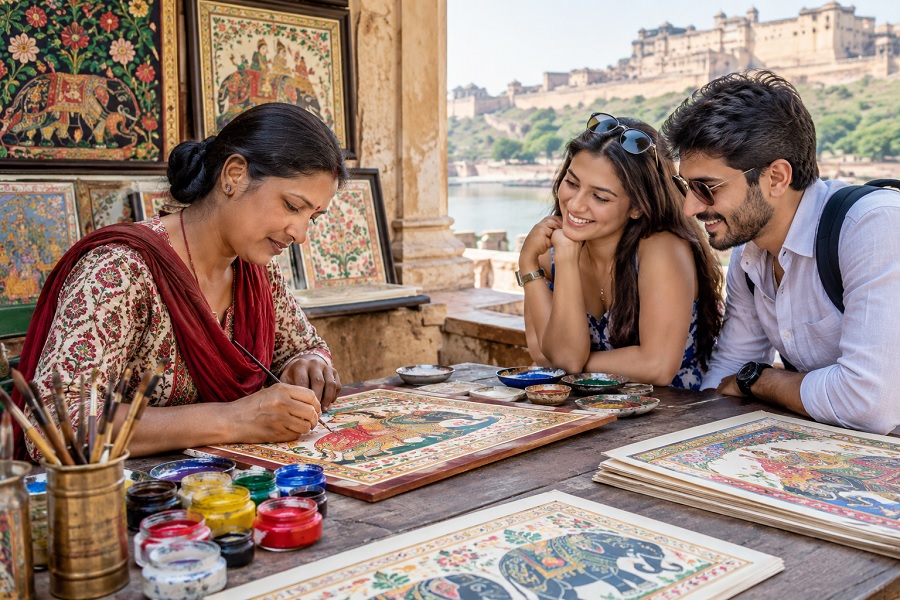
Forts and palaces are found across the globe, each reflecting the culture of its region. In India, destinations like Amber Fort and Mysore Palace attract millions of tourists every year. Similarly, Europe boasts magnificent castles like Neuschwanstein Castle, while Asia and the Middle East feature grand palaces with rich cultural heritage.
Each destination offers a different perspective on history, architecture, and royal traditions, making cultural tourism diverse and exciting.
Role in Preserving Heritage
Tourism plays a crucial role in preserving forts and palaces. Revenue generated from visitors helps maintain and restore these historical structures. Governments and heritage organizations also work together to protect these sites from decay and modernization pressures.
Responsible tourism is essential—visitors must respect the rules, avoid damaging structures, and support local communities to ensure these treasures are preserved for future generations.
Why Forts and Palaces Matter Today
In today’s fast-paced world, forts and palaces provide a meaningful escape into history. They remind us of our roots, cultural diversity, and the legacy of past civilizations. For travelers, they offer not just a visual treat but also an educational and emotional experience.
Conclusion
Cultural tourism in forts and palaces is more than just travel—it is a journey through time. It connects people with history, art, and traditions in a way that few other experiences can. Whether you’re a history enthusiast, an architecture lover, or simply a curious traveler, exploring these royal structures promises unforgettable memories and deeper cultural understanding.







.jpg)